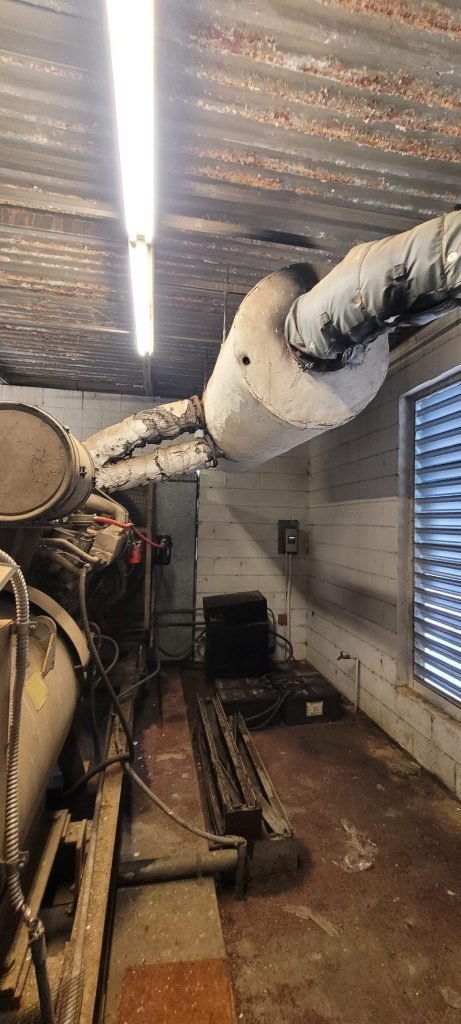
Are you ready to boost your diesel generator’s efficiency and safety? Installing a diesel generator exhaust system might sound like a daunting task, but it’s easier than you think.
Your generator’s performance and lifespan significantly depend on a well-installed exhaust system. Imagine minimizing noise, maximizing power, and ensuring clean emissions—sounds great, right? This guide will walk you through each step, simplifying the process and empowering you to take control.
You’ll discover tips and tricks that even seasoned pros swear by. Don’t miss out on transforming how your generator operates—let’s dive in and make your setup the best it can be!
Selecting The Right Exhaust System
Choose an exhaust system that matches your generator’s power needs. Each generator has a specific power output. The exhaust must handle this output efficiently. Check the manufacturer’s guide for details. A mismatch can cause poor performance. It might even damage the generator.
Measure the space where the exhaust will fit. Some spaces are tight. Others might be more open. The exhaust should fit comfortably. A cramped exhaust can cause overheating. Check for obstacles like walls or equipment. Plan the installation path carefully.
Consider how the exhaust affects the environment. It should not release harmful gases. Use exhausts with filters to reduce pollution. Some areas have strict rulesabout emissions. Make sure the exhaust complies with local laws. This keeps the air clean and safe.

Credit: hmhmechanical.com
Safety Precautions
Diesel generators can be dangerous. They release harmful gases. Carbon monoxide is a silent killer. It has no smell or color. Electrical hazards can cause shocks. Hot parts can burn skin. Understanding these risks keeps you safe.
Wear the right gear. Safety goggles protect your eyes. Gloves keep your hands safe. Ear protection blocks loud noises. Safety boots shield your feet from heavy objects. Always use this gear while working.
- Know where the fire extinguisher is located.
- Have a first aid kit handy.
- Keep emergency numbers nearby.
- Practice evacuation routes regularly.
These steps help in emergencies. Always stay prepared and alert.
Tools And Materials Needed
A few tools are needed for installing a diesel generator exhaust system. You need a wrench to tighten bolts. A screwdriver helps with screws. Drills might be necessary for making holes. Measuring tape ensures accuracy. Safety gloves protect your hands. Safety goggles are crucial for eye protection. Keep a ladder handy if needed.
- Exhaust pipe
- Clamps
- Brackets
- Flexible joints
- Insulation material
- Sealant
Consider using a heat shield for extra protection. A noise reducer can make the generator quieter. Vibration mounts help in reducing vibrations. A carbon monoxide detector ensures safety. Extra lighting might be helpful in dark areas.
Preparing The Installation Area
Check the area for any dangers. Look for wires or pipes nearby. Ensure the ground is firm and level. A safe spot helps in smooth installation. It’s crucial to avoid risky zones.
Remove any items blocking the space. Move furniture, boxes, or tools away. Clear pathways make work easier. Ensure there’s enough room for the exhaust system. Safety is key during installation.
Organize your tools and equipment. Keep them within easy reach. Set up a clear area for working. Good lighting helps see everything better. Ensure you have a safe and tidy space.
Installation Process
Installing a diesel generator exhaust system involves attaching the exhaust pipe securely. Ensure proper alignment to avoid leaks. Secure all connections tightly for safety.
Mounting The Exhaust System
The exhaust system should be mounted firmly. Secure it using brackets or clamps. The alignment must be straight and smooth. This helps in proper airflow. Always check for loose connections. Use a wrench to tighten bolts.
Connecting To The Generator
Connect the exhaust pipes to the generator outlet. Ensure the fit is tight and secure. Use gaskets to prevent leaks. Check if the pipes are of the correct size. This avoids back pressure issues.
Securing Pipes And Components
Secure all pipes to avoid vibrations. Use clamps and brackets for stability. Double-check all connections. Make sure no components are loose. A stable system works efficiently.

Credit: www.specified.works
Testing And Adjustments
Ensure optimal performance by testing the exhaust system for leaks and proper airflow. Adjust components to eliminate noise and enhance efficiency. Regular checks prevent damage and improve generator longevity.
Initial System Check
Ensure all parts are tight and secure. Check for any leaksor loose connections. Listen for unusual noises. They might indicate problems. Look for any exhaust leaks. These can be dangerous. Ensure exhaust is properly ventedaway from people.
Addressing Performance Issues
If the exhaust is too noisy, adjust the muffler. Check for any blockages in the pipe. Ensure the exhaust flowis smooth. If performance is poor, check fuel and air filters. They might need cleaning or replacing. Make sure the exhaust pipe is not bent or damaged.
Final Adjustments
Once checks are done, make final adjustments. Tighten any loose bolts. Ensure all connections are tight. Listen again for any unusual sounds. Check for leaks one last time. Ensure everything is secure and safe. Your generator should now run smoothly.
Maintenance Tips
Ensure proper alignment when installing a diesel generator exhaust system. Secure all joints tightly to prevent leaks. Regularly check for any signs of wear or damage.
Regular Inspections
Inspect exhaust pipes for cracks or damage. Check brackets and mounts for wear. Ensure gaskets and seals are tight. Look for leaks or blockages. Examine muffler for rust or holes.
Cleaning Procedures
Use a soft brush to clean exhaust parts. Wipe with a damp cloth to remove dirt. Clean muffler with a non-abrasive cleaner. Ensure vents are clear. Rinse with warm water after cleaning.
Troubleshooting Common Problems
- Check for strange noises from exhaust.
- Inspect for unusual smoke colors.
- Ensure vibrations aren’t excessive.
- Look for power loss signs.
- Verify temperature is not too high.

Credit: www.specified.works
Frequently Asked Questions
What Are The Rules For Generator Exhaust Pipes?
Ensure generator exhaust pipes are directed away from enclosed spaces. Keep them clear of obstructions and combustible materials. Regularly inspect for leaks or damages. Maintain proper ventilation for safe operation. Follow local regulations and manufacturer guidelines for installation and maintenance.
Can I Install An Exhaust System Myself?
Yes, you can install an exhaust system yourself. Ensure you have the right tools and follow the instructions. Consider safety precautions and consult your vehicle’s manual. If uncertain, seek professional help for best results and to avoid potential issues.
What Is The Best Exhaust Size For Diesel?
The best exhaust size for diesel engines is typically between 3 to 4 inches. This size offers optimal performance and improved airflow. For high-performance applications, a larger diameter may be beneficial, but standard vehicles usually perform well with a 3-inch exhaust.
Always consult vehicle specifications for the best fit.
Can You Put A Muffler On A Diesel Generator?
Yes, you can install a muffler on a diesel generator. A muffler reduces noise levels and enhances operation. Choose a compatible muffler for your generator model for optimal performance. Proper installation by professionals is recommended to ensure safety and efficiency.
Regular maintenance helps prolong the muffler’s lifespan.
Conclusion
Installing a diesel generator exhaust system is straightforward with the right steps. It ensures safe operation and boosts efficiency. Always follow safety guidelines carefully. A well-installed system reduces harmful emissions. It also protects the generator from damage. Regular maintenance is crucial for long-term performance.
Clean the system and check for leaks often. This will extend the life of your generator. Proper installation benefits both the environment and your equipment. Stay safe and enjoy reliable power.