
If you’re venturing into the world of marine adventures or upgrading your vessel, knowing how to install a marine diesel generator is essential. This task might sound daunting, but with the right guidance, you can handle it like a pro.
Imagine setting sail, confident that your power needs are efficiently met, and your journeys are uninterrupted. That’s the peace of mind a well-installed generator offers. In this guide, you’ll discover step-by-step instructions, practical tips, and insights that demystify the installation process, ensuring your investment is secure and your adventures are powered seamlessly.
Ready to transform your vessel’s capabilities? Let’s dive in.
Credit: www.morganscloud.com
Choosing The Right Generator
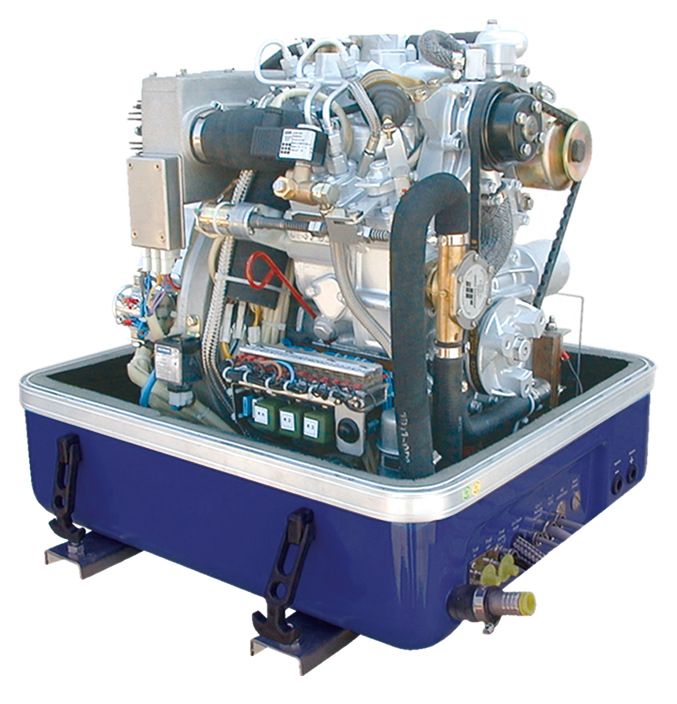
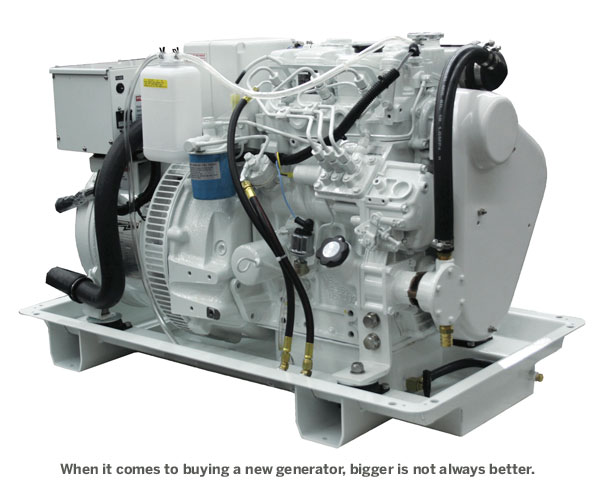
Choosing the right marine diesel generator starts with assessing power needs. Calculate the total wattage of all devices to run. Add extra power for safety and future needs. This helps avoid buying a generator that is too small or too large.
Selecting suitable models depends on size, brand, and noise level. Compact generators fit small boats better. Reliable brands ensure longer life and easier repairs. Quiet models make trips more pleasant.
Considering fuel efficiency saves money and reduces trips to refuel. Check the fuel consumption rate per hour. Choose a model that balances power and fuel use well.
Preparing For Installation
Gather all necessary tools and materialsbefore starting. This includes wrenches, screwdrivers, mounting brackets, fuel lines, and electrical wiring. Having everything ready saves time and avoids interruptions.
Choose a dry and well-ventilated locationfor the generator. Ensure it is close to the fuel source and electrical connections. The spot should allow easy access for maintenance and repairs.
Follow safety precautionsstrictly. Wear gloves and safety glasses. Keep fire extinguishers nearby. Check for fuel leaks and electrical hazards. A safe workspace prevents accidents and damage.
Mounting The Generator
Place the marine diesel generator in a spot with good airflow. Ensure it is near fuel and exhaust lines. The position should allow easy access for maintenance and repairs. Avoid tight spaces that trap heat or block ventilation.
Use sturdy mounts and brackets to secure the generator firmly. These keep the unit stable during rough sea conditions. Strong mounts reduce noise and prevent damage from movement. Make sure all bolts are tight and check them regularly.
Vibration isolation is key to smooth operation. Use rubber or spring isolators between the generator and mounts. These absorb shocks and reduce vibration. Less vibration means less wear and quieter running. Proper isolation also protects the boat’s structure.
Connecting Fuel And Exhaust Systems
Fuel linesmust be installed carefully to avoid leaks. Use marine-grade hosesand clamps. Connect the fuel tank to the generator securely. Keep the lines away from sharp edges and heat sources.
For exhaust venting, use pipes made for marine use. They must be tight and sealed well to stop fumes from entering the boat. The pipe should lead outside and away from any open areas.
Check all connections for leaks. Use soapy water or a leak detection spray. Watch for bubbles which show leaks. Tighten or replace parts if needed. Safety is key to prevent fire or fumes.
Wiring And Electrical Setup
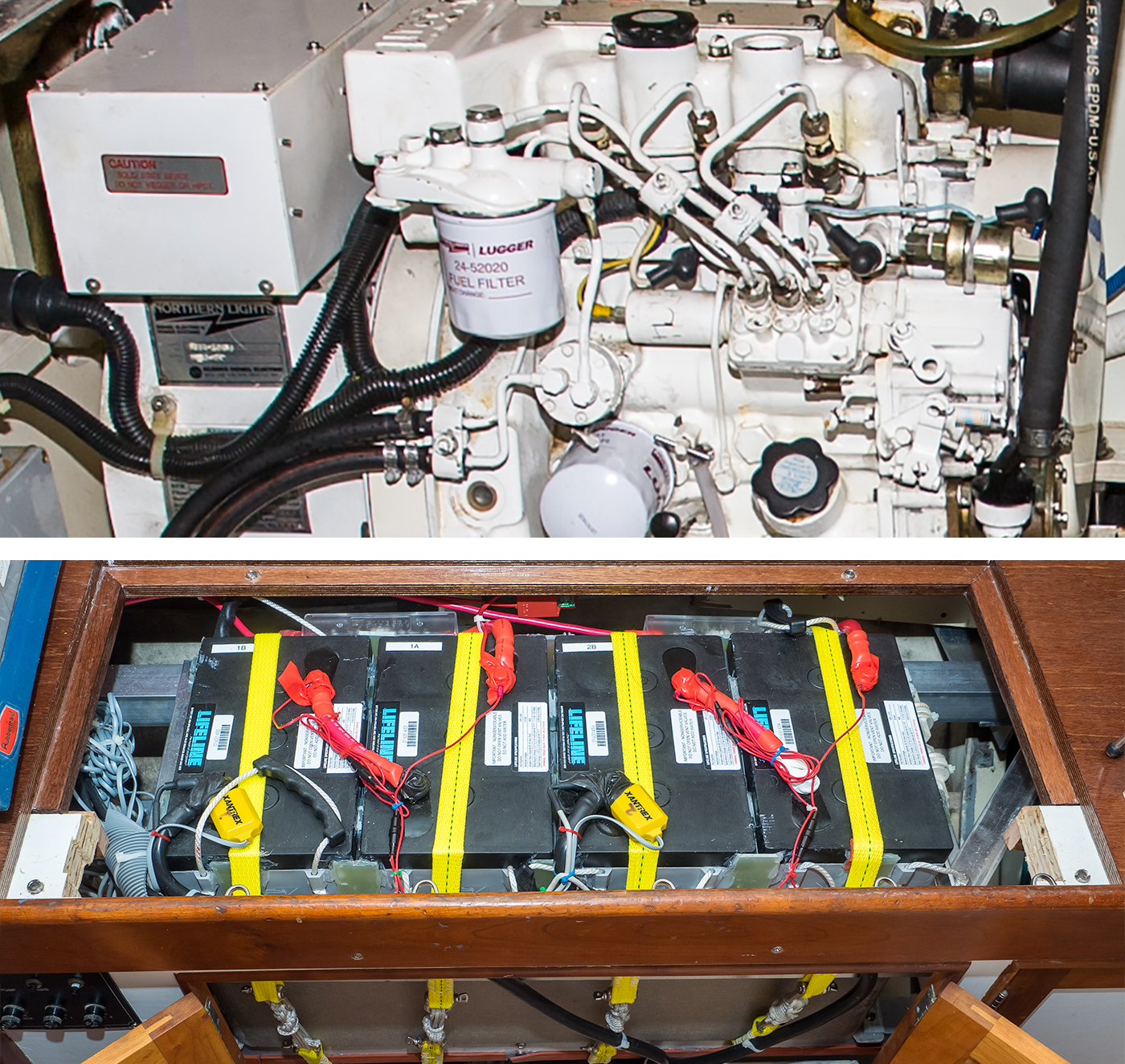
Connect the generatordirectly to the marine battery using thick cables. Use proper terminalsto ensure a firm and safe connection. Check that the battery voltage matches the generator’s requirements.
Install control panelsnear the generator for easy access. Panels should have clear labels and switches for starting and stopping. Make sure wires are neat and securely attached to avoid shorts.
Groundingis essential to avoid electric shocks. Connect the generator frame to the boat’s grounding system using a heavy gauge wire. This helps protect the system and people on board.
Circuit protectionincludes fuses or breakers placed between the battery and generator. These devices stop power surges and prevent damage. Always use the correct rating for your setup.
Initial Testing And Troubleshooting
Start the generator by turning the key or pressing the start button. Listen for smooth engine sounds and steady RPM. Check for any strange noises or vibrations right away. Let the generator run for a few minutes before loading it.
Watch the gauges closely. Monitor oil pressure, coolant temperature, and battery voltage. These readings must stay within safe limits. If any gauge shows a warning, stop the generator and check the problem.
- Fuel issues:Check fuel lines for leaks or blockages.
- Battery problems:Ensure the battery is fully charged and cables are tight.
- Cooling system:Confirm coolant levels are full and no leaks exist.
- Starting failures:Verify the starter motor and ignition system work well.
Maintenance Tips
Regular inspections help spot problems early. Check for leaks, loose bolts, and corrosion. Listen for unusual noises during operation. Keep the generator clean and dry to avoid damage. Make sure all electrical connections are tight and secure.
Fuel and oil management is key for smooth running. Use fresh diesel fuel and store it properly. Change the oil as per the manufacturer’s schedule. Monitor oil levels and top up if needed. Old or dirty oil can harm the engine.
- Replace fuel filters regularly to keep fuel clean.
- Change oil filters to protect the engine parts.
- Check air filters and clean or replace if dirty.
- Use the right filter types recommended for your generator.
Credit: www.morganscloud.com
Credit: powerandmotoryacht.com
Frequently Asked Questions
How Do I Prepare For Marine Diesel Generator Installation?
Prepare by selecting the right generator size and location. Check fuel, ventilation, and electrical connections. Gather tools and safety gear before starting.
What Are The Basic Steps To Install A Marine Diesel Generator?
Mount the generator securely, connect fuel and exhaust lines, wire electrical connections, and test the system. Follow manufacturer instructions carefully.
How To Ensure Safe Marine Diesel Generator Operation?
Regularly inspect fuel lines, electrical wiring, and mounts. Use proper ventilation and follow safety protocols during installation and operation to prevent hazards.
What Maintenance Is Required After Installation?
Perform routine checks on fuel filters, oil levels, and cooling systems. Clean components and test the generator regularly for reliable performance.
Conclusion
Installing a marine diesel generator is a smart choice for reliable power. Follow each step carefully for safety and efficiency. Keep tools and parts ready before you start the work. Regular checks will help keep the generator running well. Proper installation saves time and avoids future problems.
Trust your skills and take your time. Enjoy steady power on your boat for many trips ahead.