
Imagine a storm hits and suddenly, everything goes dark. No lights, no appliances, and no way to charge your phone.
But there’s a hero waiting in the wings: your standby generator. It’s there to keep your home powered, providing the comfort and security you need during unexpected outages. However, just like any superhero, your generator needs regular care to stay in top shape.
You’ll discover simple yet effective tips to maintain your standby generator, ensuring it’s always ready to spring into action when you need it most. Dive in to learn how you can keep your generator running smoothly and avoid costly repairs, giving you peace of mind and uninterrupted power.
Regular Inspection
Regular inspection is key to keeping a standby generator in good condition. Check for leaks, wear, and unusual noises. Schedule routine maintenance to ensure reliable performance during power outages.
Visual Checks
Regularly look at your generator. Check for any visible damage. Look for oil or fuel leaks. Make sure all parts are in place. Check if the wires are tight. Ensure no dirt or debris is on the generator. This keeps your generator safe and ready to use.
Safety Features Testing
Test the safety features often. Make sure the alarm works. Check the automatic shutdown system. Ensure the smoke detector is active. Verify the fire extinguisher is nearby. Keep the area around the generator clear. This ensures safety for everyone.
Routine Maintenance
Regularly inspect the oil and coolant levels in your standby generator. Clean and replace air filters to ensure smooth operation. Test the generator monthly to confirm it starts and runs properly.
Oil And Filter Changes
Changing the oilis important for the generator’s health. Use the right type of oil and change it regularly. The oil filterkeeps the oil clean. Replace the filter to keep the engine smooth. Check the oil level often. Add oil if it’s low. This helps avoid engine problems.
Coolant System Care
The generator needs coolantto keep from overheating. Check the coolant level often. Use the right type of coolant for your generator. Look for leaks in the system. Fix any leaks you find. A working coolant system helps the generator last longer.
Battery Management
Check the battery for any visible damage or leaks. A healthy battery should look clean and tight. Listen for any strange noises when the generator starts. This might mean the battery is weak. Use a voltmeter to measure the battery’s charge level. A good battery should show around 12.6 volts or more. If the voltage is low, consider charging or replacing it.
Inspect all connections and terminals for dirt or corrosion. Dirty terminals can stop the generator from working. Use a brush to clean off any rust or dirt. Make sure all connections are tight. Loose connections can cause sparks. Sparks can damage your generator. Apply a thin layer of grease to prevent further corrosion. Regular checks keep your generator running smoothly.
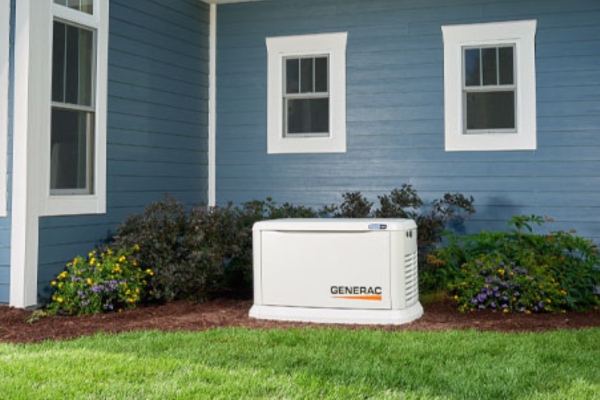
Credit: columbusenergies.com
Fuel System Care
Regularly inspect the fuel system to keep your standby generator running smoothly. Clean the fuel filter and check for leaks.
Fuel Quality Monitoring
Regular checks ensure fuel quality stays high. Poor fuel can damage the generator. Use fresh fuel whenever possible. Old fuel can cause problems. Store fuel in a clean, dry place. Avoid contamination by sealing containers tightly. Check for water in the fuel. Water can cause rust and corrosion. Use fuel stabilizers to keep fuel fresh longer. They help the engine run smoothly.
Leakage Prevention
Leaks can be dangerous and costly. Inspect fuel lines for cracks or wear. Replace damaged lines immediately. Ensure connections are tight and secure. Check seals around the fuel tank. Loose seals can lead to leaks. Clean up spills immediately to avoid hazards. Keep the area around the generator clean. Regular inspections prevent major problems. A little care goes a long way.
Exhaust System Inspection
Corrosion can harm the exhaust system. Check for rust regularly. Look at the exhaust pipes and connectors. Rust can weaken these parts. Weak parts may break easily. Use a flashlight for better visibility. Remove rust with a wire brush. A clean exhaust system works better.
Blockages can stop the exhaust from working. Check for blockages often. Leaves and dirt can clog the exhaust. Clean the area around the exhaust. Clear any debris you find. A clear exhaust system keeps the generator running. Make sure vents are open. Proper airflow is important.

Credit: canadianoffgriddepot.com
Electrical System Monitoring
Regularly check the oil level and coolant of your standby generator. Keep the battery charged and clean. Test the generator monthly to ensure it starts and runs smoothly.
Circuit Breaker Testing
Test circuit breakersregularly. This ensures they work well. Check for signs of wear or damage. Replace any faulty breakers. It’s important for safety. Listen for unusual sounds. Look for any burn marks. These can indicate problems. Circuit breakers keep your generator safe.
Wiring And Connections Inspection
Inspect all wiring and connections. Make sure wires are secure. Loose wires can cause issues. Check for frayedwires. Fix any damaged parts. This prevents electrical faults. Ensure connections are tight. This helps the generator run smoothly. Regular checks are essential.
Exercise The Generator
Generators need regular exercise. Start your generator every month. Let it run for 30 minutes. This keeps parts moving smoothly. It also prevents buildup of moisture. Follow the manufacturer’s schedule for best results. Set reminders to keep track. This will help in emergencies.
Load testing checks your generator’s strength. Run it with a full load. This helps ensure it’s ready for big jobs. Follow safety rules during testing. Never overload the generator. This could cause damage. Always use the right equipment for testing. A generator must handle its full capacity. This test confirms its reliability.
Professional Servicing
Regular maintenance keeps standby generators running efficiently. Check oil levels and filters to prevent engine wear. Inspect fuel lines for leaks and ensure connections are secure.
Hiring Qualified Technicians
Qualified techniciansknow generators well. They check parts carefully. They fix problems quickly. Hiring skilled people is important. It keeps the generator safe. It makes it work better. Always ask for their certifications. Ensure they have experience. This helps avoid mistakes.
Service Record Keeping
Keep a recordof all services. Write down dates and types of repairs. Note who did the repair. This helps track past problems. It shows what parts were changed. This record is useful. It helps plan future checks. It saves time and avoids confusion.
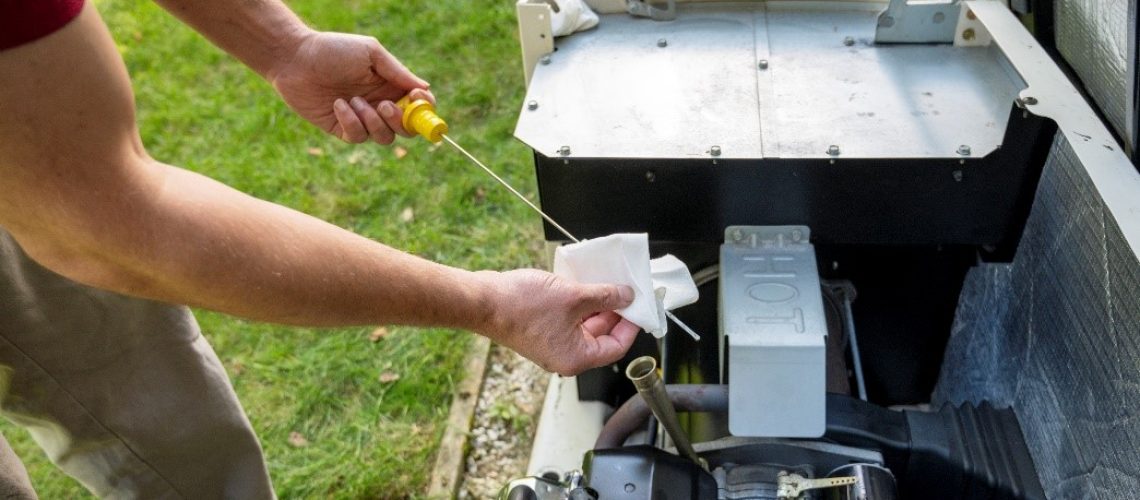
Credit: generatorsupercenterofsavannah.com
Frequently Asked Questions
What Maintenance Does A Standby Generator Need?
Regularly check oil and coolant levels. Inspect and clean the air filter. Test the battery. Perform a visual inspection for leaks and corrosion. Schedule professional annual service for deeper checks.
Can I Do My Own Maintenance On My Generac Generator?
You can perform basic maintenance on your Generac generator, such as oil and filter changes. Always follow the manufacturer’s guidelines and safety precautions. For complex issues, hire a professional technician to ensure proper functioning and avoid warranty voiding. Regular checks help maintain efficiency and extend the generator’s lifespan.
How To Maintain A Generator When Not In Use?
Store the generator in a dry, cool place. Run it every few months to keep it lubricated. Use fuel stabilizer to prevent fuel degradation. Disconnect the battery to avoid drainage. Regularly check for leaks and clean dust or debris.
How Often Should A Generac Standby Generator Be Serviced?
Service your Generac standby generator every 6 to 12 months. Regular maintenance ensures optimal performance and reliability. Check oil levels, filters, and battery condition during each service. Scheduling professional inspections can prevent unexpected breakdowns. Keep track of service records for warranty purposes.
Proper care extends the generator’s lifespan.
Conclusion
Keeping your standby generator in top shape is crucial. Regular checks ensure reliability during outages. Clean the unit to prevent dust buildup. Check oil levels and replace when needed. Inspect the battery and connections regularly. Test the generator monthly for smooth operation.
Follow the manufacturer’s maintenance schedule. These simple steps extend your generator’s life. They also ensure it works efficiently. A well-maintained generator provides peace of mind. It guarantees power when you need it most. Stay prepared with a reliable generator. Your efforts today ensure readiness tomorrow.