Imagine the storm clouds rolling in, the wind picking up, and the rain starting to pour. Your home backup system is your safety net, ensuring that even when the weather turns nasty, you stay powered up and connected.
But what happens if your backup system itself isn’t protected from the elements? It’s a scenario that could leave you in the dark—literally. You rely on your home backup system to keep your life running smoothly during weather emergencies. But protecting it from the wrath of Mother Nature is crucial.
You’ll discover straightforward strategies to shield your backup system from the elements, ensuring it remains reliable and efficient, no matter what the forecast predicts. Keep reading to find out how simple changes can make a big difference in safeguarding your home’s power lifeline.

Credit: www.reasolar.com.au
Choosing The Right Location
Selecting a sheltered spot is crucial to safeguard your home backup system from harsh weather. Consider areas shielded from direct sunlight, rain, and strong winds. These elements can impact system performance and longevity.
Avoid Flood-prone Areas
Floods can damage your backup system. Choose a location that stays dry. Check local flood maps for safe areas. Avoid places with water risks.
Consider Elevation
High places are safer. Elevate your backup system to protect from water. Use sturdy platforms to keep it off the ground. Make sure it’s stable and secure.
Shelter From Wind
Wind can harm your system. Find a spot sheltered from strong winds. Use walls or trees as windbreaks. Keep it away from open spaces.

Credit: manlybattery.com
Weatherproofing Enclosures
Choose strong, water-resistant materials for enclosures. Plastic, stainless steel, and treated wood work well. Ensure materials can withstand rain and snow. Use corrosion-resistant coatings to protect surfaces. This prevents rust and damage over time.
Proper sealing keeps water out. Use rubber gaskets and silicone sealants. Apply sealants at joints and edges. Regularly check seals for leaks. Replace worn seals quickly to maintain protection. A tight seal is key for safety.
Ventilation prevents overheating. Use vents to allow air flow. Position vents to avoid direct rain entry. Check for blockages regularly. Ensure enclosures stay cool and dry. Good ventilation extends system life.
Temperature Control Solutions
Proper insulation keeps your backup system safe. Use foam boards or fiberglass. Both are great for keeping heat away. Foam boards are light and easy to cut. Fiberglass provides strong protection. Wrap pipes and wires too. This prevents freezing and overheating. Always check for gaps or holes. Seal them tightly.
Cooling systems help when it gets too hot. Fans can move air around. They are easy to install. Air conditioners are more powerful. They cool large areas fast. Make sure vents are not blocked. Clean them regularly. This keeps air flowing well. Good airflow is key to cooling.
Heating is important in cold weather. Small heaters can warm specific spots. Keep them away from flammable items. Heat lamps work for small spaces too. They are efficient and safe. Insulated covers can trap heat. Use them for extra warmth. Always monitor temperature levels.
Protection Against Lightning
Protecting a home backup system from weather is crucial for its longevity. Install surge protectors to shield against power surges. Ensure proper grounding to prevent damage from lightning strikes.
Surge Protectors
Surge protectors are important for home backup systems. They guard against voltage spikes. This keeps your equipment safe during storms. Plug devices into surge protectors to shield them. Make sure to check the protector’s rating. Higher ratings offer better protection.
Grounding Systems
A good grounding system is key. It directs excess electricity safely into the ground. This prevents damage to your home. Ensure your home’s grounding system is up to date. Regular checks can prevent future problems. A qualified electrician can help with this.
Lightning Rods
Lightning rods protect buildings from lightning strikes. They attract the lightning and guide it safely to the ground. Install a lightning rod on your roof for better protection. Make sure it’s installed by a professional. This ensures it works correctly.
Monitoring And Maintenance
Protecting a home backup system from weather involves regular checks and maintenance. Secure coverings and waterproof enclosures help shield equipment. Inspect for damages after severe weather to ensure reliability.
Regular System Checks
Check the backup system regularly to ensure its health. Look for any worn-out parts or damage. Fix these issues quickly to keep the system running smoothly. Regular checks help avoid sudden breakdowns. Always keep a checklist for easy tracking.
Weather Alerts
Pay attention to local weather alerts. They help in preparing the system for harsh conditions. Secure the system before storms or heavy rains. Using a weather app can give timely updates. This way, the backup system stays safe.
Backup System Testing
Test the backup system often to ensure it works. Simulate power outages to see the system in action. This practice helps in spotting problems early. Make testing a regular habit. It ensures the system is always ready.
Credit: waynedailynews.com
Emergency Preparedness
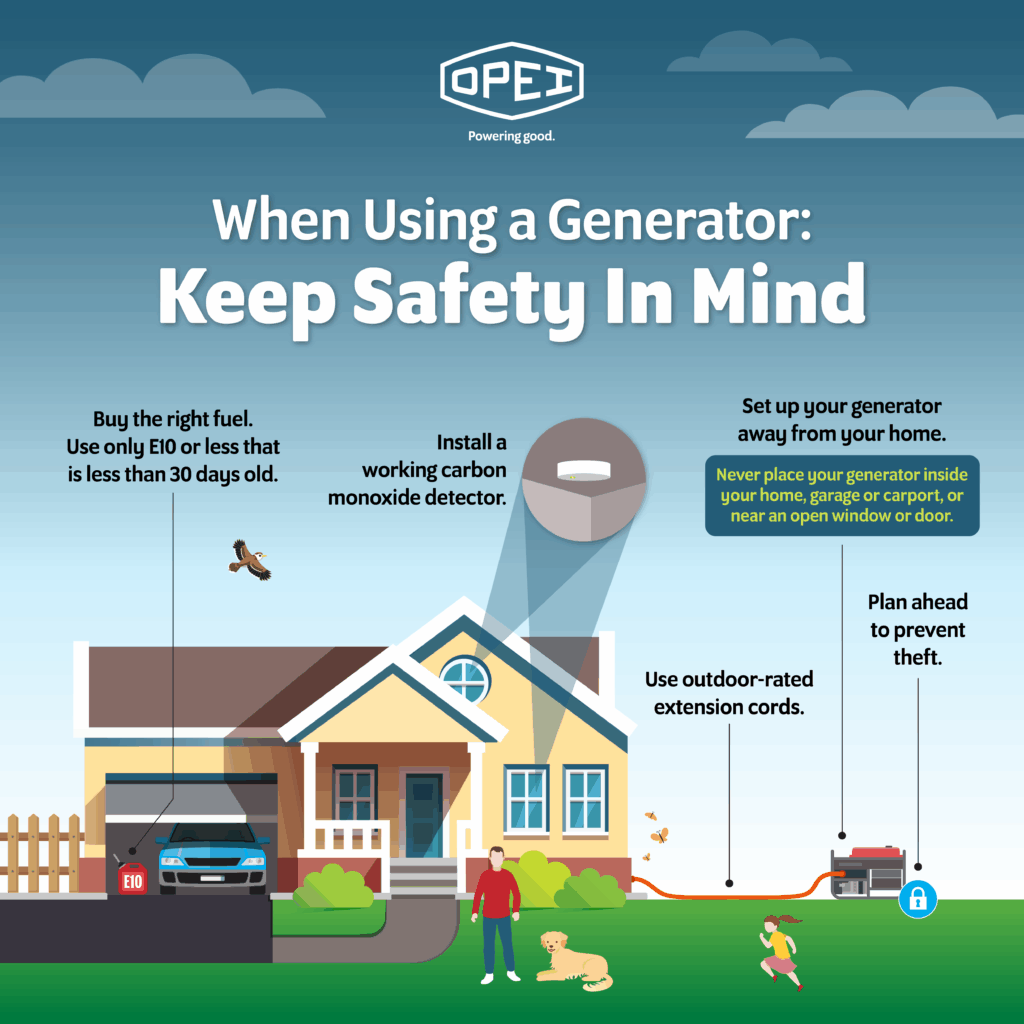
Backup power sources keep lights on during storms. Generators are popular choices. Solar panels and batteries are eco-friendly options. Ensure they are weather-proof. Keep them in a safe place. Regular maintenance is essential. Check connections often. Protect them from water and debris.
Recovery plans minimize damage. Create a list of essential contacts. Include power companies and repair services. Store important documents safely. Keep emergency kits handy. Plan for food and water supplies. Set up a communication system with family. Practice your plan regularly.
Safety protocols protect your home and family. Install surge protectors. Avoid using electronic devices during storms. Keep flashlights and batteries ready. Turn off appliances if the power goes out. Stay away from windows. Listen to weather updates.
Frequently Asked Questions
How Can You Protect Your Home From Storm Surge?
Install storm shutters and reinforce doors and windows. Elevate electrical systems and appliances. Secure outdoor items and seal basement walls. Create a family emergency plan and evacuation route. Stay informed with weather updates.
How To Protect A Home From Hurricane Winds?
Install impact-resistant windows and doors to withstand strong winds. Secure roof and siding with hurricane straps. Trim trees and shrubs to prevent debris. Reinforce garage doors to avoid pressure buildup. Consider storm shutters for added protection.
How Can I Weatherproof My Backup System?
To weatherproof your backup system, ensure it’s housed in a waterproof enclosure. Install surge protectors to guard against electrical surges. Regularly inspect for damage or wear. Consider raising the system off the ground to prevent flooding damage. These steps help in safeguarding your backup system from adverse weather conditions.
What Materials Protect Against Rain Damage?
Use waterproof materials like rubber or plastic covers to shield your backup system. These materials prevent rain from seeping in. Ensure covers are tightly sealed. Regular checks can help identify any damage early. Proper sealing and material choice can significantly reduce rain damage risks to your backup system.
Conclusion
Protecting your home backup system from weather is crucial. Simple steps can save your equipment. Invest in waterproof covers to shield against rain. Keep devices indoors or in sheltered areas. Regular maintenance checks prevent potential damage. Ensure proper ventilation to avoid overheating.
Secure connections to prevent power issues. Use surge protectors to guard against electrical spikes. These measures can help maintain a reliable backup system. A little effort can make a big difference. Stay proactive and safeguard your investment. Keep your system ready to support your home anytime.