
Choosing the right generator extension cord can be a daunting task, especially when you need one that stretches a full 50 feet. With so many options available, how do you make the best choice?
Selecting the right cord is crucial for ensuring safety, efficiency, and reliability in powering your appliances. This guide will help you understand what features to look for, so you can make an informed decision that suits your needs. Imagine having peace of mind knowing that your generator extension cord is not only the perfect length but also safe and durable.
Keep reading to discover the key factors you need to consider and unlock the secrets to finding the ideal 50-foot generator extension cord for your setup.
Cord Length And Gauge
Choosing a 50ft generator extension cordmeans picking the right length. Too short, and the cord won’t reach your generator. Too long, and power can drop. A 50ft cordis a good balance for many uses.
The wire gaugeshows the thickness of the cord’s wires. A smaller number means thicker wire and better power flow. For a 50ft cord, use:
- 12-gaugefor small tools and light power needs.
- 10-gaugefor larger tools or machines.
- 8-gaugefor heavy power tools or long use.
| Wire Gauge | Best Use | Power Capacity (Amps) |
|---|---|---|
| 12 | Light tools, small appliances | 15 |
| 10 | Medium tools, generators | 20 |
| 8 | Heavy tools, long runs | 30 |
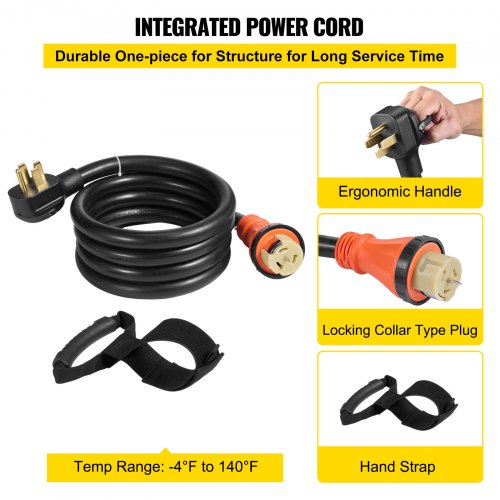
Credit: www.vevor.ca
Power Capacity And Amperage
Choose an extension cord that matches your generator’s power output. The cord must handle the amperageyour generator produces. Using a cord with too low amperage can cause overheatingand damage.
Check the amperage ratingon both the generator and the extension cord. The cord’s amperage rating should be equal or higherthan the generator’s output. This ensures safe and efficient power transfer.
| Generator Output (Amps) | Recommended Cord Amperage |
|---|---|
| 0-15 | 15 or higher |
| 16-20 | 20 or higher |
| 21-30 | 30 or higher |
Choose cords with heavy-duty insulationfor outdoor use. This protects against weather and wear. Never use indoor cords for your generator.
Cord Type And Insulation
Outdoor cordshave thicker insulation to protect against rain and dirt. Indoor cords are lighter and less tough. Using an indoor cord outside can cause electric shock or damage.
Materialslike rubber or vinyl cover the cords. Rubber is flexible and good for cold weather. Vinyl is cheaper but can crack in cold.
Check the cord thickness. Thicker cords carry more power safely. Thin cords can overheat and be dangerous.
| Type | Best Use | Material | Durability |
|---|---|---|---|
| Outdoor | Outside use, wet areas | Rubber or heavy vinyl | High resistance to weather |
| Indoor | Dry, indoor places | Light vinyl | Less tough, not water-proof |

Credit: www.vevor.ca
Plug And Connector Types
Standard plugsare common and easy to find. They fit many devices but may not be secure for generators. Twist-lock plugstwist to lock in place. This keeps the connection safe and steady. They are often used with generators for better safety.
Check the generator outletbefore choosing a cord. The plug must match the outlet shape and size. Using the wrong plug can cause damageor power loss. Some generators have special outlets that need twist-lock cords.
| Plug Type | Use | Compatibility | Safety |
|---|---|---|---|
| Standard | General devices | Fits many outlets | Less secure |
| Twist-Lock | Generators and heavy tools | Matches specific generator outlets | More secure |
Safety Features
Groundingis very important for safety. It helps stop electric shocks. Choose cords with a three-prong plug for proper grounding. Surge protectionguards your devices from sudden power spikes. This feature keeps your equipment safe and working well.
Weather resistancemeans the cord can handle rain, sun, and cold. Look for cords with a durable, thick jacket made of rubber or plastic. Water resistancestops water from entering the cord and causing shorts or shocks. Outdoor cords should have a rating like “W” to show they are safe outside.
- Three-prong plug for grounding
- Built-in surge protector
- Thick, durable insulation for weather
- Water-resistant materials
- Outdoor safety rating (e.g., “W”)

Credit: www.amazon.ca
Portability And Storage
Cord flexibilityis key for easy use and storage. A flexible cord bends without damage. It helps to avoid tangles and kinks. Look for cords made from soft, durable materials. They stay flexible even in cold weather. This makes handling the cord much easier.
Storage solutionskeep your extension cord neat and safe. Use a cord reel or wrap the cord in loops. Avoid tight knots that can harm the wires inside. Store the cord in a dry place to stop rust and wear. Proper storage extends the cord’s life and keeps it ready for use.
Price And Warranty
Choosing a 50ft generator extension cordmeans finding a good balance between price and quality. Cheaper cords may save money but often lack durability. Expensive cords usually offer better materials and safety features. Think about how often you will use the cord. For occasional use, a mid-range option might work well. For regular or heavy use, spend a bit more for reliability.
Warrantymatters. A good warranty shows the maker trusts their product. Look for cords with at least a 1-year warranty. Customer support is also key. Choose brands that answer questions quickly and clearly. This helps if any issues arise after purchase.
Top Brands And Recommendations
Reliable manufacturersfocus on safety and durability. Brands like Southwire, Iron Forge, and Yellow Jacketare known for strong 50ft extension cords. They use thick wires and tough insulation to handle high power loads safely.
These brands offer cords with weather-resistantand heavy-dutyfeatures. This makes them perfect for outdoor use and harsh conditions. Look for cords with grounded plugsand high gauge numbersfor better performance.
| Brand | Model | Features | Gauge |
|---|---|---|---|
| Southwire | SWPC5010W | Weather-resistant, grounded plug | 10 |
| Iron Forge | IFRECORD50FT | Heavy-duty, flexible cable | 12 |
| Yellow Jacket | 2884 | Outdoor use, durable jacket | 10 |
Frequently Asked Questions
What Gauge Cord Is Best For A 50ft Generator Extension?
Choose a 12-gauge cord for most 50ft generator extension needs. It safely handles up to 15 amps and reduces power loss. Thicker gauges, like 10-gauge, are better for higher loads or longer distances. Always match the cord gauge to your generator’s wattage.
Can I Use Any Extension Cord With My Generator?
No, not all cords suit generators. Use heavy-duty, outdoor-rated extension cords designed for generators. They ensure safety, prevent overheating, and maintain power quality. Avoid thin or indoor-only cords to reduce fire risk and voltage drops during operation.
How Do I Prevent Power Loss In A 50ft Extension Cord?
To minimize power loss, select a thicker gauge cord with low resistance. Keep the cord fully uncoiled during use. Avoid using damaged or undersized cords. Proper gauge and length prevent voltage drops and ensure stable power to your devices.
Is A 50ft Extension Cord Safe For All Generator Types?
A 50ft cord is generally safe if it matches the generator’s power output and rating. Check the cord’s gauge and amp rating against your generator specs. Using the correct cord prevents overheating and maintains efficient power delivery.
Conclusion
Choosing the right 50ft generator extension cord matters. Check the cord’s gauge and power rating first. Use a cord that matches your generator’s output. Avoid long cords with thin wires to prevent overheating. Make sure the cord’s plug fits your generator and devices.
Pick a cord with good insulation for safety. Keep cords dry and untangled during use. A proper extension cord helps your generator work well and stay safe. Simple steps lead to a better, safer power connection every time.