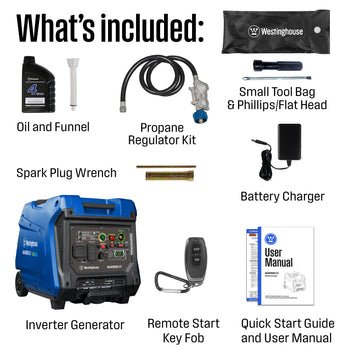
Choosing the right generator sensor kit can seem like a daunting task, but it doesn’t have to be. You’re looking for reliability, efficiency, and safety, and getting the right kit is crucial to ensure your generator runs smoothly.
Imagine the peace of mind knowing your generator is constantly monitored for optimal performance. This guide will walk you through the essential factors you need to consider, so you can make an informed decision with confidence. Let’s dive in and discover how you can select the perfect generator sensor kit tailored to your needs.
You deserve the best, and we’re here to help you find it.
Types Of Generator Sensors
Temperature sensorsmeasure how hot the generator parts get. They help stop damage by alerting when the heat is too high. Common types include thermocouples and resistance temperature detectors (RTDs).
Vibration sensorsdetect unusual shaking or movement. This shows if parts are loose or worn out. Early warnings prevent big problems and costly repairs.
Pressure sensorscheck the pressure inside the generator’s oil or fuel systems. Proper pressure keeps the generator running smoothly and safely.
Speed sensorstrack how fast the generator’s engine or shaft turns. They ensure the generator runs at the right speed for power output and safety.

Credit: westinghouseoutdoorpower.com
Key Factors To Consider
Sensor accuracyis vital for reliable generator performance. Choose sensors with precise measurements to avoid errors. Sensors with low accuracy can cause false alerts or system failures.
Durability and build qualityensure the sensor kit lasts long. Look for kits made with strong materials that resist wear and tear. Good build quality means fewer replacements and repairs.
Compatibility with generator modelsmatters a lot. Not all sensors fit every generator type. Check the sensor kit specifications carefully to match your generator brand and model.
Environmental conditionsaffect sensor function. Select sensors that work well in the temperature and humidity where the generator runs. Weather-resistant or waterproof sensors suit outdoor use best.
Installation And Maintenance
Easy installationsaves time and effort. Choose a sensor kit with clear instructions and simple wiring. Some kits come with plug-and-play connectors. This helps avoid mistakes and speeds up setup.
Calibration keeps sensors accurate. Follow the maker’s guide for initial setup. Regular checks ensure correct readings. Some sensors auto-calibrate, reducing work.
- Clean sensors regularly to remove dust and dirt.
- Check wires for damage or loose connections.
- Test the system after maintenance to confirm it works well.
- Replace parts as needed to keep sensors reliable.

Credit: www.microair.net
Budget And Cost Efficiency
Balancing price and performanceis key when choosing a generator sensor kit. A low-cost kit might save money upfront but could lack accuracy or durability. Spending a bit more often means better quality and fewer replacements.
Consider the kit’s featuresand how well it fits your generator’s needs. Cheaper kits might miss important functions that affect performance.
Long-term cost savingscome from fewer repairs and less downtime. A reliable sensor kit reduces energy waste and maintenance costs. Investing in quality helps avoid extra expenses over time.
Top Brands And Models
Leading manufacturersof generator sensor kits offer reliable and durable products. Brands like Honeywell, Siemens, and Schneider Electricare well-known for quality sensors. These companies provide kits that fit many generator models and meet industry standards.
Popular sensor kitsinclude vibration sensors, temperature sensors, and oil level sensors. These kits help monitor generator health and prevent breakdowns. Choosing a sensor kit depends on the generator type and the needed data.
| Brand | Sensor Types | Key Features |
|---|---|---|
| Honeywell | Temperature, Vibration | High accuracy, easy installation |
| Siemens | Oil Level, Pressure | Durable, wide compatibility |
| Schneider Electric | Voltage, Current | Reliable, real-time data |
Common Mistakes To Avoid
Choosing a sensor kit that fits your generator is very important. Ignoring compatibilitycan cause the kit to not work or damage the generator. Always check if the sensor matches your generator model and power needs.
Sensors have many specificationslike voltage, range, and accuracy. Overlooking these details may lead to wrong readings or sensor failure. Make sure the sensor specs fit your generator’s requirements.
Environmental factorslike temperature, moisture, and dust can affect sensor performance. Neglecting these may shorten sensor life or cause errors. Choose sensors made to handle the conditions they will face.

Credit: westinghouseoutdoorpower.com
Frequently Asked Questions
What Factors Determine The Best Generator Sensor Kit?
The best kit depends on sensor compatibility, accuracy, durability, and ease of installation. Choose one matching your generator’s model and monitoring needs for optimal performance.
How Do Generator Sensor Kits Improve Efficiency?
Sensor kits monitor parameters like temperature and vibration. They help detect issues early, reduce downtime, and optimize generator performance, boosting overall efficiency.
Can I Install A Generator Sensor Kit Myself?
Yes, many kits are user-friendly with step-by-step guides. Basic electrical knowledge helps, but professional installation ensures safety and accurate setup.
Which Sensors Are Essential In A Generator Sensor Kit?
Key sensors include temperature, oil pressure, voltage, and vibration sensors. These monitor critical aspects to maintain generator health and prevent failures.
Conclusion
Choosing the right generator sensor kit protects your equipment and saves money. Focus on compatibility, quality, and ease of installation. Check sensor types and ensure they fit your generator model. Don’t ignore customer reviews and product warranties. Simple steps lead to better performance and fewer issues.
A good sensor kit keeps your generator running smoothly. Take time to compare options before deciding. Your generator deserves reliable sensors for long-term use.