Is your generator ready when you need it most? One of the key parts that often gets overlooked is the battery.
If your generator battery fails, your backup power plan could come to a halt. But how do you know if your battery is still strong or needs replacing? You’ll discover simple, step-by-step ways to test your generator battery yourself. By the end, you’ll have the confidence to keep your generator running smoothly and avoid unexpected power outages.
Keep reading to find out how easy it is to protect your power source and your peace of mind.
Prepare For Testing
Gathering the right tools is key to test a generator batterysafely and accurately. Essential tools include a multimeterto measure voltage, protective glovesto avoid electrical shock, and safety glassesto protect your eyes. A wrenchhelps disconnect battery terminals carefully without damaging them.
Safety comes first. Always work in a well-ventilated areato avoid inhaling harmful gases. Turn off the generatorbefore touching the battery. Avoid wearing loose clothing that could catch on parts. Keep metal objects awayto prevent sparks or short circuits. Double-check that your tools are in good condition and properly insulated.
Inspect The Battery Physically
Look closely at the battery for any corrosion. Corrosion appears as a white, green, or blue powdery substance on the terminals. It can stop the battery from working well. Also, check for cracks, swelling, or leaks on the battery case. These signs mean the battery might be bad or unsafe.
Cleaning the battery terminals helps keep a good connection. Use a mixture of baking soda and water to clean the terminals. Apply the mixture with a brush and scrub gently. Then, rinse with water and dry with a cloth. Make sure the terminals are dry and shinyto keep the power flowing well.
Measure Battery Voltage
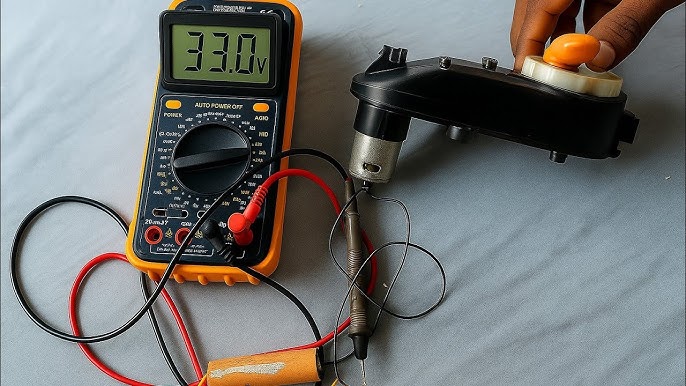
Set the multimeter to measure DC voltage. Connect the red probeto the battery’s positive terminal. Attach the black probeto the negative terminal. Hold the probes steady to get a clear reading.
A fully charged 12V battery should show around 12.6 voltsor more. If the reading is 12.4 voltsor less, the battery may be partially discharged. A reading below 12 voltsmeans the battery needs charging or replacement.
| Voltage Reading (Volts) | Battery Condition |
|---|---|
| 12.6 and above | Fully charged |
| 12.4 – 12.6 | Partially charged |
| Below 12.4 | Needs charging or replacement |

Credit: www.batteriesplus.com
Perform Load Testing
Apply a load to the battery using a suitable load tester or a device that draws power. This simulates real working conditions. It helps check if the battery can hold charge under stress. Keep the load applied for about 10 to 15 seconds.
Monitor the voltage while the battery is under load. Use a voltmeter or multimeter for accurate readings. A healthy battery usually shows a voltage above 9.6 volts during the test. If voltage drops below this, the battery may be weak or failing.
| Voltage Reading | Battery Condition |
|---|---|
| Above 9.6 Volts | Good – Battery holds charge well |
| Below 9.6 Volts | Weak – Battery may need replacement |
Check Battery Electrolyte Levels
Identify the battery typefirst. Some batteries have sealed tops. Others have removable caps for checking electrolyte levels. This step is important for safe handling and proper maintenance.
Check the electrolyte levelinside each cell. The liquid should cover the plates completely. Low levels can cause poor battery performance or damage.
If the electrolyte level is low, add distilled watercarefully. Use only distilled water to avoid contamination. Fill up to the recommended level, but do not overfill. Regular tap water may harm the battery.

Credit: www.youtube.com
Evaluate Battery Charging System
To check the generator output, use a multimeter on the battery terminals. The voltage should be between 13.5V and 14.5Vwhen the generator runs. This range means the battery is charging properly.
Measure the charging voltagecarefully. A reading below 13.5V shows the battery is not charging well. A reading above 14.5V could harm the battery by overcharging.
| Voltage Reading | Condition | Action |
|---|---|---|
| Below 13.5V | Low charging | Check generator or wiring |
| 13.5V to 14.5V | Normal charging | No action needed |
| Above 14.5V | Overcharging | Inspect voltage regulator |
Maintain Battery For Longevity
Keeping the battery clean is key to good performance. Dirt and corrosion block power flow. Use a soft cloth and mild cleaner to wipe the battery terminals. Check for any white or greenish powder and remove it carefully.
Store the battery in a cool, dry place. Avoid spots with direct sunlight or extreme heat. High temperatures can damage the battery’s life. Make sure the storage area is well-ventilated to prevent moisture buildup.
| Storage Tip | Reason |
|---|---|
| Keep battery upright | Prevents acid leaks |
| Remove battery cables | Stops power drain |
| Charge battery before storage | Maintains battery health |
| Check charge monthly | Prevents deep discharge |

Credit: www.renogy.com
Frequently Asked Questions
How Often Should I Test My Generator Battery?
You should test your generator battery every 3 to 6 months. Regular testing ensures it stays charged and reliable. Frequent checks help avoid unexpected failures during power outages.
What Tools Are Needed To Test A Generator Battery?
A multimeter or voltmeter is essential to test a generator battery. These tools measure voltage and state of charge. A hydrometer can also test electrolyte levels in some batteries.
What Voltage Indicates A Healthy Generator Battery?
A fully charged 12-volt generator battery should read around 12. 6 volts or higher. Readings below 12. 4 volts mean the battery needs charging or replacement.
Can I Test A Generator Battery Without Removing It?
Yes, you can test a generator battery in place using a multimeter. Ensure the generator is off and disconnected before testing to avoid electrical hazards.
Conclusion
Testing your generator battery is crucial for reliability. Regular checks prevent unexpected failures. Use a multimeter to measure voltage. Maintain connections for efficient power flow. Listen for unusual noises during operation. Clean terminals to avoid corrosion. A well-maintained battery ensures your generator works when needed.
Simple steps can save you from power outages. Remember, a little maintenance goes a long way. Keep your tools handy and schedule routine checks. Stay prepared and confident. Your generator’s performance depends on it. Happy testing, and may your power always be steady!