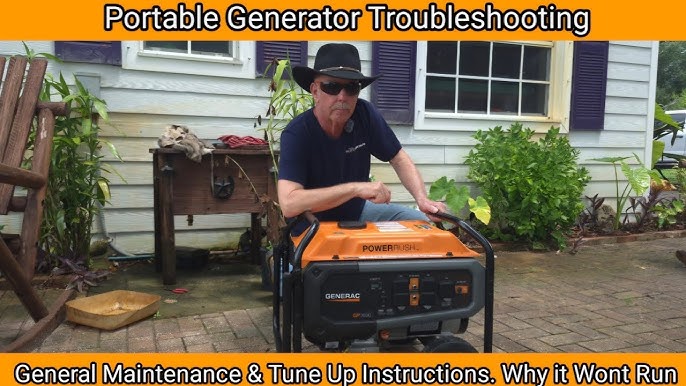
When the power goes out, your standby generator is supposed to be your trusted backup. But what happens when it refuses to start just when you need it the most?
You might feel a mix of frustration and panic. Don’t worry—you’re not alone, and there’s a path to a solution. In this guide, we’ll walk you through the steps to troubleshoot a standby generator that won’t start. Whether it’s a simple fix or something more complex, understanding the root of the problem can save you time, money, and stress.
You’ll discover practical tips and tricks to get your generator up and running in no time, ensuring you’re never left in the dark again. Curious to find out how? Let’s dive in and tackle this challenge together!

Credit: www.reddit.com
Common Causes Of Start-up Issues
Battery issues often cause standby generators not to start. Check connections and charge level first. Fuel problems, like stale or insufficient fuel, also lead to start-up failures. Inspect fuel lines and supply. Clogged filters can restrict air flow, affecting performance.
Regular maintenance helps prevent these common issues.
Fuel Supply Problems
Check the fuel tank. Is there enough fuel? Ensure the fuel linesare clear. Clogged linescan stop fuel flow. Inspect the fuel filter. Replace if dirty. Clean fuel helps the generator start.
Battery Malfunctions
Examine the battery connections. Are they tight? Loose connections can prevent starting. Test the battery charge. A dead battery won’t start the generator. Consider a replacementif the battery is old.
Electrical Connection Faults
Inspect all wiresfor damage. Broken wires can cause issues. Ensure all connectionsare secure. Check the circuit breaker. Reset if tripped. Proper connections ensure power flow.
Oil And Coolant Levels
Verify the oil level. Low oil can stop the generator. Check the coolant level. Insufficient coolant can lead to overheating. Proper levels prevent damage.
Initial Inspection Steps
Look closely at the generator. Check for loose wires or broken parts. Notice any leaks or strange smells. Ensure all connections are tight and secure. A tidy generator often runs better.
Inspect the control panel. Make sure all lights are on. Push buttons to see if they work. Confirm settings are correct. A working panel helps the generator start.
Examine the fuel system. Ensure the fuel tank is full. Check for any blockages in the fuel line. Confirm the fuel is clean and fresh. A well-maintained fuel system is crucial for a generator.
Checking The Battery
Checking the battery is crucial when troubleshooting a standby generator that won’t start. Ensure the battery connections are tight and corrosion-free for optimal performance.
Testing Battery Voltage
Use a multimeterto check the battery voltage. Turn off the generator first. Set the multimeter to voltage mode. Connect the red probe to the positive terminal. Connect the black probe to the negative terminal. The voltage should be around 12.6 volts. If it’s lower, the battery might be weak. A weak battery needs charging or replacement.
Inspecting Battery Connections
Look at the battery connections for any dirt or rust. Clean them if needed. Loose connections can stop the generator from starting. Use a wrench to tighten the connections. Ensure they are snug but not too tight. Check the cables for any damage. Replace damaged cables right away. Good connections help the generator start smoothly.
Fuel System Troubleshooting
Troubleshooting a standby generator involves checking fuel levels and ensuring clean fuel. Examine fuel filters for blockages. Inspect the fuel pump for proper functioning and verify the fuel lines for leaks or clogs.
Inspecting Fuel Lines
Check the fuel lines for any leaks or cracks. Damaged lines can stop fuel flow. Make sure all connections are tight. Loose connections can cause air to enter. Air in lines can prevent the generator from starting. Use a flashlight to see better in dark places. Check for clogs by blowing air through the lines. A clogged line can stop fuel from reaching the engine.
Evaluating Fuel Quality
Old or dirty fuel can cause problems. Check the fuel tank for any debris or water. Water in the fuel can stop the generator. Smell the fuel to see if it is bad. Bad fuel smells sour. If the fuel is bad, drain and replace it. Use a fuel filter to catch dirt. This helps keep the fuel clean and pure.
Examining Electrical Connections
Examining electrical connections is crucial when a standby generator won’t start. Check for loose wires or corroded terminals. Ensure all connections are secure and clean to restore functionality.
Inspecting Wires And Terminals
Check all wires for any signs of damage. Look for cuts or burns on the wires. Make sure all terminals are clean and tight. Loose terminals can cause problems. Use a small brush to clean them if needed. Replace any frayed wires immediately. It’s important to keep connections secure.
Testing Circuit Breakers
Ensure all circuit breakers are in the correct position. A tripped breaker can stop the generator. Reset any tripped breakers carefully. If a breaker keeps tripping, there might be a bigger issue. It could be an electrical fault or overload. Always handle breakers with care. Safety is important.
Oil And Coolant Level Checks
Check oil and coolant levels to ensure the generator can start smoothly. Low levels may prevent proper engine function. Regular maintenance avoids starting issues and prolongs generator life.
Checking Oil Levels
Make sure the generator is turned off. Find the oil dipstick. Pull it out. Wipe it clean with a cloth. Put it back in and pull it out again. Look at the oil level mark. The oil should be between the low and high marks. If it’s low, add more oil. Use the correct type for your generator. Too much oil is bad, too.
Assessing Coolant Levels
Locate the coolant tank. Open the cap carefully. Check the coolant level. It should be near the top. Add coolant if it’s low. Use the right kind of coolant. Don’t mix different types. Close the cap tightly. Never check when the generator is hot. It can be dangerous.
Resetting The Generator
Resetting the generator often resolves startup issues. Ensure the power switch is off, then turn it on again. Check for any loose connections or tripped breakers to restore functionality.
Understanding Reset Procedures
Resetting a generator helps solve minor issues. First, locate the reset button. It is usually near the control panel. Press the button firmly for a few seconds. This clears any error codes. It may restore normal function. Wait for a while before turning the generator on again. A reset does not fix mechanical problems.
When To Perform A Reset
A reset is needed if the generator displays error codes. Try it if the generator fails to start unexpectedly. A reset may help if the generator stops during operation. Always check the manual for specific reset instructions. Follow safety guidelines when performing a reset.

Credit: www.reddit.com
Professional Help And Maintenance
Identify common issues like fuel supply problems or battery failure. Inspect connections and ensure the generator is in neutral. Test the starter motor and check oil levels for smooth operation.
When To Contact A Technician
Generators can be tricky. If the generator won’t start, it’s a sign. Check if fuel is present. Listen for odd noises. Smell for gas odors. If things seem off, it’s time to call a technician. They have tools to fix problems. It’s safer than guessing. Always prioritize safety first.
Regular Maintenance Tips
- Check fuel levels often.
- Inspect wires for damage.
- Clean the air filters regularly.
- Test the generator monthly.
- Read the manual for guidance.

Credit: bestcarehomeservices.com
Frequently Asked Questions
Why Is My Standby Generator Not Starting?
Your standby generator might not start due to battery failure, fuel issues, or faulty spark plugs. Check fuel levels, battery connections, and replace spark plugs if needed. Regular maintenance can prevent these issues. Always consult the user manual for troubleshooting tips specific to your generator model.
What Is The Most Common Reason A Generator Won’t Start?
The most common reason a generator won’t start is a dead battery. Other issues include low fuel, faulty spark plugs, or clogged filters. Regular maintenance can prevent these problems. Always check the oil levels and connections to ensure proper functioning.
What Would Cause A Generac Generator Not To Start?
A Generac generator might not start due to a dead battery, clogged air filter, low fuel, or faulty spark plug. Regular maintenance, including checking connections and fuel levels, is essential. Addressing these issues promptly ensures reliable performance.
Where Is The Reset Button On A Generator?
The reset button on a generator is usually located on the control panel. Check near the start/stop switch or by the circuit breakers. For specific models, consult the user manual for precise location details.
Conclusion
Troubleshooting a standby generator doesn’t have to be complex. Check fuel levels first. Inspect the battery and connections. Look for blockages in the air filter. Consider calling a professional if the problem persists. Regular maintenance helps avoid starting issues. Keep a checklist for future reference.
This ensures quick problem solving. A well-functioning generator provides peace of mind. Power outages become less stressful. Stay prepared and informed. Your generator should start smoothly every time.