
When the storm clouds gather and the winds start howling, the last thing you want is to be left in the dark. Power outages during storms can disrupt your life, but having a home backup generator can be a game-changer.
Imagine staying comfortable and connected while others scramble in the dark. You’re about to discover how to use a home backup generator effectively, ensuring that you and your loved ones remain safe and secure. This guide will walk you through the simple steps to keep your lights on and your devices charged, so you can weather the storm with peace of mind.
Dive in, and let’s make sure you’re prepared for whatever nature throws your way.

Credit: www.ecoflow.com
Choosing The Right Generator
Selecting the best generator ensures reliable power during storms. Consider size, fuel type, and safety features. Proper installation and maintenance enhance performance.
Types Of Generators
Generators are very helpful in storms. There are two main types. Portable generators are easy to move. They work well for small power needs. Standby generators are fixed in one place. They automatically turn on when the power goes out. Standby generators are great for homes. They can power many devices at once.
Power Requirements
Generators have different power levels. It is important to know your home’s power needs. Some homes need more power than others. Make a list of what you need to run. Think about lights, fridge, and other important devices. Choose a generator that can handle all these needs. This ensures your home stays safe during storms.
Installation And Setup
Ensure safe installation and setup of your home backup generator before storms hit. Position it outdoors on a level surface, away from doors and windows. Connect to your home’s electrical system using a transfer switch to prevent backfeeding.
Location Considerations
Choose a safe spot for the generator. Keep it outside the house. It needs to be at least 20 feet away from doors and windows. This avoids dangerous fumes entering the home. Ensure it sits on a flat, stable surface. Avoid placing it near flammable items like dry leaves or paper. A well-ventilated area is best. Also, protect it from heavy rain with a cover.
Professional Installation Tips
Hiring a qualified electrician ensures safety. They know the correct setup steps. Electricians connect the generator to the home system safely. Always check their license before hiring. Experts ensure the wiring is correct. This prevents accidents and fires. They can also teach you how to operate the generator. This makes handling it easier during storms.
Safety Precautions
Ensure proper ventilation to avoid carbon monoxide buildup while using a home backup generator during storms. Keep it dry and away from windows or doors to prevent dangerous fumes from entering your home. Always use heavy-duty, outdoor-rated extension cords for added safety.
Avoiding Carbon Monoxide Poisoning
Carbon monoxide is very dangerous. Generators can produce this gas. Keep the generator outside the house. Place it far from windows. Never use it in a garage or basement. Carbon monoxide detectors are helpful. Install them in your home. They warn you if levels get high. Ensure they have fresh batteries.
Proper Ventilation
Generators need fresh air. This prevents overheating. Set the generator in an open area. Make sure air can flow freely. Avoid placing it near walls or tight spaces. Check the generator for blockages. Keep vents clear. Proper ventilation keeps the generator safe. It also protects your family. Always ensure the exhaust is facing away from home.
Operating The Generator
Operating the Generator Ensure the generator is placed outdoors to prevent carbon monoxide buildup. Connect essential appliances using heavy-duty extension cords. Always follow the user manual for safe operation.
Startup Procedures
Place the generator on a flat, dry surface. Check fuel and oil levels before starting. Plug in the power cords to the generator. Turn the fuel valve to the “on” position. Pull the choke lever to start. Press the starter button or pull the cord. Let the generator run for a few minutes. This ensures it’s working well before connecting appliances.
Load Management
Connect essential appliances first. This includes the fridge and lights. Avoid overloading the generator. Each appliance has a wattage rating. Make sure the total load is within the generator’s capacity. Use a wattage chart if unsure. Unplug non-essential devices to save power. Rotate usage between appliances if needed. This helps to manage the load better.
Maintenance During Storms
Ensure your home backup generator is fueled and ready before storms hit. Position it safely outside to avoid fumes. Connect essentials like lights and refrigerators to maintain comfort and safety.
Routine Checks
Keep your generator in good shape with routine checks. Look for any signs of wear and tear. Check the oil levelsand clean the air filter. Make sure all connections are tight. This helps the generator run smoothly. Always follow the manufacturer’s guidelinesfor maintenance.
Fuel Management
Having enough fuel is very important. Store fuel in safe, approved containers. Make sure the fuel is fresh and ready. Check the fuel level before the storm hits. Keep extra fuel handy in case of long power outages. Never let the fuel tank run dry. This can damage the generator.
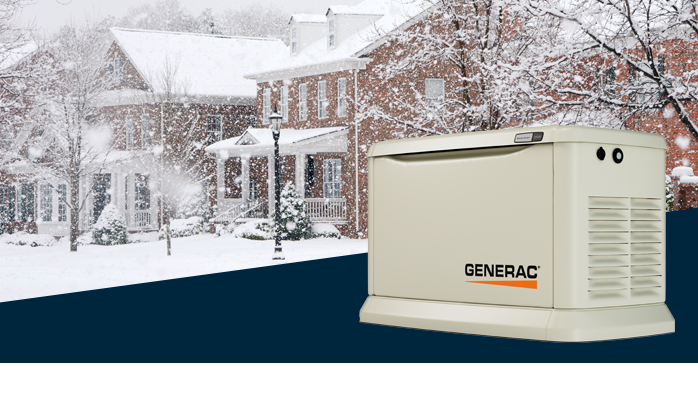
Credit: www.generac.com
Emergency Protocols
Generators can protect homes during storms. They provide power when outages happen. The generator must be set up correctly. Connect it to the main power box. This avoids overloading the system. Surge protectors can help. They stop power spikes from damaging electronics. Always keep fuel nearby. Check the fuel level often.
Handling Power Surges
Power surges can damage devices. Unplug devices that are not needed. Use surge protectors for important electronics. Turn off large appliances during storms. This reduces power usage. It also prevents damage. Keep your generator in good shape. Regular checks are necessary.
Communication Strategies
Communication is important during storms. Keep cell phones charged. Use portable chargers for backup. Text messages work better than calls. They use less power. Inform family about safety plans. Share locations and updates. Radios can help too. They provide news and weather alerts.
Credit: www.upperprovidence.org
Frequently Asked Questions
Can You Use A Generator During A Storm?
Yes, you can use a generator during a storm. Ensure it’s placed outside and away from windows. Use proper extension cords and avoid wet conditions. Following safety guidelines prevents carbon monoxide poisoning and electrical hazards. Always read the manufacturer’s instructions for safe operation.
How To Safely Use A Generator In The Rain?
Use a generator under a canopy or tent to protect it from rain. Ensure all cords are dry and intact. Position the generator on a flat surface away from water pools. Consider using outdoor-rated extension cords. Always follow manufacturer’s guidelines for safe operation.
When Should You Not Use A Generator?
Avoid using a generator indoors or in enclosed spaces due to carbon monoxide risks. Keep it dry to prevent electrical hazards. Don’t use it near open flames or flammable materials. Ensure it’s properly grounded to avoid shocks. Avoid overloading to prevent damage and potential fire hazards.
How To Use A Generator For A House During Power Outage?
Plug the generator into a transfer switch to safely supply power. Keep it outside to avoid exhaust fumes. Use heavy-duty extension cords for appliances. Ensure it’s properly grounded. Refuel it when off and cool. Follow the manufacturer’s instructions for usage and maintenance.
Conclusion
Using a home backup generator keeps your family safe during storms. It’s important to know how to operate it correctly. Always follow safety guidelines to prevent accidents. Keep the generator in a dry and well-ventilated area. Check fuel levels and connections regularly.
Plan ahead and have extra fuel and oil ready. This ensures your generator runs smoothly when needed. Stay prepared. Stay safe. Your home and loved ones depend on it. Remember, a little preparation goes a long way.