
Imagine the power suddenly goes out, leaving your home in darkness and your essential appliances useless. It’s a scenario you might have faced before, and it’s far from convenient.
But what if you could keep the lights on and the fridge running without breaking the bank? You can do this with a standby generator for partial home backup. In this guide, you will learn how to harness the power of a standby generator to keep your home running smoothly during an outage.
Picture the peace of mind you’ll have knowing that life can continue uninterrupted, even when the grid fails. Let’s dive in and discover how you can make your home resilient with just the right setup.
Choosing The Right Standby Generator
List all essential appliances in your home. Decide which need power during outages. Calculate their total wattage. This helps determine your generator’s size. Include refrigerators, lights, and heaters. Each appliance uses different watts. Check each one carefully.
Generators come in different sizes. Choose based on your home’s needs. A small home needs less power. A larger home needs more. Match the generator to your list. Make sure it can handle your total wattage. This avoids overloading the generator.
Generators use different fuels. Common types are gasoline, diesel, and propane. Gasoline is easy to find. Diesel engines last longer. Propane burns cleaner. Choose fuel based on availability. Consider storage and safety. Each has pros and cons. Pick what suits your home best.
Installation Process
Choose a safe spot for the generator. It should be outside. Keep it away from windows and doors. Ensure good airflow around the generator. Avoid placing it near trees or fences. Make sure the ground is level and stable. This helps the generator work well and stay safe.
Professionals know the best way to install generators. They ensure everything is safe and correct. DIY installation saves money, but it can be tricky. Mistakes can cause problems later. Think about your skills before choosing. Safety is the most important thing.
Check local rules before starting. Some places need permits for generators. Follow all regulations to avoid fines. It’s important to keep everyone safe. Ask local authorities for guidance. They can help with the permit process.
Connecting To Home Electrical System
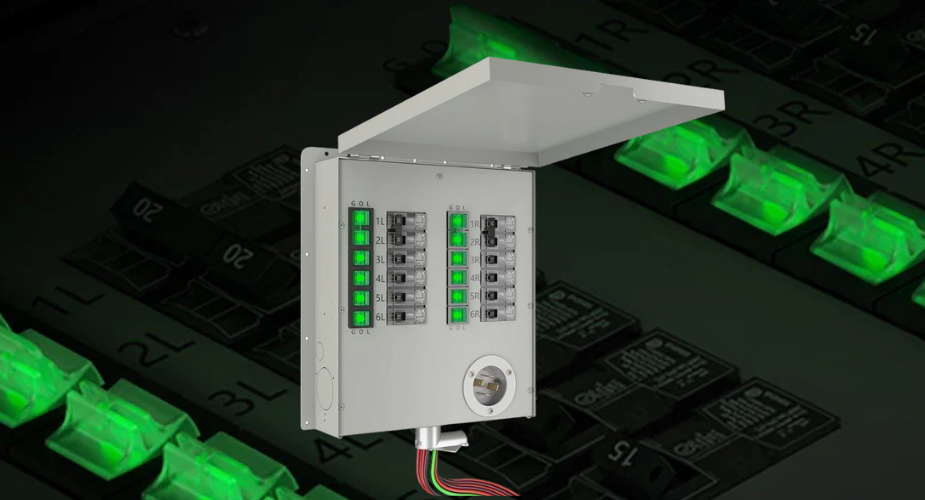
Choose a transfer switch to connect your generator. There are two types: manual and automatic. The manual switch needs you to flip a switch. The automatic switch does it by itself. Automatic is easier but costs more. Decide which fits your needs and budget. Both switches keep your home safe.
Use the right wires for your generator. Thick wires work best. They carry electricity safely. Keep wires away from water and heat. Always wear rubber gloves when handling wires. Turn off the main power before connecting anything. This stops accidents. Safety first!
Test the connection after setting up. Start the generator. Check if lights and devices work. Listen for any strange noises. If something seems wrong, turn off the generator. Fix issues before using it again. Testing ensures everything works well.
Maintaining Your Generator
Using a standby generator for partial home backup ensures essential appliances stay powered during outages. Regular checks and maintenance keep it reliable. Always follow the manufacturer’s guidelines for safe operation.
Routine Inspection
Check the oil level regularly. Look for any fuel leaks around the generator. Inspect the battery connections to ensure they are tight. Examine the air filter to see if it’s clean. Listen for any strange noises when the generator runs. Make sure the cooling system is working well.
Regular Servicing
Change the oil every few months. Replace the air filter as needed. Test the battery to ensure it’s charged. Clean the spark plugs to prevent misfires. Flush the fuel system to remove dirt and water. Tighten all bolts and screws to avoid loose parts.
Troubleshooting Common Issues
- Generator won’t start: Check the battery and fuel level.
- Power output is low: Inspect the air filter for dirt.
- Generator overheats: Ensure the cooling system is clear.
- Strange noises: Check for loose parts or debris.
- Fuel leaks: Tighten connections and check hoses.
Optimizing Generator Use
Optimize generator use by powering essential home appliances during outages. Connect only necessary circuits to avoid overloads.
Prioritizing Essential Appliances
Choose appliancesthat are most important for daily life. Focus on the refrigerator, lights, and heating systems. These keep your home safe and comfortable. Avoid using high-energy devices like ovens or dryers. This helps save power for essential needs. Keep a list of priority appliancesfor easy reference.
Energy Efficiency Tips
Use appliances with low energy consumption. Turn off unused devices to save power. Use LED bulbs; they consume less energy. Limit the use of high-energy appliances during generator use. This extends the generator’s fuel and reduces costs. Regular maintenance ensures the generator runs efficiently. Clean filters and check oil levels often.
Load Management Strategies
- Calculate total energy needs before using the generator.
- Distribute load evenly to avoid overloading.
- Use appliances in shifts, not all at once.
- Monitor energy usage with a smart meter.
- Balance load to maximize generator efficiency.
Credit: teslamotorsclub.com
Safety Precautions
Ensure your generator is installed outdoors to prevent carbon monoxide buildup. Use proper extension cords with the correct wattage rating. Regularly inspect and maintain the generator to ensure its safe operation.
Carbon Monoxide Risks
Carbon monoxideis a dangerous gas. It is invisible and has no smell. Generators can produce carbon monoxide. Keep the generator outside. Place it away from windows and doors. Never run it inside your home or garage. Use a carbon monoxide detector. It can alert you to danger.
Weather And Environmental Considerations
Generators must stay dry. Rain can damage them. Use a canopy or cover. Keep it stable on flat ground. Wind may affect its operation. Make sure it is secure. Avoid using during storms. Lightning is dangerous for generators.
Emergency Protocols
Plan how to use your generator. Know what appliances you need most. Have extra fuel ready. Keep a flashlight nearby. Ensure everyone knows how to start it. Teach them to turn off in emergencies. Safety comes first always.
Cost Considerations
Buying a standby generator needs a good budget. These generators are not cheap. The cost depends on the size and power. Bigger homes need bigger generators. This means more money. But the peace of mind is worth it. Always compare prices before buying.
Generators need fuel to work. This can be diesel or gas. Fuel costs money every month. Also, regular maintenance is important. This keeps the generator running well. Maintenance can cost a little extra. But it helps avoid big repairs.
In the long run, a generator saves money. Power cuts can spoil food in the fridge. This costs a lot. With a generator, food stays safe. Also, no need to spend on hotels during outages. Staying home is always cheaper.

Credit: solarsme.com
Credit: naturesgenerator.com
Frequently Asked Questions
What Are The Disadvantages Of A Standby Generator?
Standby generators can be expensive to purchase and install. They require regular maintenance and fuel supply. Noise pollution may be an issue, disturbing neighbors. Limited runtime can also be a drawback during prolonged outages. Fuel storage poses safety risks.
How Long Will 500 Gallons Of Propane Last On A Generac Generator?
A Generac generator running on 500 gallons of propane can last about 7 to 10 days. Duration depends on the generator’s load and efficiency. Check the generator’s specifications for exact consumption rates. Regular maintenance ensures optimal performance and fuel efficiency.
How Do You Hook Up A Portable Generator To Run Your Whole House?
Connect a portable generator to a transfer switch installed near your main electrical panel. This ensures safety and efficiency. The transfer switch distributes power to selected circuits, avoiding overload. Always follow local codes and consult a professional electrician for installation.
What Size Generator Will Run A Normal House?
A 7,500 to 10,000-watt generator typically powers essential home appliances and lights during outages. Ensure it supports your HVAC and refrigerator. Consult an electrician for precise needs and check generator features for efficiency. Regular maintenance extends its lifespan and guarantees reliability during emergencies.
Conclusion
Using a standby generator ensures your home stays powered during outages. It supports essential appliances, keeping daily life uninterrupted. Choose the right size generator for your needs. Install it safely and test it regularly. This guarantees it’s ready when needed.
Proper maintenance extends its lifespan. Always follow the manufacturer’s guidelines. Safety comes first. Store fuel safely and keep the generator outside. Ventilation is crucial to prevent carbon monoxide buildup. With these steps, your standby generator provides reliable backup. Power outages are no longer a major concern.
Stay prepared and enjoy peace of mind.