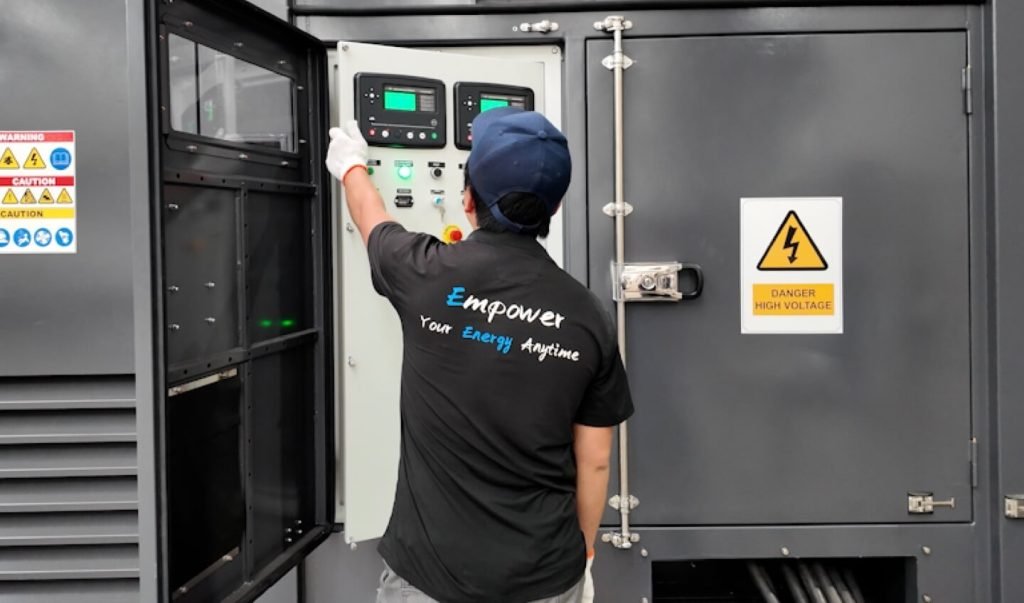
Imagine this scenario: the power goes out during a storm, and your trusty standby generator springs into action. But instead of humming smoothly, it sputters and stalls, leaving you in the dark.
Frustrating, right? Standby generators are lifesavers during power outages, but like any machine, they can run into problems. If you’re relying on one to keep your home or business running, knowing the most common issues can save you time and stress.
This article will guide you through the typical hiccups you might face with your standby generator, and how to tackle them effectively. Stay with us to ensure you’re never caught off guard when you need your generator the most.
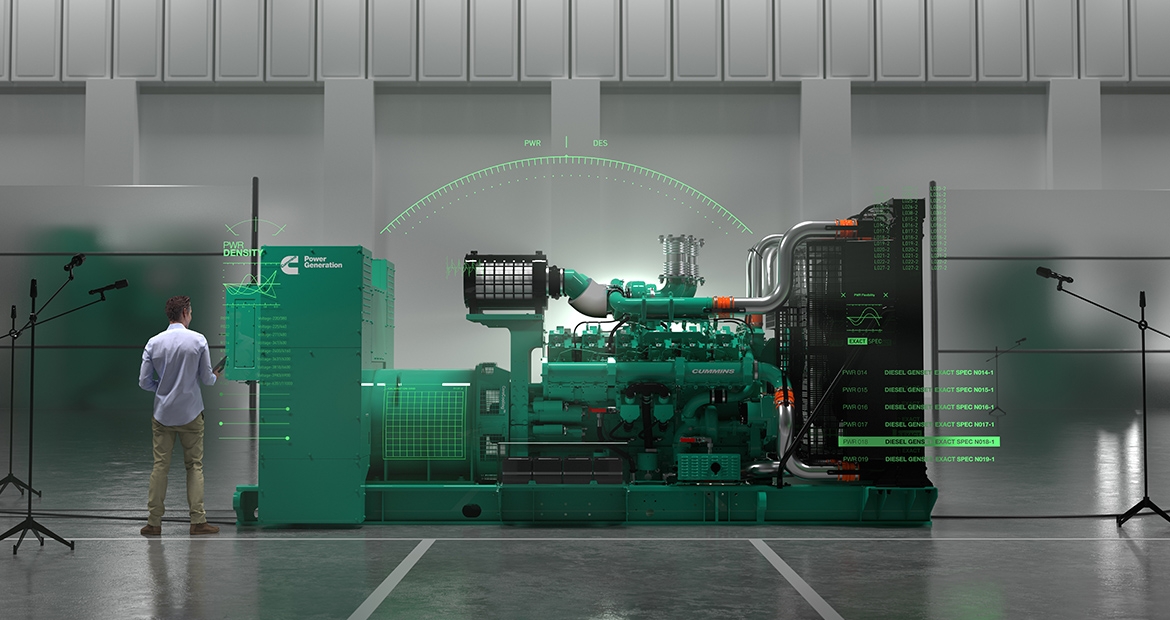
Credit: shanhuagenerators.com
Common Fuel Issues
Dirty fuel filters often cause generator problems, leading to engine stalling or failure. Clogged fuel lines can restrict the flow, making it hard to start the generator. Water contamination in fuel tanks is another common issue that affects performance and can damage the engine.
Contaminated Fuel
Fuel can get dirty over time. Water and debris may mix with it. This makes the fuel bad for the generator. Bad fuel can clog the engine. It may cause the generator to stop working. Regular checks are important. Clean fuel keeps the generator running well. Change fuel if it looks dirty. Clean tanks and filters often to avoid contamination.
Fuel Leaks
Fuel leaks can be dangerous. They waste fuel and money. Check for leaks around the generator. Look for wet spots or smells. Fix leaks quickly to prevent more damage. Tighten any loose parts. Replace damaged hoses or seals. Ensure the fuel system is secure. Regular maintenance helps find leaks early. Safe generators mean safe homes.
Battery Failures
Generators need strong batteries to start. Sometimes batteries just stop working. This is called a dead battery. A dead battery won’t let the generator start. This can be a big problem. Regular checks can help. Make sure the battery is charged. Keep spare batteries ready. This helps avoid trouble during power cuts.
Corrosion looks like white or green stuff on battery parts. It stops the battery from working well. Corrosion can make the battery weak. Cleaning the battery can help. Use a brush to remove the corrosion. Be gentle and careful. Check for corrosion often. This keeps the generator ready to work.
Electrical System Malfunctions
The circuit breakerprotects the generator from electrical damage. It trips when there’s too much electricity. This can happen due to overloading or short circuits. Regular checks can prevent issues. Ensure the load is within safe limits. Replace faulty breakers immediately.
Faulty wiringcan cause generator problems. Loose or damaged wires may lead to power loss. Inspect wiring for wear and tear regularly. Look for frayed or exposed wires. Call a professional for repairs if needed. Safe wiring ensures the generator runs smoothly.
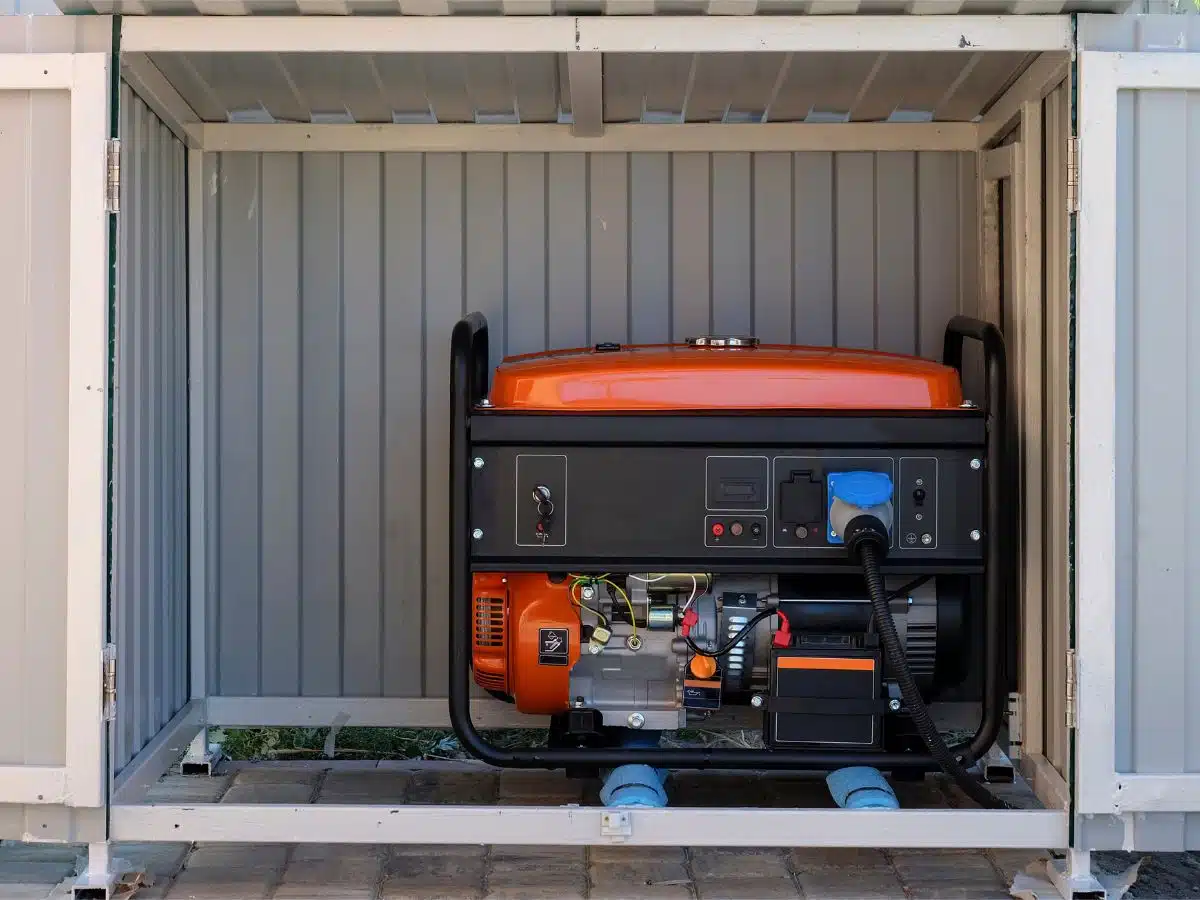
Credit: flpowersolutions.com
Cooling System Problems
Cooling systems in standby generators often face issues like clogged filters and coolant leaks. These problems can lead to overheating and reduced efficiency, affecting generator performance. Regular maintenance helps in identifying and resolving these common issues promptly.
Overheating
Generators can get too hot. Overheating causes parts to wear out fast. It can damage the engine. Fans must work well to keep the generator cool. Dirty air filters can block airflow. Cleaning filters helps the cooling system. Blocked vents also cause overheating. Check vents for dust or debris.
Coolant Leaks
Coolant keeps the generator from getting hot. Leaks can reduce coolant levels quickly. Low coolant levels can cause overheating. Cracked hoses can lead to leaks. Tightening hoses might stop some leaks. Worn-out gaskets can also cause coolant to escape. Replacing old gaskets can fix this problem.
Oil And Lubrication Issues
Standby generators need oil to run smoothly. Low oil levels can cause the engine to stop working. Always check the oil before using the generator. Use the dipstick to see the oil level. If it’s low, add more oil. Keep spare oil bottles handy. This ensures the generator runs well.
Oil leaks are a common problem in generators. They can make a mess and waste oil. Check for leaks around the engine. Look under the generator for oil spots. Tighten loose parts to stop leaks. Replace any broken seals if needed. Keeping the generator clean helps spot leaks early.
Start-up Failures
Generators may start slowly due to cold weather. Cold makes the engine sluggish. Batteries lose power in cold. Fuel lines can freeze. Ensure the battery is charged. Keep fuel lines warm. Regular maintenance helps prevent slow starts.
Generators might not start because of low fuel. Fuel can evaporate or leak. Check fuel levels often. Dead batteries cause start failures. Replace old batteries regularly. Clogged filters stop air flow. Change filters to fix the problem. Loose wires can halt operation. Tighten all connections for smooth running.
Maintenance Neglect
Neglecting maintenance can lead to fuel contamination, battery failure, and clogged filters in standby generators. These issues often cause unexpected breakdowns, leaving homes and businesses without power during critical times. Regular check-ups are essential to ensure reliability and efficiency.
Infrequent Servicing
Generators need regular check-ups to work well. Skipping these checks can lead to big problems. Oil and filters must be changed often. Old oil can harm the engine. Dirt in filters blocks air. This can make the generator fail. Parts wear out if not looked at. Worn-out parts can break. Fixing them early saves money. Regular service keeps the generator ready to use.
Ignoring Warning Signs
Generators give warnings when something’s wrong. Ignoring these signs can be risky. Strange noises mean parts might be loose. Bad smells may mean fuel leaks. Smoke from the exhaust is not normal. This can mean engine trouble. Lights on the panel can show errors. Read these lights carefully. Fix problems when signs appear. This helps avoid bigger issues later.
Weather-related Challenges
Standby generators can struggle in extreme heat or cold. High temperatures may cause generators to overheat. This can lead to shutdowns or damage. Cold weather can cause fuel to thicken. This makes it hard for generators to start. Batteries may also lose power in cold weather. Keeping generators in good condition helps them work better.
Flooding can be a big problem for standby generators. Water can damage electrical parts. This might stop the generator from working. Placing generators on higher ground can help. A sturdy, waterproof cover is also useful. This keeps water away and protects the generator.
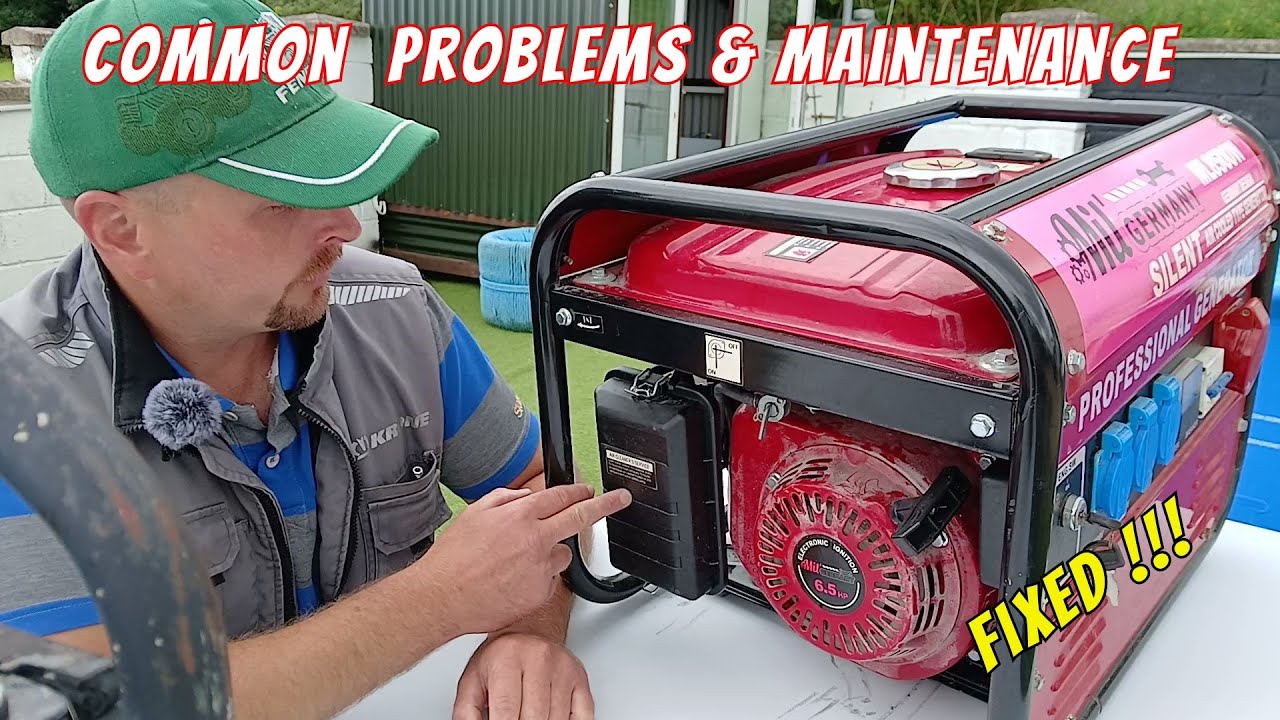
Credit: www.youtube.com
Frequently Asked Questions
What Is The Most Common Generator Failure?
The most common generator failure is due to battery issues. Batteries can become weak or corroded over time. Regular maintenance and timely replacement help prevent this problem. Check connections and charge levels frequently to ensure reliable generator performance.
What Is The Average Lifespan Of A Standby Generator?
Standby generators typically last between 10 to 30 years. Lifespan depends on usage and maintenance quality. Regular servicing extends longevity. Choose reliable brands for better durability. Proper installation also influences lifespan.
How To Diagnose Generator Problems?
Check fuel levels, inspect connections, and test the battery. Examine the exhaust system for blockages. Listen for unusual noises. Use a multimeter to test voltage output. Consult a professional for persistent issues. Regular maintenance prevents common generator problems.
What Are The Problems With Generac Generators?
Generac generators may face issues like frequent maintenance, noise, fuel efficiency concerns, and occasional electrical malfunctions. Some users report difficulty with customer service and warranty claims. Proper installation and regular servicing can mitigate these problems.
Conclusion
Standby generators can face several common problems. Regular maintenance prevents most issues. Check fuel levels and battery health. Keep the exhaust system clear. Listen for unusual noises. Watch for leaks or rust. Test the generator periodically. Professional inspections ensure reliability.
Address small problems early. Avoid unexpected breakdowns. Keep your home safe during outages. Understand your generator’s needs. Stay prepared for emergencies. Reliable power is essential. Peace of mind comes with proactive care. Remember, simple checks save time and money.