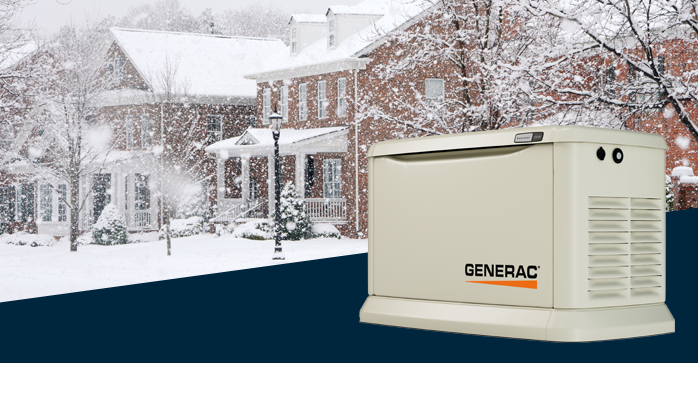
Imagine a storm is raging outside, and you’re counting on your standby generator to keep the lights on and your home running smoothly. But have you ever thought about how to protect that crucial piece of equipment from the very storm it’s helping you weather?
Your generator is a lifeline, and safeguarding it from storms ensures it can perform when you need it most. You’ll discover practical strategies to shield your standby generator from the elements. By the end, you’ll have peace of mind knowing you’re fully prepared to keep the power flowing, no matter how fierce the storm.
Don’t leave your generator vulnerable; read on to learn the simple steps you can take to protect your investment and secure your home.

Credit: www.instagram.com
Choosing The Right Location
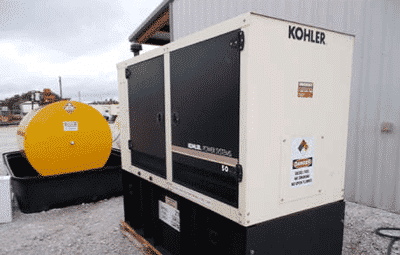
Place the generator at a safe distancefrom buildings. This reduces the risk of damage. Keep it away from windows and doors. It should be at least 20 feet away. This prevents fumes from entering homes. Ensure there’s enough space for air to flow. This keeps the generator cool and safe.
Position the generator on higher ground. This protects it from floods. Water can damage the generator. Use a sturdy base to lift it up. Concrete pads work well. Make sure the ground is firm and level. This helps the generator stay stable during storms.
Credit: woodstockpower.com
Securing The Generator
Anchoring a generator is very important. It keeps it safe during storms. Use strong bolts to secure it to the ground. Concrete slabs work well as a base. They prevent the generator from tipping. Make sure the bolts are tight. This helps in heavy winds. Regular checks ensure everything stays secure. If you notice loose bolts, tighten them immediately. This simple step can save your generator.
A weatherproof enclosure protects the generator from rain and wind. Look for enclosures made of sturdy materials. Steel or heavy-duty plastic works best. Ensure the enclosure is the right size. It should cover the generator fully. Check for ventilation in the enclosure. This prevents overheating. Proper ventilation is crucial for safety. Regularly inspect the enclosure for cracks or damage. Quick repairs keep the generator safe and dry.
Maintaining Power Connections
Install a surge protector to keep the generator safe. It helps stop power spikes. These spikes can damage your generator. Place the surge protector close to the generator. Make sure it’s connected well. This protects your home during a storm. Always check the surge protector regularly. Replace it if it looks worn out.
Keep cables neat and tidy to avoid accidents. Use zip ties to bundle cables together. This keeps them from tangling. Place cables away from water sources. Water can harm cables and cause short circuits. Cover cables with protective sleeves. This adds an extra layer of safety. Always inspect cables for any wear or tear. Replace damaged cables promptly.
Regular Maintenance Checks
Regular maintenance checks are vital for protecting a standby generator from storms. Inspect wiring, fuel lines, and battery health to ensure reliability during extreme weather.
Inspecting For Damage
Storms can harm your generator. Regular checks can prevent major problems. Look for broken wires and cracked parts. Ensure the cover is secure and undamaged. Check for rust and wear on metal parts. This keeps your generator safe and ready.
Routine Testing
Testing your generator ensures it works well. Run it every month to check performance. Listen for strange noises while it runs. Test the power output to confirm it’s strong. Check fuel levels and refill as needed. Routine testing keeps your generator reliable.
Using Professional Services
Professional services can ensure your standby generator is storm-proof. They offer expert installation and maintenance to protect it. Proper shielding and regular inspections keep your equipment safe and functional during severe weather.
Hiring Certified Technicians
Certified techniciansknow a lot about standby generators. They ensure your generator works safely. They have the right tools and skills. This helps them fix problems fast. Regular checks by certified technicians prevent big issues. They also ensure your generator is ready for storms. Always check their certificationsbefore hiring. This ensures they are trained well.
Scheduled Service Plans
Scheduled service planskeep your generator in top shape. These plans include regular maintenance checks. They ensure that all parts work well. This prevents breakdowns during storms. Service plans also save money in the long run. They catch small issues before they become big. Always choose a plan that fits your needs. Make sure to follow the plan regularly.
Emergency Preparedness
Protecting a standby generator from storms involves strategic placement and shielding. Ensure it’s on elevated ground to avoid flooding. Use weather-resistant covers to guard against debris and rain damage. Regular checks and maintenance will help ensure the generator remains functional during emergencies.
Backup Power Plans
Having a backup power plan is crucial during storms. Standby generators can keep lights and appliances running. Make sure the generator is in good condition. Regularly check fuel levels and connections. Store extra fuel safely away from the generator. Plan how to connect the generator to essential devices. This ensures everything works smoothly when the storm hits.
Supply Kit Essentials
Prepare a supply kit with important items. Include flashlights and batteries. Keep a first aid kit ready. Store bottled water and non-perishable food. Include a manual can opener. Have blankets for warmth. Pack necessary medications and important documents. These items help during emergencies. Keep the kit in a safe, accessible place.

Credit: www.tiktok.com
Frequently Asked Questions
How Do I Protect My Generator During A Storm?
Store the generator in a dry, secure location. Use a weatherproof cover. Disconnect it from power sources. Ensure proper ventilation. Avoid operating it during the storm.
How To Protect A Standby Generator?
Protect a standby generator by installing a weatherproof cover. Perform regular maintenance and inspections. Ensure proper ventilation to prevent overheating. Keep fuel fresh and store it safely. Secure the generator to prevent theft.
Is It Safe To Run A Generator During A Thunderstorm?
Running a generator during a thunderstorm is unsafe. Keep it outdoors, away from windows and doors. Avoid wet conditions to prevent electric shock. Ensure proper grounding and follow manufacturer guidelines. Prioritize safety by using surge protectors and keeping the generator dry.
Where Is The Best Place To Put A Generator During A Hurricane?
Place the generator outdoors, away from windows and doors, to prevent carbon monoxide poisoning. Ensure it’s on stable ground, sheltered from rain and flooding. Keep it at least 20 feet from your home. Use a canopy or tent for extra protection, but maintain proper ventilation to avoid overheating.
Conclusion
Protecting your standby generator from storms ensures long-lasting performance. Start with a sturdy cover to shield it. Elevate the generator to prevent flood damage. Keep it away from windows and doors for safety. Trim nearby branches that could fall during storms.
Regular maintenance checks are crucial. Inspect for any signs of wear or damage. Store fuel safely to avoid hazards. Always follow manufacturer guidelines for optimal care. These simple steps secure your generator against harsh weather. Peace of mind during storms.
Your generator stays ready when you need it most.