Imagine a world where your home never loses power, even during the fiercest storm. Picture a day when your energy bills are a shadow of what they used to be.
These are just glimpses of what a solar home backup system can offer. You might be wondering, is this dream too good to be true? Like any technology, solar home backup systems come with their own set of pros and cons.
Before you dive in, it’s crucial to know what you’re getting into. You’ll uncover the true benefits and potential downsides of going solar for your home’s backup power. By the end, you’ll have a clear picture of whether a solar backup system is the right choice for your energy needs. So, let’s get started on this enlightening journey. Your home’s energy future could depend on it.
Credit: palmetto.com
Benefits Of Solar Home Backup
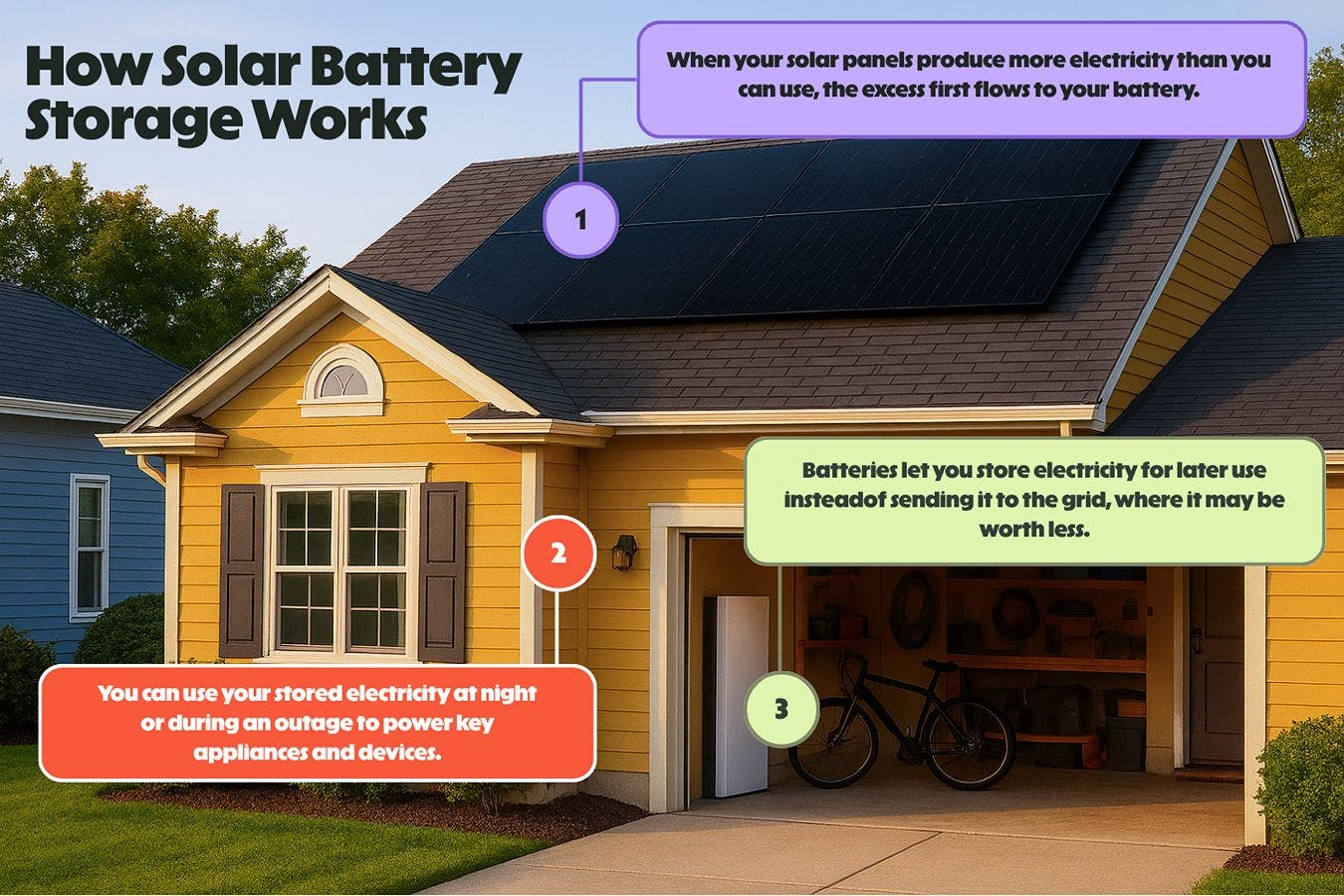
Solar home backup offers reliable power during outages, reducing electricity bills and lowering carbon footprints. Initial costs can be high, but long-term savings make it worthwhile. Maintenance is minimal, ensuring consistent energy flow and peace of mind.
Energy Independence
Solar home backup provides energy independencefrom the grid. You can use the sun’s power to run your home. This means less reliance on traditional energy sources. Solar panels work even during power outages. Enjoy continuous energy without disruption.
Environmental Impact
Using solar power helps the environment. Solar energy reduces carbon footprint and pollution. It is a clean energy source. Solar panels do not produce harmful emissions. This helps keep our air and water clean. Protect nature and wildlife.
Financial Savings
Solar home backup can offer financial savings. It lowers electricity bills. Over time, you save money with solar power. Initial costs can be high, but the savings add up. Government incentives may be available. Long-term benefits are worth the investment.
Challenges Of Solar Home Backup
Solar home backup systems offer energy independence, but they come with challenges. Installation costs can be high, and energy storage capacity may be limited. Weather dependency can affect reliability, making consistent energy supply uncertain during cloudy days.
Initial Costs
Solar panels need a big upfront investment. Not everyone can afford them. Installation and equipment costs can add up. Tax credits help, but not everyone qualifies. Maintenance costs can also surprise homeowners later.
Weather Dependence
Cloudy days affect solar energy production. Rainy or snowy weather reduces efficiency. Solar panels need sunlight to work best. Nighttime means no energy production. Backup systems may need alternative energy sources.
Space Requirements
Solar panels need space. Not every home has enough room. Rooftops must be large and clear. Ground space can also be limited. Shaded areas affect panel performance. Tree cover might need trimming for optimal sunlight.
Technological Advancements
Exploring solar home backup systems reveals both benefits and challenges. They offer renewable energy and reduce electricity bills. Yet, high initial costs and weather dependency can be drawbacks.
Battery Storage Innovations
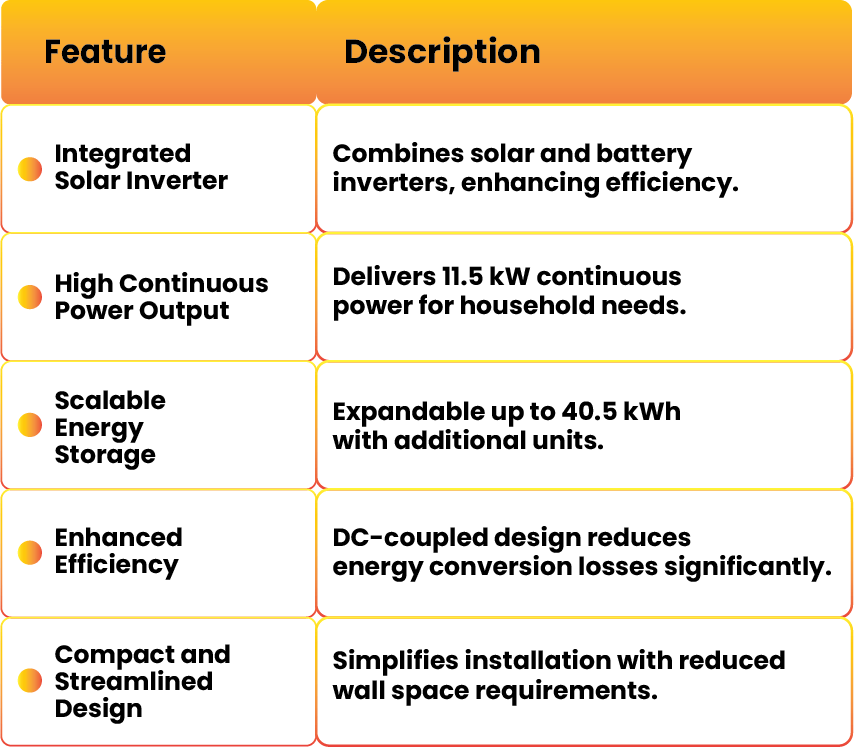
New battery storage options make solar power more reliable. Lithium-ion batteries are widely used for storing solar energy. They last longer and charge quickly. Cost is coming down, making them affordable. Safety features are better now, preventing overcharging and fires. Battery life is also improving. This means less frequent replacements. Efficiency in storing energy has increased. This helps when the sun isn’t shining. More people trust solar because of these innovations.
Smart Grid Integration
Smart grids help manage energy better. They connect homes to the main power supply. This helps when solar energy isn’t enough. Smart meters track energy use in real-time. They help save energy and money. Automation allows for better energy flow. Smart grids adjust when demand changes. Communication between devices is smoother now. This leads to fewer power interruptions. More homes are getting smarter with these systems.
Comparing Solar Backup To Traditional Systems
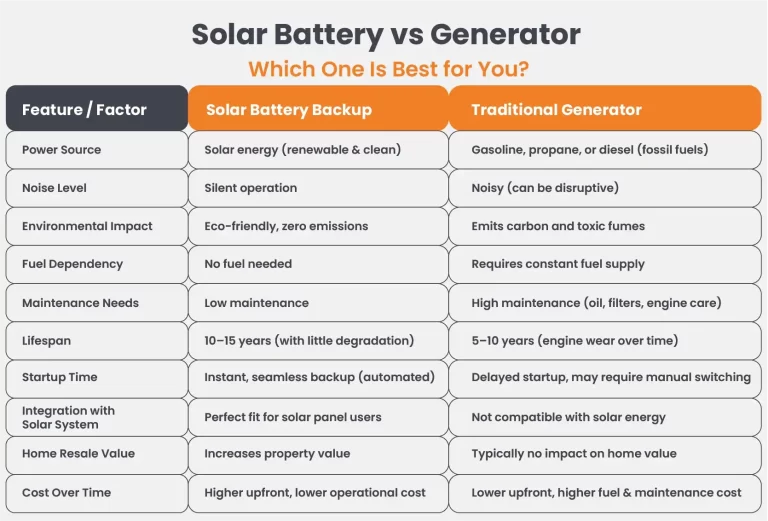
Solar backup systemsdepend on the sun. This makes them less reliable at night or on cloudy days. Traditional systems use fuel or batteries. They work anytime, with or without sun. Solar systems are quiet. Traditional systems can be noisy. Solar panels need sunlight to work best. Traditional systems can work indoors or in any weather. Solar systems have fewer moving parts. This means less chance of breakdowns. Traditional systems may need more repairs.
Solar systems can save money over time. They use free sunlight. Initial costs for solar panels are high. Traditional systems can be cheaper to buy. But they need fuel, which costs money. Solar systems need little maintenance. Traditional systems may need regular checks. Solar systems can lower electricity bills. Traditional systems add to costs with fuel and repairs. Solar power helps the environment. Traditional systems can cause pollution.
Future Prospects
Solar home backup offers renewable energy and reduces electricity bills. Yet, installation costs and weather dependency can pose challenges.
Market Trends
The solar market is growing fast. Many people want clean energyat home. Solar panels are getting cheaper each year. More companies are making solar products. This helps bring more choicesto buyers. Kids learn about solar power in schools. They see it as the future of energy. Solar energy is popular in many countries. New technologies make solar panels more efficient. This means they can produce more energy from the sun.
Government Incentives
Governments give special rewardsfor using solar energy. These rewards are called incentives. They can lower the cost of buying solar panels. Some governments give money back to users. Others lower taxes for solar users. These incentives make solar energy more affordable. Schools and offices also get these rewards. This helps them save on energy bills. More people choose solar because of these rewards. It is a win-winfor them and the environment.
Credit: www.ecoflow.com
Credit: solarsme.com
Frequently Asked Questions
What Are The Two Major Drawbacks To Solar Power?
Solar power’s major drawbacks are its dependency on sunlight and high initial installation costs. Limited sunlight reduces energy production, especially in cloudy regions or at night. High costs deter many from adopting solar technology, though prices are gradually decreasing.
What Is The 20% Rule For Solar Panels?
The 20% rule for solar panels suggests installing panels with 20% more capacity than estimated needs. This compensates for inefficiencies and ensures adequate energy supply, accounting for factors like weather and system losses. It helps optimize performance and reliability in varying conditions.
What Is The Downside Of Solar Panels On A House?
Solar panels can be expensive to install. They may not work efficiently in cloudy regions. Roof aesthetics can be affected. Solar panels require maintenance and cleaning. Energy production depends on sunlight availability.
Is It Harder To Sell A House With Solar Panels?
Selling a house with solar panels can be easier due to energy savings appeal. Buyers appreciate lower utility costs. Some may have concerns about leasing agreements or system maintenance. Ensure clarity on ownership and warranties to enhance buyer confidence and increase the house’s marketability.
Conclusion
Solar home backup offers both benefits and drawbacks. It provides energy independence. Reduces electricity bills. Helps the environment. Yet, initial costs are high. Weather can affect efficiency. Batteries need replacement over time. Still, technology is improving. Consider your energy needs.
Evaluate budget and long-term goals. Weigh the pros and cons. Make an informed decision. Solar backup can be a smart choice. But it requires careful planning. Think about your home’s future energy needs. The decision impacts both finances and sustainability.
Choose wisely for peace of mind.