Imagine this: a storm hits your neighborhood, and suddenly, the power goes out. Your first thought might be about the food in the fridge, the charge on your phone, or the warmth of your home.
This is where a home backup generator becomes not just a convenience, but a necessity. But with so many options available, how do you choose the right one? You’re about to dive into the essential features that will ensure your generator meets your specific needs.
Understanding these key elements will not only provide peace of mind during an outage but can also save you time and money in the long run. Stay with us, and you’ll discover exactly what to look for in a home backup generator to keep your life running smoothly, no matter what.

Credit: www.generac.com
Types Of Home Generators
Selecting the right home backup generator involves checking essential features. Look for fuel efficiency, noise levels, and power output. Consider ease of installation and maintenance.
Portable Generators
Portable generators are easy to move. They are small and handy. These generators are perfect for short power outages. They run on gas or diesel. You can use them for camping too. Always keep them outside for safety. They need regular fuel refills.
Standby Generators
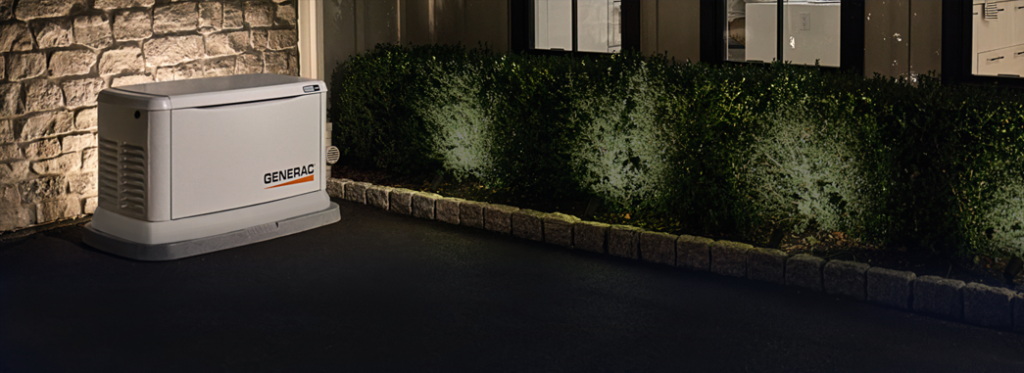
Standby generators are fixed in one spot. They turn on automatically during power cuts. These are connected to home wiring. They use natural gas or propane. They provide power for many hours. They are more costly than portable ones.
Inverter Generators
Inverter generators are quiet and efficient. They change DC power to AC power. Perfect for sensitive devices like laptops. They use less fuel than other types. These generators are compact and easy to carry. Ideal for both home and outdoor use.

Credit: www.jackery.com
Power Output Requirements
Generators make electricity. Wattage tells how much power a generator makes. Small devices need less wattage. Big devices need more. Refrigerators and air conditioners use a lot of power. Check labels on devices. Find their wattage. Add them up. This helps pick the right generator.
Make a list. Write down things that need power. Lights, TV, microwave, and computer are common. Write each item’s wattage next to it. Use a calculator. Add the numbers. This total shows how much power your house needs. Make sure the generator can handle this.
Fuel Source Options
Choosing a home backup generator involves evaluating fuel source options like natural gas, propane, and diesel. Each offers different benefits and efficiency levels. Consider availability, cost, and environmental impact for informed decisions.
Gasoline
Gasoline is easy to find. You can buy it from most gas stations. It is often used for small generators. Gasoline is a good choice for short power needs. But it is not very stable. It can go bad if stored for a long time. Store it in a safe, cool place.
Propane
Propane is stored in tanks. It is very stable and lasts long. It works well in cold weather. Propane is clean and burns efficiently. You need a special tank to store it. It is a bit more costly than gasoline. But it provides a reliable power source.
Natural Gas
Natural gas connects directly to your home. This means no need for extra tanks. It is clean and burns well. Natural gas is often cheaper than propane. It requires a special installation. This can cost more upfront. But it can save money over time.
Noise Levels And Impact
Noise levels greatly affect home comfort during power outages. Choose a generator with low decibel ratings for quieter operation. This reduces disturbances and enhances your peace at home.
Decibel Ratings
Generators make noise. Noise is measured in decibels. A higher decibel means more noise. A quiet generator is usually under 60 decibels. This is similar to a normal conversation. Loud generators can reach 100 decibels. That’s as loud as a car horn. It’s important to check the decibel rating. It helps find a quieter option.
Noise Reduction Features
Some generators have special features. These features help reduce noise. Sound insulationis one feature. It keeps noise inside the generator. Another feature is vibration dampeners. These reduce shaking. Less shaking means less noise. Some generators have a quiet mode. This mode makes them work softer. Choosing a generator with these features can make it quieter.
Safety Features
Automatic shut-off is a key safety feature. It helps prevent generator overload. If the generator gets too hot, it turns off. This keeps your home safe from fire risks. It also protects the generator from damage. This feature allows the generator to last longer. It requires less maintenance and repair. Homeowners can enjoy peace of mind.
Carbon monoxide (CO) is a dangerous gas. Generators can produce this gas. CO detection systems are vital. They alert you if CO levels rise. This helps keep your family safe. These systems prevent carbon monoxide poisoning. Many generators have built-in CO detectors. Always check if your generator has one. A safe home is a happy home.
Ease Of Installation
Choosing a home backup generator involves considering ease of installation. Opt for models with clear instructions and minimal setup steps. Ensure compatibility with existing systems for seamless integration.
Professional Installation
A professional installer ensures a safe setup. They handle complex wiring tasks. This protects your home and family. Hiring an expert saves time and reduces stress. Professionals have the right tools and knowledge. This makes installation smoother. They check if your generator works correctly.
Diy Considerations
DIY installation can be challenging. You need basic electrical skills. Read the manual carefully. Ensure you have the right tools. Safety is important. Double-check all connections. Seek help if unsure. DIY saves money but requires careful planning. Practice caution to avoid mistakes.
Maintenance Requirements
Durable build and easy access for cleaning are crucial features in a home backup generator. Ensure it has user-friendly controls for seamless operation and regular maintenance. Efficient fuel systems help avoid frequent refills, enhancing convenience and reliability.
Routine Checks
Home backup generators need regular routine checksto ensure they work well. Inspect the fuel level often. Keep it topped up. Check the oil levels too. This helps the generator run smoothly. Look at the battery connections. Make sure they are tight and clean. Listen for unusual noises. These may signal problems. A good routine check keeps the generator ready.
Long-term Care
Long-term care involves regular servicingby a professional. Change the oil and filters periodically. This keeps parts clean and efficient. Store fuel safely. Replace it every few months. This prevents damage from stale fuel. Ensure air vents are clear. This prevents overheating. Regular inspections extend the generator’s lifespan. A well-maintained generator is reliable for years.
Cost And Budget Considerations
Buying a home backup generator can be a big expense. Prices vary based on the generator size and brand. Small models might be cheaper, while large ones can be costly. Think about your power needs and choose the right size. A generator that’s too small won’t help much. But a very large one might cost more than needed. It’s smart to compare different models and their prices. This helps you find a good deal that fits your budget. Research online and visit local stores for price comparisons.
Running a generator also costs money. Fuel costs are important to consider. Generators use gas, diesel, or propane. Fuel prices can change, affecting your budget. Maintenance is another cost. Generators need regular check-ups to work well. Repairs can also add to expenses if something breaks. Think about these costs over time. This helps you plan your budget better. Choose a generator that is fuel-efficient to save money.
Warranty And Support
Reliable warranty and efficient support are crucial features in a home backup generator. Seek brands offering extended warranties and responsive customer service. These ensure peace of mind during power outages.
Manufacturer Warranty
A good warranty is very important for a backup generator. Look for a warranty that lasts at least two years. Some brands offer longer warranties. A longer warranty means the generator is more reliable. Check what the warranty covers. It should cover parts and labor. This will save money if something breaks. Make sure to read the warranty details carefully.
Customer Service
Good customer service is also very important. You should be able to contact them easily. They should answer questions quickly. It’s best if they have a 24-hour help line. Check if they offer support online. Some companies have chat support on their websites. This can be very helpful. Read reviews about their customer service. Happy customers usually mean good service.

Credit: www.generac.com
Frequently Asked Questions
What To Look For In A Home Backup Generator?
Choose a generator with sufficient power capacity for your needs. Ensure it has a reliable fuel source. Look for automatic start features and noise levels. Consider portability and ease of installation. Check for a good warranty and customer reviews.
What Is The 20/20/20 Rule For Generators?
The 20/20/20 rule for generators advises running a generator for 20 minutes every 20 days with a 20% load. This routine ensures optimal performance and longevity by preventing fuel degradation and mechanical issues. Regular maintenance is essential for reliable operation and efficiency.
What Is The Most Common Problem With Generators?
The most common problem with generators is battery failure. Regular maintenance can prevent this issue. Ensure the battery is charged and terminals are clean. Neglecting these aspects often leads to starting problems and reduced efficiency. Regular checks ensure your generator functions smoothly, avoiding unexpected downtime during crucial moments.
What Are The Criteria You Must Consider When Buying A Generator?
Consider generator wattage capacity, fuel type, noise level, portability, and safety features. Check warranty and customer reviews.
Conclusion
Choosing the right home backup generator ensures peace of mind. Consider essential features like wattage, fuel type, and ease of use. Also, think about noise levels and maintenance needs. Reliable brands often offer better warranties. Safety features are crucial for protection.
Check for automatic start capabilities for convenience. Portable options provide flexibility. Always compare prices and read reviews before buying. A well-chosen generator will keep your home powered during outages. Stay prepared and secure with the right choice.