Have you ever been caught off guard by a sudden power outage? Imagine trying to finish an important task on your computer, only to have everything go dark.
Or perhaps you’re in the middle of a cozy evening at home, and all the lights go out. Frustrating, right? This is where a standby generator system becomes your reliable ally. It’s not just a backup plan; it’s your peace of mind during those unexpected blackouts.
You might be wondering, what exactly is a standby generator system and how can it benefit you? Stick around, because we’re about to unveil how this powerful tool can transform your experience during power outages, ensuring you’re never left in the dark again.
Credit: solarpowerstore.ca
Standby Generator Basics
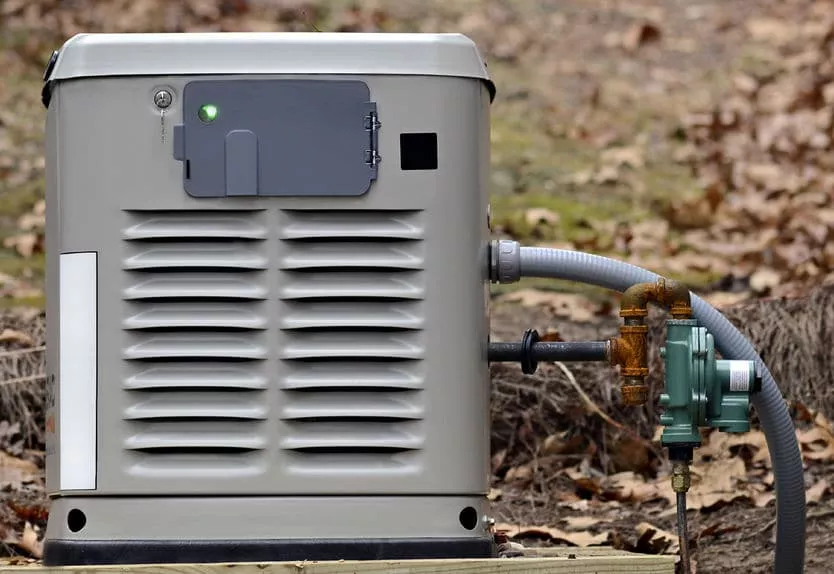
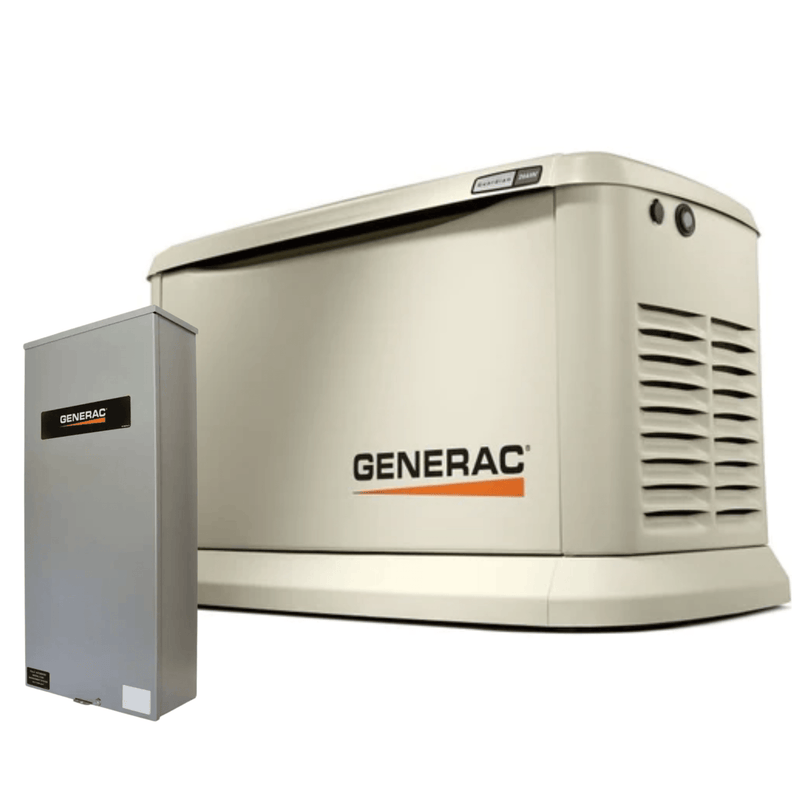
A standby generatoris a backup power system. It starts automatically when the main power fails. This ensures your home or business keeps running without interruption.
The generator connects to your electrical system. It uses fuel like gas or diesel to produce electricity. A transfer switch detects power loss and switches to the generator.
| Key Components | Purpose |
|---|---|
| Engine | Converts fuel into mechanical energy. |
| Alternator | Changes mechanical energy into electrical power. |
| Transfer Switch | Switches power source to the generator. |
| Fuel System | Supplies fuel to the engine. |
- Portable Generators:Easy to move, used for temporary power.
- Standby Generators:Permanently installed, automatic operation.
- Inverter Generators:Produce clean, stable power for sensitive devices.
Benefits Of Standby Generators
Reliable powerduring outages keeps lights on and devices working. Standby generators start automaticallywithin seconds after a power failure. No need to wait or do anything.
Automatic operation means the generator runs without manual help. It senses power loss and switches on instantly. This feature protects your home and businessfrom damage caused by power cuts.
- Prevents food spoilage in refrigerators
- Keeps security systems active
- Maintains heating or cooling systems
- Supports important business machines
Choosing The Right System
Choosing the right standby generator system starts with correct sizing. The generator must handle your home’s essential power needs without overload. Calculate total wattage of devices you want to power during an outage. Consider starting watts for appliances with motors, like refrigerators.
Fuel options vary and affect running time and maintenance. Common choices include:
- Natural gas:Clean and has an unlimited supply if connected to a pipeline.
- Propane:Stored in tanks and easy to refill.
- Diesel:Powerful but needs regular fuel checks.
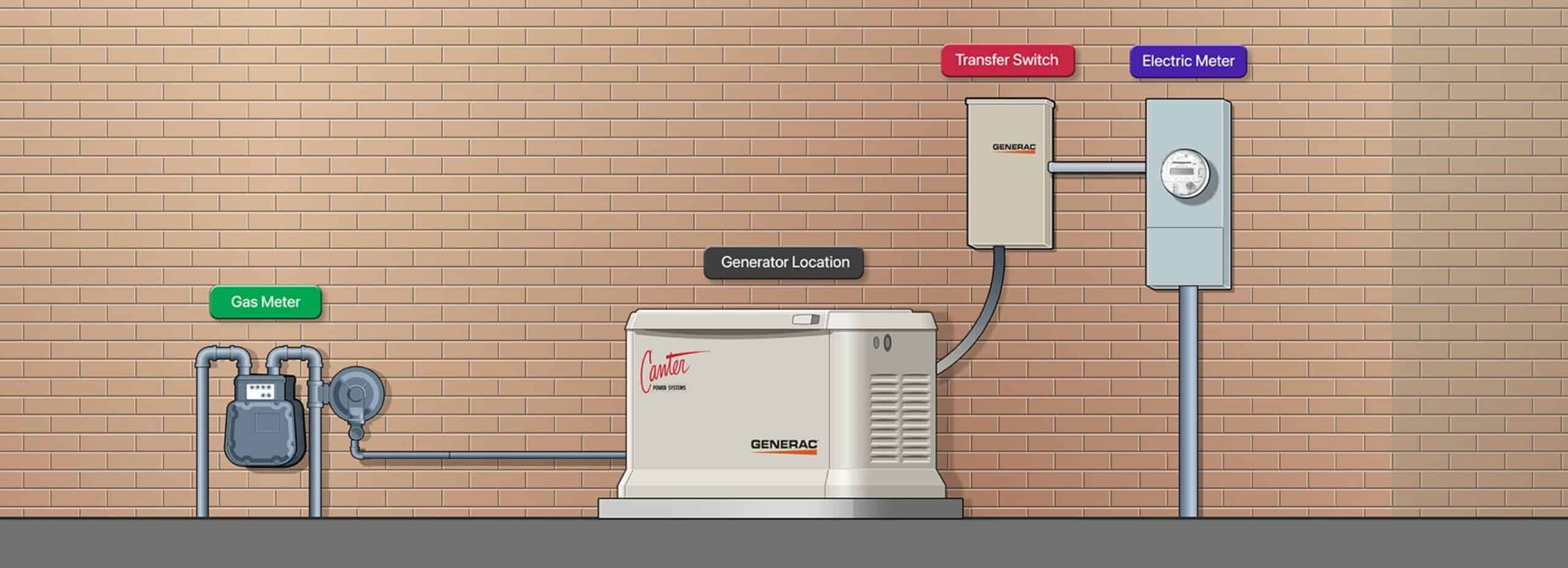
Installation requires space and proper ventilation. Place the generator outside, away from windows and doors. Make sure it meets local codes and has a professional install for safety and reliability.
Credit: canterpowersystems.com
Installation Process
Site preparation is key for a standby generator system. The area should be flat, firm, and away from vents or windows. Clear space ensures good airflow and safety. A concrete pad often supports the generator to keep it stable and dry.
Electrical connections link the generator to your home’s power system. A transfer switch controls this connection, switching power automatically during outages. A licensed electrician must install these connections to meet safety standards.
| Permits and Regulations | Description |
|---|---|
| Local Permits | Most areas require permits before installation. Check with your city or county office. |
| Building Codes | Generators must meet local building and safety codes for installation. |
| Inspection | After installation, an inspection ensures compliance with rules and safe operation. |
Maintenance And Testing
Routine checks keep the standby generator ready to run. Check oil levels, coolant, and fuel often. Clean air filters to avoid blockages. Test the battery and wiring connections for damage or corrosion. Run the generator under load to see if it works well.
Common issues include starting failure, low oil pressure, and overheating. Fix starting problems by checking the battery and fuel supply. Low oil pressure can mean oil leaks or worn parts. Overheating may need coolant refills or fan cleaning.
Extending generator lifespan needs regular care. Use fresh fuel and change oil on time. Keep it dry and covered from rain. Store it properly during long idle periods. Regular maintenance helps avoid costly repairs and ensures reliable power.
Cost And Investment
Buying a standby generator involves upfront expenses. These include the cost of the generator unit, installation, and any required permits. Generators vary in size and price, so costs can differ widely.
Operating costscover fuel, maintenance, and occasional repairs. Fuel type affects cost. Natural gas is usually cheaper than diesel or propane. Regular maintenance keeps the generator running well.
| Cost Type | Details | Typical Range |
|---|---|---|
| Upfront Expenses | Generator unit, installation, permits | $3,000 – $15,000 |
| Operating Costs | Fuel, maintenance, repairs | $100 – $500 per year |
Long-term valuecomes from peace of mind. A standby generator keeps power on during outages. It protects appliances and home systems. Over time, it may save money by preventing damage and food spoilage.
Comparing Backup Power Options
Portable generatorsare easy to move and cheaper upfront. They provide power for a few appliances. These generators need manual start and fuel refills.
Standby generatorsturn on automatically during power outages. They connect to your home’s electric system. These systems offer more power and run on natural gas or propane.
| Type | Power Source | Operation | Best Use |
|---|---|---|---|
| Battery Backup Systems | Electricity (charged) | Instant power, silent | Small appliances, short outages |
| Hybrid Solutions | Generator + Battery | Automatic switch, efficient | Long outages, mixed loads |

Credit: www.championpowerequipment.com
Frequently Asked Questions
What Is A Standby Generator System?
A standby generator system is a backup power source. It automatically powers your home during outages. It ensures continuous electricity without manual setup.
How Does A Standby Generator Work?
It detects power failure and starts automatically. The generator supplies electricity to your home. It stops once utility power returns.
What Fuels Standby Generators Use?
Standby generators commonly use natural gas, propane, or diesel. Fuel choice depends on availability and generator size. Each fuel type offers reliable power backup.
Why Install A Standby Generator System?
It provides uninterrupted power during outages. It protects essential appliances and home safety. It adds convenience and peace of mind.
Conclusion
A standby generator system keeps your power on during outages. It starts automatically and works without your help. This system protects your home and important devices. Many people trust it for safety and comfort. Choosing the right generator fits your needs and budget.
Regular maintenance helps it run smoothly when needed. A standby generator gives peace of mind every day. Consider one to stay prepared for power loss. Simple, reliable, and effective – that’s what it offers.