Are you in the market for a new generator but puzzled by the options available? You’ve probably come across the terms “inverter generator” and “traditional generator” and wondered what sets them apart.
Understanding these differences is crucial for making a smart choice that suits your power needs. Imagine having a generator that not only meets your energy demands but also saves you money in the long run, all while being kind to the environment.
Intrigued? By the end of this article, you’ll have a clear grasp of which type of generator is the perfect match for your specific situation. Whether you’re planning a camping trip, preparing for a power outage, or just looking to make an informed purchase, this guide will illuminate the path to your perfect power solution. Keep reading to unlock the potential of these powerful devices and choose with confidence.
Basics Of Generators
Generators are indispensable in providing electricity when the grid fails or is unavailable. Understanding the basics of generators can help you make informed choices about which type best suits your needs. Whether you’re preparing for a camping trip or safeguarding your home against power outages, knowing the difference between conventional and inverter generators is crucial.
Conventional Generator Functionality
Conventional generators are the traditional workhorses of power generation. They operate by converting mechanical energy into electrical energy using an internal combustion engine. These engines burn fuel—usually gasoline or diesel—to generate electricity.
Imagine you’re hosting a backyard barbecue. A conventional generator can power multiple appliances at once, but it might be noisy and less efficient in terms of fuel consumption. They produce a consistent flow of electricity, which is ideal for heavy-duty equipment.
However, this consistent output can sometimes be a drawback. The electricity produced might not be suitable for sensitive electronics like laptops or smartphones, as fluctuations in power can cause damage. Have you ever wondered why your phone charger gets warm when plugged into a generator? This could be the reason.
Inverter Generator Functionality
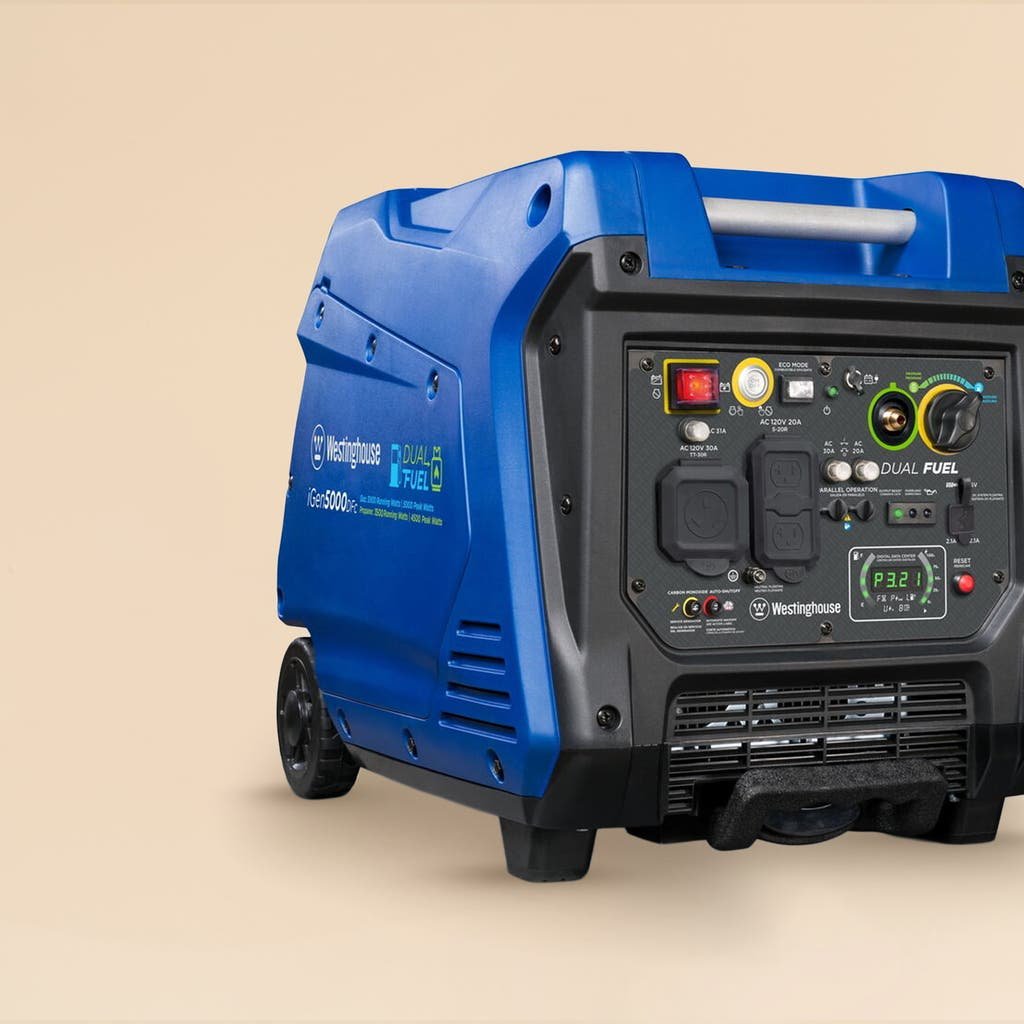
Inverter generators take a different approach by producing electricity in multiple phases. First, they generate high-frequency AC power, then convert it to DC, and finally invert it back to stable AC power. This process ensures a cleaner and more stable output, perfect for sensitive devices.
Picture yourself on a serene camping trip. You want to keep your laptop and camera charged without the worry of power spikes. An inverter generator is your best bet. They’re compact, lightweight, and much quieter than conventional generators, making them ideal for outdoor adventures.
But there’s a trade-off. Inverter generators typically provide less power output compared to conventional ones. If you’re trying to power a whole house during a blackout, you might need more than one. Yet, their efficiency in fuel consumption can be a major advantage in long-term use. Isn’t it fascinating how technology evolves to cater to different needs?

Credit: campernation.co.uk
Power Output
Understanding the power output differences between inverter generators and conventional generators is crucial. These two types of generators offer distinct energy delivery methods. Both have unique advantages that cater to different needs.
Steady Output Of Conventional Generators
Conventional generators produce a steady power output. They run at a constant speed, usually 3600 RPM. This speed helps maintain a consistent energy supply. Perfect for devices without sensitive electronics. Suitable for heavy-duty equipment and high-wattage appliances. Their ability to handle large loads is a key benefit. But, they can be less fuel-efficient and noisier.
Clean Energy Of Inverter Generators
Inverter generators deliver clean energy. They produce AC power and convert it to DC, then back to AC. This process ensures stable and clean energy. Ideal for sensitive electronics like laptops and smartphones. Inverter generators adjust speed based on load. This makes them more fuel-efficient. They are quieter due to variable speed operation. A great choice for camping or home backup. Their compact size and quiet operation are major advantages.
Fuel Efficiency
Understanding the fuel efficiency difference is key. Inverter generators adjust engine speed to match the load, saving fuel. Traditional generators run at constant speeds, often using more fuel.
Fuel efficiency is a key factor in choosing between an inverter generator and a conventional generator. Both have unique fuel consumption patterns. Understanding these differences can help you make a more informed decision. Below, we break down the fuel efficiency aspects of each type.Fuel Consumption In Conventional Models
Conventional generators use a fixed speed for power generation. This means they run at a constant RPM. Regardless of the power demand, they consume the same amount of fuel. This can lead to higher fuel costs. Especially when the power demand is low. These generators are often larger and heavier. Their engines are designed for high output. This makes them less fuel-efficient for small, everyday tasks.Efficiency In Inverter Generators
Inverter generators are designed for variable speed operation. They adjust engine speed based on the power needed. This leads to significant fuel savings. When less power is required, they consume less fuel. This feature makes them more eco-friendly. They are quieter and emit fewer emissions. Inverter generators are ideal for sensitive electronics. They deliver cleaner power and are more efficient in fuel consumption. Their compact design also contributes to lower fuel usage.Noise Levels
Understanding the noise levels of generators is crucial for selecting the right type for your needs. Generators can significantly impact the environment and comfort due to their sound output. Differentiating between traditional and inverter generators helps in making an informed decision.
Noise Output Of Traditional Generators
Traditional generators are known for their loud operation. They often produce sounds ranging from 65 to 75 decibels. This noise level is comparable to a busy street or a loud conversation. The design of these generators focuses on power output rather than sound control. Their mechanical and combustion processes contribute to the high noise levels. These generators can be disruptive in quiet environments.
Quiet Operation Of Inverter Generators
Inverter generators are designed with noise reduction in mind. They typically operate at 50 to 60 decibels. This is similar to the sound of a normal conversation. The advanced technology in inverter generators adjusts the engine speed to the load. This feature minimizes unnecessary noise. Their compact design also helps in reducing sound levels. Inverter generators are ideal for residential areas and camping sites where quiet is essential.
Portability And Size
When choosing between an inverter generator and a traditional generator, portability and size often become key factors. These aspects influence how easily the device can be transported and where it can be used. Understanding the differences in size and portability can help in selecting the right generator for your needs.
Bulkiness Of Traditional Generators
Traditional generators are usually larger and heavier. Their robust construction makes them stable but difficult to move. These generators often have large fuel tanks, adding to their weight. Transporting them requires more effort or even a vehicle. Their bulky design limits where they can be used, often needing more space to operate safely.
Compact Design Of Inverter Generators
Inverter generators are known for their compact design. They are smaller and lighter, making them easier to carry. Their lightweight nature allows for effortless transportation. This makes them ideal for camping or outdoor activities. Their compact size also means they require less storage space. This design offers more flexibility in placement and use.
Cost Considerations
Understanding cost differences between inverter generators and conventional generators is essential. Each option has its own financial implications. This section explores initial costs and potential long-term savings.
Initial Costs
Inverter generators often have higher upfront costs. They use advanced technology, which increases their price. Conventional generators are usually cheaper initially. Their design is simpler, which makes them more affordable. Buyers must consider their budget and power needs.
Long-term Savings
Inverter generators can save money over time. They are more fuel-efficient, reducing fuel expenses. Their quieter operation may lower maintenance costs. Conventional generators might incur more operating costs. Frequent maintenance and higher fuel consumption add up. Evaluating long-term savings is crucial for buyers.
Applications And Uses
Understanding the applications and uses of inverter generators and conventional generators can help you choose the right one for your needs. Both types of generators have unique advantages, making them suitable for different scenarios. Let’s explore where each shines the most.
Best Use Cases For Conventional Generators
Conventional generators are the go-to choice for high-power demands. They are robust and deliver a continuous supply of electricity, which makes them ideal for large-scale operations.
- Construction Sites:Conventional generators are often found on construction sites where they power heavy machinery and tools.
- Backup Power for Homes:They serve as reliable backup power during extended outages, supporting multiple appliances at once.
- Outdoor Events:For events like fairs or concerts, conventional generators provide the energy needed for lighting, sound systems, and more.
These generators are built to handle large loads. However, they can be noisy and less fuel-efficient, which might be a trade-off for their power capacity.
Ideal Scenarios For Inverter Generators
Inverter generators shine in situations that demand portability and quiet operation. They are perfect for activities where convenience and efficiency are key.
- Camping Trips:Lightweight and quiet, inverter generators are perfect for powering small appliances and devices in remote locations.
- Tailgating:Enjoy your pre-game festivities with enough power for TVs and small cooking appliances without disturbing the ambiance.
- Home Use:For powering sensitive electronics like laptops and phones, inverter generators provide clean energy that conventional options cannot match.
Inverter generators are also known for their fuel efficiency and ability to adjust the engine speed to the current load. But, could their lower power output affect your choice?
Whether you need the brute force of a conventional generator or the finesse of an inverter generator, understanding your specific needs will guide your decision. Consider your typical use cases, and you’ll find the generator that fits your lifestyle perfectly.
Credit: garpen.com.au

Credit: itechworld.com.au
Frequently Asked Questions
What Is Better, A Generator Or An Inverter Generator?
Inverter generators are quieter, more fuel-efficient, and provide cleaner power than traditional generators. They are ideal for sensitive electronics. Traditional generators are cheaper and better for heavy-duty tasks. Choose based on your needs: efficiency and quiet operation for inverters, or cost-effectiveness and power capacity for traditional generators.
What Is The Downside Of An Inverter Generator?
Inverter generators are often more expensive than conventional generators. They usually provide lower power output. Maintenance can be more frequent due to complex components. They may also have limited fuel options. Some models can be less durable compared to traditional generators.
Can I Run A Refrigerator On An Inverter Generator?
Yes, you can run a refrigerator on an inverter generator. Ensure the generator’s wattage capacity meets the refrigerator’s power requirements. Always check the refrigerator’s starting and running watts. Using an inverter generator ensures stable power, minimizing potential damage to the appliance.
Can An Inverter Generator Run A Whole House?
An inverter generator can power a whole house if it’s adequately sized. Choose one with sufficient wattage to cover essential appliances and systems. Check your home’s power requirements before purchasing. Proper installation ensures efficiency and safety. Always consult a professional for guidance and installation.
Conclusion
Choosing between an inverter generator and a regular generator depends on your needs. Inverter generators offer quieter operation and cleaner power. They suit sensitive electronics well. Regular generators are typically more robust and powerful. They work best for heavy-duty tasks.
Consider your requirements carefully. Think about noise levels and energy efficiency. Also, evaluate the type of devices you will power. Both options have benefits and limitations. Understanding these differences can guide your decision. Make the right choice for your power needs.