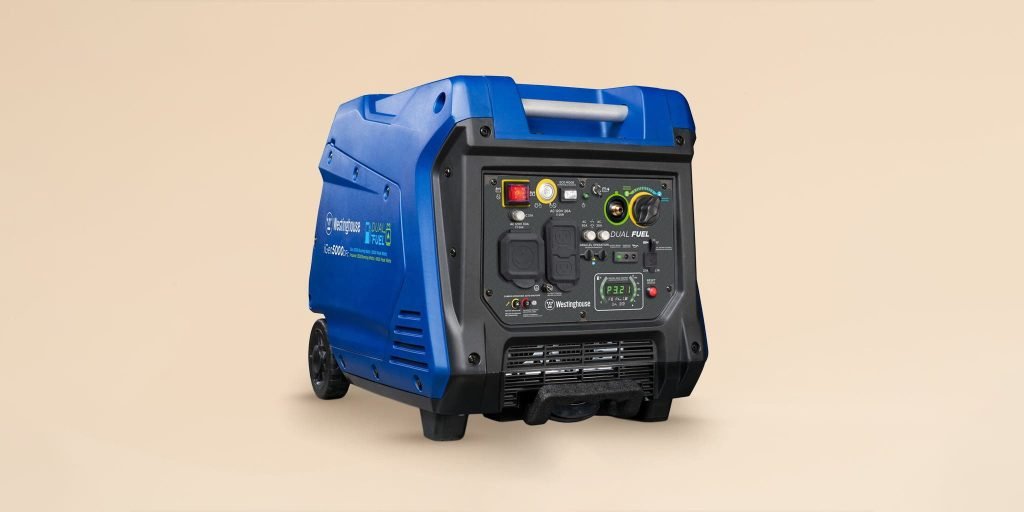
Picture this: It’s a sweltering summer day, and you’re in the middle of a power outage. The fans are dead, the fridge is warming up, and your phone is running low on battery.
Frustrating, isn’t it? You might be wondering if an inverter generator could be your lifesaver in such situations. Is it the right choice for your home? We’ll dive into the world of inverter generators and explore why they could be a game-changer for your household.
We’ll unravel the benefits, the costs, and whether it truly fits your needs. Stick with us, and by the end, you’ll have a clear answer to the question nagging at your mind: “Do I need an inverter generator for my house? ” Let’s find out if this could be the missing piece in your home’s power puzzle.
Inverter Generators Vs. Traditional Generators
Choosing between inverter generators and traditional generators depends on your home’s power needs. Inverter generators offer quieter operation and cleaner energy, ideal for sensitive electronics. Traditional generators provide more power for larger appliances but are often noisier.
Inverter generators and traditional generators both serve the same basic function. They provide power during outages. But they differ significantly in technology, performance, and benefits. Deciding between them requires understanding these differences.Key Differences
Inverter generators use advanced technology to produce electricity. They convert AC power to DC and back to AC. This process ensures a stable power supply. Traditional generators directly produce AC power. This can result in fluctuations. Size and weight also differ. Inverter generators are compact and lightweight. Traditional generators are bulkier and heavier. Noise levels are another factor. Inverter generators run quietly. Traditional models can be quite loud.Benefits Of Inverter Generators
Inverter generators offer several advantages. They provide clean and stable power. This is safe for sensitive electronics like laptops and TVs. Their design allows for energy efficiency. They adjust the engine speed based on power needs. This reduces fuel consumption and emissions. Portability is a key benefit. Their compact design allows easy transport. Ideal for camping or outdoor activities. Noise reduction is another plus. They are significantly quieter. This ensures a peaceful environment during use.
Credit: www.angi.com
Power Needs Assessment
Assessing your home’s power needs is crucial before choosing an inverter generator. Understanding your household’s energy requirements ensures you make an informed decision. This process involves calculating power usage and understanding the types of electrical loads. Let’s explore these aspects in detail.
Calculating Household Power Requirements
Begin by listing all essential appliances. Include lights, refrigerators, and air conditioners. Each device has a power rating, usually in watts. Sum up the wattage of all items you need to run simultaneously. Remember, some appliances require more power at startup. Factor in this extra demand.
- List all essential appliances.
- Check the wattage of each item.
- Calculate the total wattage needed.
- Consider startup wattage for certain devices.
This total gives a clear picture of your power needs. It helps you choose the right generator capacity.
Understanding Load Types
Different appliances have different load types. Some devices have a steady load. Others have a fluctuating load. Resistive loads include lights and heaters. These use power consistently. Motor-driven appliances like refrigerators and pumps are inductive loads. They consume more power at startup.
- Identify resistive loads.
- Identify inductive loads.
- Know the startup power needs.
- Consider both steady and fluctuating power demands.
Understanding these load types ensures efficient energy management. It helps determine the generator type needed for your home. This knowledge aids in selecting a generator that matches your power needs. It ensures reliability during power outages. Proper assessment leads to optimal generator usage. Your home stays powered, and your appliances function smoothly.
Advantages Of Inverter Generators
Inverter generators offer several benefits that make them a smart choice for homeowners. They combine efficiency, quiet operation, and ease of movement, making them ideal for various needs.
Fuel Efficiency
Inverter generators use advanced technology to optimize fuel consumption. This means they adjust the engine speed to match the power demand. It results in less fuel use compared to traditional generators. Lower fuel consumption means saving money over time. Plus, you get longer run times with less frequent refueling.
Noise Reduction
Traditional generators can be quite loud. Inverter generators are designed to operate quietly. They use sound-dampening materials and special mufflers. This makes them ideal for residential use. You can enjoy peace and quiet even when the power is out.
Portability
Inverter generators are lightweight and compact. This makes them easy to move and store. They often come with handles or wheels for convenience. You can easily transport them to different locations. This flexibility makes them perfect for camping trips or home use during emergencies.
Potential Drawbacks
Inverter generators offer many benefits, but they also have drawbacks. Understanding these potential issues helps in making an informed decision.
Cost Considerations
Inverter generators tend to be more expensive than traditional ones. Their advanced technology and quieter operation add to the cost. This might not fit every budget. The initial investment can be significant. It’s crucial to weigh the benefits against the price.
Maintenance Requirements
Regular maintenance is key for inverter generators. They need more care than standard generators. This includes checking oil levels and cleaning air filters. Ignoring maintenance can lead to problems. Maintaining them properly can be time-consuming. It may also require professional help, increasing costs.
Applications For Home Use
An inverter generator offers efficient power for sensitive devices during outages. It provides stable energy, reducing risks to electronics. Consider it for reliable backup in emergencies.
Inverter generators have become popular for home use. Their compact size and efficiency make them ideal for various applications. They provide clean power and are quieter than traditional generators. But what are the specific uses at home?Backup Power For Outages
Power outages can disrupt daily life. An inverter generator can be a lifesaver. It keeps essential appliances running. Think lights, refrigerators, and even small heaters. Many models can power sensitive electronics safely. This is because they produce stable electricity. No more worries about power surges damaging your devices. During storms or unexpected blackouts, they ensure comfort and safety.Powering Outdoor Equipment
Inverter generators are perfect for outdoor equipment. Planning a backyard party? Use them to power speakers and lights. They are also great for gardening tools. Electric mowers and trimmers run smoothly on them. Their portability makes them easy to move around. You can also use them for camping trips. They provide reliable power for outdoor adventures.Environmental Impact
Considering the environmental impact is crucial when deciding whether an inverter generator is right for your home. These generators are known for their efficiency and reduced emissions, making them a more eco-friendly choice compared to traditional models. But what does this mean for you and the planet?
Emission Levels
One of the standout features of inverter generators is their lower emission levels. Unlike traditional generators, which can be quite polluting, inverter models often comply with strict environmental standards. Have you ever noticed how a regular generator can fill the air with unpleasant fumes? Inverter generators operate more cleanly, reducing harmful emissions and contributing to a healthier environment.
Eco-friendly Features
Inverter generators come equipped with various eco-friendly features that make them appealing to environmentally conscious users. Many models include a smart throttle system that adjusts the engine speed based on the power demand. This not only enhances fuel efficiency but also reduces noise pollution. Imagine being able to power your home during an outage without disturbing the peace of your neighborhood. Wouldn’t that be a win-win for both you and the environment?
Making The Right Choice
Choosing the right generator for your home is important. An inverter generator offers several benefits. It’s quieter, more fuel-efficient, and provides cleaner power. But do you really need one? Let’s explore how to make the right choice.
Evaluating Your Needs
Assess your power requirements first. List essential appliances you need during an outage. Check their wattage. Consider how long outages last in your area. Inverter generators are great for small to medium needs. They are ideal for sensitive electronics. If you have high power demands, a traditional generator might suit you better.
Consulting With Professionals
Talk to an electrician or power expert. They can guide you based on your specific needs. They will help you understand power load calculations. They can also suggest brands and models within your budget. A professional’s advice ensures you make a safe choice. This step saves you from costly mistakes and future issues.
Credit: www.nytimes.com

Credit: www.familyhandyman.com
Frequently Asked Questions
What Are The Disadvantages Of An Inverter Generator?
Inverter generators can be costly compared to traditional models. They may offer less power output and require more maintenance. Noise levels are lower, but sound-sensitive environments can still be affected. Battery life may be limited, leading to frequent charging. Their complex technology can be challenging for repairs.
Why Would I Want An Inverter Generator?
An inverter generator offers quiet operation and fuel efficiency. It provides stable power for sensitive electronics. It is lightweight and portable, making it ideal for camping and outdoor activities. You get reliable power with reduced emissions, making it environmentally friendly.
What Should You Not Plug Into An Inverter?
Avoid plugging high-power appliances like refrigerators, microwaves, and air conditioners into an inverter. These devices may overload the inverter. Sensitive electronics, such as medical equipment, should not be used without verifying compatibility. Always check the inverter’s wattage capacity and consult the manufacturer’s guidelines before use.
What’s The Difference Between An Inverter Generator And Just A Regular Generator?
An inverter generator produces cleaner, stable power suitable for sensitive electronics. Regular generators provide raw, less stable power. Inverter generators are quieter, more fuel-efficient, and portable, while regular generators are typically larger and louder. Inverters adjust engine speed based on demand, saving fuel, unlike regular generators which run at constant speed.
Conclusion
Choosing an inverter generator depends on your home needs. These generators offer quiet operation and clean power. Ideal for sensitive electronics and small spaces. They use less fuel and are easy to move. Great for camping or emergencies. But they cost more than regular ones.
Think about your power needs and budget. Decide if the benefits are worth the investment. Compare options before buying. Consider long-term savings on energy. Make sure it fits your lifestyle. Reliable power can give peace of mind. Your choice should suit your home and family needs.