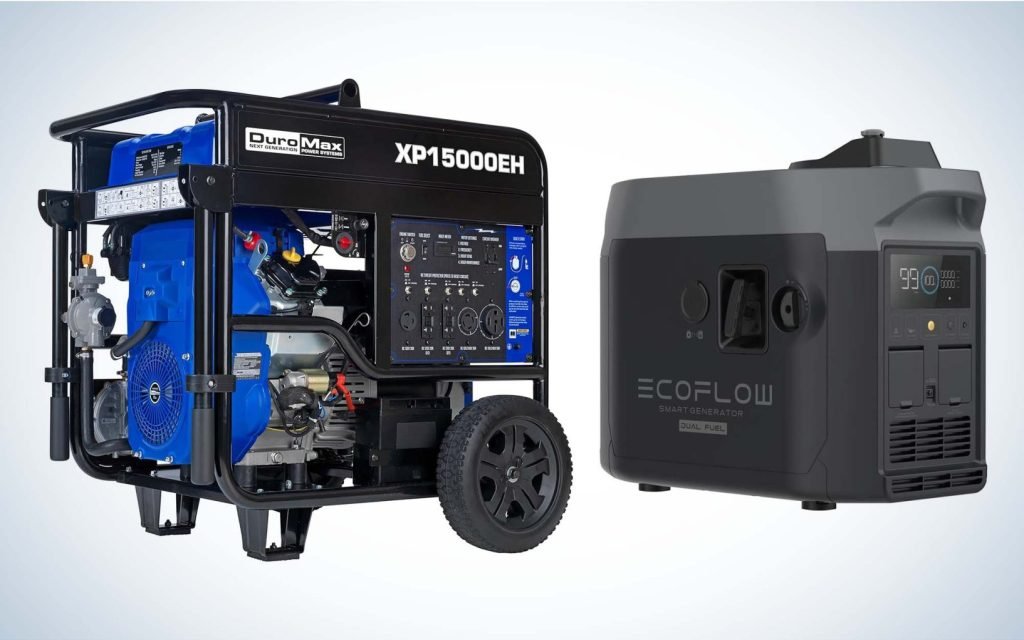
Imagine the crisp morning air filling your lungs as you unzip your tent, the smell of pine trees mingling with the promise of a campfire breakfast. Your camping trip is off to a perfect start, but then a question pops into your head: Are dual fuel generators allowed in campgrounds?
This isn’t just a random thought—it could be the key to maintaining your serene outdoor escape. After all, the last thing you want is to face unexpected restrictions or disrupt the peace you sought in the first place. You’ll discover everything you need to know about using dual fuel generators at campgrounds.
We’ll unravel the mystery behind campground rules and why understanding them is crucial for your trip. Prepare to have your concerns addressed and your camping experience optimized with the right knowledge.
Dual Fuel Generators Explained
Dual fuel generators use two types of fuel. They can run on gasolineor propane. This makes them flexible and easy to use. Gasoline is easy to find. Propane is clean and lasts long. Both fuels have their own advantages. Switching between them is simple. This gives users more control over their power source. Dual fuel generators offer a reliable backup option.
- Flexibility: Use either gasoline or propane.
- Convenience: Easy to switch fuels quickly.
- Fuel Availability: Gasoline is widely available.
- Clean Energy: Propane burns cleaner than gasoline.
- Extended Run Time: Propane lasts longer than gasoline.
Campground Regulations
Campgrounds have specific rulesfor equipment. Generators are often regulated. Noise levels must be kept low. Use of quiet modelsis preferred. Dual fuel generators may be allowed. Check the campground’s guidelinesbefore use. Some campgrounds have designated areasfor generators. Always follow posted rulesfor safety.
Regulations can change by location. Some campgrounds have strict rules. Others are more relaxed. It’s important to ask staffabout generator rules. Local wildlife may affect equipment use. Always consider environmental impact. Rules help protect nature. Proper use ensures a pleasant camping experience.
Environmental Impact
Dual fuel generators are often permitted in campgrounds, but their environmental impact raises concerns. They emit fumes and noise, which can disturb wildlife and campers. Always check campground regulations before use.
Emissions And Noise Levels
Dual fuel generators can produce fewer emissions than traditional generators. Using cleaner fuels like propane helps reduce harmful gases. This is better for the environment. They can also be quieter, making them less disturbing. Noise levels can vary between models. Choosing a generator with lower noise is important. It ensures a peaceful camping experience. Campgrounds often have rules about noise and pollution. Following these rules is crucial to avoid penalties.
Sustainability Considerations
Dual fuel generators offer flexibility in fuel choice. This can support sustainable practices. Using renewable fuels can lessen the environmental footprint. They also allow for longer use without refueling. This is because they can switch fuels. Campers should consider the impact on nature. Choosing eco-friendly options helps protect the environment. Many campgrounds encourage sustainable behavior. Adopting these practices can support future camping activities.
Safety Concerns
Dual fuel generatorscan be risky in campgrounds. They may cause firesif not used correctly. Generators emit fumes that can be harmful. Fumes need proper venting to avoid breathing issues. Noise from generators can disturb others. It is important to place them away from tents.
Always read the manualbefore using the generator. Keep a safe distance between the generator and campsites. Use generators in open areas for good air flow. Have a fire extinguisher nearby in case of fire. Check the generator for leaks and damages before use. Regular maintenance reduces risks.
Alternatives To Dual Fuel Generators
Campgrounds often have strict rules about generator use. Solar panels and battery packs are quieter alternatives to dual fuel generators. They are eco-friendly and reduce noise pollution, making them suitable for camping areas.
Solar Power Options
Solar panelsare a quiet and clean energy source. They capture sunlight and turn it into electricity. Many campers use portable solar panels. These panels are light and easy to carry. They can be set up quickly. Solar power is good for the environment. It doesn’t make noise or smoke. This makes it perfect for campgrounds. Solar energy is free once panels are bought. Sunlight is always available during the day.
Battery Packs
Battery packsstore energy for later use. They can be charged at home before trips. Many packs are small and light. They easily fit in backpacks. Some battery packs can be charged by solar panels. This makes them flexible for camping. They are perfect for charging phones and lights. Battery packs are quiet and don’t make fumes. They are safe and easy for kids to use.

Credit: www.popularmechanics.com
Choosing The Right Generator
Generators have different features. Choose one with a quiet engine. Fuel efficiency is important for long trips. Safety features protect you and others. Look for easy controls. Check for durable build. A compact design is easier to carry. Dual fuel options give flexibility. Power output should match your needs. Automatic shutdown prevents overloads. Consider warranty for peace of mind.
| Brand | Model | Power Output | Fuel Type |
|---|---|---|---|
| Honda | EU2200i | 2200W | Gas |
| Champion | 3400-Watt | 3400W | Dual Fuel |
| Westinghouse | WGen7500 | 7500W | Gas |
Tips For Responsible Use
Check campground rules before using dual fuel generators. Ensure generators are eco-friendly and respect noise regulations for a peaceful environment.
Best Practices For Campgrounds
Always keep your generator away from tents and sleeping areas. This prevents any safety hazards. Regularly check for leaks or damages. Fix them immediately to ensure safe operation. Use a noise reduction cover to minimize sound disturbance. Respect other campers’ peace and quiet. Avoid running the generator at night. This keeps the campsite peaceful. Store extra fuel in a secure container. This prevents spills and accidents. Follow campground rules for generator use. This ensures a safe environment for everyone.
Maintaining Your Generator
Check the oil level often. This keeps the engine running smoothly. Clean the air filter regularly. A clean filter helps the generator work better. Tighten loose bolts and screws. This prevents parts from falling off. Keep the generator dry to avoid damage. Wet conditions can harm it. Inspect the spark plug for wear. Replace it if necessary for good performance. Regular maintenance keeps the generator reliable. It’s important for long-lasting use.

Credit: westinghouseoutdoorpower.com
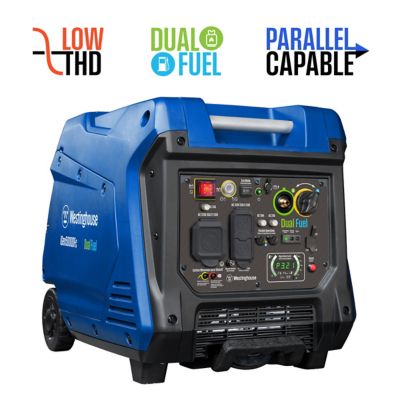
Credit: www.tractorsupply.com
Frequently Asked Questions
Can You Bring A Generator To A Campground?
Check campground rules before bringing a generator. Some allow it, while others restrict usage for noise control. Always ensure your generator is quiet and eco-friendly. Respect fellow campers by using it during designated hours. Portable power sources offer convenience but prioritize peaceful camping experiences.
What Is The Disadvantage Of A Dual Fuel Generator?
Dual fuel generators can be more expensive and complex to maintain. They might have lower fuel efficiency compared to single fuel models. The initial cost is higher due to dual fuel systems. Users may experience a shorter lifespan with more mechanical parts involved.
Can You Sleep In Rv With The Generator Running?
Sleeping in an RV with the generator running is possible but requires caution. Ensure proper ventilation to avoid exhaust fumes. Keep carbon monoxide detectors functional for safety. Consider noise levels as they may disrupt sleep. Regularly maintain the generator to prevent any malfunctions.
Prioritize safety and comfort when making this decision.
What States Banned Generators?
California has banned the sale of new gas-powered generators starting in 2028. This regulation aims to reduce emissions and promote cleaner alternatives. Other states have not banned generators but may have specific regulations regarding their use. Always check local laws for the most current information.
Conclusion
Dual fuel generators offer great flexibility for campers. They use gas and propane, ensuring power reliability. Many campgrounds permit them, but always check local rules first. Noise levels matter too; quieter models are often preferred. Safety is key, so handle fuel responsibly.
Choose the right generator for your needs. Consider size, noise, and cost. Enjoy a peaceful camping experience with the right equipment. Remember, respecting nature and other campers is crucial. Happy camping with your dual fuel generator!