
Storing diesel fuel for your generator is more than just a routine task—it’s a critical step to ensure you’re always prepared for unexpected power outages. Imagine the frustration of needing your generator only to find that the diesel fuel has gone bad.
You deserve peace of mind, knowing that when the lights go out, your backup plan is foolproof. This guide is crafted just for you, highlighting practical tips and essential techniques to store diesel fuel safely and efficiently. By the end of this article, you’ll feel confident and empowered to keep your generator ready at a moment’s notice.
Dive in, and safeguard your power needs today!

Credit: www.amazon.com
Proper Storage Containers
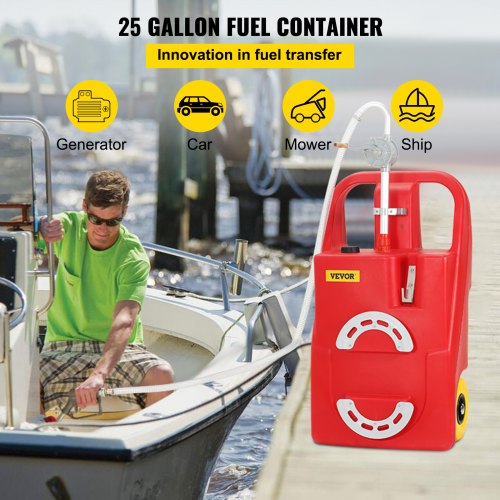
Use only approved containersfor storing diesel. These containers are safe and reliable. Approved containers are usually made of high-quality materialslike metal or special plastic. They prevent leaks and protect the fuel. Look for containers with a sealthat keeps the fuel fresh. Also, check for a labelthat says it is approved for diesel. This ensures safety and compliance.
Choose the right sizecontainer for your needs. Small generators need less fuel, so use a small container. Larger generators require bigger containers. Make sure the container is not too big or too small. This helps in storing the right amount of diesel. Also, ensure the container is not filled to the top. Leave some space for the fuel to expand. This prevents spills and keeps the fuel safe.
Ideal Storage Locations
Choosing the right place to store diesel fuel matters. Indoor storage keeps fuel safe from weather. It prevents water from mixing with diesel. But indoor spaces need good ventilation. Outdoor storage must protect fuel from rain and sun. Use strong, weather-proof containers. Check them often for leaks or damage.
Diesel fuel likes cool places. Heat can make it go bad fast. Keep fuel away from hot spots. Avoid direct sunlight. If storing indoors, use air conditioning if possible. Outside, shade helps keep fuel cool. Temperature changes can affect fuel quality. Check the temperature regularly. Adjust storage if needed to keep fuel safe.
Fuel Stabilization Techniques
Properly storing diesel fuel for generators involves using clean, sealed containers to prevent contamination. Add stabilizers to prolong the fuel’s life and reduce oxidation. Keep the fuel in a cool, dry place, away from direct sunlight and heat sources, to maintain its effectiveness.
Use Of Fuel Additives
Fuel additives help keep diesel fresh. They prevent sludge and sediment. Additives stop the fuel from going bad. They can also boost engine performance. Always choose the right additive for your generator. Read the instructions carefully. This ensures you use the correct amount. Too much can be harmful. Store the additives in a cool, dry place. This keeps them effective for longer.
Preventing Fuel Degradation
Fuel degradation is a big problem. It happens when fuel gets old. Keep fuel in a sealed container. This stops air and water from getting in. Store the container in a cool place. Heat speeds up fuel degradation. Check the fuel regularly. Look for changes in color or smell. These are signs of degradation. Use the oldest fuel first. Always rotate your fuel stock.
Safety Precautions
Store diesel fuel in a cool, dry place away from heat sources. Use approved containers to prevent leaks and contamination. Regularly inspect for signs of damage or corrosion.
Handling And Transportation Safety
Diesel fuel must be handled with care. Always wear protective gloves and goggles. Use proper containers for transport. They must be approved for diesel. Never use old or damaged containers. Keep diesel away from heat and flames. Secure containers during transport. This prevents spills. Avoid rough handling. It can cause leaks. Check containers for damage regularly.
Fire And Spill Prevention
Diesel is flammable. Store it away from fire sources. Use a cool, dry place. Inspect storage areas often. Look for leaks or damage. Keep a spill kit nearby. Know how to use it. Train staff on emergency procedures. Label containers clearly. This prevents confusion. Prevent spills with careful handling. Clean up spills immediately. Dispose of waste properly.
Regular Maintenance Checks
Regular maintenance checks ensure stored diesel fuel remains clean and effective for generator use. Inspect tanks for leaks and contamination to prevent damage.
Inspecting For Contamination
Check diesel fuel regularly for contamination. Look for water or dirt in the fuel. Use a clean container to inspect samples. Contaminated fuel can damage the generator. Keep storage tanks clean and sealed. This prevents dirt and water from entering. Change fuel filters if needed.
Monitoring Fuel Levels
Monitor fuel levels often. Use a dipstick to measure fuel. Keep levels above half. This helps prevent air from entering the tank. Air can cause fuel degradation. Record fuel levels in a log. This helps track usage over time. Refill the tank when needed.
Credit: www.vevor.com
Legal And Environmental Considerations
Proper storage of diesel fuel for a generator requires compliance with local laws and environmental regulations. Use approved containers and store them away from ignition sources to prevent accidents. Regular checks for leaks and deterioration help maintain safety and fuel quality.
Regulatory Compliance
Storing diesel fuel requires strict attention to local laws. Follow rules set by government agencies. These rules prevent accidents and pollution. Check for permits needed for storage tanks. Ensure tanks meet safety standards. Use approved containers for storage. Regularly inspect tanks for leaks. Report any incidents quickly. Proper labeling is essential for safety. Training staff about fuel handling is crucial. Keep records of inspections and maintenance.
Environmental Impact
Diesel fuel can harm the environment. Leaks cause soil and water pollution. Use spill prevention measures. Install secondary containment systems. Choose tanks with built-in leak detectors. Regularly monitor tank conditions. Proper disposal of old fuel is important. Avoid dumping fuel in drains or soil. Educate staff on environmental risks. Keep emergency plans ready for spills. Protect wildlife and plants from contamination.

Credit: www.bisonindustry.com
Frequently Asked Questions
How Do You Store Diesel For Generators?
Store diesel in approved containers, away from heat sources. Keep them in a ventilated, cool, and dry area. Use stabilizers to maintain fuel quality. Regularly check for leaks or contamination. Follow local regulations for storage and handling to ensure safety.
How Long Can Diesel Fuel Sit In A Generator?
Diesel fuel can sit in a generator for 6 to 12 months. Store it properly to prevent degradation. Use stabilizers to extend shelf life and regularly check for contamination.
How To Stabilize Diesel Fuel For Long Term Storage?
Stabilize diesel fuel by adding a fuel stabilizer and storing it in a cool, dry place. Keep tanks full to reduce air exposure. Regularly inspect and rotate stored fuel to maintain quality. Ensure containers are sealed tightly to prevent contamination and evaporation.
How Should Diesel Fuel Be Stored?
Store diesel fuel in a clean, dry, and cool environment. Use approved containers to prevent contamination. Keep away from direct sunlight and ignition sources. Regularly check for leaks and maintain proper ventilation. Ensure containers are sealed tightly to minimize evaporation and preserve fuel quality.
Conclusion
Storing diesel fuel correctly ensures your generator runs smoothly. Follow guidelines for safe storage. Use clean, sturdy containers. Keep fuel away from sunlight and moisture. Check containers regularly for leaks. Store in a cool, dry place. Label containers clearly to avoid confusion.
Rotate fuel stock to maintain quality. Proper storage reduces risks and extends fuel life. Stay prepared with a reliable generator. Protect your investment with smart fuel handling. Keep these tips handy for future reference. Your generator will thank you for it.