Imagine the convenience of powering your home or business during a power outage with a diesel generator. It sounds perfect, right?
But before you roll one into your living room or basement, there’s a crucial question you need to answer: Can diesel generators be used indoors? If you’ve ever wondered about this, you’re not alone. Many people are curious about the possibility and safety of using these powerful machines inside their homes or buildings.
You’ll discover the facts and debunk the myths surrounding indoor diesel generator use. By the end, you’ll know exactly how to keep your space safe and efficient, without compromising on comfort or security. Ready to learn more? Let’s dive in!
Indoor Use Of Diesel Generators
Diesel generators can power many indoor spaces. They are often used in hospitalsand data centers. These places need power all the time. In schools and malls, they help during power cuts. Diesel generators are also seen in construction sitesinside big buildings. This is because they are strong and reliable.
Most industries have rules for using diesel generators indoors. They must have good ventilationto keep air clean. Proper exhaust systemsare needed to send fumes outside. Regular maintenancechecks are done to ensure safety. Workers are trained to handle them safely. Industries always follow these practices to protect everyone. Using diesel generators indoors needs careful planning.

Credit: www.yahoo.com
Potential Risks
Using diesel generators indoors poses serious health risks. Carbon monoxide emissions can lead to poisoning, while inadequate ventilation increases fire hazards.
Carbon Monoxide Poisoning
Diesel generatorscan produce harmful gases. Carbon monoxide is one of them. It is invisible and has no smell. Breathing it is dangerous. It can make people sick. In closed spaces, it can be deadly. Always be careful with generators indoors.
Fire Hazards
Generators can cause fires. Fuel is flammable. Sparks can ignite it. Poorly maintained generators are risky. Always check for leaks. Keep them away from flammable things. Safety is important.
Noise Pollution
Generators make loud noises. This can be annoying. It can disturb sleep. It can also affect hearing. Long exposure is harmful. Keep them in soundproof areas. Protect your ears.
Safety Measures
Using diesel generators indoors poses serious safety risks. Ensure proper ventilation to prevent harmful fumes. Always prioritize safety by keeping generators outside to avoid accidents.
Ventilation Strategies
Diesel generators produce harmful gases. These gases need a safe path out. Ensure proper ventilationin the room. Open windows can help. Install exhaust fans if needed. Avoid enclosed spaces without air flow. Fresh air is vital for safety.
Carbon Monoxide Detectors
Carbon monoxide is a silent threat. It has no smell or color. Place carbon monoxide detectorsnear the generator. Check their batteries often. These devices can save lives. If an alarm sounds, evacuate quickly. Call for help immediately.
Fire Safety Equipment
Generators can cause fires. Always keep a fire extinguishernearby. Learn how to use it before an emergency. Keep flammable materials away. Regularly inspect the generator for leaks. Safety checks prevent accidents. Stay alert and prepared.
Credit: www.jackery.com
Legal Regulations
Building codes are rules for safe structures. They ensure buildings are strong and secure. Diesel generators have special rules too. They should not be used indoors without proper ventilation. This is to prevent harmful fumes. Always check local codes before using a generator. Each place might have different rules. Safety comes first.
Health and safety standards keep everyone safe. Diesel generators indoors can be dangerous. They produce carbon monoxide, a harmful gas. This gas can make people sick or worse. Proper ventilation is a must. Use detectors to check for gas levels. Follow all safety instructions. This protects you and your family.
Alternatives To Indoor Use
Placing diesel generators outside is safer. The fresh air reduces fumes. Shelters protect generators from rain and sun. Regular maintenance keeps them running well. Noise can be a concern, so think about location. Secure the area to prevent theft or accidents. Use weatherproof cables for connections. Proper ventilation ensures safety and efficiency.
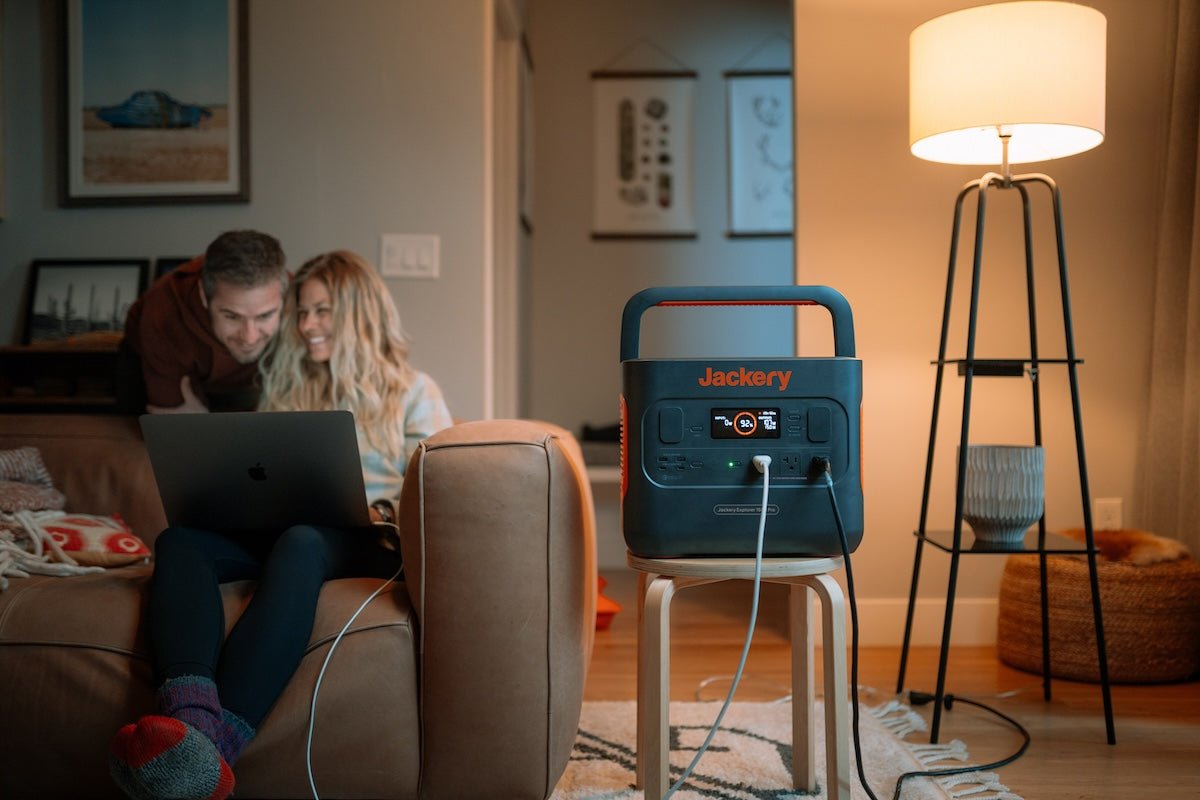
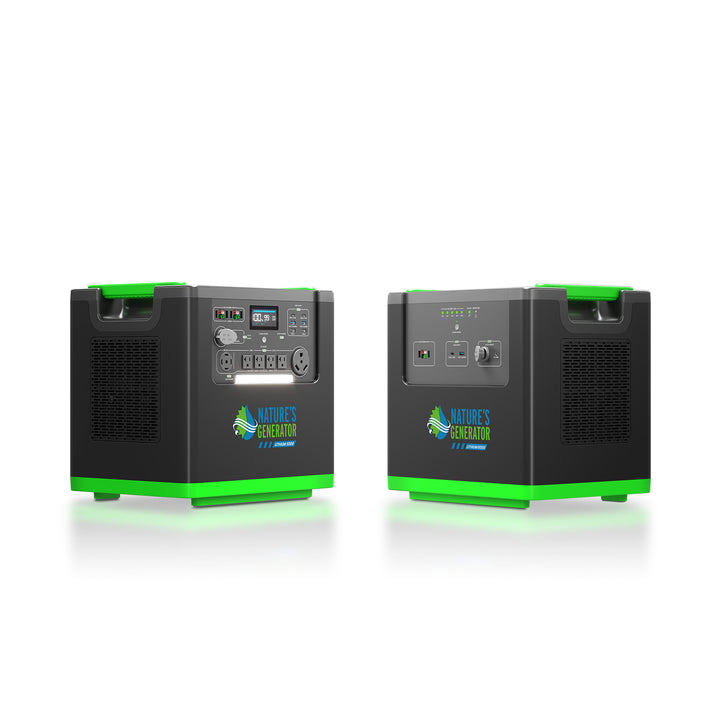
Battery systems are great for indoor use. They store energy for emergencies. No fumes or noise are produced. They are silent and clean. Easy to install and maintain. Can be used in small spaces. Rechargeable batteries offer long-term use. They are more eco-friendly. Ideal for homes and offices. Ensure they have enough capacity for your needs.
Expert Recommendations
Using diesel generators indoors can be very dangerous. They produce harmful gases like carbon monoxide. These gases can cause serious health problems. Always ensure proper ventilationwhen using them indoors. Keep doors and windows open. This helps in reducing the gas buildup. Never place generators near windows. Exhaust fumes can enter and be harmful. Use long exhaust pipes to direct gases away. Proper maintenanceis crucial for safety. Regularly check for leaks or damages. Keep generators clean and serviced.
Professionals can provide valuable advice. They ensure safetymeasures are followed. Experts can suggest the best generator models for indoor use. They help in understanding ventilation needs. Consulting can prevent accidents and hazards. Professionals know how to maintain generators safely. They can also provide installation services. This ensures everything is set up correctly.
Credit: naturesgenerator.com
Frequently Asked Questions
Can You Run A Diesel Generator Inside?
No, running a diesel generator inside is unsafe. It produces carbon monoxide, which can be deadly in enclosed spaces. Always operate it outdoors or in well-ventilated areas. Ensure proper ventilation to avoid health hazards. Safety precautions are crucial to prevent carbon monoxide poisoning.
Does A Diesel Generator Give Off Carbon Monoxide?
Yes, diesel generators emit carbon monoxide. This colorless, odorless gas is harmful and can be deadly. Ensure proper ventilation to minimize risks. Regular maintenance helps reduce emissions. Always use generators outdoors, away from windows and doors. Ensure safety measures are in place to protect against carbon monoxide poisoning.
What Kind Of Generator Can You Run Indoors?
Use indoor generators like inverter generators or battery-powered units. These are safe and emit no harmful fumes. They provide quiet operation and are ideal for small appliances. Always ensure proper ventilation and follow manufacturer guidelines for safe use indoors. Avoid using gasoline generators inside due to carbon monoxide risks.
What Happens If You Use A Generator Indoors?
Using a generator indoors can cause carbon monoxide buildup. This is a dangerous, odorless gas that can lead to poisoning or death. Always operate generators outdoors, far from windows and doors, to ensure safety and proper ventilation.
Conclusion
Using diesel generators indoors poses significant risks. Carbon monoxide is a silent threat. It can accumulate quickly in enclosed spaces. Always prioritize safety first. Proper ventilation is crucial to prevent hazards. Diesel generators need fresh air to function safely. Consider alternative power options for indoor use.
Battery backups or solar power might be safer choices. Always read and follow the manufacturer’s instructions carefully. Regular maintenance is essential for safe operation. Consult professionals for guidance if unsure. Safety should never be compromised. Be smart and stay safe.