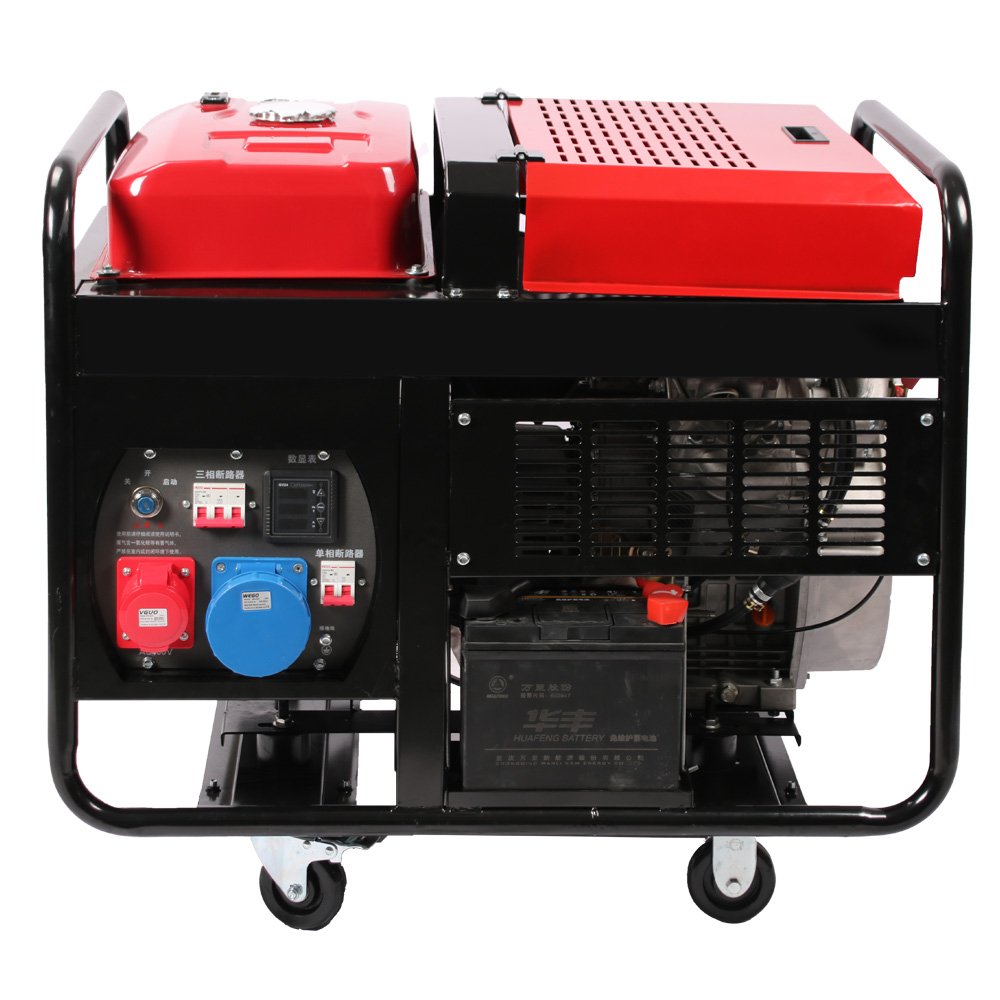
Are you considering a diesel generator for your power needs? While these machines are known for their durability and efficiency, they come with a few drawbacks you should be aware of.
Understanding these disadvantages can help you make a more informed decision, ensuring your investment aligns perfectly with your expectations. Imagine investing in a generator only to face unexpected challenges that could have been avoided. By exploring the downsides now, you can sidestep potential frustrations and make the best choice for your needs.
Keep reading to discover the lesser-known disadvantages of diesel generators and how they might impact you.
Credit: hansensupertechs.com
Environmental Impact
Diesel generators release harmful gases into the air. These gases include nitrogen oxides and particulate matter. Both are bad for the environment and human health. Breathing in these gases can cause health problems. People with asthma may find it hard to breathe. Nature suffers too. Plants and animals are affected by poor air quality.
Diesel generators make a lot of noise when running. This noise can disturb both people and animals. It can be especially annoying in quiet areas. Noise pollution affects sleep and concentration. It can lead to stress and other health issues. Communities often complain about the constant noise. This makes diesel generators less desirable.
Fuel Dependency
Diesel generators need diesel fuel to work. Diesel prices can go up fast. This makes running generators cost more money. Many people find this hard. Diesel prices can change without warning. This makes it tough to plan budgets. The rising cost of diesel can hurt families and businesses. They spend more on fuel than other needs.
Diesel fuel is not always easy to find. In some areas, it is very limited. This makes it hard to run diesel generators. People might have to go far to get fuel. This takes time and costs more money. If diesel runs out, generators stop working. This can cause big problems, especially during emergencies. People must plan carefully to avoid running out.
Maintenance Challenges
Diesel generators often face maintenance challenges due to their complex engine systems. They require frequent servicing to ensure optimal performance. Additionally, diesel fuel can degrade over time, affecting efficiency and reliability.
Regular Servicing Needs
Diesel generators need regular servicingto run smoothly. This includes oil changes, filter replacements, and system checks. Skipping these tasks can lead to serious problemsand costly repairs. Owners must plan for frequent maintenance sessions. These sessions can be time-consuming and require skilled technicians. Keeping up with these needs ensures the generator remains reliable. Failing to do so might cause unexpected breakdowns.
Complex Repairs
Some diesel generator issues are complexand hard to fix. These require expert knowledge and specialized tools. Not every technician can handle these repairs effectively. Finding a skilled repair service can be challenging. These repairs can also be quite expensive. Owners need to budget for these potential costs. It’s crucial to address small problems quickly. This can prevent bigger, costly issues in the future.

Credit: powerup-tech.com
Efficiency Concerns
Diesel generators often have lower energy efficiencythan other generators. They use more fuel to produce the same power. This means higher running costs. It’s not the best choice for long-term use. Efficiency loss can increase over time. Regular maintenance is needed to keep them running well.
Performance of diesel generators can vary with temperature changes. In cold weather, they might start slowly. In very hot weather, they can overheat. This can lead to more repairs. Diesel fuel can thicken in cold, affecting performance. Keeping them in good working condition can be challenging. Consistent performance is not always guaranteed.
Safety Hazards
Diesel generators can pose safety hazards, including fire risks from fuel leaks. Noise pollution is another drawback, disturbing nearby residents and workers. Emissions from diesel engines contribute to air pollution, impacting health and the environment.
Risk Of Fire
Diesel generators can catch fire easily. Fuel leaks can cause fires. Hot surfaces may ignite spilled fuel. Regular checks are vital for safety. Keep flammable items away from generators. Fire extinguishers should be nearby.
Exposure To Toxic Emissions
Diesel generators release harmful gases. Breathing these gases can make you sick. Carbon monoxide is very dangerous. It can cause headaches and dizziness. Long exposure might lead to health problems. Proper ventilation is necessary. Ensure regular maintenance to minimize emissions.
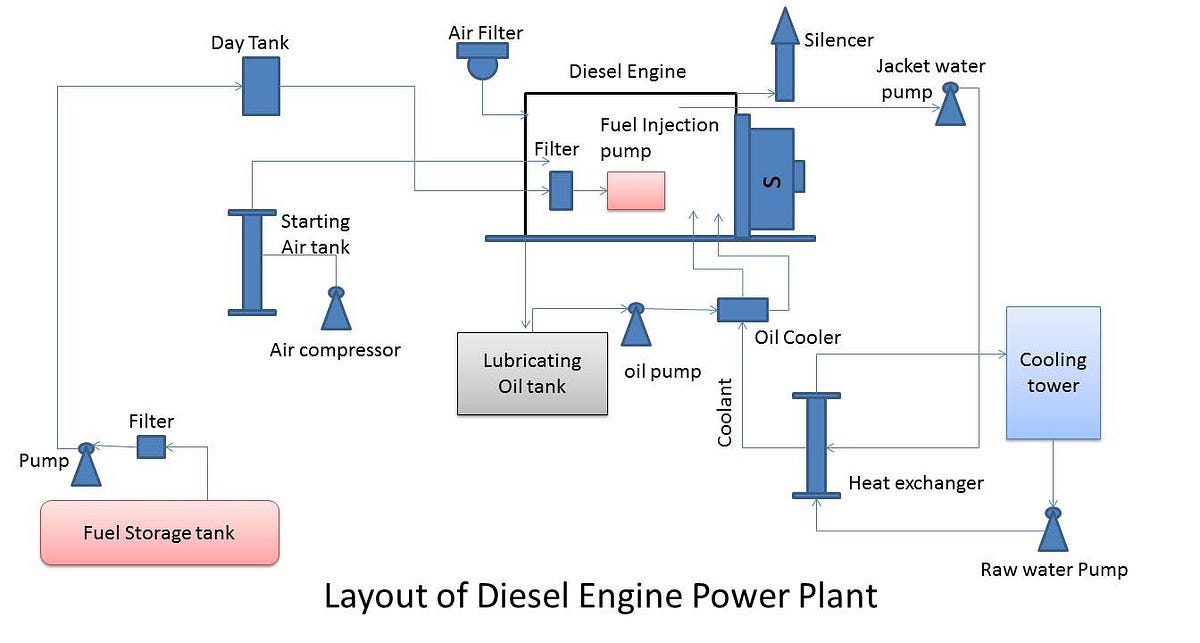
Credit: medium.com
Economic Implications
Diesel generators are expensive to buy. The initial cost is very high. Many people find it hard to afford. The cost includes the machine itself and installation. Businesses may need to spend a lot upfront. This can be a big financial burden. It’s important to plan before buying. Large generators cost even more. Smaller ones are cheaper but still costly. Always compare prices before making a decision. Some people choose diesel because of long-term savings. But the upfront cost remains a challenge.
Diesel generators can break down. This leads to operational losses. Repairs may take time. During repairs, work can stop. This affects business productivity. Spare parts are sometimes hard to find. Getting them can delay repairs. Fuel costs can also rise. This makes running the generator more expensive. Regular maintenance is needed to avoid breakdowns. This adds to the operational costs. Planning for these issues is crucial.
Technological Limitations
Diesel generators often face environmental criticism due to emissions and noise pollution. Their operation can be costly with fluctuating fuel prices. Limited efficiency at low loads also makes them less sustainable for continuous use.
Integration Issues
Diesel generators often face integration issueswith modern systems. They lack the ability to connect with new technology seamlessly. This makes them less adaptableto changes in power needs. Many systems today require smart technologyto operate efficiently. Diesel generators do not meet this requirement. This can cause problems for businesses trying to modernize. They might need extra equipment or support.
Lack Of Remote Monitoring
Many diesel generators do not offer remote monitoringfeatures. This means users cannot check the generator from far away. If a problem occurs, someone must be there to fix it. Remote monitoring can save time and money. It allows quick responses to issues. Without it, a business might face delays and extra costs. Diesel generators often require manual checks instead.
Alternatives And Solutions
Diesel generators can be noisy and produce harmful emissions, impacting the environment. They also require regular maintenance, which can be costly over time. Exploring alternatives like solar or wind energy can offer cleaner and quieter solutions.
Renewable Energy Options
Solar panels are a great choice. They use sunlight to make power. Wind turbines spin to produce energy. Both options are clean and green. They don’t pollute the air. Hydropower uses water to generate electricity. It’s another clean energy source. These options help protect our planet.
Hybrid Systems
Hybrid systems combine different energy sources. They use renewable and non-renewable energy together. Solar panels and diesel generators can work as a team. This makes power more reliable. Wind turbines can also join diesel generators. Hybrid systems offer more stable power. They reduce dependency on diesel alone.
Frequently Asked Questions
What Is A Downside Of Using Diesel Generators?
Diesel generators emit harmful pollutants, contributing to air pollution and environmental degradation. Their noise can disturb nearby areas. Fuel costs are high, increasing operational expenses. Diesel engines require frequent maintenance, adding to overall costs. Limited fuel availability in remote areas can affect reliability.
What Is The Common Problem Of A Diesel Generator?
Diesel generators often face issues like fuel contamination, battery failure, or overheating. Regular maintenance can prevent these problems. Proper fuel storage and timely checks ensure optimal performance. Monitoring oil levels and addressing leaks are crucial for longevity. Regular testing helps in identifying potential faults early.
What’s The Worst Thing For A Diesel Engine?
Water contamination is the worst for diesel engines. It leads to rust, reduced lubrication, and injector damage. Regularly check fuel and storage systems for leaks. Use water separators and fuel additives for protection. Proper maintenance ensures long-term engine health and performance.
What Is The Life Expectancy Of A Diesel Generator?
A diesel generator typically lasts between 10,000 to 30,000 hours. Regular maintenance extends its lifespan. Usage conditions, load, and care impact longevity. High-quality models and proper servicing ensure optimal performance over time. Investing in good diesel fuel and timely check-ups enhances durability and efficiency.
Conclusion
Diesel generators have several drawbacks to consider. They produce noise, which can be disruptive. Operating costs are high due to fuel prices. Regular maintenance is necessary, adding to expenses. Diesel emissions impact the environment negatively. It’s crucial to weigh these factors before deciding on a diesel generator.
Understanding these disadvantages helps in making informed choices. Consider alternative energy sources for a cleaner option. Each choice has its own pros and cons. Ensure the decision aligns with your needs and priorities. Always prioritize efficiency and sustainability in power solutions.