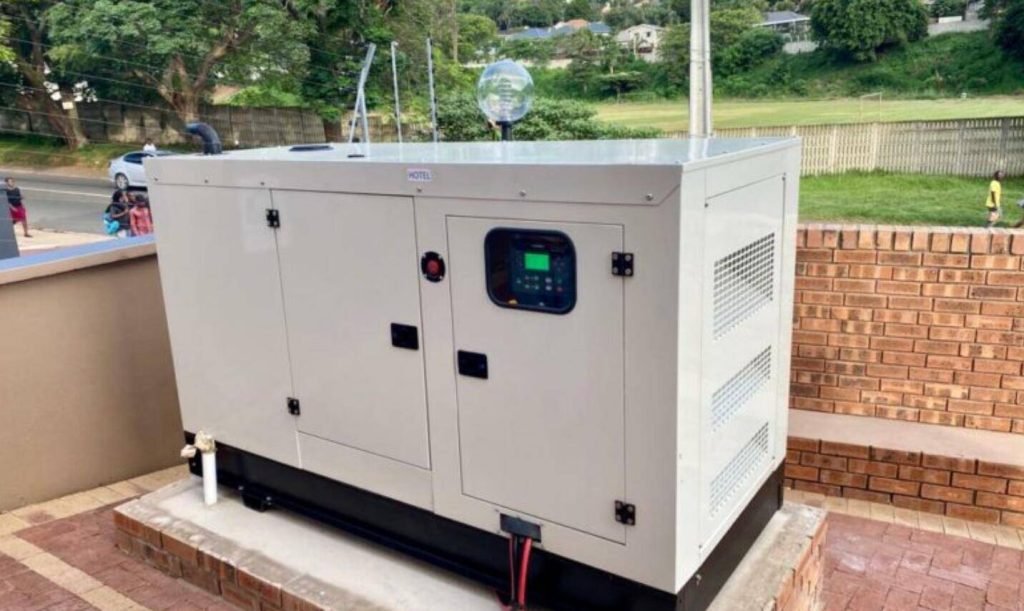
Imagine you’re in the middle of a crucial project, and suddenly, the power goes out. Panic sets in as you watch the minutes tick by, hoping everything will come back online soon.
This is where your trusty diesel generator steps in, saving the day. But here’s a question that might be lingering in your mind: How long can your diesel generator run continuously without a hitch? Understanding the limits and capabilities of your diesel generator is vital.
It ensures you’re prepared for any situation, whether you’re managing a bustling business, hosting an event, or simply dealing with a power outage at home. Knowing how long you can rely on your generator without interruption isn’t just about convenience—it’s about peace of mind. We’ll dive into the factors affecting the continuous operation of diesel generators. We’ll explore the balance between efficiency and longevity, and provide you with actionable insights to maximize your generator’s performance. Stick with us, and by the end, you’ll have a clear understanding of how to keep your power supply running smoothly, no matter what life throws your way.
Credit: turnkey-industries.com
Factors Affecting Continuous Run Time
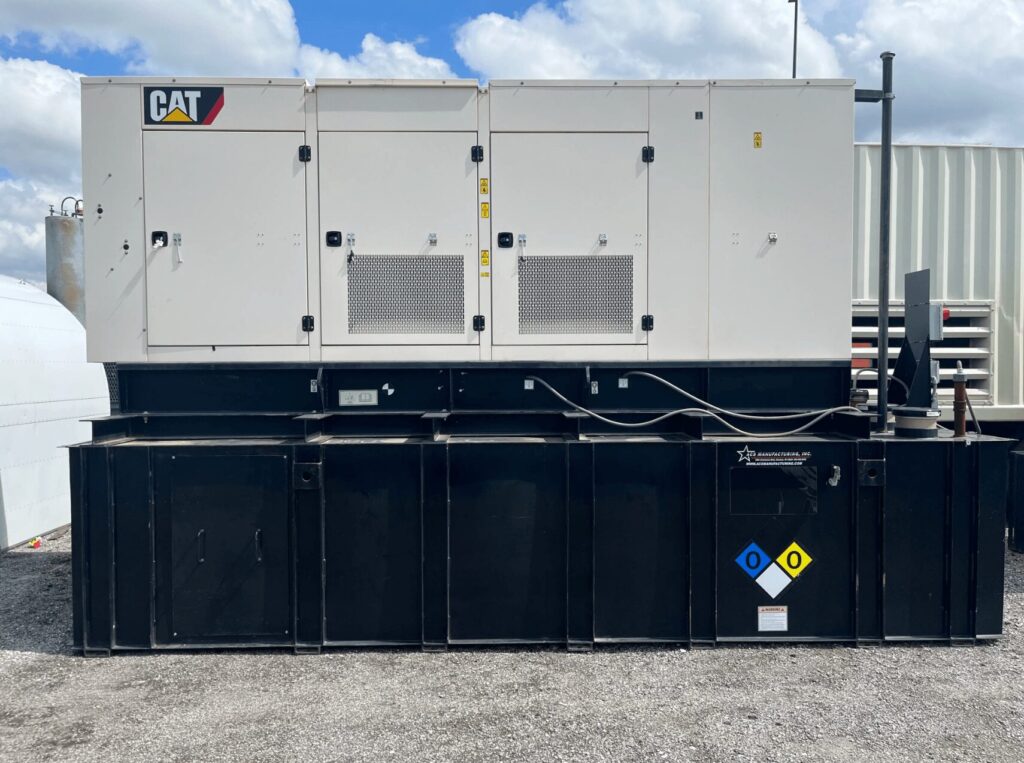
Diesel generator run time depends on fuel capacity, engine efficiency, and maintenance. Airflow and temperature also affect performance. Regular checks ensure longer continuous operation.
Fuel Capacity
A larger fuel tankmeans a generator runs longer. Diesel generators use fuel stored in tanks. The size of the tank affects how long it runs. Bigger tanks mean fewer refuels. Small tanks need frequent refills, interrupting power supply.
Engine Design
Strong engines run longer without breaks. Some engines work better under stress. They have good parts that last long. Engines with fewer moving parts require less maintenance. This helps in continuous operation.
Cooling Systems
Good cooling systems keep engines from overheating. Engines need to stay cool to run long. Air-cooled systems are simple and work well. Water-cooled systems are efficient for big engines. Proper cooling extends run times.
Maintenance Requirements
Regular checks keep generators in top shape. Timely oil changes and filter replacements are vital. They prevent sudden breakdowns. Well-maintained generators last longer. Proper care ensures uninterrupted power supply.
Credit: turnkey-industries.com
Types Of Diesel Generators
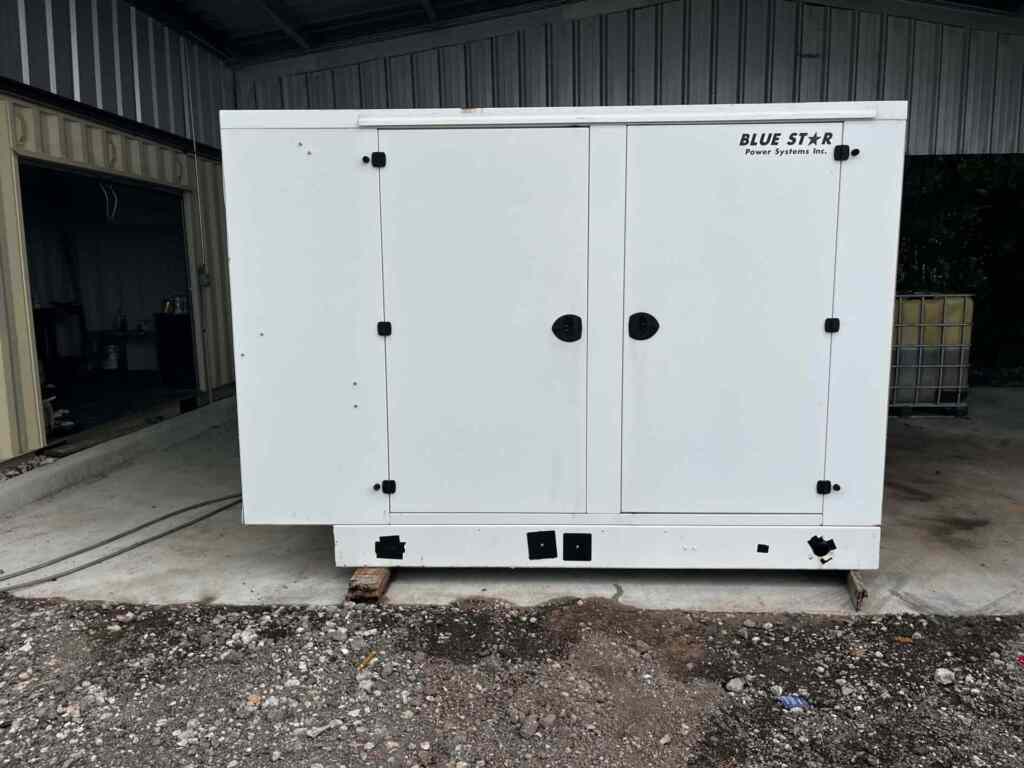
Diesel generators vary in their ability to run continuously. Portable models typically operate for a few hours, while large industrial units can run non-stop for days, provided they receive regular maintenance and have an adequate fuel supply. Proper care ensures longer, uninterrupted power supply.
Portable Generators
Portable generators are small and easy to move. They are perfect for camping trips and small outdoor events. Power output is lower compared to other types. They run for a few hours at a time. Not ideal for long-term use.
Standby Generators
Standby generators are used during power outages. They automatically turn on when power fails. They can run for days or weeks. Fuel supply must be consistent for longer operation. They are often found in homes and businesses.
Prime Generators
Prime generators run for long periods. They are used in areas without reliable electricity. They provide continuous power for construction sites and remote locations. They need regular maintenance to keep running smoothly. Prime generators are durable and strong.
Manufacturer Specifications
Diesel generators can run continuously for long periods, depending on fuel capacity and maintenance. Typically, they operate from 8 to 24 hours without refueling. Regular checks ensure longer, uninterrupted service.
Recommended Run Time
Manufacturers give advice on how long diesel generators can run. Most suggest running them for 8 to 24 hours at a time. This helps avoid wear and tear. Always check the manual for exact times. Each model can be different.
Load Capacity
Diesel generators come in different sizes and strengths. The load capacity tells how much power it can produce. Running at full capacity is not always best. It can shorten the generator’s life. Manufacturers often recommend using 70% to 80% of the full load. This keeps the generator safe and lasting longer.
Efficiency Ratings
Generators have efficiency ratings. These ratings show how well they use fuel. Higher ratings mean less fuel is used for more power. Look for generators with good ratings. This saves fuel and money. Always consider the ratings when choosing a generator.
Credit: turnkey-industries.com
Safety Considerations
Understanding safety considerations is key when running a diesel generator continuously. Regular checks on fuel levels and engine temperature help prevent overheating and ensure safe operation. Adequate ventilation is essential to avoid harmful fumes, safeguarding both equipment and users.
Overheating Risks
Diesel generators can get very hot. Running them for long can cause overheating. This can damage the engine. It is important to check the temperature. Use fans or coolants to keep the engine cool. Always monitor it.
Fire Hazards
Generators use fuel to run. This fuel is flammable. Keep the generator in a safe place. Stay away from anything that can catch fire. Ensure the area is clear of flammable items. Regularly check for fuel leaks. Fix leaks quickly to avoid fires.
Exhaust Management
Generators produce exhaust gases. These gases can be harmful. Make sure the exhaust pipe is clear. Direct exhaust away from people and buildings. Use proper ventilation. This keeps the air safe to breathe.
Environmental Impact
Diesel generators release harmful emissionsinto the air. These emissions include carbon dioxide and nitrogen oxides. These gases are bad for the environment. They contribute to global warming. This affects the planet’s temperature and weather patterns. Reducing emissions can help the earth.
Diesel generators are very noisy. They create loud sounds when running. This noise can disturb people and animals. It is important to place generators far from homes. This helps reduce noise pollution. Ear protection is needed if you are near the generator.
Diesel generators use a lot of fuel. They need diesel to keep running. The more fuel they use, the more emissions they produce. This can increase costs and harm the environment. Using less fuel can save money and protect nature.
Tips For Extended Operation
Keep the generator clean to avoid overheating. Check oil levels often to ensure smooth running. Inspect filters and replace them when dirty. Listen for strange noises that may signal problems. Tighten loose bolts to prevent damage. Make sure all connections are secure. Regular checks help the generator last longer.
Store diesel fuel in a cool, dry place. Use fuel additives to keep it fresh. Check fuel levels daily to avoid running out. Monitor fuel quality and replace if degraded. Plan for fuel delivery before levels get too low. Proper fuel management ensures continuous operation.
Install systems to track performance. Set alerts for low fuel or high temperature. Use sensors to check for leaks. Monitor power output to avoid overload. Check system regularly for faults. Good monitoring helps prevent breakdowns.
Frequently Asked Questions
How Long Can You Leave A Diesel Generator Running?
A diesel generator can run continuously for 24-72 hours, depending on the model and fuel supply. Regular maintenance ensures longer operation. Monitor oil, coolant, and fuel levels to prevent overheating and engine damage. Always follow manufacturer guidelines for safe and efficient use.
How Long Can A Diesel Generator Run On A Full Tank?
A diesel generator can run for 8 to 24 hours on a full tank, depending on the model and load. Fuel efficiency and tank size influence runtime. Regular maintenance ensures optimal performance and longer operation. Always check the manufacturer’s specifications for precise details.
Is It Okay To Run A Generator 24 Hours A Day?
Running a generator continuously is possible, but ensure proper maintenance to prevent overheating. Check oil levels regularly. Allow breaks for cooling. Follow manufacturer’s guidelines for safe operation. Consider noise and fuel costs. Use in a well-ventilated area. Continuous use may shorten lifespan.
Always prioritize safety measures.
How Many Hours Will A Diesel Generator Work?
A diesel generator can operate continuously for 8-24 hours, depending on fuel tank size and load capacity. Regular maintenance extends its lifespan, ensuring efficient performance. Always consult the manufacturer’s guidelines for optimal use and safety.
Conclusion
A diesel generator offers reliable power when needed. Its continuous run time depends on several factors. Fuel capacity, load demands, and maintenance play key roles. Regular checks ensure longer operation. Proper ventilation prevents overheating. Always follow the manufacturer’s guidelines for safety.
Consider the generator’s efficiency for your needs. This helps in planning extended use. Remember, overloading can shorten run time. So, balance the load carefully. With these tips, your diesel generator can run smoothly. Always prioritize safety and maintenance. This ensures your generator serves you well.