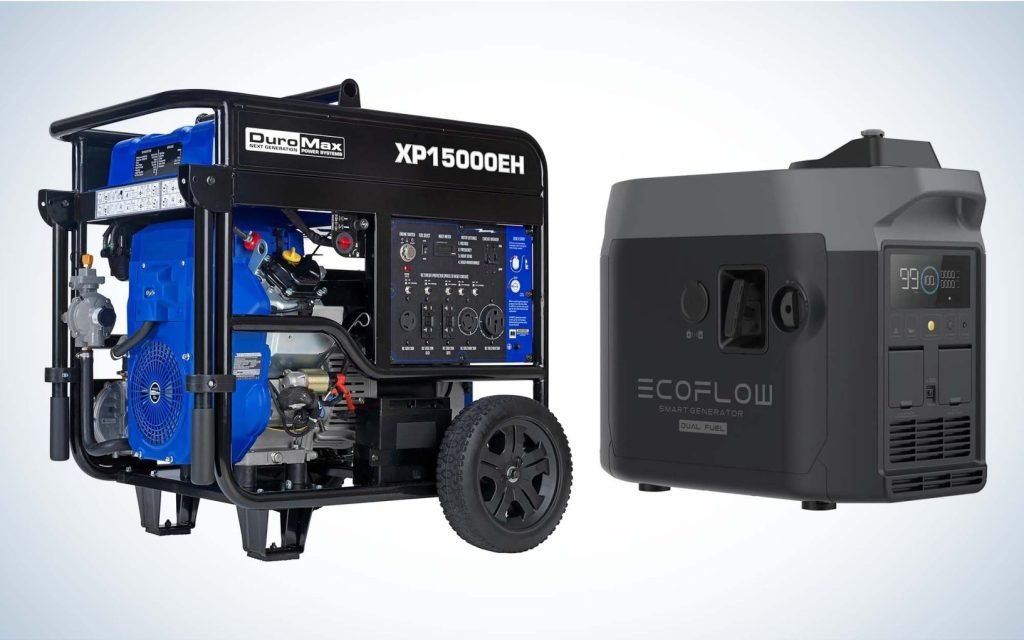
Are you considering a dual fuel generator but unsure if it can run on diesel? You’re not alone.
Many people are exploring the versatility and reliability of dual fuel generators for their power needs. These machines promise the flexibility of using more than one type of fuel, but what does that mean for you? Imagine never being caught off guard by power outages, knowing you have a reliable backup plan.
But, can your generator handle diesel, a common and easily accessible fuel? Understanding this could save you time and money. Dive into this article to uncover the truth about dual fuel generators and diesel compatibility, and make informed decisions for your home or business. Your peace of mind could be just a few paragraphs away.
Dual Fuel Generator Basics
Dual fuel generators can use two types of fuel. These fuels are usually gasoline and propane. This gives flexibility for different situations. The generator switches between fuels easily. Switching is done with a simple control. These generators are very useful during power outages. They ensure continuous power supply. Propane is cleaner than gasoline. It produces fewer harmful emissions. This is better for the environment.
Dual fuel generators have several important parts:
- Engine:Powers the generator.
- Fuel tank:Stores gasoline or propane.
- Control panel:Switches between fuels.
- Alternator:Converts engine power to electricity.
- Exhaust system:Releases waste gases.
These components work together for efficient power generation. Understanding these parts helps in maintaining the generator. Proper care ensures long-lasting performance.
Diesel As A Fuel Option
Diesel is a thick, oily liquidthat fuels many engines. It is denserthan gasoline, which makes it powerful. Diesel burns slowlyand efficiently. It produces more energy per gallon. This makes it a popular choice for heavy machinery. Diesel engines are usually more durablethan gasoline engines. They can last longer with proper care. Diesel has a distinct smell and is often less flammablethan other fuels.
- Energy Efficiency:Diesel engines use less fuel.
- Durability:Engines last longer and are strong.
- Power:Diesel provides more power for heavy tasks.
- Cost-Effective:Diesel is often cheaper in the long run.
- Availability:Diesel is easy to find at stations.
Compatibility With Diesel
Dual fuel generators usually run on gas and propane. Diesel is not a standard option. Using diesel needs special parts. Diesel engines have different designs. They need specific fuel systems. Diesel fuel pumps and injectors are required. These are not in standard dual fuel generators. Check the engine manual for diesel compatibility. It will provide guidance on fuel types.
To run on diesel, modifications are essential. You may need to change the fuel delivery system. This includes the fuel pump and injectors. Exhaust systems may need updates. Diesel produces more emissions. Cooling systems might also need upgrades. Diesel engines get hotter. Always consult a professional mechanic. Modifying engines without knowledge is risky. Safety should always come first.
Performance Metrics
Dual fuel generators can run on diesel, offering flexibility and reliability. Performance metrics show efficient energy output and fuel consumption. Ideal for emergencies, they adapt easily to varying fuel availability.
Efficiency And Output
Dual fuel generators can use both gas and diesel. They are efficient and powerful. Diesel gives more power than gas. The generator runs longer on diesel. It uses less fuel to give more energy. This means you save money on fuel. Output is stable and reliable. These generators are good for homes and businesses. They can handle heavy loads easily. Choose the right size for your needs. A larger generator gives more power. A smaller one is for light tasks.
Emissions And Environmental Impact
Diesel fuel makes more emissions than gas. These emissions are not good for the air. They cause pollution and harm nature. Dual fuel generators help reduce this. They switch between diesel and gas. Using gas makes fewer emissions. This is better for the environment. Clean air is important for health. It also keeps the earth safe. Always check emissions levels. Follow rules for clean air. This keeps everyone healthy.
Comparative Analysis
Dual fuel generatorscan use two kinds of fuel. These are usually gas and propane. Gas is cheaperthan propane. But propane is easier to store. Using both fuels gives more flexibility. It helps save money. Propane costs more but lasts longer. It is best for long power cuts.
Dual fuel generatorsare strong. They last for many years. They work in bad weather too. These generators start quickly. They switch fuels without stopping. Gasolinemay not last long in storage. But propane does. This makes the generator more reliable. It is always ready to use.

Credit: generatorbible.com
Practical Applications
Dual fuel generators primarily run on gasoline and propane, not diesel. They offer flexibility for different fuel availability. Diesel generators are separate units designed specifically for diesel fuel usage.
Industries Using Diesel Generators
Many industries use diesel generatorsfor their power needs. Construction sites rely on them to keep machines running. Factories use diesel generators for backup power. Hospitals need them to ensure critical equipment works. These generators help industries stay operational during power outages.
Case Studies And Examples
In one case, a hospital used a diesel generator during a storm. It provided power when the electricity was out. Another example is a factory during a blackout. The diesel generator kept machines running. Both cases show the importance of diesel generators. They keep industries working smoothly in emergencies.
Future Prospects
Dual fuel generators offer flexibility, running on both gasoline and propane. Their future prospects include exploring diesel compatibility, potentially enhancing efficiency and fuel options. This versatility could appeal to users seeking reliable backup power sources with diverse fueling possibilities.
Technological Advancements
Dual fuel generators are becoming smarter. Innovations are making them more efficient. Engine designs are evolving rapidly. Fuel management systems are improving. These advancements help save fuel. They also reduce emissions significantly. Smart controls allow better performance. This helps in harsh environments. Remote monitoring is possible now. It helps in tracking generator health.
Market Trends
The demand for dual fuel generators is growing. People want flexible fuel options. More homes are using them for backup. Businesses find them cost-effective. The market sees increasing interest. Eco-friendly solutions are in demand. These generators fit well with green initiatives. Many manufacturers are introducing new models. Prices are becoming competitive. This attracts more buyers.

Credit: coffeeavenue.eu

Credit: westinghouse.com
Frequently Asked Questions
What Happens If I Put Diesel In My Generator?
Putting diesel in a gasoline generator can cause serious damage. It may lead to engine malfunction, inefficient performance, or complete failure. Always use the recommended fuel type to ensure proper functioning and longevity of your generator. Regular checks and maintenance can prevent accidental fuel mix-ups.
Is It Cheaper To Run A Generator On Propane Or Diesel?
Diesel generators are generally cheaper to run than propane. Diesel is more energy-dense, providing longer run times. Propane costs can fluctuate, affecting overall expenses. However, consider maintenance and environmental factors when choosing between them.
What Is A Downside Of Using Diesel Generators?
Diesel generators produce harmful emissions, contributing to air pollution and environmental degradation. They often require costly maintenance and fuel. Noise pollution is another concern, impacting surrounding areas. Their reliance on non-renewable energy sources makes them less sustainable compared to alternatives like solar or wind power.
What Is The Disadvantage Of A Dual Fuel Generator?
Dual fuel generators are often more expensive and complex to maintain. They may require frequent fuel checks and adjustments. Fuel availability can be limited, affecting convenience. Performance efficiency might decrease when switching between fuel types. Users need to understand both fuel systems for optimal operation.
Conclusion
Dual fuel generators offer flexibility and convenience. They primarily run on gasoline and propane. Diesel isn’t a common option for these models. Understanding fuel options helps in making informed choices. This knowledge ensures better efficiency and cost savings. Dual fuel systems provide backup power during emergencies.
They are reliable and user-friendly. Always check your generator’s specifications. This ensures safe and efficient use. Investing in the right generator enhances energy security. It’s crucial for both home and business needs. Choose wisely to meet your power requirements effectively.