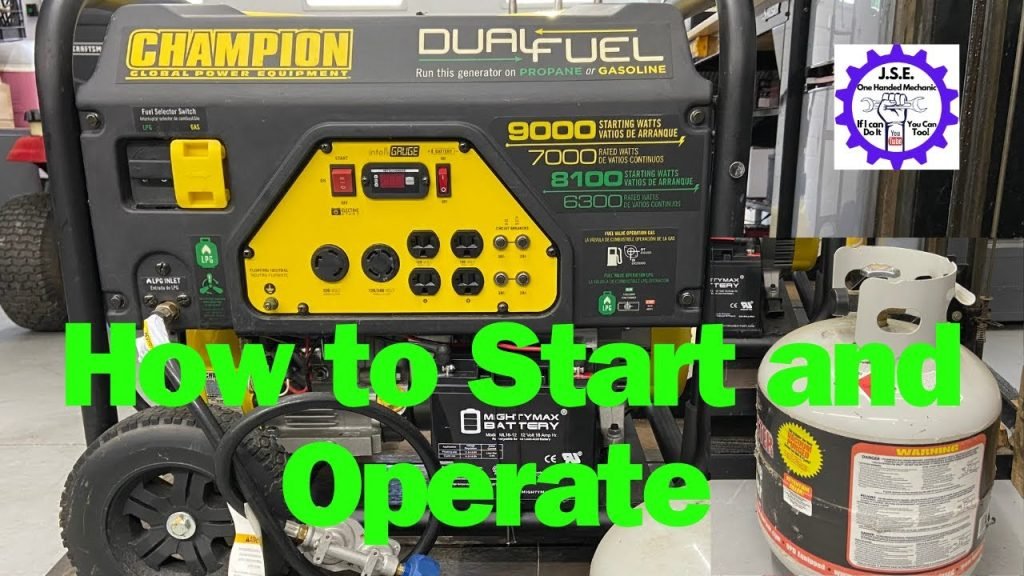
Are you noticing your dual fuel generator not performing at its best? A clogged carburetor might be the culprit.
Cleaning it is easier than you think and can save you from costly repairs down the line. Imagine the peace of mind you’ll have knowing your generator is running smoothly, ready to power your essentials when you need it most.
In this guide, you’ll learn step-by-step how to clean the carburetor on your dual fuel generator, ensuring it operates efficiently and reliably. Stay with us, and discover how a little maintenance can make a big difference in your generator’s performance.
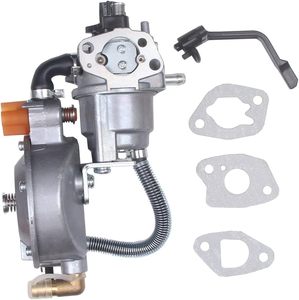
Credit: www.alibaba.com
Tools And Materials Needed
Gathering the right toolsand materialsis important. A few simple items will help you clean the carburetor. You’ll need a screwdriver and a wrench. These help you open parts easily. A can of carburetor cleaner is essential. It cleans away dirt and grime. Use a soft brush or old toothbrush to scrub gently. A clean cloth or rag is useful for wiping. Keep a small container handy to catch fuel. Safety gloves protect your hands. Safety goggles protect your eyes. Having these items ready makes the job easier.
Safety Precautions
Safety must come first. Always wear safety goggles and gloves. Protect your eyes and hands. Disconnect the generator from all power sources. This prevents unexpected starts. Work in a well-ventilated area. Avoid inhaling fumes or gases. Keep a fire extinguisher nearby. This helps in case of fire.
Check for any gas leaks. Use a flashlight to inspect hoses. Turn off all fuel valves. This stops fuel flow. Ensure the generator is cool before touching parts. Hot parts can cause burns. Keep children away from the work area. They might hurt themselves. Read the manual for your generator model. Follow the instructions carefully. This ensures you don’t miss steps.
Wear sturdy shoes to protect your feet. Move slowly and carefully around the generator. Be aware of your surroundings. Safety is crucial for a successful cleaning process.
Locating The Carburetor
First, turn off the generator. Ensure safety by unplugging it. Look at the engine side. The carburetor is near the air filter. It connects to the fuel line and engine. Identify the fuel line. It’s a rubber tube from the fuel tank. Find the air filter cover. It’s often a black or gray box. The carburetor is behind this cover.
Use a flashlight if needed. This helps see the small parts. Check the manual for pictures. It shows the carburetor’s exact location. Knowing this makes cleaning easier. Always handle with care. Avoid damaging any parts.
Removing The Carburetor
First, gather all your tools. You will need a screwdriver and wrench. Ensure the generator is off and cool. Safety is very important. Find the carburetor on the generator. It is usually near the engine. Carefully detach the fuel line. Watch out for any fuel spills. Use a container to catch any fuel. Unscrew the bolts holding the carburetor. Be gentle to avoid damage. Take note of each part as you remove it. This helps during reassembly. Keep the parts in a safe place. Now, the carburetor is ready for cleaning. Remember, patience is key.
Disassembling The Carburetor
Turn off the generator. Make sure it is cool. Remove the fuel line carefully. Disconnect all wires and hoses. Unscrew the mounting bolts. Lift the carburetor gently. Place it on a clean surface.
Identify the screws and clips. Use a screwdriver to remove them. Keep all parts organized. Check for dirt or damage. Use a brush to clean surfaces. Inspect the float and needle valve. Ensure they move freely.
Reassemble the carburetor carefully. Tighten screws and clips. Connect wires and hoses. Attach the fuel line securely. Mount the carburetor back. Ensure everything is tight. Test the generator to ensure it works.
Cleaning The Carburetor Components
The carburetor is a key part of the generator. It helps mix fuel and air. Cleaning it keeps the generator working well. First, remove the carburetor carefully. Use a soft brush to clean the outside. Make sure to avoid scratching the surface. A clean carburetor ensures better performance.
Cleaning Jets And Passages
Jets and passages need special care. Use a thin wire or needle to clean small holes. Dirt can block these jets and affect fuel flow. Rinse them with a cleaner. This helps remove stubborn grime. Ensure all parts are dry before reassembly.
Inspecting For Damage
Look for cracks or breaks in the carburetor. Damaged parts need replacement for safety. Check seals and gaskets for wear. Replace if they look old or torn. A healthy carburetor means smooth running.
Reassembling The Carburetor
Place the carburetor back in its spot carefully. Ensure all screws are tight and secure. Connect the fuel lines to their correct positions. Make sure the gaskets are aligned properly. This prevents leaks and ensures smooth operation. Reattach the air filter securely. Tighten the bolts but not too hard. Check if everything is in place.
Reconnect the linkages and springs. These help in controlling the throttle. Make sure they are attached firmly. Test the movement of the throttle lever. It should move freely without any obstruction.
Finally, reconnect the generator’s power supply. Make sure connections are firm and stable. Turn on the generator to test the carburetor. Listen for any unusual sounds. A clean carburetor should run smoothly.

Credit: www.ebay.ca
Reinstalling The Carburetor
Reinstalling the carburetoris an important step. First, make sure all parts are clean. Place the carburetor back in its spot. Attach it firmly with screws. Connect the fuel lines carefully. Ensure they are tight. Tighten every bolt securely. Check for any loose connections. This prevents leaks. Ensure the gasket is in place. It should seal properly. A loose gasket can cause issues.
Reconnect the air filter. Make sure it fits well. A good fit keeps dirt out. Dirt can damage the generator. Double-check all connections. Turn the generator on. Listen for odd sounds. Sounds may indicate problems. Adjust if needed. Check fuel flow. Make sure it runs smoothly. A steady flow is crucial. Proper installation ensures efficiency. Your generator will work better.
Testing The Generator
Before starting, ensure the generator is off. Safety comes first. Check the fuel and oil levels. They should be full. Inspect the spark plug for dirt. Clean it if needed. Turn the generator on. Listen for any strange sounds. These can indicate problems. Watch for smoke or unusual smells. They may point to issues. Test the electric output. Use a multimeter if you have one. Verify that the generator powers devices. If not, there may be a fault. Check the air filter for debris. It should be clean for proper function. Always follow safety guidelines. This prevents accidents and damages.
Maintenance Tips
Cleaning a carburetor helps the generator run smoothly. First, turn off the generator. Let it cool down before you start. Use a soft brush to remove dust and dirt. Be gentle to avoid damage. Next, remove the carburetor with a screwdriver. Place it on a clean surface. Now, open the carburetor bowl. Check for any debris inside. Use a carburetor cleaner spray to clean it. Spray gently inside the bowl. Wipe with a clean cloth. Ensure all parts are dry before reassembling.
Check the air filter for dirt. Clean or replace it if needed. Regular cleaning helps the generator perform better. Remember to clean every few months. This extends the generator’s life. Follow these steps for a well-maintained generator.

Credit: www.ubuy.tg
Frequently Asked Questions
Can You Clean A Generator Carburetor Without Removing It?
Yes, you can clean a generator carburetor without removing it. Use carburetor cleaner spray on accessible areas. Ensure the generator is off and cool before starting. Spray cleaner into the air intake and throttle body to dissolve deposits. Regular maintenance can prevent future buildup.
What Are The Symptoms Of A Dirty Carburetor On A Generator?
A dirty carburetor on a generator may cause engine sputtering, hard starting, reduced performance, black smoke, and stalling. You might also notice increased fuel consumption and a rough idle. Regular maintenance helps prevent these issues, ensuring your generator runs smoothly and efficiently.
Does A Dual Fuel Generator Use The Carburetor For Propane?
Yes, dual fuel generators use carburetors to mix propane with air. This ensures efficient combustion and power generation. Proper carburetor maintenance is essential for optimal performance and longevity. Regular checks can prevent clogs and ensure smooth operation with both propane and gasoline.
How To Unclog Carburetor Without Removing?
Use a carburetor cleaner spray directly into the carburetor throat. Ensure engine is off, remove air filter. Spray thoroughly, focusing on jets and passages. Let it sit for a few minutes, then start the engine to clear the residue. Repeat if necessary for optimal results.
Conclusion
Cleaning your dual fuel generator’s carburetor is essential. It ensures smooth operation. Follow the steps outlined for best results. Regular maintenance prevents costly repairs. Your generator will last longer. A clean carburetor boosts efficiency. This saves time and money. Always use the right tools.
Safety is important, so work in a well-ventilated area. Consult your manual for specific instructions. Keep your generator in top condition. Enjoy reliable power whenever you need it. Proper care brings peace of mind. Your efforts now ensure fewer issues later.
Happy maintenance!