Imagine a stormy night when the power suddenly goes out. Your home is plunged into darkness, and you’re left wondering how long it will last.
If you have a dual fuel generator, you’re halfway to a solution. But there’s a critical question you need to answer: Do dual fuel generators require a transfer switch? Understanding this could make all the difference between a seamless transition to backup power and a chaotic scramble in the dark.
We’ll delve into why a transfer switch might be more important than you think. You’ll discover how it enhances safety, efficiency, and convenience. By the end, you’ll have a clear understanding of whether a transfer switch is a must-have for your dual fuel generator setup. This information could be the key to keeping your home running smoothly during unexpected power outages. So, read on to ensure you’re fully prepared for any power interruptions that come your way.
Understanding Dual Fuel Generators
Dual fuel generators can operate with or without a transfer switch. A transfer switch ensures safe, automatic power transfer between sources. It’s an essential component for seamless energy management.
How Dual Fuel Generators Work
Dual fuel generators use two types of fuel. They usually use gasoline and propane. This makes them flexible and reliable. The generator switches fuels easily. It can run on one type if the other runs out. This is useful in emergencies. The engine is designed to handle both fuels. This allows for longer running times. Many people like this feature for home backup power.Benefits Of Dual Fuel Generators
- Fuel Flexibility: Use gasoline or propane as needed.
- Longer Run Time: Switch fuels to extend operation.
- Reliable Backup: Keeps power on during outages.
- Cost-Effective: Choose cheaper fuel during price hikes.
- Eco-Friendly: Propane burns cleaner than gasoline.
Role Of A Transfer Switch
Dual fuel generators benefit from a transfer switch to ensure seamless power transition. This device connects the generator to your home’s electrical system safely. It prevents overloads and ensures a smooth switch during outages.
Purpose Of A Transfer Switch
A transfer switch helps switch power sources safely. It prevents power surges. It protects appliances from damage. Without it, there can be confusion. Generators might not work right. The switch ensures only one power source at a time. It keeps the home safe and powered properly. It also helps in emergencies. Power can switch fast and easily.
Types Of Transfer Switches
- Manual Transfer Switch:Needs a person to switch power. Simple and less costly. Good for small setups.
- Automatic Transfer Switch:Switches power automatically. It senses power loss. Great for larger systems. More expensive than manual.
- Service Entrance Transfer Switch:Installed outside. Controls power for the whole home. Ideal for big houses.
Transfer Switch For Dual Fuel Generators
Dual fuel generators often benefit from a transfer switch for seamless power transition. This device ensures safe and efficient switching between power sources. Essential for preventing electrical hazards and maintaining consistent power supply.
Necessity Of A Transfer Switch
A transfer switchconnects the generator to your home. It ensures the generator power flows safely. Without it, there can be dangerous power surges. A transfer switch makes using generators easier. It prevents damage to home appliances. It also provides a safe way to switch power sources. This switch is crucial for homes with generators.
Compatibility With Dual Fuel Generators
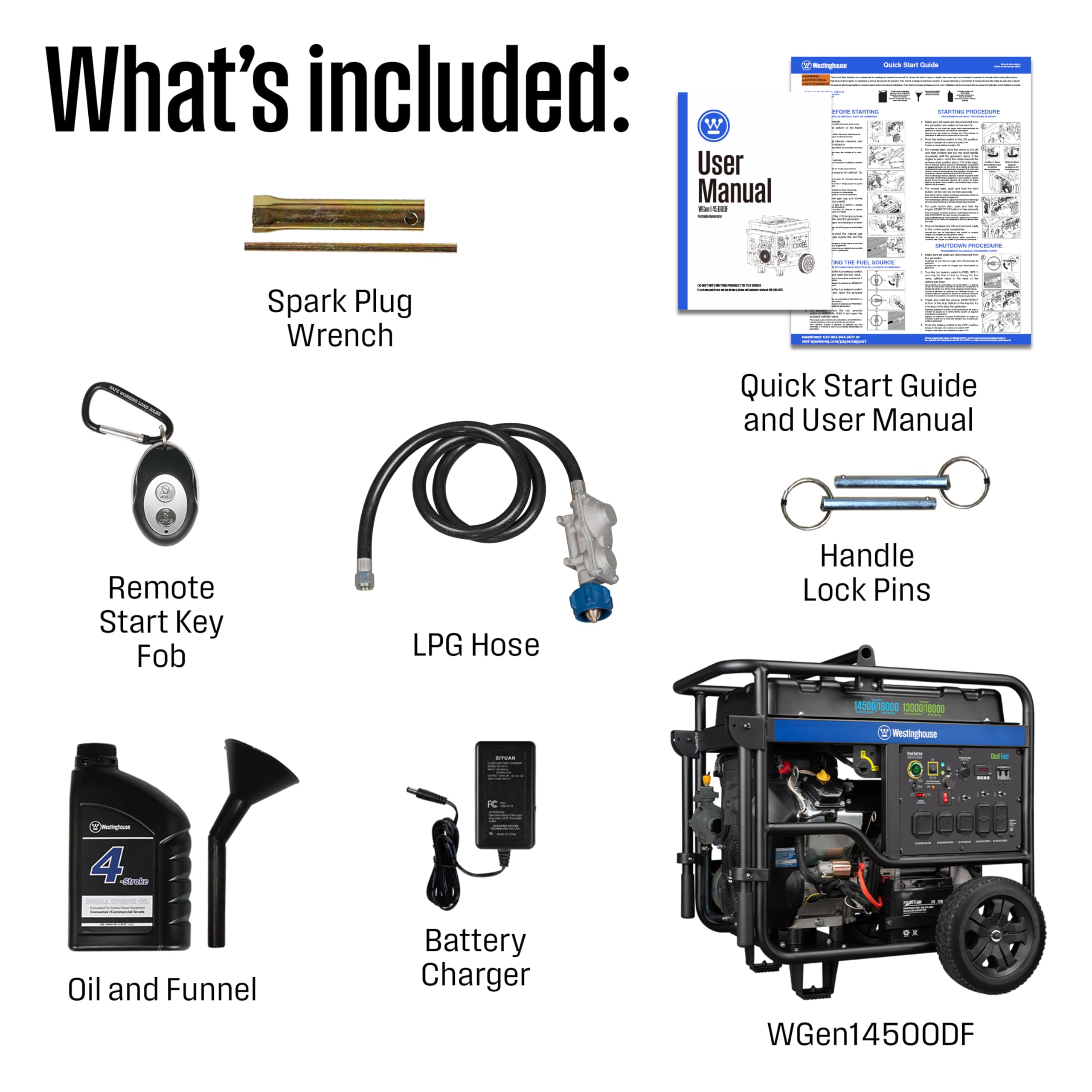
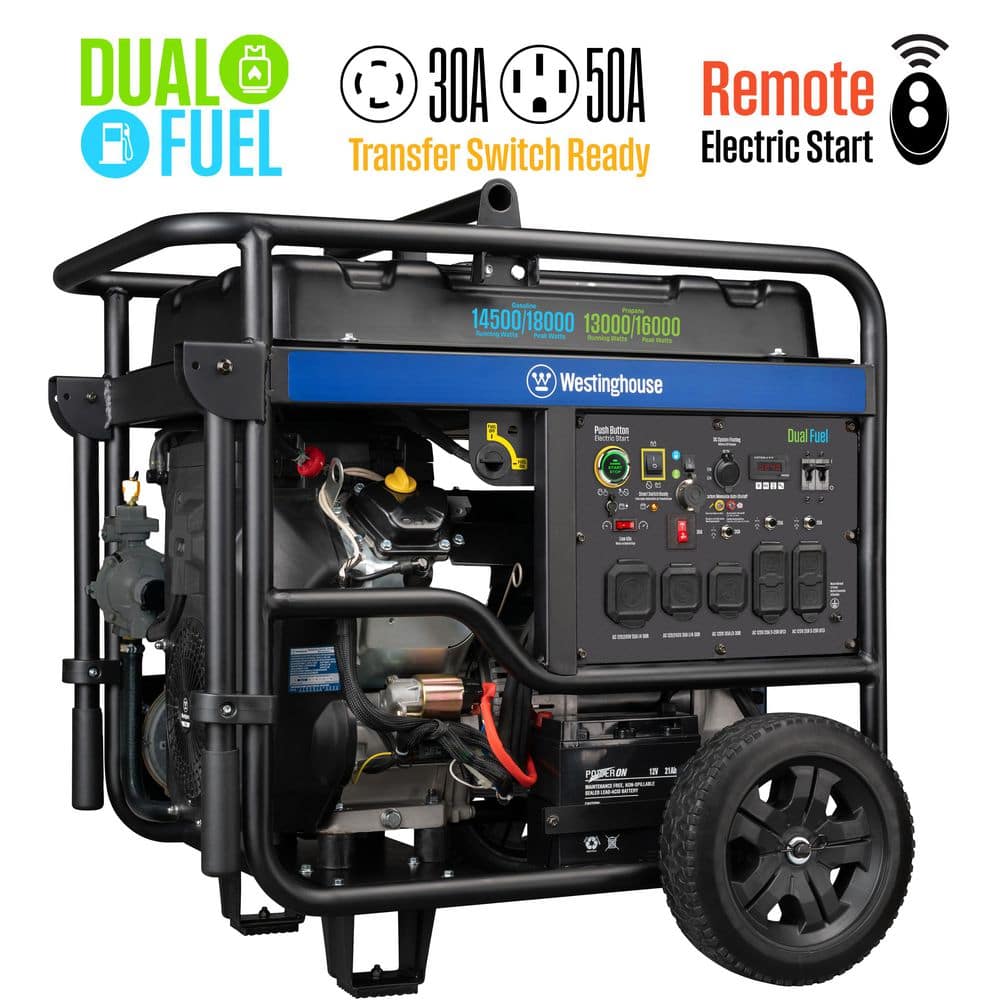
Dual fuel generators work with transfer switches. These generators use both gas and propane. A transfer switch helps them switch between fuels smoothly. It ensures a seamless power supply. Not all switches fit every generator. Checking compatibility is very important. Always choose the right switch for your generator. This ensures safe and efficient power use.
Credit: www.amazon.com
Installing A Transfer Switch
Turn off the main powerto ensure safety. Connect the generator plug to the transfer switch. Match each wire color to the switch. Tighten all screws. Check connections twice. Connect the ground wire to the grounding bar. Make sure all wires are secure. Double-check everything before turning on power.
Test the system by turning on a few appliances. Switch to generator power. Ensure everything works correctly. This ensures the switch is installed properly.
- Always wear gloveswhen handling wires.
- Ensure the area is dryand clean.
- Keep children and petsaway during installation.
- Use the right toolsfor the job.
- Call a professionalif unsure about any step.
Cost Considerations
Dual fuel generators may not always need a transfer switch. This depends on power needs and safety requirements. Evaluating these factors helps determine the necessity of a transfer switch for seamless power transitions.
Expense Of Transfer Switch Installation
Installing a transfer switch can be expensive. Electricians charge for their time and skills. The switch itself costs money too. Total costs depend on your home’s setup. Some homes need more work than others. It’s important to plan for these costs. They can add up quickly. But safety is very important. A transfer switch keeps your home safe. It prevents overloads and accidents. Always use a professional for installation. This ensures everything works right. Mistakes can be costly. Safety first, always.
Long-term Financial Benefits
Using a transfer switch can save money over time. It helps your generator work better. This means less wear and tear. Your generator will last longer. You won’t need repairs often. It also prevents power surges. These surges can damage home appliances. Fixing these can be costly. So, a transfer switch is smart. It’s a good investment for the future. You save money in the long run. It’s not just about today. Think about tomorrow too. Wise choices matter.
Credit: www.homedepot.com
Choosing The Right Transfer Switch
Transfer switches are important for dual fuel generators. They help manage power safely. Safety is the top concern when picking a switch. Check the switch’s compatibility with your generator. Compatibility ensures smooth operation. The switch should match your generator’s power capacity. Capacity prevents overloads and damage.
Factors To Consider
- Installation Ease:Choose a switch that is simple to install.
- Durability:Pick a switch that lasts long under stress.
- Cost:Consider your budget for buying and installing.
- Features:Look for extra features like remote control.
Recommended Brands And Models
| Brand | Model |
|---|---|
| Generac | RTS Series |
| Kohler | RXT Series |
| Eaton | BR Series |
Common Myths
Dual fuel generators often spark confusion about needing a transfer switch. Many believe it’s essential for operation, but not always true. Transfer switches ensure safety and efficiency, especially during power outages.
Misconceptions About Transfer Switches
Some think dual fuel generators don’t need transfer switches. This is a myth. Transfer switches keep homes safeduring power outages. They switch power from the grid to the generator. Without them, appliances may get damaged. People often misunderstand their importance. Transfer switches prevent overloadsin circuits. They help manage power flow smoothly. Many believe they are complex to install. But, professionals do it easily. This ensures safety and reliability.
Clarifying Common Confusions
Transfer switches are important for all generators. They protect your housefrom power surges. Some think they are optional. They are not. Generators need them for safe operation. Proper installation avoids electrical hazards. Without them, risks increase. Knowledge dispels mythsabout generators and switches. Understanding their role helps in making informed choices. Always use a transfer switch for dual fuel generators.

Credit: westinghouse.com
Maintenance Tips
Dual fuel generators generally need a transfer switch for safe operation. This device connects the generator to home circuits efficiently. It ensures a smooth power transition during outages.
Regular Checks And Inspections
Perform regular checks on your dual fuel generator. Look for any visible damages. Inspect the fuel lines for leaks. Ensure the battery is charged. Check the oil levels frequently. Clean the air filter regularly. Inspect the spark plug for wear. Keep the generator in a dry place. Ensure all connections are secure.
Troubleshooting Common Issues
Generators may face common issues. If it won’t start, check the fuel supply. Ensure the battery is charged. Look for clogged filters. If it runs rough, inspect the spark plug. Verify the oil level is correct. Check for any blockages in vents. Ensure there are no loose wires. These checks can solve many problems.
Frequently Asked Questions
Is It Illegal To Run A Generator Without A Transfer Switch?
Running a generator without a transfer switch isn’t illegal, but it’s unsafe. Transfer switches prevent backfeeding, protecting utility workers and equipment. Proper installation is crucial for safety. Consult local regulations, as rules may vary. Always prioritize safety and professional installation to avoid hazards and comply with electrical codes.
What Is The Disadvantage Of A Dual Fuel Generator?
Dual fuel generators can be complex, requiring more maintenance. They may also have higher upfront costs. Fuel efficiency might vary, affecting operational cost. Switching between fuels can cause power inconsistencies. Limited availability of specific fuel types can be a challenge.
Can You Use A Generator Without A Transfer Switch?
Yes, you can use a generator without a transfer switch, but it’s not recommended. Directly connecting a generator can be dangerous and may cause back-feeding. Use manual methods like extension cords for appliances instead. Always prioritize safety and consider consulting a professional for proper installation.
Do I Need A Transfer Switch For My Generac Generator?
Yes, a transfer switch is essential for safely connecting a Generac generator to your home’s electrical system. It prevents back-feeding, protects utility workers, and ensures a seamless power transition during outages. Always consult a professional for proper installation and compliance with local regulations.
Conclusion
Deciding on a transfer switch for your dual fuel generator can be essential. It ensures safety and smooth power transitions. Evaluate your specific needs and local codes. Some systems may require it; others might not. A professional can offer guidance.
This helps in making an informed decision. Always prioritize safety and efficiency for your home. Proper installation and use of your generator can save headaches. Keep your power needs in mind. And choose wisely for peace of mind.