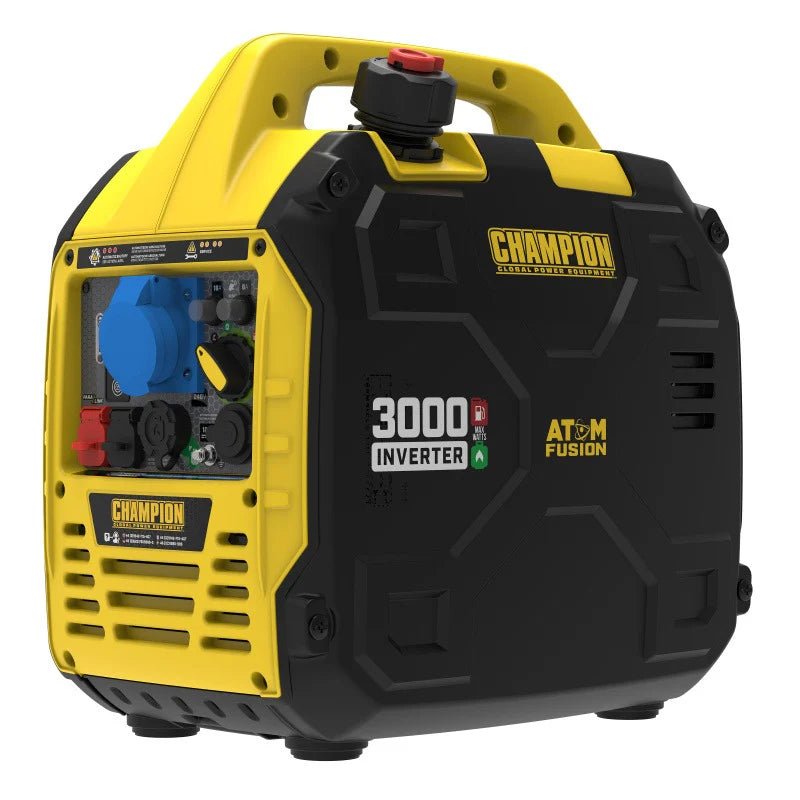
Picture this: you’re nestled in the heart of nature, surrounded by breathtaking landscapes, with your RV as your cozy home away from home. But just as you’re about to enjoy a movie night or cook a warm meal, the power flickers.
Suddenly, you’re wondering if you’ve overlooked something essential. Could an inverter generator be the missing piece to your RV adventures? You’re not alone in this thought. Many RV enthusiasts, like you, are weighing the benefits of a reliable power source to enhance their travels.
An inverter generator might just be the solution you need to keep your appliances running smoothly, without the constant hum of traditional generators. We’ll dive into the reasons why an inverter generator could be a game-changer for your RV lifestyle. Get ready to discover how it can power your adventures with efficiency and ease!

Credit: blog.campingworld.com
Benefits Of Inverter Generators
Choosing an inverter generator for your RV ensures quiet operation and efficient power usage. Its compact design saves space while delivering clean energy for sensitive electronics. Ideal for camping trips, it offers reliable performance without disturbing the peace.
Inverter generators have become increasingly popular among RV enthusiasts, offering a range of benefits that make them a preferred choice over traditional generators. These compact powerhouses are designed to provide reliable energy, making your RV adventures more enjoyable and stress-free. But what makes inverter generators stand out? Let’s dive into the specific advantages they bring to your RV lifestyle.Quieter Operation
Imagine enjoying a serene morning at your campsite, only to have the tranquility shattered by the roar of a generator. Inverter generators are known for their quieter operation, allowing you to maintain the peace and quiet you seek in nature. This means you can power your RV appliances without disturbing the wildlife or your fellow campers. It’s like having a gentle hum instead of a disruptive roar, making your outdoor experience much more pleasant.Fuel Efficiency
Inverter generators are designed to be fuel-efficient, saving you money and reducing your environmental impact. They adjust their engine speed based on the power demand, which means you’re not wasting fuel when your power needs are low. This efficiency is not just good for your wallet; it’s also kinder to the planet. Picture yourself on a long road trip, knowing your generator is sipping fuel wisely, letting you travel further on the same budget.Stable Power Output
When you’re relying on your generator for essential RV tasks like running the refrigerator or charging devices, a stable power output is crucial. Inverter generators produce clean and stable electricity, making them safe for sensitive electronics. You can trust that your laptop or smartphone won’t be damaged by fluctuations. This reliability is akin to having a steady hand on the wheel, keeping your adventures smooth and uninterrupted. These benefits make inverter generators a valuable addition to your RV setup. As you plan your next trip, consider whether these advantages align with your needs. How much do peace and efficiency mean to your RV lifestyle?
Credit: www.popularmechanics.com
Power Requirements For Rvs
Choosing an inverter generator for your RV ensures quiet operation and stable power. It efficiently powers sensitive electronics without causing damage. Ideal for camping, it provides clean energy to run appliances smoothly.
Power Requirements for RVs When planning your RV adventures, understanding your power needs is crucial. Whether you’re camping in the wilderness or staying at a well-equipped RV park, knowing how much power your RV requires can make or break your trip. Let’s dive into the essentials of RV power needs.Understanding Rv Power Needs
RVs come in various sizes, each with different power demands. A smaller camper might only need the basics, while a luxury motorhome could require a lot more juice. It’s essential to know your RV’s amperage and voltage requirements. Typically, RVs use either 30-amp or 50-amp systems. Check your RV’s manual or electrical panel for this information. Also, consider how much time you’ll spend off-grid versus hooked up at a campsite. More off-grid time means you’ll need a reliable power source.Appliances And Electronics Consideration
Think about what you use daily in your RV. Do you love a fresh cup of coffee every morning or maybe you have a penchant for watching TV at night? Each appliance and gadget adds to your power consumption. Make a list of everything you plan to use, including air conditioning, microwave, refrigerator, and charging devices. This helps in estimating the total wattage required. Remember, some appliances draw more power when they start up. Consider energy-efficient appliances to reduce your power load. LED lights, for example, consume less energy than traditional bulbs. Understanding your RV’s power needs is not just about comfort, but also about ensuring you have a seamless and enjoyable journey. Are you prepared for your next adventure with the right power setup?Comparing Inverter Vs. Conventional Generators
When you’re planning a road trip in your RV, the generator is your lifeline to comfort and convenience. Choosing between inverter and conventional generators can be a game changer. Each type offers distinct advantages and potential drawbacks. But how do these two options stack up when it comes to weight, noise, and fuel efficiency?
Weight And Portability
Inverter generators are known for their compact and lightweight design. This makes them perfect for RV travelers who need to maximize space and minimize load. Imagine easily lifting your generator without breaking a sweat. Conventional generators, on the other hand, tend to be heavier and bulkier, potentially posing a challenge during setup or storage. Consider your RV’s storage capacity and your own strength before making a choice.
Noise Levels
Have you ever been woken up by the grating sound of a generator? Inverter generators operate at quieter levels, offering a more pleasant experience for you and your neighbors at the campsite. They adjust engine speed based on load demand, reducing noise significantly. Conventional generators often maintain a constant speed, leading to louder operation. If peaceful nights are a priority, the inverter might be your best bet.
Fuel Consumption
Fuel efficiency is crucial when you’re out on the road. Inverter generators are designed to be more fuel-efficient, adjusting consumption based on power needs. This not only saves you money but also extends the time you can spend off-grid. Conventional generators, while powerful, may consume more fuel due to their fixed speed operations. Which type aligns better with your budget and environmental consciousness?

Credit: www.familyhandyman.com
Selecting The Right Size
Choosing the right size inverter generator for your RV ensures smooth power usage. The decision depends on your wattage needs and future power requirements. A properly sized generator prevents electrical issues and maximizes efficiency.
Assessing Wattage Needs
Determine your RV’s wattage needs by listing all appliances. Consider essential items like air conditioners, refrigerators, and microwaves. Check each device’s wattage on its label or manual. Add up the wattages to get your total requirement.
Include a safety margin to handle power surges. This protects the generator from overload. A generator with slightly higher capacity than your total need is ideal.
Considering Future Power Requirements
Think about future power needs for your RV. Are you planning upgrades or new appliances? Factor these into your generator choice.
Opt for a generator that can handle additional loads. This ensures your RV stays powered even with future changes. A flexible choice supports long-term plans without needing a new generator.
Installation And Safety Tips
Choosing the right inverter generator for your RV is just the beginning. Proper installation and safety are crucial for effective operation. Ensuring your generator is set up correctly will enhance performance and longevity. Here are some essential tips to keep your RV powered safely and efficiently.
Proper Ventilation
Always place your inverter generator in a well-ventilated area. Generators emit exhaust fumes that can be harmful if trapped. Make sure there is enough space around the unit for airflow. Avoid setting it near windows or doors to prevent fumes from entering your RV. Good ventilation also helps in cooling, reducing the risk of overheating.
Routine Maintenance
Regular maintenance keeps your generator running smoothly. Check oil levels and change the oil as needed. Clean or replace air filters to ensure efficient operation. Inspect the fuel system for leaks or damage. Keep the exterior clean to prevent dust buildup, which can affect performance. Schedule professional servicing annually to address any complex issues.
Cost Considerations
When considering an inverter generator for your RV, cost is a crucial factor. It’s not just about the upfront expense but also how it affects your wallet in the long run. Balancing initial investment with potential savings can help you make a wise decision.
Initial Purchase Price
The initial cost of an inverter generator can be higher than traditional generators. However, this investment often reflects the advanced technology and benefits you receive. For example, inverter generators are known for their quiet operation and cleaner power output, ideal for sensitive electronics in your RV.
If budget is a concern, consider researching models that offer a balance between price and features. You might find that paying a little extra upfront can save you headaches down the road. Think about what features are non-negotiable for your lifestyle and prioritize those in your purchase decision.
Long-term Savings
While the initial purchase price may seem steep, inverter generators often lead to long-term savings. Their efficient fuel consumption can significantly reduce your fuel costs over time. This efficiency means you can travel longer distances without the constant worry of running out of fuel.
Additionally, inverter generators tend to require less maintenance compared to conventional models. This means fewer repair bills and more money in your pocket. Ask yourself: Is the peace of mind and lower maintenance worth the initial investment?
By considering both the upfront costs and the potential savings, you can make a decision that aligns with both your budget and your RV lifestyle. Remember, the cheapest option isn’t always the most cost-effective in the long run. Choose wisely to enjoy your RV adventures without financial worries.
Environmental Impact
Inverter generators offer a quieter, more efficient power solution for RVs. They emit fewer pollutants, reducing environmental impact significantly. Optimal for eco-conscious travelers seeking reliable, clean energy.
The environmental impact of using an inverter generator for your RV is a crucial consideration. Traditional generators can contribute significantly to pollution and noise. Inverter generators, on the other hand, are designed to be more environmentally friendly. They produce fewer emissions and operate quietly, making them a better choice for nature enthusiasts. Understanding the environmental implications can help you make a responsible decision.Emissions And Regulations
Inverter generators emit less carbon monoxide. This makes them safer for both you and the environment. They meet stricter emission standards, complying with regulations like those set by the Environmental Protection Agency (EPA). This compliance ensures your generator is contributing less to air pollution. Emissions control is vital for maintaining clean air in camping areas.Eco-friendly Options
Many inverter generators come with eco-mode settings. These settings adjust the engine speed to match the load, reducing fuel consumption. This not only saves money but also minimizes environmental impact. Some models even use alternative fuels, further decreasing their carbon footprint. Choosing an eco-friendly generator helps preserve the natural beauty of your camping sites.User Experiences And Reviews
When deciding on an inverter generator for your RV, user experiences are invaluable. They offer insights into real-world performance and common feedback from actual users. These reviews can guide you in choosing the right generator for your needs.
Real-world Performance
Many users praise inverter generators for their quiet operation. It’s a relief during camping trips. Traditional generators are often noisy, disturbing the peace. Inverter generators, however, maintain a low decibel level. Users note they can enjoy nature without the hum of machinery.
Portability also stands out in reviews. RV enthusiasts appreciate the lightweight design. It makes transportation and setup easy. This is crucial for frequent travelers. They need equipment that’s easy to handle.
Common Customer Feedback
Customer feedback highlights the fuel efficiency of inverter generators. Many users report longer run times on less fuel. This efficiency means fewer refills and more savings. Users value this, especially on extended trips.
Reliability is another common theme in reviews. Users often mention consistent power supply. This reliability is crucial for running essential appliances. No one wants their fridge or heater to fail on the road.
Some reviews mention the initial cost as a downside. Inverter generators are often pricier than traditional ones. Yet, many believe the benefits outweigh the cost. They see it as an investment in comfort and convenience.
Frequently Asked Questions
What Is The Downside Of An Inverter Generator?
Inverter generators are typically more expensive than conventional models. Their power output may be lower, limiting heavy-duty use. Maintenance can be complex due to advanced technology. They can also be less durable in harsh environments compared to traditional generators. Noise levels, although lower, still exist and may be bothersome.
Is It Better To Have A Generator With Or Without An Inverter?
Generators with inverters are quieter and more fuel-efficient. They provide stable power for sensitive electronics. Standard generators are better for powering heavy-duty equipment. Choose based on your power needs and budget.
When Should I Use An Inverter In My Motorhome?
Use an inverter in your motorhome to power AC devices like laptops, microwaves, and TVs from DC battery sources. It’s essential for charging gadgets, cooking, and entertainment, especially when off-grid. Ensure your inverter matches your power needs and battery capacity for efficient usage and safety.
How Big Of An Inverter Generator Do I Need For My Rv?
Choose an inverter generator with at least 2,000 to 4,000 watts for an RV. Consider your appliance needs. Calculate total wattage to ensure efficient power supply. Opt for a higher wattage if running multiple devices simultaneously. Check RV specifications for precise requirements.
Conclusion
Choosing an inverter generator for your RV can make life easier. It provides quiet and efficient power. This helps in running appliances without issues. Plus, inverter generators are compact and easy to store. They offer clean energy, protecting sensitive electronics.
It’s a wise investment for frequent travelers. Consider the power needs of your RV. This guides your decision. Remember to compare models and features. Find one that fits your budget and lifestyle. Camping trips become more enjoyable with reliable power.
Safety and comfort are key. An inverter generator can be a great addition to your RV adventures.