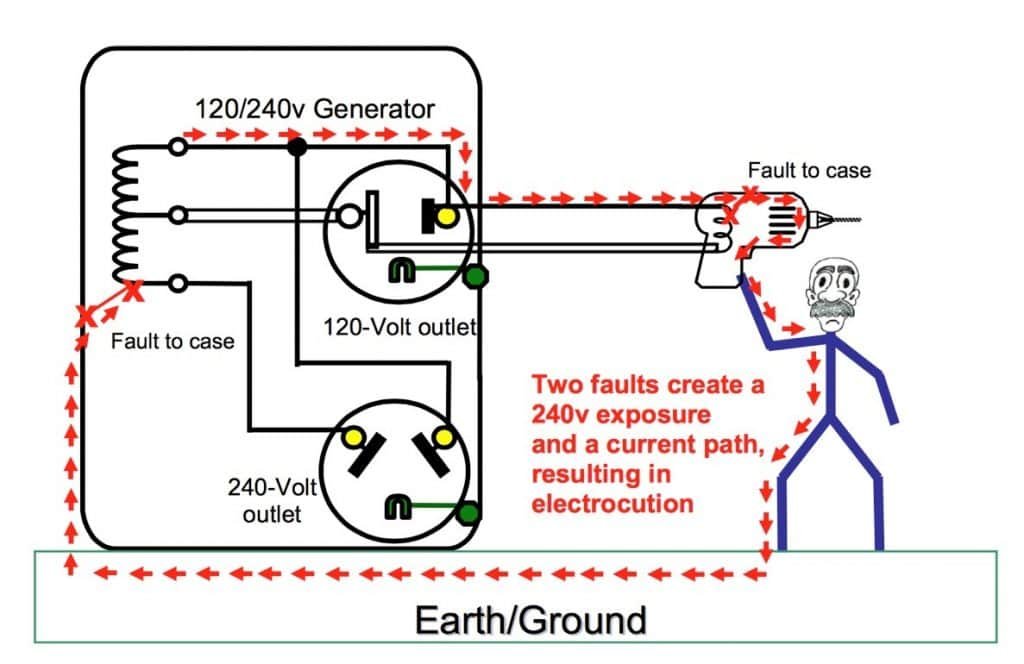
Are you planning to use a portable generator soon? One important question you might have is: do you need to ground it?
This simple step can make a big difference in your safety and the performance of your generator. If you’re unsure about grounding or worried about getting it wrong, you’re not alone. Keep reading, and you’ll learn exactly what grounding means, why it matters, and how to do it right—so you can power up with confidence and stay safe.
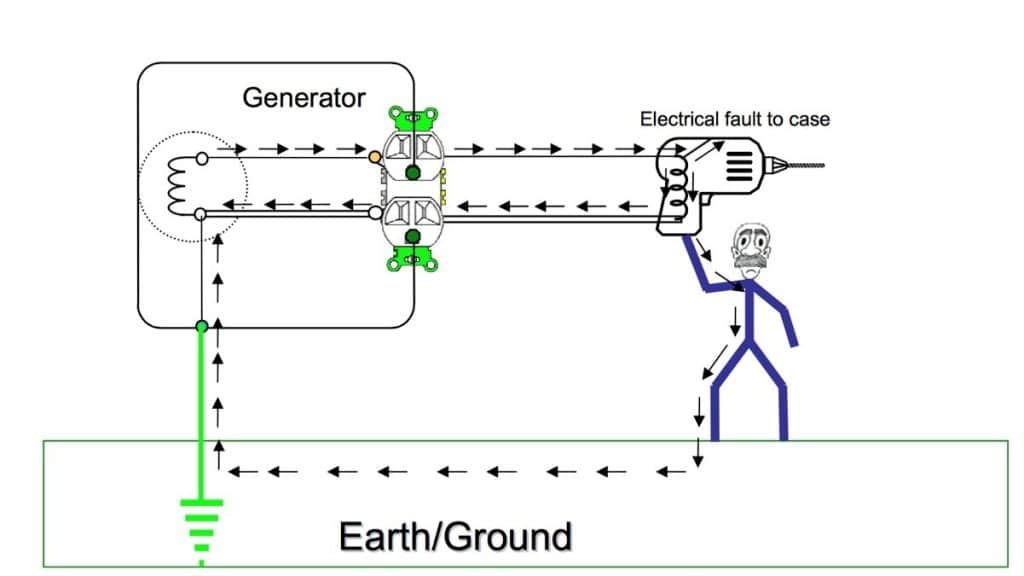
Credit: www.jadelearning.com
Importance Of Grounding
Grounding a portable generator helps keep you safe. It protects you from electric shocks. Grounding also prevents damage to the generator.
Many people ask if they need to ground a portable generator. The answer depends on safety rules and how you use the generator.
What Is Grounding?
Grounding means connecting the generator to the earth. This connection sends extra electricity safely away. It stops electric shocks and fires.
Why Ground A Portable Generator?
A portable generator can cause electrical faults. Grounding lowers the risk of electric shock. It also protects your devices from damage.
- Protects people from electrical shock
- Prevents fires caused by electrical faults
- Keeps your generator working well
- Protects appliances connected to the generator
When Is Grounding Required?
Grounding is needed if the generator has a metal frame. It is also required when local laws say so. If the generator is connected to a building, grounding is important.
How To Ground A Portable Generator
You can ground a generator by using a grounding rod. The rod must be driven deep into the earth. Then, connect a wire from the generator frame to the rod.
| Item | Description |
| Grounding Rod | Metal rod driven into the earth |
| Ground Wire | Wire connecting generator to rod |
| Connection Point | Metal frame of the generator |

Credit: factorydirectsupplyonline.com
How Portable Generators Work
Portable generators provide power by converting fuel into electricity. They are useful during power outages or in places without electricity.
These devices are smaller than home generators and easy to move. Understanding their parts helps you use them safely and effectively.
Basic Components Of A Portable Generator
Portable generators have several key parts that work together to create power.
- Engine: Runs on gasoline, diesel, or propane to create mechanical energy.
- Alternator: Converts mechanical energy into electrical energy.
- Fuel Tank: Stores the fuel needed for the engine.
- Voltage Regulator: Controls the output voltage to protect connected devices.
- Control Panel: Allows users to start the generator and connect devices.
How Fuel Powers The Generator
The engine burns fuel to produce mechanical power. This power spins the alternator, which generates electricity.
Fuel type and engine size affect how long the generator runs and how much power it produces.
Electricity Generation Process
The engine turns a rotor inside the alternator. This movement creates a magnetic field that produces electric current.
| Part | Function |
| Engine | Converts fuel into mechanical energy |
| Alternator | Turns mechanical energy into electricity |
| Voltage Regulator | Keeps electricity at safe levels |
| Control Panel | Lets you start the generator and plug in devices |
Safety Features In Portable Generators
Many portable generators have safety parts to prevent damage and injury. These include automatic shut-off for low oil and circuit breakers to stop overloads.
Grounding the generator may be necessary to avoid electric shocks and protect equipment.
Potential Risks Without Grounding
Using a portable generator without grounding can cause serious dangers. Grounding helps protect you from electrical shocks.
It also prevents damage to your generator and connected devices. Understanding these risks is important for safety.
Risk Of Electrical Shock
If a generator is not grounded, electricity can flow through metal parts. This can cause shocks if you touch the generator.
Grounding sends stray electricity safely into the earth. Without it, you or others near the generator can get hurt.
Damage To Equipment
Ungrounded generators may cause electrical surges. These surges can damage the generator and devices plugged into it.
Grounding helps stabilize the electrical flow. It lowers the chance of short circuits and equipment failure.
Fire Hazards
Electrical faults in an ungrounded generator can spark fires. Sparks can ignite nearby flammable materials.
Proper grounding reduces the risk of sparks by controlling fault currents. This helps keep your home and property safe.
Interference With Other Electrical Systems
Ungrounded generators can cause electrical noise. This noise can interfere with other devices and wiring in your home.
Grounding helps limit electrical interference. It protects other electronics and keeps systems running smoothly.
Legal And Code Violations
Many local codes require portable generators to be grounded. Not grounding can lead to fines or failed inspections.
Following grounding rules keeps you safe and avoids legal problems. Always check your local rules before use.
Identifying When Grounding Is Needed
Using a portable generator safely means knowing if it needs grounding. Grounding helps protect against electrical shocks.
Not all portable generators require grounding. The need depends on how and where you use the generator.
Check The Manufacturer’s Instructions
The first step is to read the generator’s manual. The maker tells if grounding is necessary.
If the manual says to ground the generator, follow those instructions exactly. This keeps you safe.
Consider The Generator Type And Size
Smaller, portable generators often do not need grounding. Larger or stationary models usually do.
Generators with a metal frame or those used in wet places often require grounding to reduce risks.
Look At The Electrical Setup
Grounding is needed if you connect the generator to your home’s wiring. This is called a “standby” connection.
If you use the generator only for small tools or appliances with cords, grounding may not be required.
Use Local Electrical Codes As A Guide
Different places have different rules about grounding generators. Check local codes to stay safe and legal.
Electricians or inspectors can help you understand if grounding is needed in your area.
Assess The Environment Of Use
Generators used outdoors on dirt or concrete may need grounding to prevent shocks.
Indoor use or use on dry wood floors may have different grounding needs. Always check the situation carefully.
Steps To Ground A Portable Generator
Grounding a portable generator helps keep you safe from electric shocks. It also protects the generator and connected devices.
Follow these steps to ground your portable generator correctly and safely.
Gather Necessary Tools
Before you start, collect all tools and materials needed to ground the generator. This makes the process easier and faster.
- Grounding rod (usually copper or steel)
- Ground wire (copper wire, 8 to 10 gauge)
- Wire connectors or clamps
- Hammer or mallet
- Wrench or pliers
- Protective gloves
Locate Grounding Point
Find a good spot near the generator to place the grounding rod. The ground should be moist and free of rocks or concrete.
Drive the grounding rod at least 2 to 4 feet deep into the earth for a solid connection.
- Choose soil that stays damp
- Avoid sandy or rocky areas
- Place rod close to the generator but away from foot traffic
Connect Ground Wire
Attach one end of the ground wire to the grounding rod using a clamp or connector. Tighten it well to ensure good contact.
Connect the other end of the wire to the generator’s grounding terminal. Check that all connections are secure and tight.
- Use a wrench to tighten clamps
- Make sure the wire is not loose
- Keep the wire clear of moving parts
Common Mistakes To Avoid
Using a portable generator safely means avoiding common errors. Many people do not know if grounding is necessary or how to do it properly.
We will discuss frequent mistakes that cause problems and how to prevent them. This helps keep you and your equipment safe.
Ignoring Manufacturer’s Instructions
Every generator comes with a manual. It tells you if and how to ground the unit. Skipping this step leads to safety risks and damage.
Using Incorrect Grounding Methods
Not all grounding methods work for every generator. Using the wrong rod or connection can cause electric shocks or fires.
Overlooking Portable Generator Placement
Placing a generator on wet or uneven ground increases risk. Grounding will not protect well if the setup is unsafe.
Not Checking Local Codes And Regulations
Each area may have rules about grounding and using portable generators. Ignoring these can lead to fines or unsafe setups.
Failing To Inspect Grounding Equipment
Ground rods and wires wear out or get damaged. Not checking them can cause failures when you need safety the most.
- Check grounding rods for rust and damage
- Ensure grounding wires are tight and intact
- Replace any worn or broken parts immediately
- Test grounding resistance if possible
Confusing Generator Grounding With Appliance Grounding
Some think grounding the generator is the same as grounding plugged-in devices. Both are different and need proper attention.
Relying Only On Generator Frame For Grounding
Some generators have a frame ground, but it may not be enough. A proper earth ground often improves safety.
| Mistake | Risk | Prevention |
| Ignoring instructions | Electrical shock, damage | Read and follow manual |
| Wrong grounding method | Fire, shock | Use correct rods and wires |
| Poor placement | Slip, short circuits | Place on dry, stable ground |
| Skipping local codes | Legal trouble, unsafe setup | Check local rules |
| Not inspecting equipment | Ground failure | Regular checks and maintenance |
Safety Precautions During Operation
Operating a portable generator safely is very important. It helps prevent accidents and injuries. Knowing the right safety steps keeps you and others safe.
This guide covers key safety precautions to follow when using a portable generator. Follow these rules to avoid hazards like shocks, fires, and carbon monoxide poisoning.
Proper Placement Of The Generator
Always place the generator outdoors in a well-ventilated area. Keep it away from doors, windows, and vents. This stops dangerous fumes from entering your home.
Handling Fuel Safely
Use the right type of fuel and store it safely. Avoid spilling fuel and never refuel the generator while it is running. This reduces fire risks and injuries.
Avoiding Electrical Hazards
Keep the generator dry and do not operate it in wet conditions. Use heavy-duty extension cords rated for outdoor use. Check cords for damage before plugging in appliances.
- Do not touch the generator with wet hands
- Keep cords away from water or wet surfaces
- Turn off the generator before connecting or disconnecting devices
- Use ground fault circuit interrupters (GFCI) if possible
Proper Grounding Of The Generator
Check if your generator needs grounding. Some models have a bonded neutral and do not require extra grounding. Follow the manufacturer’s instructions for grounding to avoid electrical shocks.
| Generator Type | Grounding Needed | Notes |
|---|---|---|
| Bonded Neutral | No | Grounded internally by manufacturer |
| Floating Neutral | Yes | Requires grounding rod and proper connection |
Carbon Monoxide Safety
Never run a generator indoors or in enclosed spaces. Carbon monoxide is a deadly gas that you cannot see or smell. Always place the generator far from living areas.

Credit: www.reddit.com
Maintaining Your Generator
Keeping your portable generator in good shape helps it run safely and last longer. Regular care stops problems before they start.
One important question is if you need to ground your portable generator. This depends on the model and how you use it.
Understanding Grounding For Portable Generators
Grounding connects your generator to the earth to prevent electric shocks. Not all portable generators need this.
Some models have a built-in grounding system. Check your user manual to see if grounding is required.
Check The Generator’s Manual
Read the manual before using your generator. It tells if grounding is necessary and how to do it safely.
Follow the manual’s steps exactly to avoid electrical hazards and damage to your equipment.
Grounding Safety Tips
If your generator needs grounding, use a grounding rod driven into the earth. Connect it with a copper wire to the generator.
- Use a copper grounding rod at least 4 feet long
- Connect with a heavy-duty copper wire
- Make sure connections are tight and secure
- Place the generator on dry, stable ground
Regular Generator Maintenance
Keep your generator clean and dry to avoid damage. Check oil, filters, and spark plugs regularly.
Run the generator for a short time every month. This keeps the engine parts working well.
- Change oil after every 50 hours of use
- Clean or replace air filters
- Inspect spark plugs for wear
- Store fuel safely and use fresh fuel
Legal Regulations And Standards
Grounding a portable generator is important for safety and legal reasons. Different rules apply depending on where you live and how you use the generator.
Understanding these laws helps you avoid fines and ensures your generator works safely.
National Electrical Code (nec) Guidelines
The National Electrical Code sets rules for electrical safety in the U.S. It includes rules about grounding portable generators.
The NEC says you must ground generators if you connect them to a building’s wiring system. This prevents electrical shock and fires.
- Generators connected to a home must have a grounding system.
- Generators used only for small appliances might not need grounding.
- Follow NEC Article 250 for grounding details.
Osha Standards For Workplace Generators
The Occupational Safety and Health Administration (OSHA) sets rules for generator use at work sites. Grounding is a key safety rule.
OSHA requires grounding to reduce shock risks and protect workers. Employers must follow these rules strictly.
- All portable generators must be grounded per OSHA standards.
- Grounding must meet OSHA’s electrical safety rules.
- Regular inspections ensure grounding remains effective.
Local And State Electrical Codes
Local and state governments often have their own rules about grounding portable generators. These can be stricter than national codes.
Check your local laws before setting up a generator. Follow local codes to avoid legal trouble and keep safe.
- Some states require grounding for all portable generators.
- Local codes may specify how to ground your generator.
- Permits might be needed for generator installation.
Manufacturer Instructions And Standards
Generator makers include grounding instructions in their manuals. Follow these directions carefully to meet safety standards.
Ignoring manufacturer rules can void warranties and cause safety risks. Always read and follow the manual’s grounding advice.
- Use grounding methods shown in the user manual.
- Check for any special grounding parts included.
- Contact the manufacturer if unsure about grounding.
Additional Safety Accessories
Using a portable generator safely means more than just grounding it. Extra safety accessories can protect you and your home. These tools help reduce risks like electric shock and fire.
Adding the right accessories improves safety and gives peace of mind. Learn about some useful items you should consider with your portable generator.
Ground Fault Circuit Interrupter (gfci)
A GFCI protects you from electric shocks. It quickly shuts off power if it senses a problem. Many portable generators come with built-in GFCI outlets.
If your generator does not have GFCI outlets, use a GFCI adapter. This device adds an extra layer of safety for your electrical devices.
Carbon Monoxide (co) Detectors
Portable generators produce carbon monoxide, a deadly gas. CO detectors alert you if the gas builds up around the generator.
Place CO detectors near your generator and inside your home. This helps you avoid dangerous exposure and keeps your family safe.
Surge Protectors
Surge protectors guard your appliances from power spikes. Generators can cause voltage changes that damage electronics.
Use a surge protector designed for generator use. It helps keep your devices safe during power fluctuations.
Extension Cords Rated For Generator Use
Not all extension cords are safe with generators. Use cords rated for outdoor, heavy-duty use. This prevents overheating and electrical fires.
- Check the cord’s gauge to match your generator’s power output
- Use cords with grounding pins
- Keep cords dry and free from damage
Automatic Transfer Switch (ats)
An ATS safely connects your generator to your home’s electrical system. It prevents backfeed that can harm utility workers.
This switch automatically turns on the generator during a power outage. It also stops the generator when power returns.
Frequently Asked Questions
Do Portable Generators Always Need Grounding?
Portable generators often require grounding to prevent electrical shocks. Check your generator’s manual for specific grounding instructions. Proper grounding ensures safety and compliance with electrical codes.
How To Ground A Portable Generator Safely?
Use a grounding rod driven into the earth near the generator. Connect it to the generator’s grounding terminal using a copper wire. Always follow local codes and manufacturer guidelines for safe grounding.
Can You Operate A Portable Generator Without Grounding?
Some portable generators have a bonded neutral and may not need separate grounding. However, grounding is recommended for safety and code compliance. Verify your model’s requirements before use.
What Risks Occur If A Generator Is Not Grounded?
Without grounding, risk of electric shock and fire increases. Ungrounded generators can cause damage to appliances and pose hazards to users. Grounding minimizes these electrical dangers effectively.
Conclusion
Grounding a portable generator can protect you from electric shock. It helps keep the generator safe to use. Not all models need grounding, so check your manual first. Always follow safety rules when setting up your generator. Proper grounding reduces risks during power outages.
Stay cautious and keep your generator in good shape. Safety should be your top priority when using any generator. Simple steps can prevent serious accidents and damage. Take time to understand your generator’s needs well. Safety matters most for you and your family.