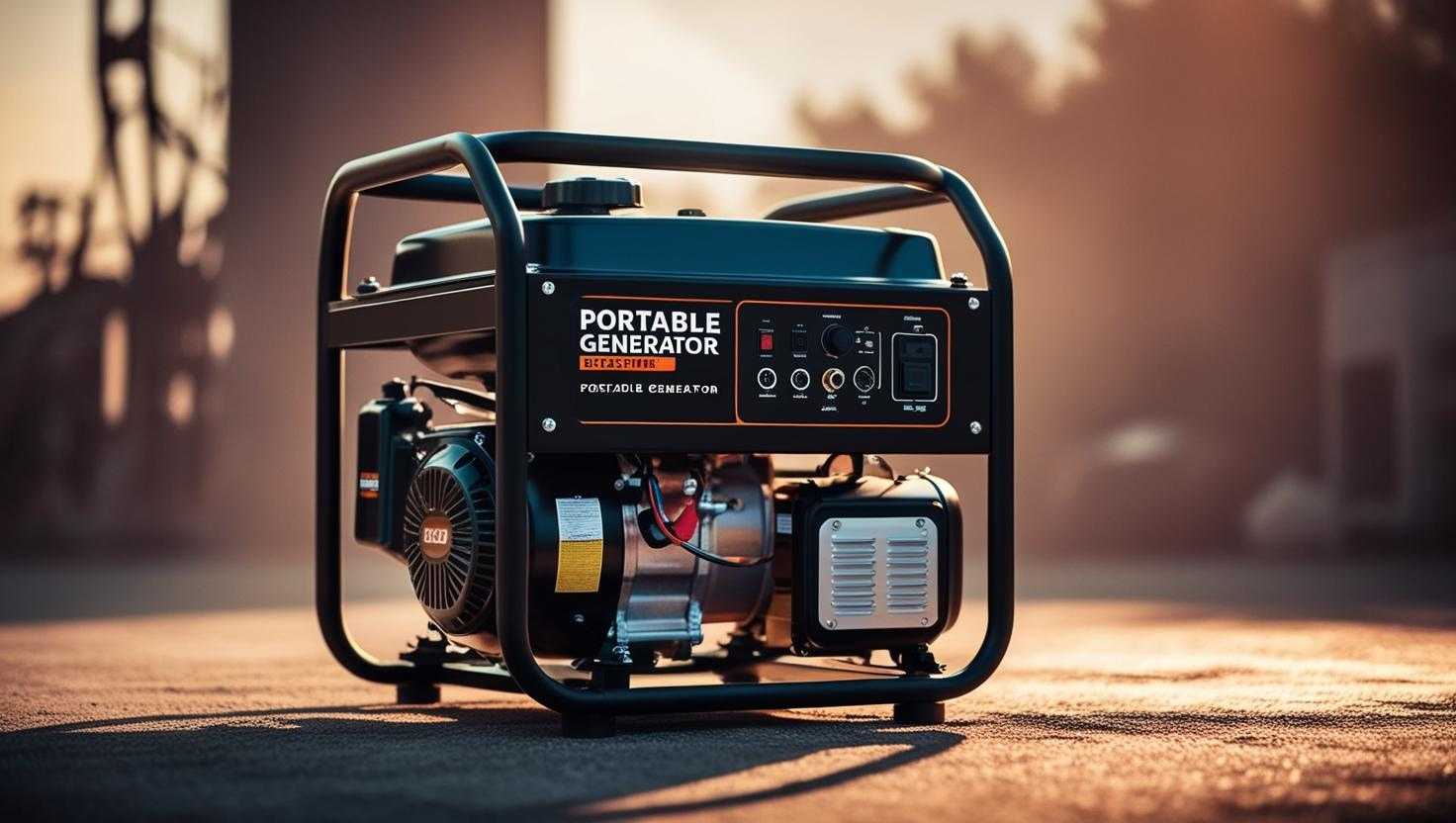
Have you ever wondered if your portable generator can handle a little rain or wet weather? When you rely on your generator during power outages or outdoor activities, keeping it safe and working is a top priority.
But what happens if it gets wet? Could a splash of water cause serious damage or even pose a danger to you? Understanding how moisture affects your portable generator is crucial for your safety and its performance. Keep reading to discover what you need to know to protect your generator and keep your power flowing no matter the weather.
Risks Of Using Wet Generators
Portable generators are helpful during power outages. But using them when they are wet can be dangerous.
Water can cause many problems for a generator. It can lead to damage and safety risks.
Electrical Shock Hazard
Water and electricity do not mix well. A wet generator can cause electric shocks.
Touching a wet generator may lead to injury or even death. Always keep the generator dry.
Damage To Generator Components
Water can enter the engine and electrical parts. This can cause rust and corrosion.
Wet parts may stop working. This reduces the generator’s lifespan and efficiency.
Risk Of Fire
Water can cause short circuits inside the generator. Short circuits may lead to fires.
Using a wet generator increases the chance of sparks. Sparks near fuel can cause a fire.
Poor Performance And Failure
Wet conditions can make the generator run poorly. It may stop producing power suddenly.
Wet generators often need costly repairs or replacement parts. This causes inconvenience and extra expenses.
Increased Maintenance Needs
Generators exposed to water need more cleaning and maintenance. Moisture can cause dirt and damage inside.
Regular checks and drying are required to keep the generator safe and working well.
Credit: fairtradefinder.com
Why Generators Should Stay Dry
Portable generators are useful for power during outages or outdoor activities. Keeping them dry is very important for safety and function.
Water can cause damage and create risks. Learn why it is best to protect your generator from wet conditions.
Risk Of Electrical Shock
Generators produce electricity that can shock people if wet. Water conducts electricity and increases the chance of injury.
Damage To Internal Parts
Water can enter the engine and electrical parts. This causes rust, short circuits, and failure. Repairs can be costly or impossible.
Reduced Performance And Efficiency
Moisture affects fuel and air flow. A wet generator may run poorly or stop working. It will not provide reliable power.
How To Protect Your Generator
- Place the generator on a dry, elevated surface
- Use a waterproof cover designed for generators
- Keep it under a canopy or sheltered area
- Do not operate it in rain or snow
- Check for water before starting the generator
Comparison Of Generator Conditions
| Condition | Effect on Generator | Safety Risk |
| Dry | Optimal performance | Low |
| Damp | Possible corrosion | Moderate |
| Wet | Electrical damage | High |
Safety Features Of Modern Generators
Modern portable generators include many safety features. These features help prevent accidents and damage. They make using generators safer, especially in wet conditions.
Understanding these safety features can help you use your generator properly. It also helps you know if your generator can handle wet weather.
Water-resistant Design
Many modern generators have water-resistant parts. These include sealed electrical components and covers. They stop water from reaching sensitive areas. This helps prevent short circuits and damage.
Automatic Shutoff Systems
Generators often have automatic shutoff systems. These turn off the generator if oil or temperature levels are unsafe. They also stop the machine if it detects electrical problems. This feature protects both the user and the generator.
Ground Fault Circuit Interrupter (gfci)
GFCI outlets are common on portable generators. They cut power quickly if there is a ground fault. This stops electrical shock risks, especially in wet environments.
- Detects small electrical leaks
- Shuts off power in milliseconds
- Protects users from shocks
- Required on many modern generators
Overload Protection
Overload protection stops the generator if it carries too much load. This prevents overheating and damage. It also reduces fire risks caused by electrical overload.
Safe Fuel Systems
Modern generators use safer fuel systems. These include secure fuel tanks and automatic shutoff valves. They reduce the chance of leaks and fire. Safe fuel systems help protect users and property.
Summary Of Safety Features
| Safety Feature | Purpose |
| Water-Resistant Design | Protects electrical parts from water damage |
| Automatic Shutoff | Stops generator at unsafe oil or temperature levels |
| GFCI Outlets | Prevents electrical shocks in wet areas |
| Overload Protection | Prevents overheating and electrical fires |
| Safe Fuel Systems | Reduces fuel leaks and fire risks |
Proper Storage And Handling
Portable generators need care to stay safe and work well. Storing and handling them the right way helps protect them from water damage and other risks.
Keeping your generator dry and in a good spot makes it last longer. This guide covers how to pick the best location and use covers or shelters.
Choosing The Right Location
Pick a place that stays dry and flat. Avoid low areas where water can collect after rain. Keep the generator away from places with heavy wind or direct sunlight.
- Choose a well-ventilated spot to prevent overheating
- Keep the generator at least 5 feet away from doors and windows
- Place on a sturdy, level surface like concrete or wood
- Avoid storing near flammable materials
- Do not store directly on soil or grass to prevent moisture buildup
Protective Covers And Shelters
Using covers or shelters helps keep rain, snow, and dust away. Choose covers made for generators to allow airflow and prevent moisture inside.
| Cover Type | Protection Level | Ventilation | Best Use |
| Waterproof Fabric Cover | High | Good | Short-term outdoor storage |
| Hard Shelter or Shed | Very High | Excellent | Long-term storage and use |
| Plastic Tarp | Low | Poor | Temporary protection only |
Using Generators During Rain
Portable generators can be useful in wet weather, but safety is very important. Rain can cause electrical hazards and damage the machine.
You must take steps to protect your generator and yourself while it is running outside in the rain.
Temporary Covers And Canopies
Using a temporary cover or canopy helps keep your generator dry. It must allow air to flow to avoid overheating.
- Use waterproof tents or tarps designed for outdoor use.
- Ensure the cover is open on all sides for ventilation.
- Keep the cover stable to avoid collapse in wind or heavy rain.
- Do not place the cover directly on the generator.
Safe Distance From Water Sources
Keep your generator far from puddles, rivers, or pools. Water can cause short circuits or electrocution.
| Distance from Water | Reason |
| At least 10 feet | Prevent electric shock |
| Higher ground | Avoid flooding risks |
| Dry, stable surface | Reduce slipping or tipping |

Credit: truegear.com.au
Maintenance After Exposure To Moisture
Portable generators can get wet during use or storage. Moisture can cause damage if not handled properly. It is important to maintain your generator after it gets wet.
Proper care helps keep the generator working and prevents rust and electrical issues. Follow these steps to inspect and clean your generator after moisture exposure.
Inspecting For Damage
Check the generator carefully for any signs of damage after it gets wet. Look for rust, corrosion, or water inside the engine or fuel tank.
Also, inspect the electrical parts like wires, plugs, and switches. Damaged parts can cause the generator to fail or become unsafe.
- Look for rust or corrosion on metal parts
- Check the fuel tank for water or dirt
- Inspect wires and plugs for water or damage
- Look inside the engine for moisture
- Test switches and controls for proper function
Drying And Cleaning Procedures
Dry the generator completely before using it again. Use a clean cloth to wipe off water from all surfaces. Let the generator air dry in a dry place.
Clean dirt and mud gently using a soft brush or cloth. Avoid using strong water sprays that can push water inside the engine or electrical parts.
- Wipe off water from all parts with a clean cloth
- Air dry the generator in a warm, dry area
- Use a soft brush to remove dirt and mud
- Do not spray water directly on the engine or electrical parts
- Check and change the oil if it looks milky or dirty
Emergency Precautions
Portable generators can be dangerous if they get wet. Water can cause electrical shocks or damage the generator. It is important to take safety steps to avoid accidents during emergencies.
Knowing what to do if a generator gets wet helps protect you and others. Follow these emergency precautions to stay safe.
Handling Electrical Shocks
If someone gets an electrical shock from a wet generator, do not touch them directly. You could get shocked too. Turn off the generator or power source first.
Use a dry wooden stick or plastic item to push the person away from the source. Call for emergency help right away.
- Do not touch the shocked person with bare hands
- Turn off the generator or power supply
- Use a dry object to separate the person from electricity
- Call emergency services immediately
First Aid Measures
After the person is free from the electrical source, check their breathing and pulse. If they are not breathing, start CPR if you know how.
Keep the person still and warm until medical help arrives. Do not give them anything to eat or drink.
- Check breathing and pulse
- Perform CPR if needed and trained
- Keep the person still and warm
- Wait for medical professionals

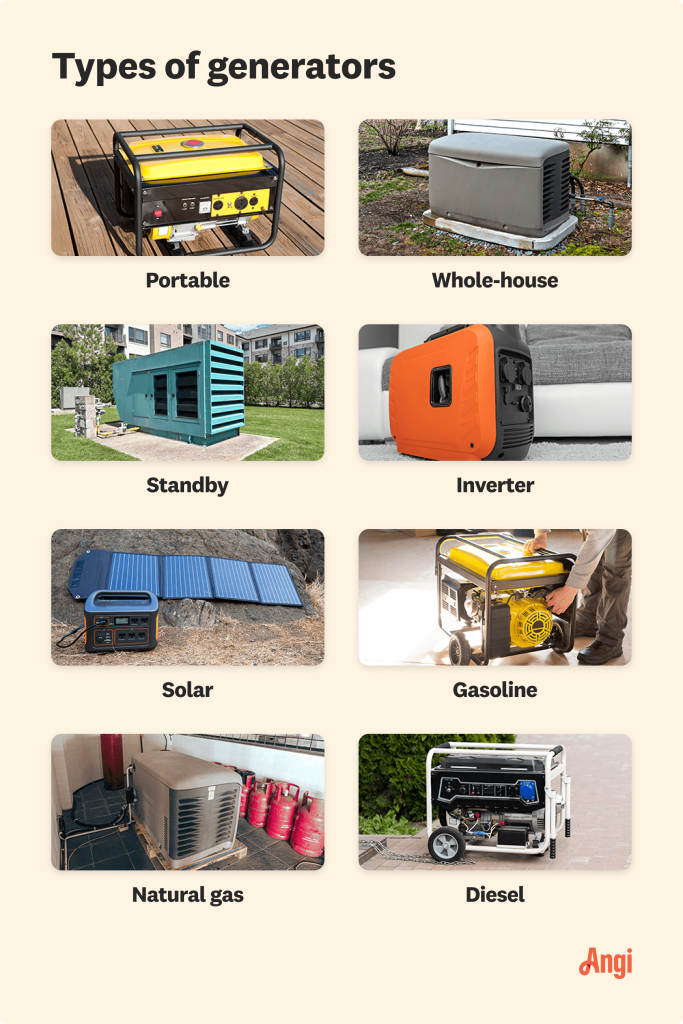
Credit: www.angi.com
Expert Advice On Generator Safety
Portable generators can be very useful during power outages. Many people wonder if these generators can get wet safely. It is important to know how to protect your generator and yourself from harm.
This guide shares expert advice on keeping your portable generator safe, especially in wet conditions. Follow these tips to avoid damage and accidents.
Can Portable Generators Get Wet?
Portable generators should not be used in the rain or wet areas. Water can damage the engine and electrical parts. It can also cause electric shock or fire risks.
Safe Placement Of Generators
Always place your generator on a dry, flat surface. Keep it away from doors, windows, and vents. This prevents exhaust fumes from entering your home.
- Use a generator tent or canopy for protection from rain.
- Keep the generator at least 20 feet from your house.
- Avoid placing it near pools or wet ground.
How To Protect Your Generator From Water Damage
Cover your generator with a waterproof cover when not in use. Make sure the cover allows air to flow. This prevents overheating and moisture buildup.
Check these generator protection tips:
| Tip | Reason |
|---|---|
| Use a waterproof, breathable cover | Protects from rain but avoids heat buildup |
| Store generator in a dry shed or garage | Prevents moisture and dust damage |
| Inspect generator for water before use | Ensures safe operation and prevents damage |
Safety Tips For Operating Generators In Wet Conditions
Never touch the generator with wet hands. Avoid standing in water while starting or using it. Use heavy-duty extension cords rated for outdoor use to connect appliances.
- Keep the generator dry and away from puddles.
- Turn off the generator before refueling.
- Let the generator cool before covering it.
Frequently Asked Questions
Can Portable Generators Be Used In Rain?
Portable generators should not be used in rain. Exposure to water can cause electrical shock and damage the generator. Always operate them under a canopy or in a dry, well-ventilated area to ensure safety and longevity.
What Happens If A Generator Gets Wet?
If a generator gets wet, it can short circuit, leading to malfunction or permanent damage. Water exposure increases the risk of electrical hazards. Immediate drying and inspection are necessary before reuse to prevent accidents and equipment failure.
How To Protect Portable Generators From Water?
Use waterproof covers or place generators under shelters to protect them from rain. Elevate them off wet ground and avoid operating in damp conditions. Regular maintenance and inspections help ensure safe and efficient operation despite weather exposure.
Is It Safe To Store Generators Outside?
Storing generators outside is risky unless they are in waterproof, ventilated enclosures. Prolonged exposure to moisture can cause rust and electrical issues. Always use protective covers and keep them elevated to prevent water damage and ensure readiness.
Conclusion
Portable generators should stay dry to work safely and well. Rain or water can harm the engine and cause shocks. Covering them with a canopy or placing them on higher ground helps. Always check the weather before use. Keep fuel and cords away from wet spots.
Taking these steps protects your generator and keeps you safe. A little care goes a long way with portable generators. Stay safe, and power your needs without worry.