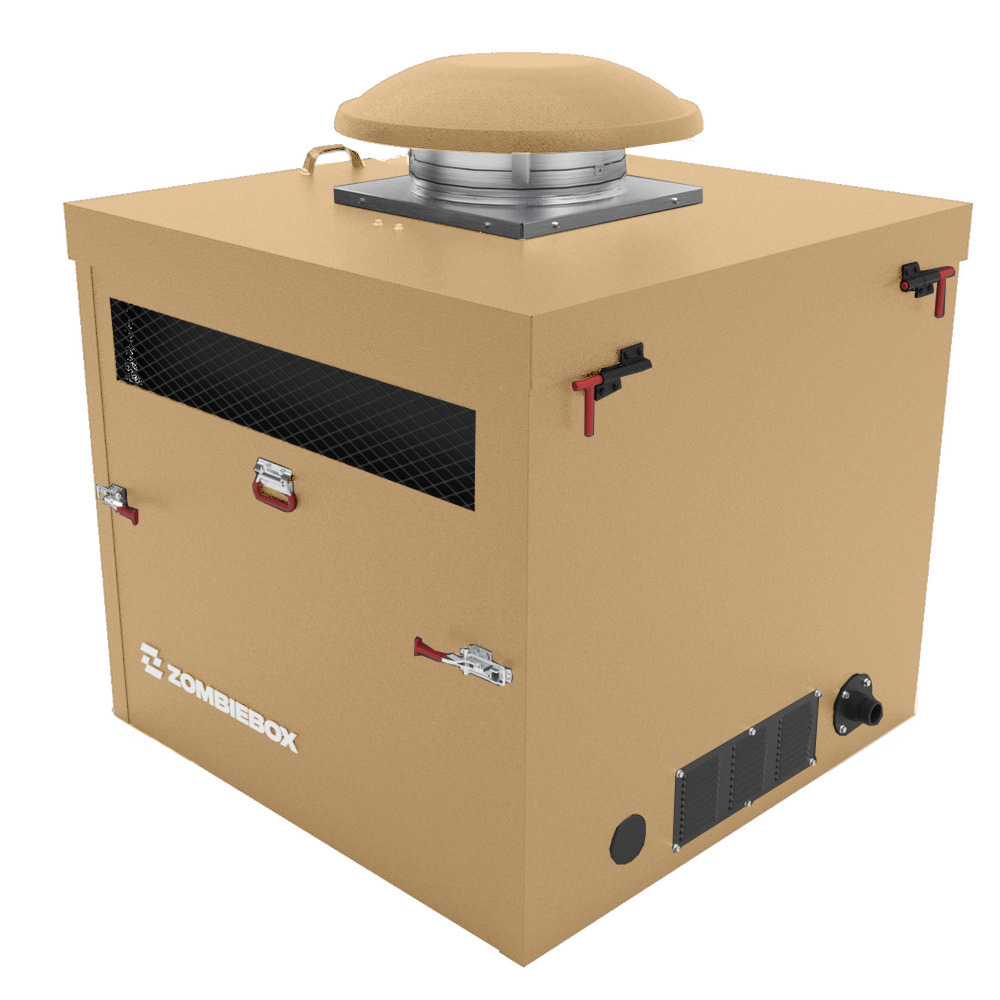
Are you tired of the relentless noise from your standby generator disrupting your peace? You’re not alone.
Many people face this challenge, especially when trying to enjoy quiet moments at home or get a good night’s sleep. The constant hum can be more than just an annoyance; it can affect your mood and well-being. Imagine transforming that noisy beast into a whispering ally, seamlessly blending into the tranquility of your home.
Soundproofing your generator is not just a luxury—it’s a necessity for maintaining your sanctuary. Dive into this guide and discover simple yet effective strategies to silence the roar and reclaim your calm. Your ears will thank you, and you’ll wonder why you didn’t do it sooner. Ready to learn how? Let’s get started.
Choosing The Right Location
Place the generator far from living areas. This helps reduce noise. The further away, the quieter it will be. Aim for at least 20 feet distance. This ensures a peaceful home. Keep in mind safety and accessibility too.
Avoid placing the generator near walls. Walls bounce back noise. Find open spaces without hard surfaces. Grass or dirt is better than concrete. Trees and bushes can also help absorb sound. This makes a big difference in noise levels.
Credit: www.zombiebox.com
Building A Soundproof Enclosure
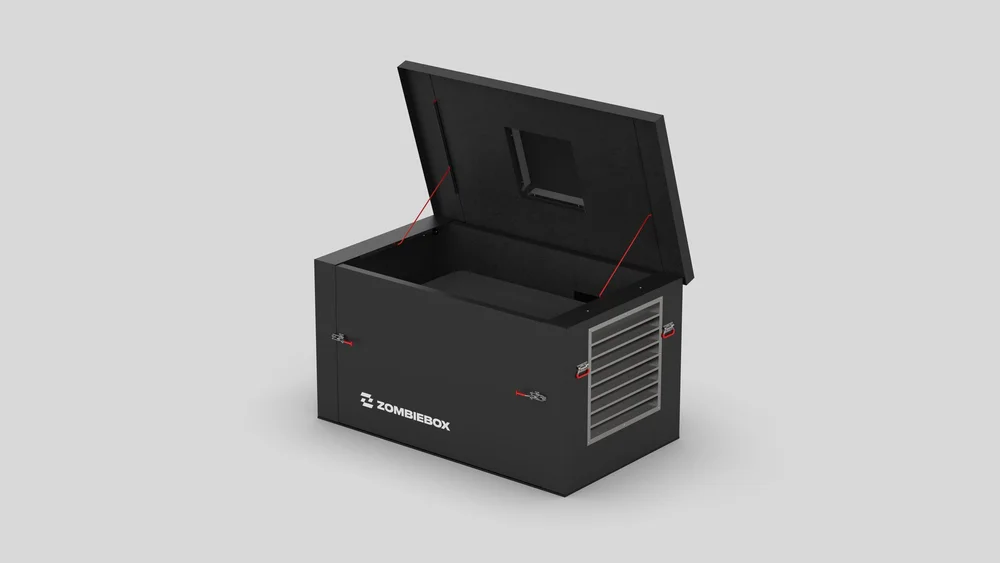
Choose strong materials like plywoodor medium-density fiberboard(MDF). These materials block sound well. Use soundproof foamto absorb noise inside. Add a layer of mass loaded vinylfor extra sound blocking. Ensure all materials are safe and suitable for outdoor use. Seal gaps with acoustic sealantto stop sound leaks.
Make sure the enclosure has good ventilation. This prevents the generator from overheating. Plan a door or panel for easy accessto the generator. Ensure the enclosure is large enough for airflow. Use weather-resistantmaterials to protect from rain and sun. Consider the distancefrom your home to reduce noise further.
Implementing Noise Absorption
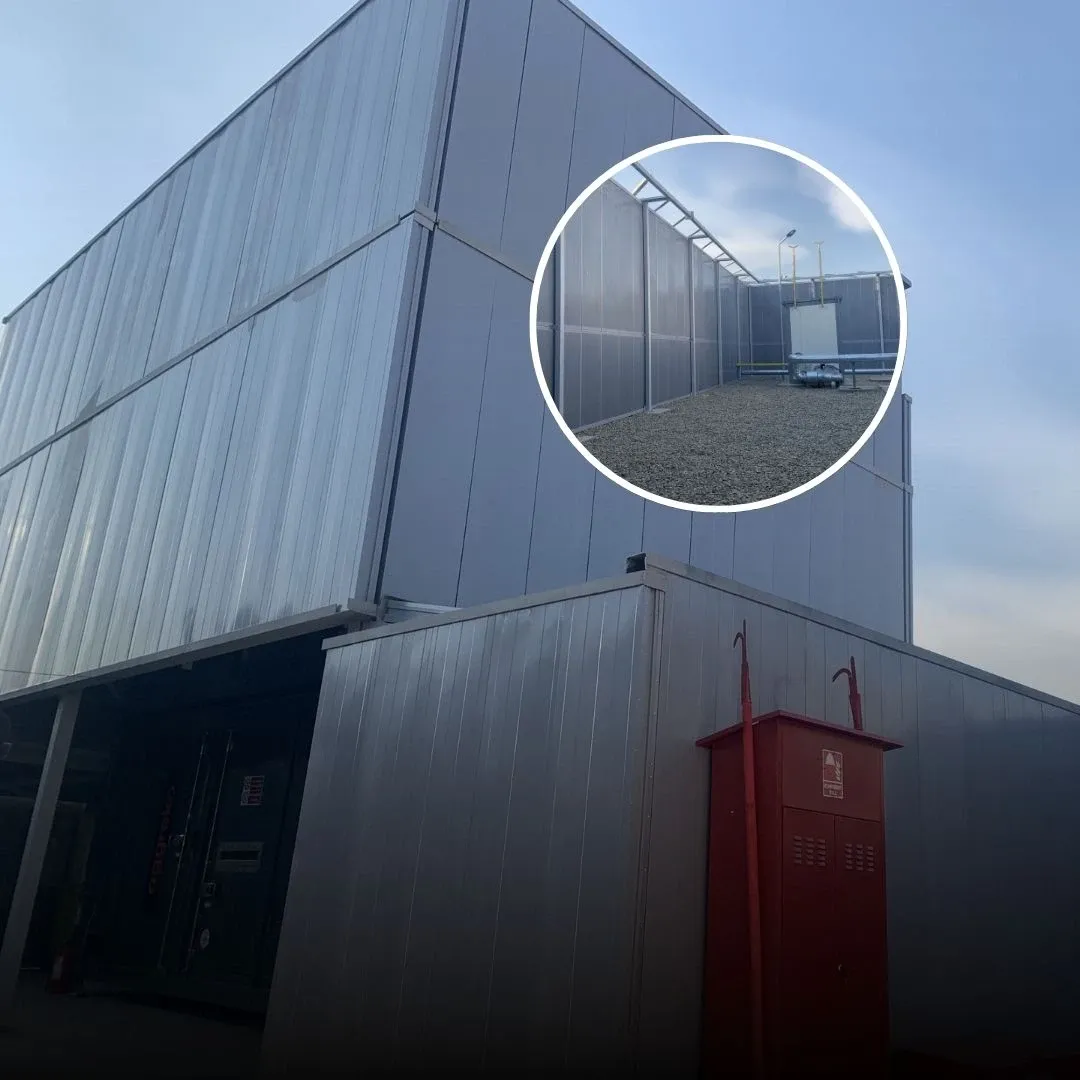
Acoustic panels are great for absorbing sound. They reduce noise levels around generators. Made from special materials, they trap sound waves. Place panels around the generator. This helps reduce the noise it makes. Choose panels with high-density foam. These work best for sound absorption. Install them properly for maximum effect.
Foam and insulation can be very effective. Foam blocks help in reducing noise. They are easy to install. Use them to cover the generator. Insulation wraps are also useful. They help keep noise inside. Choose the right type of insulation. Look for materials with soundproof qualities. They are often made of dense fibers. These fibers trap sound waves. Proper installation is important. Ensure all gaps are covered. This will keep the noise levels down.
Credit: www.decibelinternational.co.uk
Installing Vibration Dampeners
Vibration dampeners help reduce noise from generators. Different types offer different benefits. Rubber dampeners are soft and flexible. They absorb vibrations well. Spring dampeners are sturdy and last long. They handle heavy loads easily. Gel dampeners are unique. They offer great soundproofing. Each type has its own strengths. Choose the best one for your needs.
Proper installation is key for effective soundproofing. First, locate the generator’s feet. Place dampeners under each foot. Make sure they fit snugly. Tighten bolts to hold them in place. Do not over-tighten. This can damage the dampeners. Check for any loose parts. Secure them to avoid extra noise. Regular checks keep dampeners working well. Adjust as needed for best results.
Optimizing Exhaust Systems
Soundproofing a standby generator involves optimizing exhaust systems to reduce noise. Install mufflers or silencers to minimize sound and vibration. Use acoustic barriers or enclosures for added sound dampening.
Mufflers And Silencers
Mufflers help reduce noise from generator exhaust. They work by absorbing sound waves. Silencers are another option. They lower noise levels even more. Both tools are useful for soundproofing. Choose one based on your needs.
Directing Exhaust Away From Property
Exhaust pipes should point away from homes. This helps keep noise away. Install pipes to direct exhaust far. Use bends to change exhaust direction. This keeps noise levels low. It’s a simple way to reduce noise pollution.
Maintaining Airflow And Cooling
Ensuring proper airflow and cooling prevents overheating in soundproofed standby generators. Install ventilation fans or louvers for efficient temperature regulation.
Ventilation Requirements
Generators need fresh air to stay cool. Proper ventilationprevents overheating. Create openings for air. Use fans to push air through. Air must flow in and out freely. Check vents regularly for blockages. Keep surroundings clear of debris. This ensures smooth airflow.
Cooling System Efficiency
Cooling systems keep generators from getting too hot. Regular checks ensure efficiency. Clean fans and filters often. Replace broken parts quickly. Monitor temperature levels closely. A well-functioning system boosts generator lifespan. It reduces damage risks. Efficient cooling is vital for safe operation.
Regular Maintenance Practices
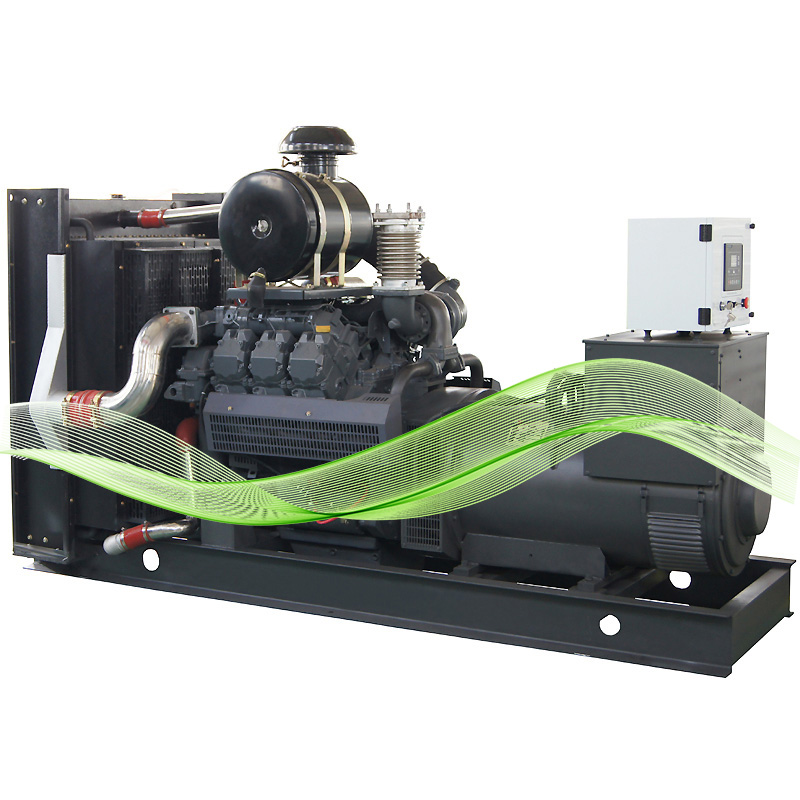
Regular maintenance is key for effective generator soundproofing. Inspect insulation regularly to ensure it remains intact. Replace any worn-out materials promptly to maintain noise reduction.
Checking For Wear And Tear
Generators need regular checks for wear and tear. Look at the cables and wires. They should be in good condition. Tighten any loose parts. Replace any worn pieces. Prevent damage to the generator. This keeps it running smoothly.
Ensuring Soundproofing Integrity
Soundproofing materials must stay strong. Check for cracks or holes. Fix them quickly. Use good quality sealants. Ensure all panels are secure. Prevent noise leaks. This keeps the generator quiet. Regular checks are important. Keep the soundproofing strong and effective.
Credit: www.china-genset.com
Frequently Asked Questions
How Do I Soundproof My Generac Generator?
Use a soundproof enclosure for the generator. Install rubber vibration mounts to reduce noise. Add acoustic foam panels inside the enclosure. Ensure proper ventilation to prevent overheating. Regularly maintain and service the generator for optimal performance and reduced noise levels.
How To Reduce Standby Generator Noise?
Use a soundproof enclosure to reduce noise. Place the generator on a vibration-absorbing mat. Install a muffler or silencer. Position the generator away from windows and doors. Regular maintenance ensures quieter operation.
Is There Any Way To Muffle A Generator?
You can muffle a generator by installing a soundproof enclosure or using rubber feet to reduce vibrations. Add an exhaust silencer to minimize noise. Ensure proper ventilation to prevent overheating. Regular maintenance helps keep noise levels low. These methods can effectively reduce generator noise for a quieter operation.
What Material Is Used To Soundproof A Generator?
Soundproofing a generator often uses materials like acoustic foam, mass-loaded vinyl, and fiberglass insulation. These materials reduce noise effectively. Proper installation ensures optimal sound absorption and containment. Select materials based on durability and environmental conditions for the best results.
Conclusion
Soundproofing your standby generator protects your peace. Less noise. More comfort. Simple techniques can make a big difference. Use barriers and enclosures. Add insulation. Choose quiet locations. Regular maintenance is key. Keep parts in good shape. Check for loose connections.
Ensure proper installation. A quieter generator means happier neighbors. Better sleep. More focus. Follow these steps. Create a peaceful environment. Enjoy your quiet space. Less stress. More relaxation. Your efforts pay off. Soundproofing is worth it. Give it a try.
Make your generator quieter today. Feel the difference. Appreciate the silence.