Are you tired of the constant hum and vibration of your standby generator? You’re not alone.
Many homeowners and businesses face the challenge of noise pollution from these essential machines. Whether it’s disrupting your sleep, interrupting a peaceful day, or bothering your neighbors, a noisy generator can be more than just an annoyance. But don’t worry—there are simple and effective ways to quiet things down.
Imagine enjoying the reliability of your generator without the accompanying noise stress. We’ll explore practical tips and techniques to help you significantly reduce that unwanted noise, making your environment more peaceful and enjoyable. Dive in to discover how you can transform your generator experience.
Generator Noise Sources
The engineis a major noise source. It roars loudly when running. The exhaustadds even more noise. It releases gases with a loud sound. Using a mufflercan help reduce exhaust noise. Regular maintenance can keep the engine quieter. This means checking parts and oil.
The cooling fanproduces noise. It spins to cool the engine. Fans can be loud when moving fast. Airflowthrough the system adds to the noise. Slower fans can help reduce noise levels. Soundproof coverscan block fan noise.
Vibrationscause noise. They make the generator shake. The structure can amplify this noise. Placing the generator on rubber padscan help. These pads absorb vibrations. Secureall parts tightly to prevent extra noise.
Credit: generatorsupercenter.com
Assessing Noise Levels
Generators can be very loud. Use decibel measurement toolsto check noise. Decibels show how loud something is. A simple appon your phone can help. Hold the phone near the generator. Read the number on the screen. This number tells you the noise level.
Decibel Measurement Tools
Some tools are easy to use. They help find loud spots. You can buy these tools online. Sound metersare a good choice. They measure sound in decibels. These tools show how loud the generator is. They help you find noisy areas.
Identifying Key Noise Points
- Check the exhaust. It can be very loud.
- Look at the engine. It makes a lot of noise.
- Inspect the casing. It can vibrate loudly.
Finding these points is important. It helps reduce noise. Focus on these areas first. This makes the generator quieter.
Soundproofing Materials
Soundproofing materials like acoustic panels and barriers can help reduce noise from standby generators. Using these materials around the generator absorbs and blocks sound, creating a quieter environment.
Acoustic Panels
Acoustic panels absorb sound and reduce noise. They are easy to install. Place them around the generator. They work best in enclosed spaces. These panels have special foam inside. Foam helps to trap sound waves. Choose panels with high NRC ratings for better results. NRC stands for Noise Reduction Coefficient.
Weather Stripping
Weather stripping seals gaps and cracks. It blocks noise from escaping. Use it around doors and windows. It is affordable and easy to use. Choose rubber or foam types for best results. Make sure to clean surfaces before applying. This ensures a strong seal.
Insulation Options
Insulation reduces sound and keeps rooms quiet. Fiberglass is a popular choice. It absorbs sound and is easy to install. Use it in walls and ceilings. Foam insulation is another option. It works well in tight spaces. Choose insulation with high R-values for better soundproofing.
Credit: www.zombiebox.com
Generator Enclosures
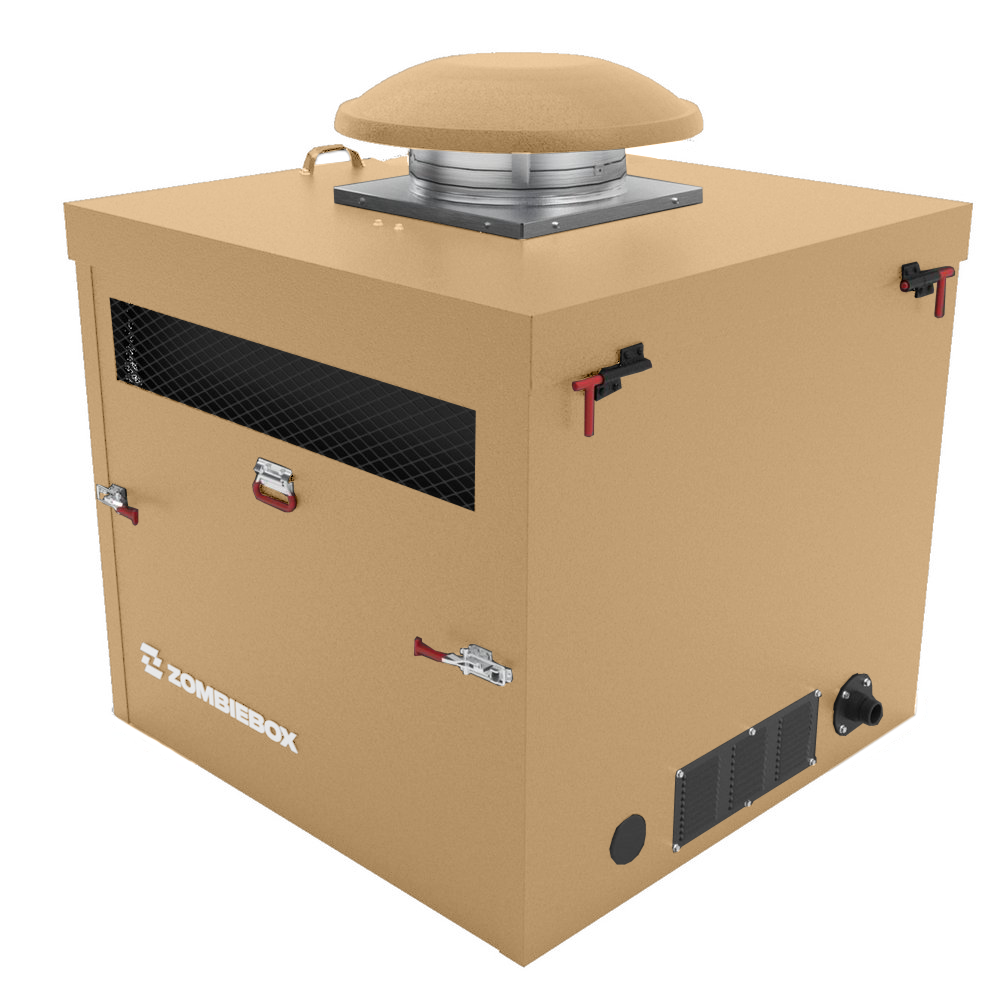
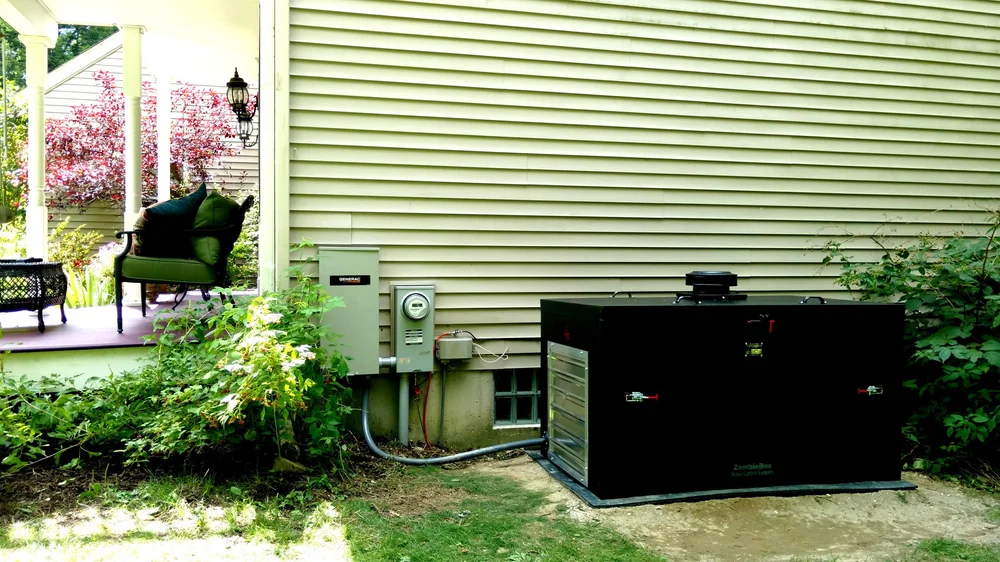
Custom built enclosures are made to fit your generator. They help reduce noiseby blocking sound waves. Made from materials like metal or wood. These enclosures are sturdy and strong. They withstand harsh weather and protect your generator. Custom designs can also improve airflow. This keeps your generator cool and working well. Builders make enclosures that match your needs. This way, you get the best protection and noise reduction.
Portable soundproof boxes are easy to move and use. They are great for reducing generator noise. Made from materials that absorb sound. These boxes are lightweight but effective. They fit around your generator easily. They block noise and keep it quiet. You can use them anywhere. Perfect for camping or outdoor events. They provide a quiet environment without much effort.
Location And Installation Tips
Placing your standby generator far from living areas can help reduce noise. Use soundproofing materials during installation for quieter operation. Ensure proper ventilation to maintain efficiency while minimizing sound.
Optimal Placement
Choosing the right spot for your generator is very important. Place it away from bedrooms or living areas. This reduces noise inside the house. Keep the generator on a solid surface. This helps in reducing vibrations. It should be away from windows and doors. This ensures safety and quietness. Consider placing it behind a barrier or wall. This acts as a sound shield.
Vibration Dampening Techniques
Reducing vibrations can make a big difference. Use rubber pads under the generator. These pads absorb much of the shaking. Install the generator on a concrete base. This makes it more stable. Use flexible pipes for connections. They help in reducing noise transfer. Regular maintenance can also keep vibrations low.
Maintenance For Noise Reduction
Regular maintenance of standby generators can significantly reduce noise levels. Tighten loose parts and ensure proper lubrication to minimize vibrations. Install noise-dampening materials around the generator to further lower sound emissions.
Regular Engine Checks
Engines need regular checks to stay quiet. Check engine oil levels often. Ensure all parts are tight and secure. Loose parts can make noise. Clean filters help the engine run smoothly. Replace filters when dirty. Listen for unusual sounds during checks. Fix problems early to avoid big noise issues.
Exhaust System Upgrades
Upgrade the exhaust system for less noise. Use a quality muffler. Mufflers reduce sound effectively. Ensure the exhaust is well-fitted. No leaks should be present. Leaks make the generator noisy. Consider adding soundproof materials around the exhaust. This can block and absorb sound. Proper upgrades can make a big difference.
Advanced Noise Reduction Techniques
Reducing noise from standby generators can be achieved using advanced techniques like soundproof enclosures. Installing high-quality mufflers and vibration dampeners also helps minimize noise output effectively.
Hybrid Systems
Hybrid systems blend different technologies for less noise. These systems use soundproof enclosures and vibration dampeners. They also include noise-absorbing materials. This mix reduces generator noise effectively. Such systems are ideal for homes and small businesses.
Electronic Noise Cancellation
Electronic noise cancellation uses advanced tech to cut noise. It emits sound waves that cancel out generator noise. This method is very effective for large machines. Devices with noise cancellation are easy to install. They help keep the environment quiet.
Community And Legal Considerations
Reducing generator noise requires community and legal awareness. Install sound barriers and choose quieter models. Ensure compliance with local noise regulations to maintain harmony with neighbors.
Local Noise Regulations
Understanding local noise rules is very important. Many places have laws about noise levels. These laws protect the peace and quiet of neighborhoods. Violating these can lead to fines or complaints. Always check your local government’s website. They often provide detailed information. It is also wise to consult with local authorities. They can offer advice on noise limits and regulations.Neighbor Relations
Being kind to neighbors is very important. Generators can be loud and disturbing. Talk to your neighbors about your generator. Explain when you will use it and why. This helps them understand and reduces complaints. You might also offer them earplugs or other noise-reducing tools. Keeping good relations can prevent problems later. Always be open to their feedback and concerns. `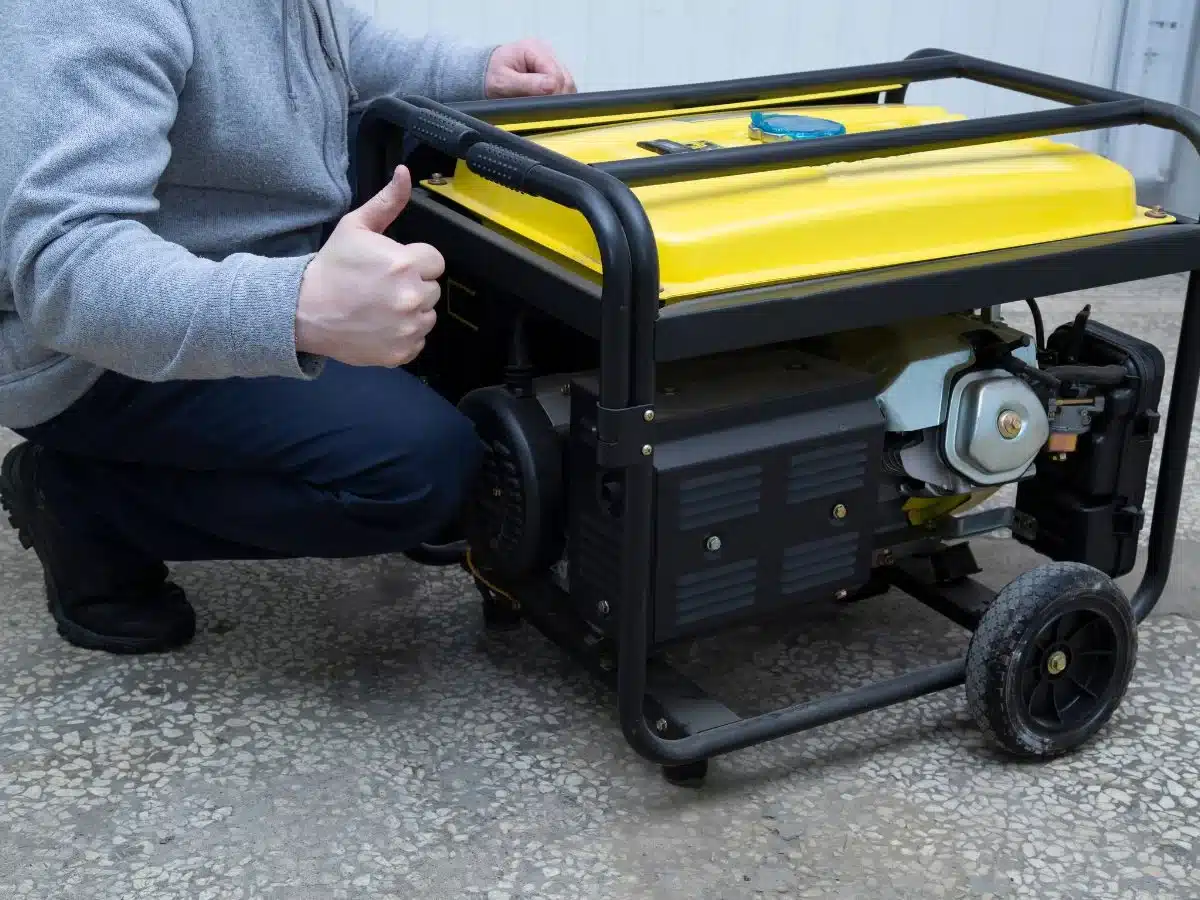
Credit: flpowersolutions.com
Frequently Asked Questions
How To Make A Standby Generator Quieter?
Use soundproof enclosures to reduce generator noise. Install rubber pads under the generator to minimize vibrations. Position the generator away from windows and doors. Add a muffler or exhaust silencer for quieter operation. Regularly maintain the generator to ensure efficient and quiet performance.
How Do I Soundproof My Generac Generator?
Build a soundproof enclosure with insulated panels. Use acoustic foam inside the enclosure. Seal gaps with weatherstripping. Position generator on vibration-dampening pads. Ensure proper ventilation to prevent overheating.
Can You Reduce The Noise Of A Generator?
Yes, you can reduce generator noise. Use a soundproof enclosure or install a muffler. Place the generator on a vibration-absorbing mat and maintain it regularly. Position it away from living areas to minimize disturbance.
Why Is My Generac Generator So Loud?
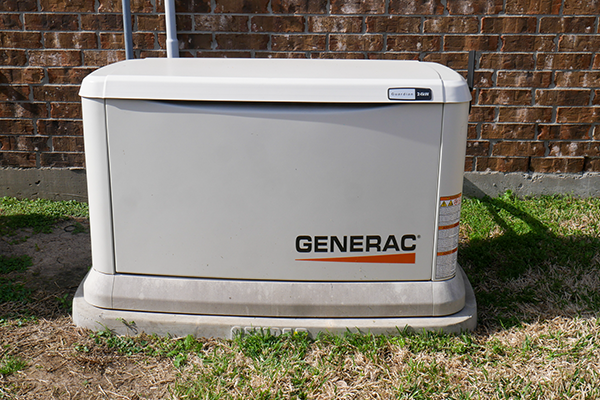
Generac generators can be loud due to their powerful engines and cooling systems. Regular maintenance and using noise-reducing accessories can help. Ensure it’s installed correctly, with proper distance from walls and other structures. Consider soundproof enclosures or barriers to minimize noise levels.
Conclusion
Quiet generators are achievable with simple steps. Soundproof enclosures reduce noise effectively. Regular maintenance keeps them running smoothly. Positioning matters; place them away from sensitive areas. Consider using anti-vibration mounts for extra silence. These tips ensure less disturbance for a peaceful environment.
Noise reduction is not complex. It requires some adjustments for better results. Implement these strategies for a quieter generator experience. Enjoy more tranquility at home or work. Silence enhances comfort and productivity. Embrace these methods today and minimize generator noise effortlessly.