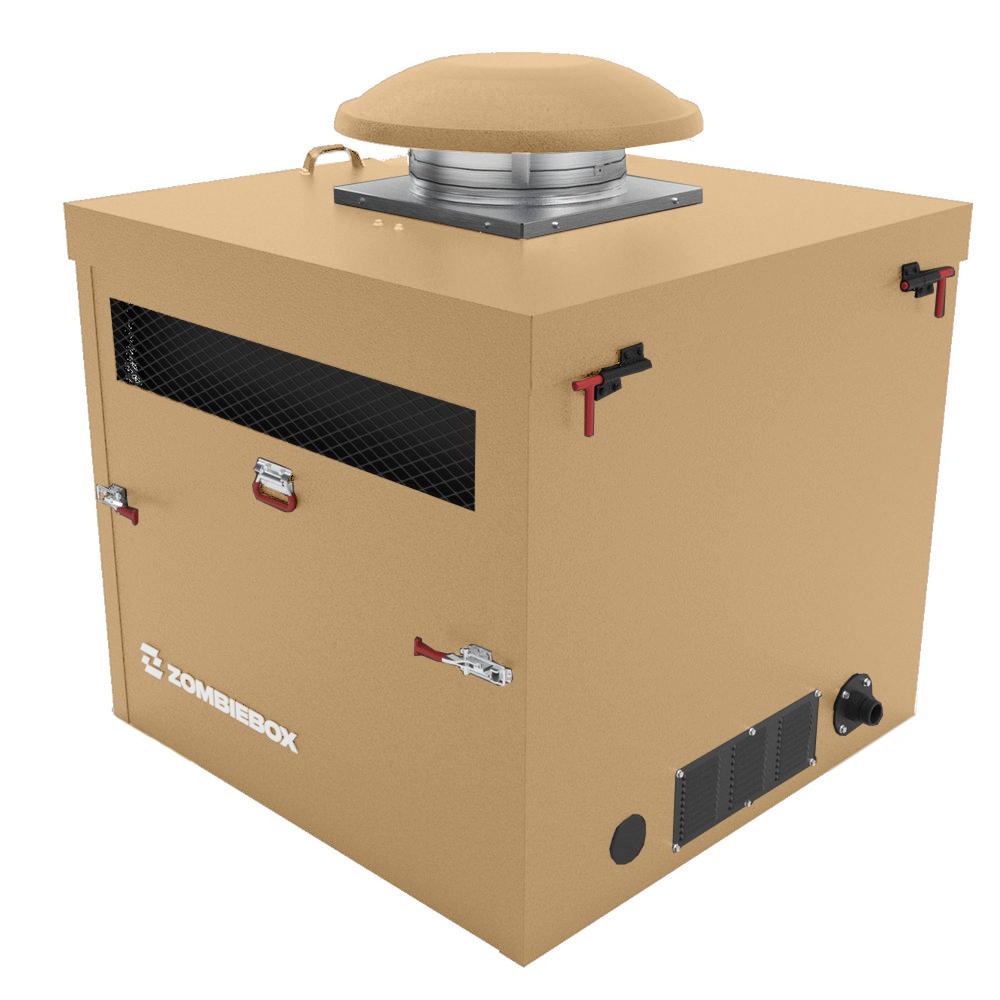
Are you tired of the constant noise from your generator disrupting your peace? You’re not alone.
Many people struggle with the loud, rumbling sounds that seem impossible to escape. But imagine having a quiet, serene environment, even with your generator running. The solution? Installing a soundproof generator box. You’re probably wondering how this simple addition can transform your experience.
It’s all about minimizing noise and maximizing comfort. By following a few straightforward steps, you can create a quieter space without sacrificing the convenience of your generator. Curious to learn how you can achieve this tranquility? Keep reading to discover the secrets of installing a soundproof generator box, and take control of your environment today.
Preparing For Installation
Gather all tools before starting. You will need a hammer, screwdriver, and wrench. Have a drilland tape measureready too. Don’t forget screwsand nails. Get a soundproof boxkit. It includes all main parts. Make sure you have a levelto check alignment.
Always wear safety gogglesto protect your eyes. Use glovesto keep your hands safe. Ensure the area is well-ventilated. Avoid working in closed spaces. Keep children away from the site. They might get hurt. Double-check your tools are in good condition. Faulty tools can be dangerous. If unsure, ask an adult for help.
Choosing The Right Location
Pick a spot away from bedrooms and living rooms. This helps keep the noise low. Make sure the ground is flat and stable. It will support the generator box well. Check for enough space around the box. This ensures good air flow and cooling. Keep the box away from windows and doors. This helps reduce noise inside the house. Avoid placing it near flammable items. Safety first!
Don’t put the generator box in a tight space. It needs room to breathe. Avoid placing it near water sources. Water and electricity don’t mix well. Never block the box’s vents. It might cause the generator to overheat. Make sure the location is easy to reach. You might need to check or fix the generator later.
Building The Soundproof Box
Installing a soundproof generator box involves choosing the right materials and ensuring proper ventilation. Begin by measuring the generator to create a box that fits snugly. Use sound-dampening materials like acoustic foam to line the interior for effective noise reduction.
Selecting Soundproofing Materials
Choose the right materialsto block noise. Thick foam and mass-loaded vinyl work well. These materials stop sound from escaping. They are easy to find. You can buy them at hardware stores. Always check the quality before buying. Good materials make a big difference.
Constructing The Frame
Builda strong frame for the box. Use wood or metal. Measure carefully to fit your generator. Ensure the box is sturdy. A strong frame holds everything together. It helps in reducing noise. Make sure all parts fit well. This keeps the box stable and safe.
Adding Insulation Layers
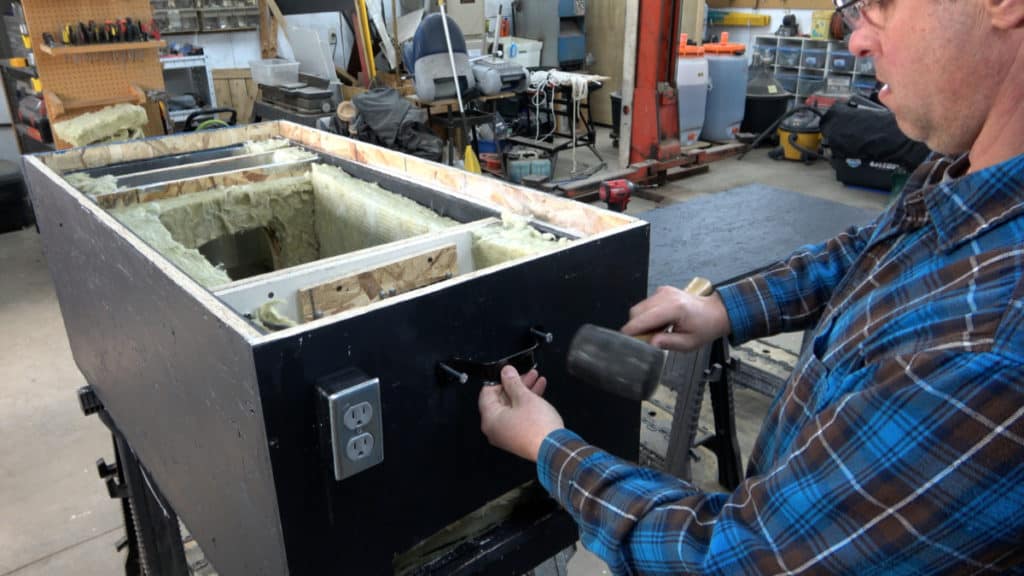
Addlayers of insulation inside the box. Use foam or fiberglass. Place them evenly around the inside. Insulation helps absorb sound. It keeps the generator quiet. Stick the layers firmly. Ensure no gaps are left. This way, sound stays trapped inside.
Credit: www.gomidwestfishing.com
Installing Ventilation
Installing ventilation in a soundproof generator box ensures efficient airflow and noise reduction. Properly placed vents help maintain temperature and prevent overheating. Regular checks can enhance performance and extend the generator’s life.
Importance Of Proper Ventilation
Proper ventilation is very importantfor a soundproof generator box. It helps the generator stay cool. Without it, the generator can get too hot. This can cause damage. Ventilation also lets out harmful fumes. These fumes can be dangerous if trapped inside. Make sure there is enough air flowing in and out. This keeps the generator and area safe.
Types Of Ventilation Systems
- Natural Ventilation:Uses openings for air to flow naturally.
- Forced Ventilation:Uses fans to push air in and out.
- Mixed Ventilation:Combines both natural and forced methods.
Choose the right system for your needs. This will keep your generator running well.
Setting Up The Generator
Setting Up the Generator Install a soundproof generator box by positioning it on a stable surface. Ensure proper ventilation for airflow. Secure the box tightly to reduce noise effectively.
Positioning The Generator
Place the generator on a flat surface. Ensure it’s away from walls. Leave enough space for air to flow. This helps keep it cool. Make sure the area is dry. Wet places can damage the generator. Keep it away from windows. The noise might bother people inside.Securing The Generator Inside The Box
Use strong bolts to hold the generator. This prevents shaking during use. Check the bolts often. Tighten them if they get loose. Cover the generator with the box. The box reduces noise. Ensure the box has vents. Vents allow air to move. This stops the generator from overheating. `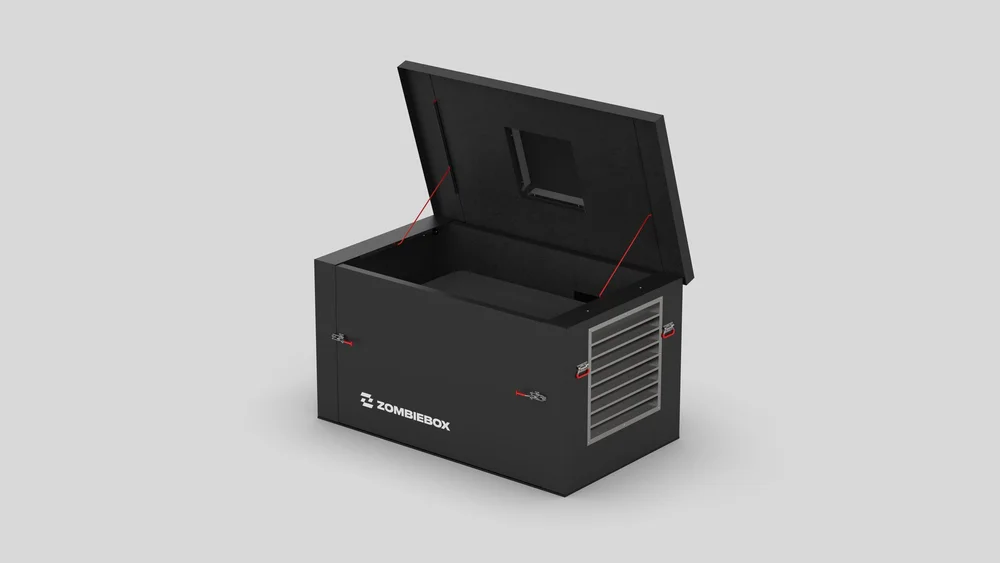
Credit: www.zombiebox.com
Testing And Adjustments
Testing and Adjustments Ensure the generator runs smoothly inside the soundproof box. Listen for unusual noises or vibrations. Adjust insulation or seals as needed for better soundproofing.
Checking Soundproofing Effectiveness
Place the generator inside the box. Turn it on and listen. Is the noise lower than before? Compare outside and inside sounds. Use a sound meter if available. Check for gaps or holes in the box. Seal any openings with foam or rubber. Ensure the lid closes tightly. Listen again to check improvement. Make notes on sound levels.
Making Necessary Modifications
Identify areas needing changes. Add more foam or padding if needed. Adjust box size or shape for better fit. Tighten loose screws or hinges. Check for vibrations causing noise. Use rubber pads to reduce vibrations. Test after each modification. Keep track of changes and results. Repeat steps until satisfied with soundproofing.
Maintenance Tips
Installing a soundproof generator box involves choosing the right materials to reduce noise. Securely seal all edges and gaps to ensure maximum sound insulation. Regularly check for wear and tear to maintain its effectiveness over time.
Routine Checks
Regular checks keep your generator running smoothly. Look for any visible damage like cracks or leaks. Inspect wires and connections for looseness. Clean the box and remove dirt or debris. Ensure ventilation is clear and not blocked. Check the oil level and replace if low. Listen for unusual noises during operation. Tighten any loose bolts or screws. These steps help avoid bigger problems.
Troubleshooting Common Issues
Generators can have common problems. If the generator doesn’t start, check the battery and fuel. Ensure the fuel line is not clogged. If it runs rough, clean the air filter. Inspect spark plugs and replace if worn out. Listen for rattling noises and tighten loose parts. If there’s smoke, inspect for oil leaks or overfilling. Keep these tips handy for quick fixes.

Credit: sproofreviews.medium.com
Frequently Asked Questions
How Do I Build A Quiet Box For My Generator?
Build a quiet box by using soundproof materials like mass-loaded vinyl and foam. Ensure ventilation for airflow. Construct a sturdy frame with plywood, attach soundproof layers, and add a door for access. Position the box away from living spaces to minimize noise disturbance.
Ensure safety measures and sufficient airflow.
Can You Put A Generator In A Soundproof Box?
Yes, you can put a generator in a soundproof box. Ensure proper ventilation and safety measures to prevent overheating. Use sound-absorbing materials for effective noise reduction. Regularly check for airflow and exhaust system functionality to maintain efficiency and avoid damage.
How Much Ventilation Does A Generator Box Need?
Ensure the generator box has at least 12 inches of clearance for proper ventilation. Adequate airflow prevents overheating and ensures safety. Keep exhaust outlets unobstructed to maintain efficiency. Regularly check for debris or blockage to ensure optimal performance. Proper ventilation prolongs generator lifespan and enhances reliability.
How To Block The Sound Of A Generator?
Use a soundproof enclosure to reduce generator noise. Place the generator on a vibration-absorbing mat. Install a muffler to minimize sound emissions. Position the generator away from living areas. Add barriers like fences or walls for additional noise reduction.
Conclusion
Installing a soundproof generator box is simple and effective. It reduces noise and keeps your environment peaceful. Follow each step carefully for best results. Start by gathering materials like insulation and plywood. Next, build the box with precision. Don’t forget to test the generator after installation.
Regular maintenance ensures long-lasting soundproofing. Enjoy the quiet atmosphere in your home or office. A soundproof box makes a big difference. Stay calm and focus on tasks without noise distractions. Your surroundings will thank you for the peace and quiet.