Imagine waking up each day knowing that the energy powering your home is not only sustainable but also significantly reducing your electricity bills. You’re probably wondering if solar panels can really generate enough energy for your needs, especially if you’re aiming for 50 kWh a day.
This is a common question for homeowners considering the switch to solar energy. The idea of harnessing the sun’s power to meet your daily energy consumption is not just intriguing; it’s a reality for many. But can you achieve this target with your setup?
You’re not alone in pondering this, and the answer depends on several factors that we’ll explore together. Stay with us as we delve into the possibilities and considerations for reaching that 50 kWh milestone with solar panels. We’ll break down what it takes, from panel efficiency to geographical location, so you can make an informed decision. Get ready to transform your understanding of solar energy and see if this green dream can become your everyday reality.
Solar Panel Basics
Understanding the basics of solar panels can help you determine whether generating 50 kWh a day is feasible for your home. Solar panels convert sunlight into electricity, providing a renewable and sustainable energy source. But how do they work, and what types should you consider?
Types Of Solar Panels
There are primarily three types of solar panels:
- Monocrystalline:Known for their high efficiency and sleek appearance, these panels are made from a single crystal structure. They perform well even in low-light conditions, making them a popular choice.
- Polycrystalline:These are made from multiple crystal fragments melted together. They tend to be less expensive but are slightly less efficient compared to monocrystalline panels.
- Thin-Film:Flexible and lightweight, these panels are made by depositing photovoltaic material onto a substrate. They are generally less efficient but can be a good option for non-traditional applications.
Have you considered the space you have available? The type of panel you choose can affect the amount of electricity generated per square foot. For instance, monocrystalline panels might be more suitable if space is limited.
How Solar Panels Work
Solar panels work by harnessing sunlight through photovoltaic cells. These cells are made from semiconductor materials, typically silicon. When sunlight hits the cells, it knocks electrons loose, creating an electric current.
The electricity generated is direct current (DC), which needs to be converted to alternating current (AC) for home use. This is done using an inverter. The inverter plays a crucial role in ensuring your solar energy can power your appliances effectively.
Consider the amount of sunlight your location receives. Is your roof positioned to capture the maximum sunlight throughout the day? This factor can significantly impact the efficiency and output of your solar panels.
By understanding these basics, you can make informed decisions about your solar energy needs and whether reaching 50 kWh a day is within reach.
Credit: aussiesolartech.com.au
Energy Needs Assessment
Understanding your energy needs is crucial before investing in solar panels. This assessment helps determine if you can generate 50 kWh a day. It involves evaluating how much electricity your household uses daily. Knowing this will guide your solar panel decisions effectively.
Calculating Daily Energy Consumption
First, review your electricity bills for past months. Look at the kilowatt-hours (kWh) used each month. Calculate the average by adding the kWh of each bill, then divide by the number of months. This gives you an estimate of daily energy consumption. For a more precise figure, divide the monthly kWh by 30. Note variations in energy use during different seasons. This helps in planning for peak consumption periods.
Understanding Kwh Requirements
Once you know your daily usage, determine how many solar panels are needed. Most residential solar panels produce between 250 to 400 watts per hour. Calculate the total energy output by multiplying panel wattage by sunlight hours. For example, a 300-watt panel with 5 hours of sunlight produces 1.5 kWh daily. To achieve 50 kWh, you would need around 34 such panels. Consider space, budget, and sunlight availability before deciding. This ensures your setup meets your energy needs efficiently.
Factors Affecting Solar Energy Production
Solar energy production depends on sunlight availability, panel efficiency, and location. Achieving 50 kWh daily requires optimal conditions. Factors like shading, weather, and panel orientation influence output.
Factors affecting solar energy production play a crucial role in determining output. Understanding these factors can help optimize energy generation from solar panels. Let’s explore the key elements that influence solar energy production.Geographical Location
Location significantly impacts solar power efficiency. Areas closer to the equator receive more sunlight. This results in higher energy production. Regions with less sun exposure generate less power. Latitude plays a vital role in determining sunlight hours. Consider your geographical location when planning solar installations.Weather Conditions
Weather greatly affects solar energy output. Cloudy days reduce sunlight reaching the panels. Rain and snow also hinder solar efficiency. Clear skies and sunny days boost energy production. Seasonal changes influence the amount of sunlight available. Monitoring weather patterns can help predict energy yield.Panel Orientation And Tilt
Proper orientation maximizes solar panel efficiency. Panels should face the sun directly for optimal results. In the Northern Hemisphere, south-facing panels work best. Tilt angle matters too. Adjusting tilt can increase energy absorption. Panel orientation and tilt should match your location’s sun path.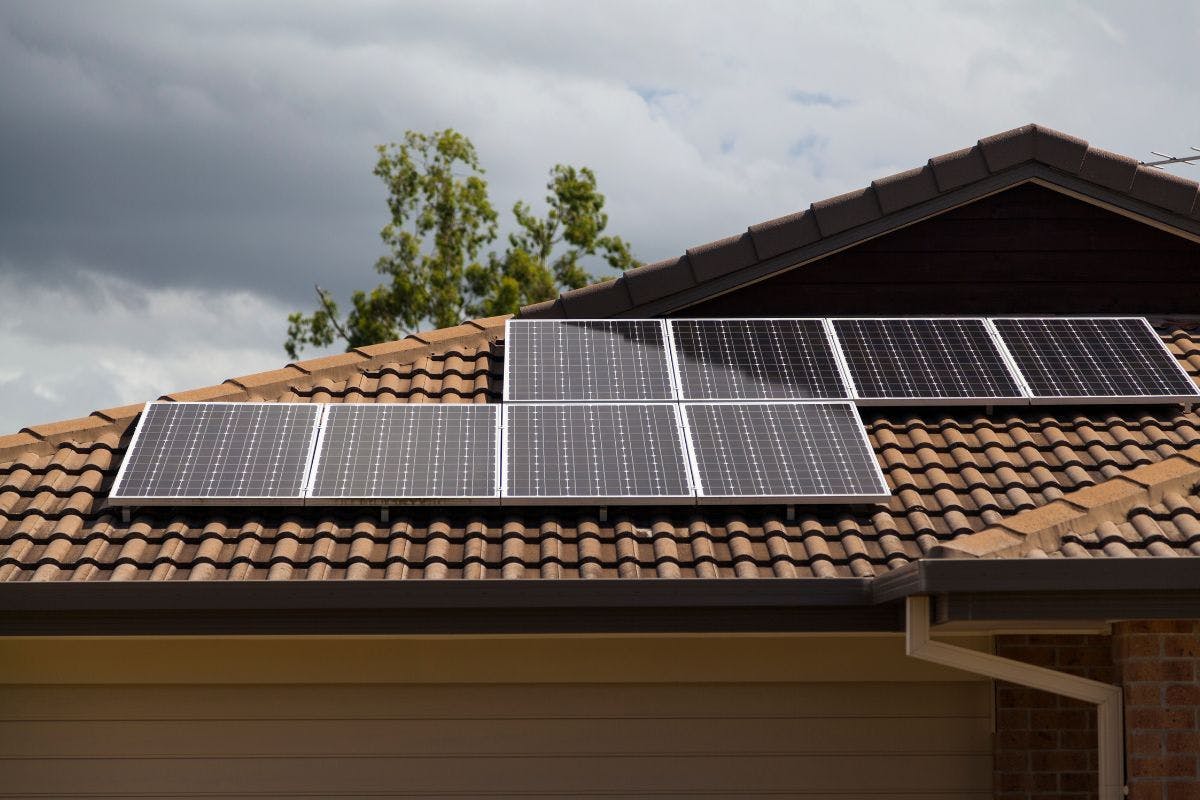
Credit: palmetto.com
Panel Efficiency And Technology
Understanding the efficiency and technology of solar panels is crucial. It determines how much energy they can produce daily. If you’re aiming to generate 50 kWh a day, focusing on these aspects is vital. Solar panel efficiency has improved greatly over the years, making high energy production possible even with fewer panels.
Efficiency Rates
Solar panel efficiency is a measure of how much sunlight is converted into usable electricity. Higher efficiency rates mean more energy is generated from less sunlight. Most panels today have efficiency rates between 15% and 20%. Premium panels can achieve efficiency rates of over 22%. These rates are essential for maximizing energy output, especially in areas with less sunlight.
Latest Technological Advances
Recent technological advances in solar panels have pushed efficiency boundaries. Mono-crystalline panels are leading in efficiency due to their pure silicon composition. Innovations like bifacial panels capture sunlight from both sides. This results in increased energy production. Improvements in photovoltaic cells also enhance energy conversion rates. These technologies make generating 50 kWh a day more attainable.
Sizing Your Solar System
When considering solar power for your home, one of the most critical aspects is sizing your solar system. Achieving the goal of generating 50 kWh a day requires careful planning and an understanding of your energy needs. You’ll need to evaluate the number of panels, the space available, and other factors to ensure your system is efficient and meets your daily energy demands.
Number Of Panels Required
The number of solar panels you need depends on their efficiency and the average sunlight your location receives. Most residential solar panels produce between 250 to 400 watts each. To generate 50 kWh daily, you’d need approximately 125 to 200 panels if each panel generates 400 watts.
Consider the efficiency and wattage of the panels you choose. A higher wattage panel means fewer panels are needed, which can save space and reduce installation costs. Are you ready to invest in higher efficiency panels to maximize your output?
Space Considerations
Space is a critical factor when planning your solar setup. Do you have enough roof space or land to accommodate the number of panels required? Each panel typically takes up about 18 square feet.
Evaluate your roof’s orientation and potential shading issues from trees or buildings. South-facing roofs with minimal shade are ideal for maximum solar exposure. If space is limited, consider high-efficiency panels that produce more power per square foot.
Are you prepared to make modifications or clear obstacles to optimize your solar panel placement? Proper space planning can ensure your system is both effective and aesthetically pleasing.
Installation And Costs
Installing solar panels to generate 50 Kwh daily involves considering initial setup and equipment costs. Factors like roof space and sunlight exposure affect the number of panels needed. Budgeting for installation and potential maintenance ensures long-term efficiency and savings.
Installing solar panels to generate 50 kWh a day involves understanding the initial investment and ongoing maintenance costs. Balancing these factors can help you make an informed decision about harnessing solar energy for your home. Let’s break down the costs involved in setting up a solar power system.Initial Investment
The upfront cost of solar panel installation can be significant. You’ll need to purchase panels, inverters, batteries, and other necessary equipment. Installation fees also contribute to the initial expense. Some homeowners opt for financing options, such as loans or leases, to ease the financial burden. Consider the long-term savings on electricity bills, which can offset the initial costs over time.Maintenance Costs
Solar panels generally require minimal maintenance. Cleaning the panels to ensure they’re free of debris and functioning efficiently is crucial. Occasional professional inspections can help detect potential issues early, preventing costly repairs. Factor in the lifespan of the equipment and potential replacements, such as inverters, which may need updating every 10-15 years. Are you ready to take the plunge into solar energy? Understanding these financial aspects can guide your decision and ensure a smooth transition to renewable power.Maximizing Solar Output
Generating 50 Kwh a day with solar panels is possible with the right setup. A well-designed solar system, considering location and panel efficiency, can achieve this output. Proper maintenance and optimal placement further enhance energy production.
Maximizing the output of your solar panels can help you achieve 50 kWh a day. It requires strategic planning and smart usage. Efficient use of technology and energy-saving habits are key. Learn how to enhance your solar energy system.Using Battery Storage
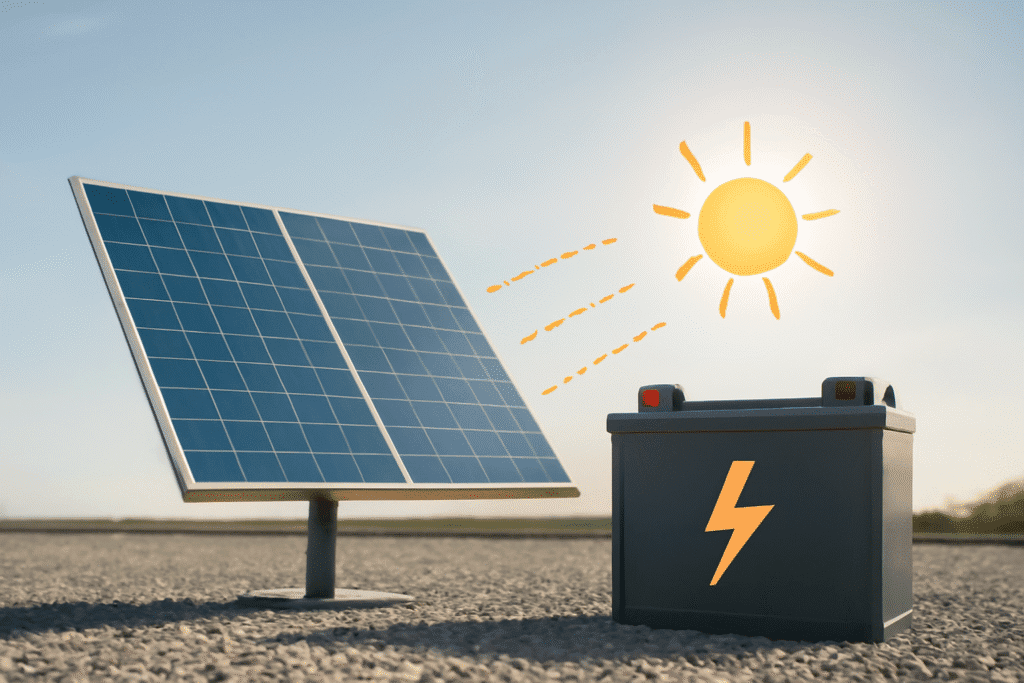
Battery storage helps store excess energy for later use. It allows you to use solar power during cloudy days or at night. Batteries can increase your energy independence and reduce reliance on the grid.Optimizing Usage Patterns
Adjusting your energy use can significantly impact solar efficiency. Use high-energy devices during peak sunlight hours. Schedule washing machines, dishwashers, and other appliances for daytime use. It ensures you utilize solar energy effectively.
Credit: shopsolarkits.com
Real-life Examples
Generating 50 Kwh daily with solar panels is achievable with optimal setup. A 10 kW solar system can deliver this output in sunny regions. Factors like location, panel efficiency, and sunlight hours impact performance.
Real-life Examples Imagine you’re considering solar panels, but you’re unsure if they can generate 50 kWh a day. Real-life examples can provide clarity and confidence. These examples show how others have successfully harnessed solar power to meet their energy needs. They demonstrate the effectiveness of solar panels in various settings and offer insights into achieving similar results.Case Studies
One family in sunny California installed a 10 kW solar system. They monitored their daily output and found they consistently generated around 55 kWh per day. In another case, a small business in Texas decided to go solar with a 12 kW system. On clear days, they exceeded 50 kWh, providing enough energy to power their operations and reduce costs. A farm in Arizona installed a robust 15 kW solar array. Despite occasional cloudy days, their average daily generation still surpassed 50 kWh.Success Stories
Consider the story of a homeowner in Nevada who wanted to eliminate their electricity bill. By installing a 9 kW solar system, they achieved over 50 kWh daily, covering their entire consumption. A school in Florida sought to reduce its environmental footprint. They installed a 20 kW solar system and now generate more than 50 kWh daily, inspiring students with their green commitment. A tech startup in Colorado aimed to power their office sustainably. With a 12 kW solar setup, they’re generating upwards of 60 kWh daily, achieving energy independence. These stories highlight the potential of solar panels. Have you considered what size system you might need to reach your energy goals?Frequently Asked Questions
How Many Solar Panels Do I Need To Generate 50 Kwh Per Day?
To generate 50 kWh daily, you’ll need around 15-20 solar panels. This depends on panel efficiency and sunlight hours. Panels typically produce 250-400 watts each. Check your location’s sunlight and select appropriate panels for precise calculations. Consult a solar expert for tailored advice.
Is 50 Kwh A Day A Lot?
50 kWh a day is considered high for household energy use. Average usage is around 30 kWh daily. High consumption may indicate inefficiency or increased appliance use. Reducing energy waste can lower costs and environmental impact. Evaluate your energy habits to determine if adjustments are needed.
How Many Kwh Should My Solar Panels Produce In A Day?
Solar panel output varies based on location, panel size, and efficiency. Typically, panels produce 1-4 kWh daily per kW installed. Consider factors like sunlight hours and weather for precise estimates. Consult with a solar professional for a detailed assessment tailored to your specific needs.
How Many Solar Panels Do I Need To Generate 30 Kwh Per Day?
To generate 30 kWh per day, you need about 10-12 solar panels, each rated at 300 watts. Panel efficiency, location, and sunlight hours affect the exact number needed. Consult a solar expert for tailored solutions.
Conclusion
Generating 50 Kwh daily with solar panels is achievable. Consider your location and panel efficiency. Sunny regions offer more energy. Proper panel installation boosts power output. Ensure regular maintenance for optimal performance. Choose high-quality panels for better results. Consult experts for accurate assessments.
Solar energy reduces electricity costs. Helps the environment too. Investing in solar panels is beneficial long-term. Make informed decisions. Start your solar journey today. Enjoy sustainable living and energy independence.