Are you curious if your solar panels are pulling their weight? You’re not alone.
Many homeowners invest in solar power with high hopes of slashing their energy bills and shrinking their carbon footprint. But doubts can creep in when the results aren’t what you expected. Are your panels living up to their potential, or is something amiss?
Understanding the performance of your solar system is crucial—not just for peace of mind, but for maximizing your investment. We’ll delve into the factors that affect solar panel efficiency, help you identify potential red flags, and guide you on steps to ensure your panels are truly working hard for you. Don’t miss out on unlocking the full potential of your solar setup!
Evaluating Solar Panel Efficiency
Assessing solar panel efficiency is crucial to determine if they are generating enough power. Regular checks on energy output can highlight any discrepancies. Monitoring involves analyzing sunlight exposure and comparing it to expected power production levels.
Evaluating Solar Panel Efficiency Understanding whether your solar panels are generating enough power can be a mystery for many homeowners. Evaluating their efficiency is crucial to ensure you’re getting the most out of your investment. You might wonder, are your panels performing as they should, or is there room for improvement?Factors Affecting Performance
Solar panel efficiency is influenced by several factors. Weather conditions play a significant role; cloudy days reduce sunlight exposure, impacting power generation. The angle and position of the panels also matter. Panels need optimal sunlight exposure for maximum efficiency. Dust, dirt, or debris can also affect performance. Regular cleaning keeps them in peak condition. Even shading from trees or buildings can drastically reduce output, so it’s essential to keep panels clear of obstructions.Importance Of Monitoring
Monitoring your solar panel’s performance is vital. This helps you track energy production and identify potential issues. Are you aware of how much energy your system should be generating? Use monitoring systems or apps to get real-time data on your panel’s output. This information helps you make informed decisions about maintenance or adjustments. Regular checks ensure your system runs efficiently and saves you money in the long run.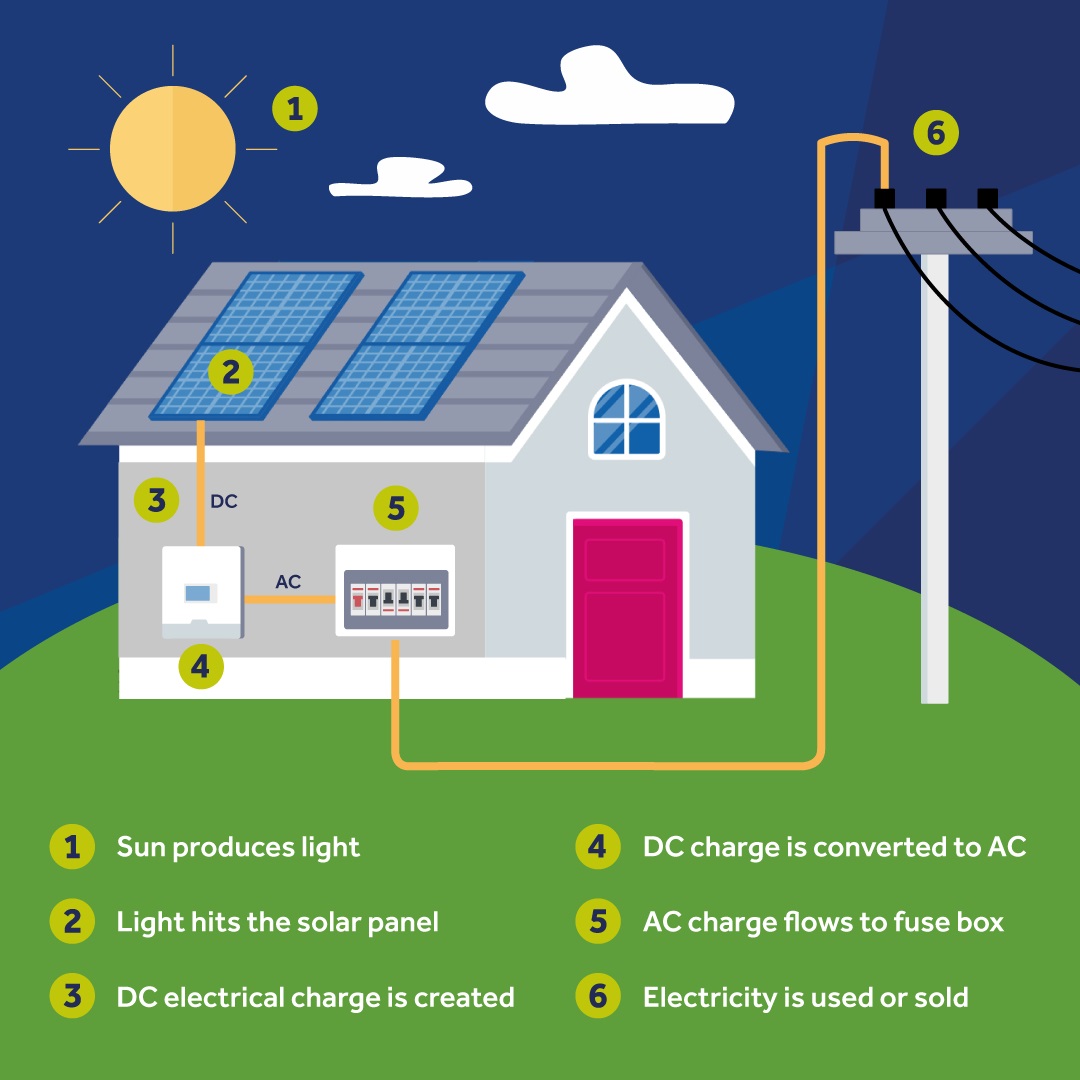
Credit: powerni.co.uk
Understanding Solar Panel Output
Evaluating solar panel output involves checking efficiency and power generation. Regular monitoring ensures optimal performance. Understanding energy production helps determine if panels meet daily needs.
Expected Energy Production
The energy production of your solar panels depends on several factors, including the size of your system and local weather conditions. Typically, a standard residential solar panel system will generate about 1 kWh per day for every 1 kW of installed capacity. Consider a 5kW solar system. You can expect it to produce around 5 kWh of electricity on a sunny day. However, if it’s cloudy, the output might reduce by half. Checking your system’s output regularly can help you notice discrepancies and take timely action.Peak Sun Hours
Peak sun hours refer to the time during the day when the sunlight is most intense. This is when your panels will produce the most electricity. Most regions experience about 3 to 5 peak sun hours per day. Imagine your solar panels as a sponge, absorbing sunlight. The more peak sun hours your location receives, the more solar energy your panels can capture and convert into electricity. Even if you live in a cloudy area, your system can still generate significant power during these high-intensity periods. Are you tracking your peak sun hours? It’s a small step that can make a big difference in understanding your solar panel output. By regularly monitoring these factors, you can ensure that your solar panels are performing optimally. Doing so not only maximizes your energy savings but also contributes to a sustainable future.Tools For Measuring Power Generation
Measuring your solar panels’ power generation is essential. It helps ensure they are working efficiently. Several tools can assist you in this task. Some are automated, while others require manual checks. Understanding these tools can help you monitor your solar power system effectively.
Using Solar Monitoring Systems
Solar monitoring systems provide real-time data. They track the energy your panels produce. These systems are often integrated with your solar inverter. This allows you to view data through an app or web portal. You can monitor daily, weekly, or monthly power generation. This helps identify any inefficiencies or issues quickly.
Many systems send alerts if something goes wrong. They can notify you of low power production. This early detection can prevent bigger problems. Some systems also offer weather forecasts. This helps you understand how weather impacts your solar production. Investing in a good monitoring system can save you time and money.
Manual Methods For Assessment
Manual methods provide another way to measure power generation. One simple method is checking the inverter display. Most inverters show the current power output. You can record these readings daily. This helps you track the performance over time.
Another method is using a solar power meter. These handheld devices measure the electricity produced. You simply connect it to the system’s wiring. They provide accurate readings of voltage and current. These measurements help calculate the total energy generated.
Regularly inspecting your panels is also important. Look for dirt, debris, or shading. These factors can reduce power output. Keeping the panels clean ensures they operate at full capacity. Manual checks are a great way to stay engaged with your solar system.

Credit: vtoman.com
Common Issues Affecting Performance
Dirty panels and shade can lower solar power output. Faulty wiring or inverter issues also affect efficiency. Regular checks ensure optimal performance.
Solar panels are a fantastic way to harness renewable energy, but they can face several challenges that impact their performance. Understanding these issues can help you ensure your solar panels are operating efficiently. Let’s explore some common factors that might be affecting the power output of your solar panels.Shading And Obstructions
Shadows cast by nearby trees, buildings, or even accumulated debris can significantly reduce solar panel efficiency. A small shadow on a single panel can affect the performance of an entire string of panels, much like a kink in a garden hose reduces water flow. Regularly inspect your panels for any obstructions. Trim nearby branches or relocate items that might block sunlight. Consider using micro-inverters or power optimizers, which help mitigate the effects of partial shading.Weather Impact
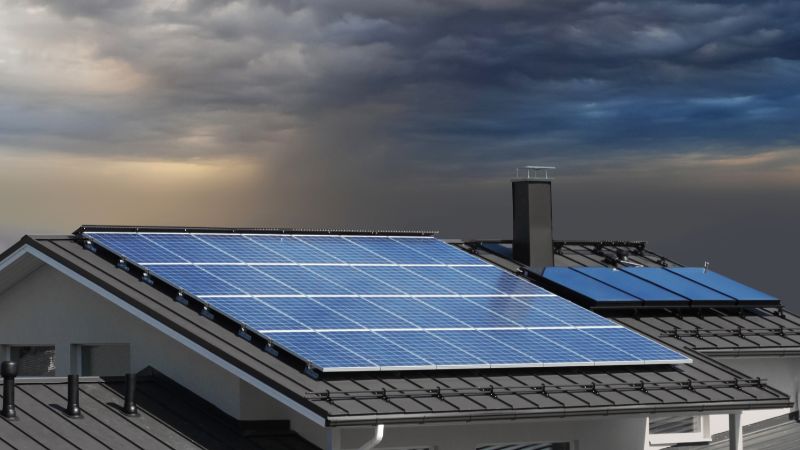
Weather conditions play a crucial role in solar panel performance. Overcast skies and rain can reduce the amount of sunlight reaching your panels, leading to lower energy production. Have you noticed a decrease in energy output during cloudy days? That’s completely normal, but it’s important to have realistic expectations about solar energy production in different weather conditions. Monitoring systems can help track how weather patterns affect your solar panels, providing data to optimize their performance.Improving Solar Panel Efficiency
Wondering if your solar panels produce enough power? Consider checking their angle and cleaning them regularly. Enhancing efficiency ensures maximum energy output, saving money and supporting sustainability.
Improving the efficiency of solar panels can lead to greater energy savings. This involves regular maintenance and strategic placement to harness maximum sunlight. Keeping your solar panels in top shape ensures they deliver optimal power output.Cleaning And Maintenance
Dust, dirt, and debris can cover the panels, blocking sunlight. Regular cleaning is essential to maintain their efficiency. Use a soft brush and water to gently clean the surface. Avoid harsh chemicals, as they may damage the panels. Schedule routine inspections to catch and fix any potential issues early. This proactive approach extends the life and efficiency of your solar panels.Optimizing Panel Placement
Panel placement significantly impacts their energy production. Ensure they face the sun directly for maximum exposure. In the Northern Hemisphere, south-facing panels capture the most sunlight. Avoid placing panels near trees or structures casting shadows. Adjust the tilt of the panels according to the season. This seasonal adjustment maximizes energy absorption throughout the year.Professional Evaluation
Ensuring that your solar panels are generating enough power can sometimes feel like a guessing game. While monitoring systems provide data, they don’t always tell the full story. A professional evaluation can offer clarity and reassurance, helping you optimize your energy production efficiently. It’s not just about numbers; it’s about understanding the potential of your solar investment.
Hiring Experts
When it comes to evaluating your solar panels, hiring a professional can be a game-changer. Solar experts have the skills to assess your system thoroughly. They use specialized equipment to measure performance accurately and identify any underlying issues. By having an expert on board, you gain insights that go beyond basic monitoring.
Imagine having someone who can pinpoint inefficiencies or suggest upgrades. These professionals not only know how to analyze data but also interpret it for practical improvements. Their experience can be invaluable, especially if you’re unsure about maximizing your energy output.
Benefits Of Professional Assessments
Professional assessments can provide numerous advantages. First, they offer peace of mind. Knowing your solar panels are functioning optimally can alleviate concerns about your energy bills. You won’t have to wonder if you’re getting the best return on your investment.
Moreover, an assessment can lead to increased efficiency. Experts might find ways to boost your system’s performance, whether through panel repositioning, cleaning, or technology upgrades. These improvements can significantly impact your overall energy savings.
Finally, a professional evaluation can identify potential problems before they escalate. Early detection of issues like shading, wiring faults, or inverter malfunctions can save you from costly repairs down the line. By being proactive, you ensure your solar panels continue to generate power effectively.
Have you considered having your system professionally evaluated? It could be the key to unlocking the full potential of your solar panels and enhancing your home’s energy efficiency.
Credit: deyeess.com
Frequently Asked Questions
How Do I Know If My Solar Panels Are Producing Enough Power?
Check your solar panel’s energy output using monitoring systems or apps. Compare it to your expected production levels. Regularly inspect for dust, debris, or shading that may affect efficiency. Consult your installer if discrepancies persist. This ensures optimal solar panel performance and energy savings.
What Is The 20% Rule For Solar Panels?
The 20% rule for solar panels refers to keeping panels clean and unobstructed. Dirt, debris, or shade should not cover more than 20% of the panel surface to maintain optimal efficiency. Regular maintenance helps ensure solar panels perform effectively, maximizing energy output and longevity.
How Do I Tell How Much Power My Solar Panels Are Generating?
Use a solar inverter display or a monitoring app to check real-time power generation. Ensure your panels are clean and positioned correctly for accurate readings. Regularly review the data to assess performance, and consider professional inspection if discrepancies arise.
What Will A 400w Solar Panel Run?
A 400W solar panel can power small appliances like laptops, LED lights, or a mini fridge. It may also charge phones, tablets, or run a small fan. Energy output depends on sunlight hours and efficiency. Always check device wattage to ensure compatibility with solar panel capacity.
Conclusion
Understanding your solar panel’s power output is crucial. Regular checks ensure efficient energy production. Compare your monthly energy bills to expected savings. Look at your system’s performance. Are there any noticeable changes? Consider weather conditions and seasonal variations. These factors affect energy generation.
Monitor your solar panel system’s health. Clean panels yield more power. Consult experts if doubts persist. They can provide professional advice. Optimize your solar energy usage. Maximize benefits from your investment. Solar panels offer sustainable energy. Enjoy peace of mind and reduced costs.