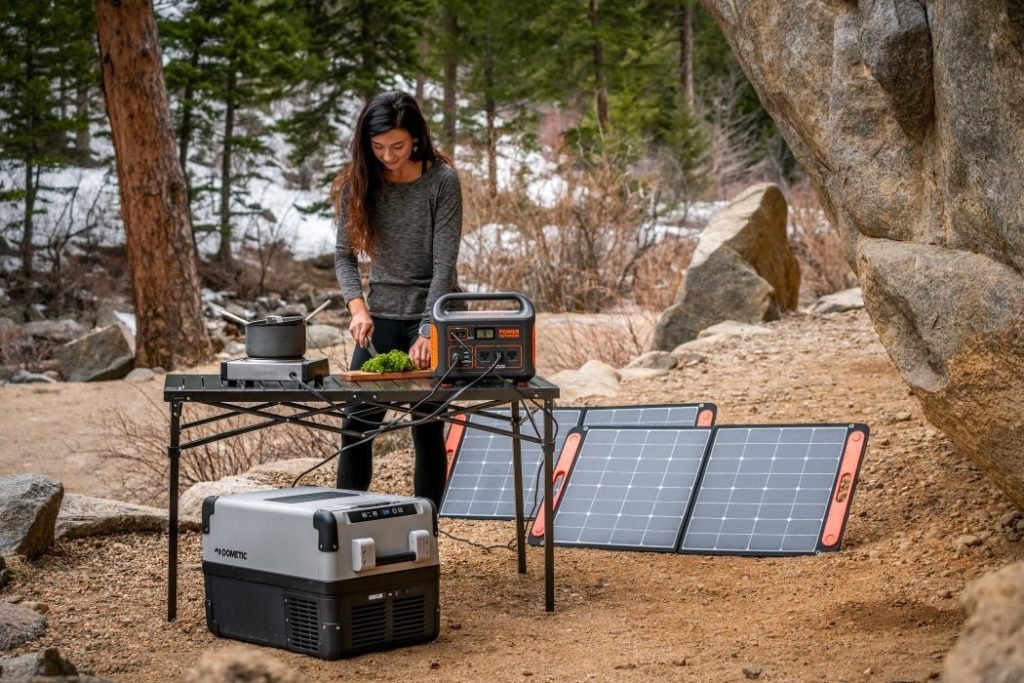
Imagine waking up to a stormy day, the power is out, and you’re wondering how to keep your fridge running to preserve all your food. It’s a stressful scenario, right?
But what if you had a reliable backup plan that harnesses the power of the sun? You might be curious, or even skeptical, about whether a solar generator can power a refrigerator. This article is here to clear up any confusion you might have.
We’ll dive into the possibilities and limitations of using solar energy to keep your refrigerator running smoothly, ensuring your groceries stay fresh even when traditional power sources fail. Stick around to discover how this eco-friendly option could be a game-changer for your home, providing peace of mind and sustainability.
Solar Generators: Basics
Solar generators are becoming popular for eco-friendly power. They use sunlight to produce electricity. This makes them a clean energy source. They can power various appliances, including refrigerators. But how do they work?
How Solar Generators Work
Solar generators capture sunlight with solar panels. The panels convert sunlight into electricity. This energy is stored in batteries. Then, the generator uses this stored power. It can power devices and appliances even when the sun is not shining.
Components Of A Solar Generator
A solar generator has several key components. These include:
- Solar Panels:Capture sunlight and convert it into electricity.
- Battery:Stores the electricity for later use.
- Inverter:Converts stored energy into usable power.
- Charge Controller:Regulates the energy flow from panels to battery.
Each component plays a vital role. Together, they ensure a steady power supply.

Credit: growattportable.com
Refrigerator Energy Needs
Refrigerators are essential in every home. They keep food fresh and safe. To power a refrigerator, understanding its energy needs is crucial. Refrigerators consume varying amounts of electricity. This depends on size, age, and efficiency. Knowing these factors helps decide if a solar generator is suitable.
Understanding Wattage And Amperage
Wattage measures the power a refrigerator uses. Most standard refrigerators need 100 to 800 watts. Larger models require more. Amperage indicates the current drawn by the refrigerator. Standard models use between 1 to 5 amps. Older refrigerators may consume more energy. Efficient models are designed to use less power.
Factors Affecting Power Consumption
Several factors impact how much energy a refrigerator uses. Size is a major factor. Larger refrigerators need more power. Usage frequency also affects consumption. Constant opening and closing increase energy use. Ambient temperature plays a role too. Higher room temperatures cause the refrigerator to work harder. Age and efficiency are critical considerations. Newer models are more energy-efficient. Regular maintenance can reduce power needs.
Calculating Power Requirements
Understanding if a solar generator can power a refrigerator involves calculating power needs. Consider the refrigerator’s wattage and the generator’s output. Ensure the solar generator’s capacity matches or exceeds the refrigerator’s energy demand for smooth operation.
Estimating Refrigerator Power Usage
First, you need to determine how much power your refrigerator consumes. Most refrigerators have a label on the back or inside that lists their power usage in watts. Typically, a standard refrigerator uses between 100 to 800 watts per day, depending on its size and efficiency. To get an accurate estimate, check the wattage and multiply it by the number of hours the fridge runs per day. Remember, refrigerators cycle on and off, so they may not be drawing power continuously. You might be surprised at how much energy is saved by a newer, more efficient model.Determining Solar Generator Capacity
Once you know the refrigerator’s power needs, you’ll need to find a solar generator that can match or exceed this requirement. Solar generators are rated by their watt-hour (Wh) capacity, which indicates how much energy they can store. For instance, if your refrigerator uses 600 watts over a 24-hour period, your solar generator should ideally provide at least 600 watt-hours to cover the fridge’s daily usage. Consider factors like the efficiency of the solar panels and the battery capacity. Also, think about your location and average sunlight exposure, as this will impact how effectively your generator can recharge each day. Have you ever considered how weather variations could affect your solar generator’s performance? Planning for these nuances can ensure your refrigerator remains powered even on cloudy days.Choosing The Right Solar Generator
Choosing the right solar generator for your refrigerator is crucial. It ensures efficient energy use and keeps your fridge running smoothly. With various options available, selecting the perfect generator might seem challenging. But focusing on key aspects can simplify the decision-making process.
Sizing the Generator for Your RefrigeratorCorrect sizing is vital for powering a refrigerator. Check the fridge’s power requirements. Typically measured in watts, this information is often on a label inside the fridge. Calculate the total watt-hours needed daily. Multiply the fridge’s wattage by the hours it runs each day. This helps determine the generator’s capacity. Choose a generator that can handle this load with ease. Consider energy loss due to inefficiencies. It’s wise to have a buffer in capacity to ensure reliability.
Important Features to ConsiderLook for key features when selecting a solar generator. Battery capacity is crucial. It impacts how long the generator can power the fridge. High-capacity batteries offer longer runtimes. Also, consider the inverter’s efficiency. It converts solar power into usable electricity. A high-efficiency inverter reduces energy loss.
Portability can be important. Lightweight and compact models are easy to move. This is useful during camping or emergencies. Look for multiple output options. They offer versatility for powering different appliances. Safety features like overcharge protection are essential. They extend battery life and prevent damage.
Installation And Setup
Setting up a solar generator to power a refrigerator involves several steps. Proper installation ensures efficiency and longevity. This guide will help you navigate the setup process smoothly.
Connecting The Refrigerator
Begin by placing the solar generator near the refrigerator. Ensure easy access to power cables. Check that the generator’s output matches the refrigerator’s power requirements. Use a compatible power cable to connect the generator to the refrigerator. Secure all connections to prevent disconnection.
Test the connection by turning on the refrigerator. Listen for operational sounds. Verify that the refrigerator light turns on. If not, check connections and power levels.
Optimizing Solar Panel Placement
Solar panel placement impacts efficiency. Choose a location with maximum sun exposure. Place panels on a roof or open yard. Ensure no shadows fall on the panels during peak hours. Angle the panels towards the sun for optimal energy capture. Use a compass to find the best direction.
Secure panels firmly to prevent movement. Check that they are clean and free of debris. Regular cleaning ensures optimal performance.
Benefits Of Using Solar Power
Solar power offers numerous benefits for household appliances. Imagine using a solar generator to power your refrigerator. It’s not just about keeping your food cold; it’s about making a difference. Let’s explore the advantages of solar energy.
Environmental Advantages
Solar energy reduces carbon footprints. Using it for your refrigerator means less reliance on fossil fuels. This helps decrease greenhouse gas emissions. Solar power is renewable. It harnesses the sun’s energy, which is abundant and clean. This leads to a healthier planet.
Cost Savings Over Time
Solar generators can lower electricity bills. They use free energy from the sun. Initial costs may seem high, but they pay off. Over time, savings add up. Maintenance costs are low. Solar panels have a long lifespan. This makes them a wise investment.
Potential Challenges
Potential Challenges Powering a refrigerator with a solar generator can be tricky. Solar generators may struggle to provide consistent power. Also, weather conditions can affect their efficiency, leading to energy shortages.
Potential Challenges Utilizing a solar generator to power a refrigerator presents several challenges. These challenges can affect efficiency and reliability. Understanding these obstacles is crucial for optimal performance.Weather-related Limitations
Solar generators depend heavily on sunlight. Cloudy days may reduce power generation. This can affect the refrigerator’s operation. Seasonal changes also impact sunlight availability. In winter, daylight hours are shorter. This can lead to insufficient power supply.Energy Storage Considerations
Energy storage is vital for consistent power. Batteries store solar energy for later use. A refrigerator needs a constant energy supply. High-capacity batteries are essential. They ensure uninterrupted operation. Battery efficiency affects energy availability. Low-quality batteries discharge quickly. This can lead to power shortages.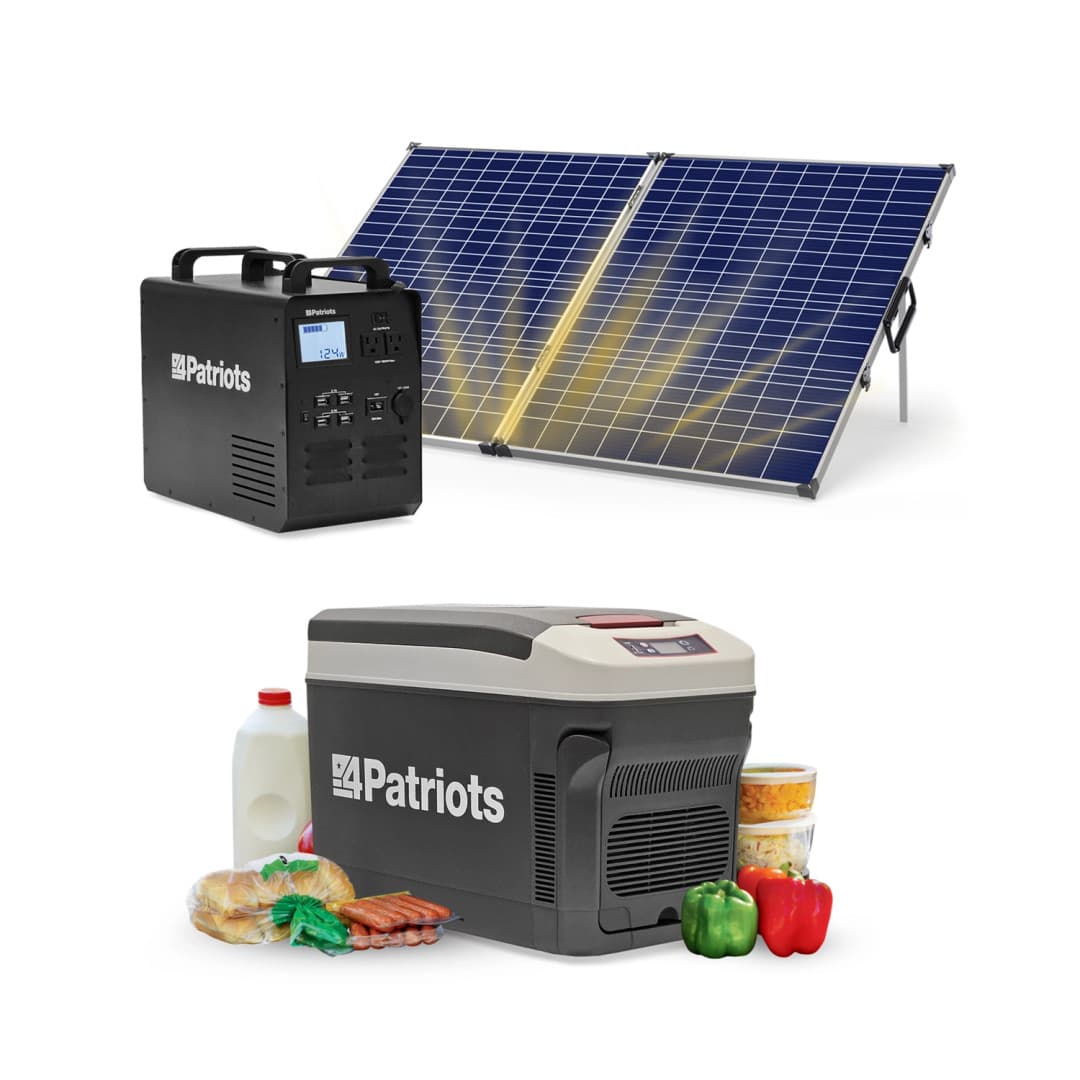
Credit: 4patriots.com
Real-life Examples
Exploring the potential of solar generators reveals fascinating real-life examples. Many people wonder if a solar generator can power a refrigerator efficiently. By diving into real-world scenarios, we gain insights into their capabilities and limitations.
Case Studies Of Successful Installations
In a rural community in Texas, a family installed a solar generator to power their refrigerator. They used a 1000-watt solar generator paired with a 200-watt solar panel. The setup successfully powered their 18-cubic-foot refrigerator. This installation helped the family save on electricity bills while reducing their carbon footprint.
Another example comes from a remote cabin in Colorado. The owner installed a solar generator with a 1500-watt capacity. It powered a standard refrigerator and a few lights. The cabin had limited access to the grid, making the solar solution ideal. The generator ran efficiently, even during cloudy days.
Lessons Learned From Users
Users shared valuable insights about solar generators and refrigerators. One common lesson was the importance of matching generator capacity to refrigerator needs. A higher wattage generator ensures reliable power supply.
Many users emphasized battery storage. They found that having an adequate battery bank was crucial. It ensured the refrigerator ran during nighttime or cloudy days. Proper planning and setup played a key role in their success.
Some users noted the significance of energy-efficient refrigerators. Using models with low energy consumption made a big difference. It allowed the solar generator to perform better, extending battery life.

Credit: souopower.com
Frequently Asked Questions
How Long Will A 1000 Watt Solar Generator Run A Refrigerator?
A 1000-watt solar generator can run a refrigerator for about 5 to 12 hours. Duration depends on the refrigerator’s power consumption, typically 100-800 watts. To maximize efficiency, use energy-efficient models and ensure the generator is fully charged.
How Much Solar Power Do I Need To Run A Full-size Refrigerator?
A full-size refrigerator typically needs about 100-400 watts of solar power. Calculate your fridge’s wattage and add 20% for efficiency losses. Ensure your solar system includes a battery for nighttime use.
How Long Will A Jackery 1000 Run A Full-size Refrigerator?
A Jackery 1000 can power a full-size refrigerator for about 7 to 10 hours, depending on energy consumption. This duration varies with the refrigerator’s efficiency and usage patterns. Regular monitoring is recommended to optimize battery life and ensure uninterrupted operation.
Can You Run A Fridge Off Solar Power?
Yes, you can run a fridge off solar power. Ensure your solar system provides enough energy and includes battery storage. Calculate your fridge’s energy consumption to match solar output for optimal performance. Proper setup ensures reliable, eco-friendly refrigeration.
Conclusion
A solar generator can power a refrigerator effectively. It saves energy costs. Make sure your generator meets the fridge’s power needs. Check wattage requirements carefully. Solar energy offers a sustainable option. It’s environmentally friendly and reduces carbon footprint. Perfect for off-grid living.
Not all generators suit every appliance. Research before buying. Consider battery capacity and solar panel efficiency. Investing in solar power benefits the planet. It’s a smart choice for green living. Explore your options and choose wisely. Enjoy reliable, clean energy at home.
Protect the environment while keeping your food fresh.