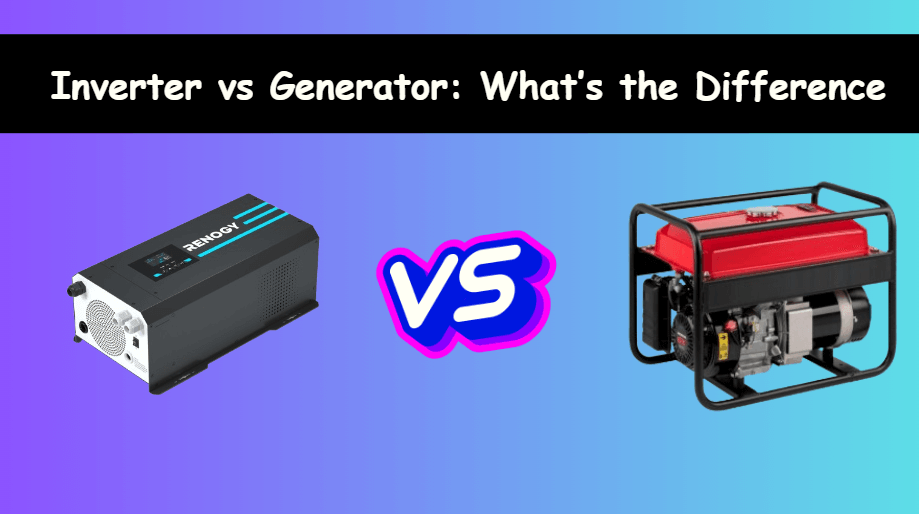
Have you ever faced a power outage and wondered whether a generator or an inverter would be the best solution for keeping your home or office running smoothly? You’re not alone.
Many people find themselves puzzled by the differences between these two power backup options. Which one is right for your needs? Understanding the distinction can be crucial for making an informed decision that aligns with your lifestyle and budget. Imagine this: You’re in the middle of a crucial task, and suddenly, the power goes out.
Your heart skips a beat as you think about the unsaved work and the looming deadlines. A reliable backup power source could save you from this panic. But which one should you choose? This article will shed light on the essential differences between a generator and an inverter, so you can make the best choice. Let’s uncover the secrets behind these devices and find the perfect power solution for you.
Basics Of Generators
Generators are essential tools for providing power during outages or in remote areas. They convert mechanical energy into electrical energy, ensuring continuous power supply. Understanding the basics of generators can help in choosing the right type for specific needs.
How Generators Work
Generators function through electromagnetic induction. An engine spins a rotor inside a magnetic field. This motion creates a flow of electrons, producing electricity. The generated power can then be used to run appliances, tools, and lights.
Types Of Generators
Generators come in various types:
- Portable Generators:Lightweight and easy to move. Ideal for temporary use.
- Standby Generators:Automatically power homes during outages. They are fixed installations.
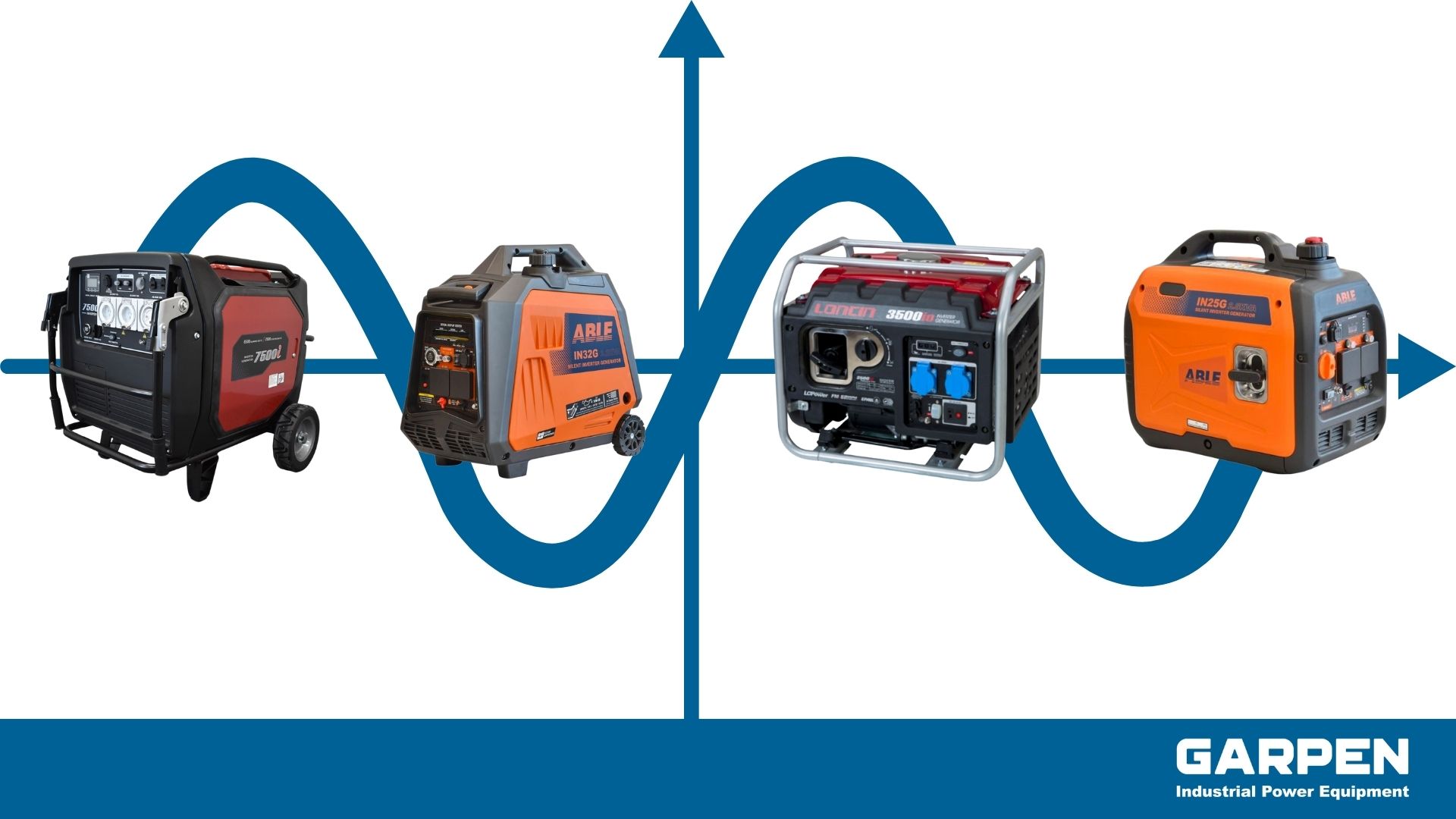
- Inverter Generators:Efficient and produce stable power. Suitable for sensitive electronics.
- Industrial Generators:Designed for heavy-duty applications. Used in factories and large facilities.
Common Uses
Generators serve multiple purposes:
- Emergency Power:Keep homes powered during blackouts.
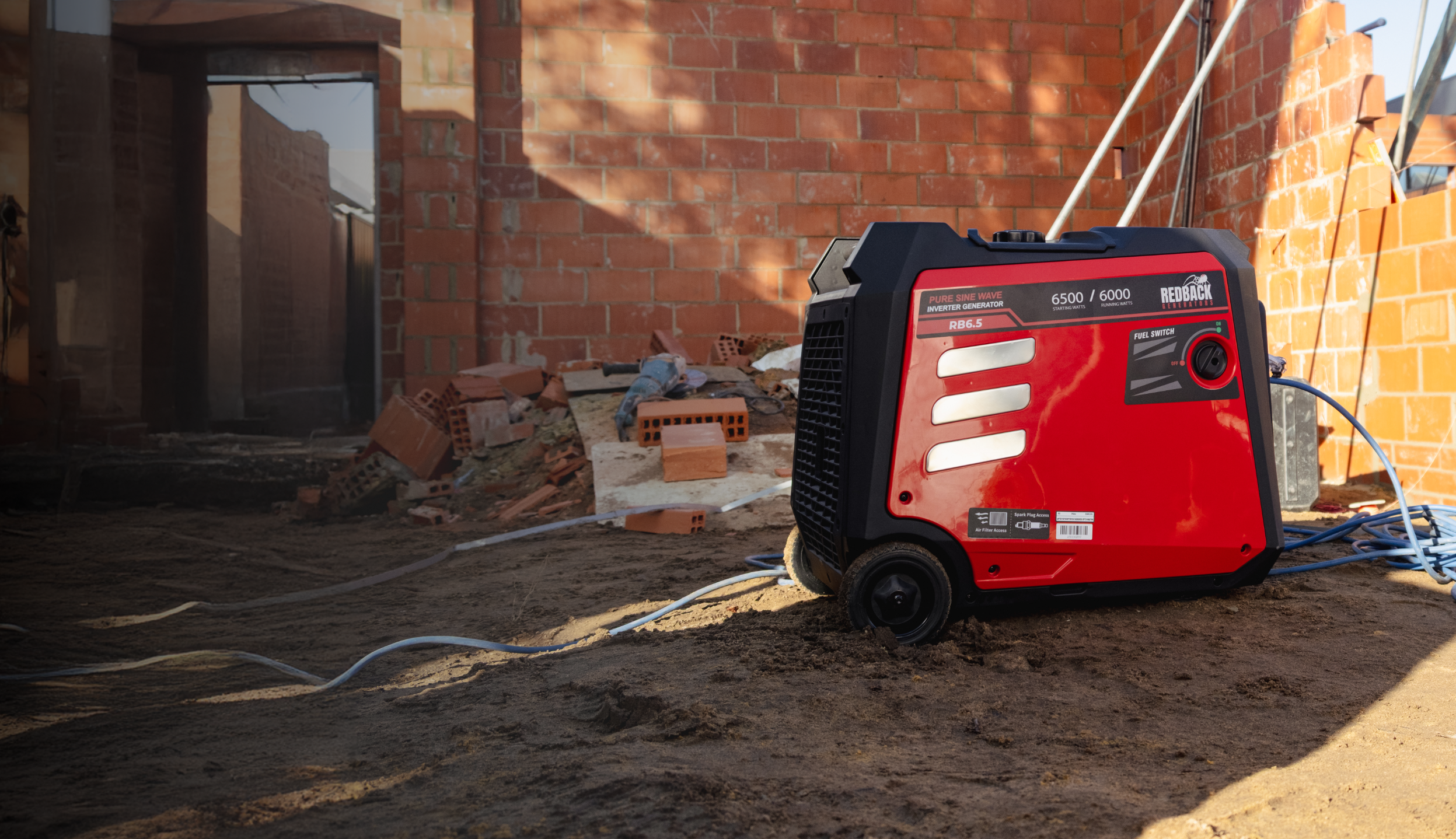
- Construction Sites:Power tools and equipment where grid access is limited.
- Outdoor Events:Supply electricity for concerts, fairs, and gatherings.
- Recreational Use:Provide power for camping or tailgating.
Credit: itechworld.com.au
Fundamentals Of Inverters
Inverters play a key role in converting electricity. They change direct current (DC) into alternating current (AC). This transformation is crucial for powering household appliances. Unlike generators, inverters rely on stored energy from batteries. Their operation involves sophisticated technology to ensure efficient conversion. Understanding their fundamentals helps in choosing the right power solution.
How Inverters Operate
Inverters work by drawing power from a DC source. This source is typically a battery or solar panel. The inverter then converts this DC power into AC power. This process involves electronic circuits that switch the current direction. The resulting AC power can run various home appliances. It mimics the power supplied by the grid.
Types Of Inverters
There are several types of inverters available. Each serves different needs and applications:
- Pure Sine Wave Inverters:Produce clean power. Suitable for sensitive electronics.
- Modified Sine Wave Inverters:Less expensive. Work well with simple devices.
- Square Wave Inverters:Least common. Used for basic tasks.
Typical Applications
Inverters find use in many scenarios. They power home appliances during outages. They are essential for solar power systems. They charge devices in cars and RVs. Inverters also support portable power stations. Each application requires selecting the right inverter type. Matching inverter capabilities with needs ensures optimal performance.
Power Output Comparison
Generators and inverters both produce power, but differ in their operation. Generators use mechanical energy for electricity, while inverters convert DC to AC power. Ideal for homes and small devices, inverters provide cleaner energy compared to traditional generators.
Power output is a key factor when choosing between a generator and an inverter. It determines how much energy each device can supply. Generators are known for their high power output. They can run large appliances and heavy machinery. Inverters, on the other hand, are designed for smaller loads. They are perfect for home electronics and small devices.Efficiency Analysis
Generators often consume more fuel to produce energy. They can be less efficient, especially under partial loads. This means they might waste fuel when not fully utilized. Inverters typically use less fuel. They adjust power production based on the demand. This makes them more efficient for smaller, fluctuating loads.Power Quality
Generators produce raw electrical power. This can cause fluctuations and spikes in the output. Such variations can harm sensitive electronics. Inverters provide a stable power output. They offer clean and consistent electricity. This makes them ideal for delicate devices like computers and TVs.Fuel And Energy Sources
Generators and inverters both provide electricity, but they work differently. Generators produce power by converting fuel into electricity. Inverters, however, convert stored battery power into usable electricity, often providing quieter and more efficient operation.
Understanding the fuel and energy sources for generators and inverters is essential for determining which is most suitable for your needs. Both devices serve the purpose of providing electricity, but they do so using different mechanisms and resources. Let’s delve into what fuels a generator compared to what powers an inverter, and explore how these differences impact their use and efficiency.Fuel Requirements For Generators
Generators typically run on fossil fuels like gasoline, diesel, or natural gas. These fuels are readily available but come with environmental concerns due to emissions. For instance, if you live in a remote area, gasoline-powered generators might be your go-to due to ease of access. However, the choice of fuel can affect maintenance costs and the generator’s lifespan. When considering a generator, think about how often you’ll need to refuel and the implications this has on long-term usage. The need for constant fuel availability can be a hassle or an added expense.Energy Sources For Inverters
Inverters, on the other hand, are versatile when it comes to energy sources. They primarily convert DC power from batteries or solar panels into AC power. If you’re leaning towards sustainability, solar-powered inverters are an excellent choice. They harness renewable energy, which is not only eco-friendly but also reduces your dependency on fuel. Consider how using an inverter might change your approach to energy consumption. Could it be your step towards greener living? Inverters can also be charged using conventional electricity, making them adaptable for various situations. This flexibility can be invaluable if you face frequent power outages but have access to other forms of electricity.Cost Considerations
Generators are typically cheaper upfront but consume more fuel over time. Inverters, although initially expensive, save on fuel costs, offering long-term efficiency.
Cost is a crucial factor when choosing between a generator and an inverter. Both options have different cost implications over time. Understanding these can help you make an informed decision.Initial Investment
Generators often require a higher initial investment. They are larger and have more complex components. This makes them more expensive upfront. Inverters, on the other hand, typically cost less. They are smaller and easier to install, reducing initial costs. For those on a budget, inverters may seem more appealing.Maintenance Expenses
Maintenance costs vary significantly between generators and inverters. Generators need regular servicing due to their mechanical parts. This includes oil changes and part replacements, adding to ongoing expenses. Inverters have fewer mechanical components. They require less frequent maintenance, which can save money over time. This makes them more cost-effective in the long run.Environmental Impact
Understanding the environmental impact of generators and inverters is vital. Both play crucial roles in energy production, but they affect the environment differently. Choosing between them requires a look at their environmental footprints. Explore their emissions and eco-friendliness to make an informed choice.
Emissions From Generators
Generators often run on fossil fuels like diesel or gasoline. Burning these fuels releases harmful gases. Common emissions include carbon monoxide and nitrogen oxides. These gases contribute to air pollution and climate change. Generators also produce noise pollution, affecting wildlife and humans.
Frequent use of generators can increase carbon footprint. This is a concern in areas with poor air quality. Regular maintenance can help, but emissions remain significant. It’s essential to consider these factors in areas with strict environmental regulations.
Eco-friendliness Of Inverters
Inverters use stored energy from batteries, often charged by renewable sources. Solar and wind power are common choices for charging. This leads to zero emissions during operation. Inverters are quiet, reducing noise pollution concerns.
Renewable energy options make inverters more eco-friendly. They help lower the carbon footprint significantly. For those conscious about sustainability, inverters are often the preferred choice. They align well with green energy initiatives and environmental goals.
Noise Levels And Disturbance
Noise levels can greatly impact the choice between a generator and an inverter. Understanding how each device operates helps in choosing the right one for your needs. Generators and inverters differ significantly in their noise production.
Noise In Generators
Generators often produce a loud and constant noise. This noise comes from the combustion engine. The mechanical components contribute to the overall sound. Generators are usually powered by diesel or gasoline. These fuels can make them quite noisy.
In residential areas, generator noise can be disturbing. It affects the peace and quiet of the surroundings. For outdoor events, the noise can be intrusive. It might interrupt conversations or music. Choosing a generator means accepting its loud nature.
Quiet Operation Of Inverters
Inverters are known for their quiet performance. They use advanced technology to minimize noise. Unlike generators, they do not have a combustion engine. This makes them much quieter.
Inverters often use batteries or solar power. These power sources contribute to their silent operation. For homes or events needing low disturbance, inverters are ideal. They ensure a peaceful environment without interrupting activities.
Credit: garpen.com.au
Portability And Installation
Generators are often bulky and require professional installation, while inverters are compact and easy to set up. Inverters offer greater portability, making them ideal for travel or small spaces.
Portability and installation are key differences between generators and inverters. Each has unique characteristics suited to different needs. Understanding these can help you choose the right option for your power needs. Generators and inverters serve the same purpose but offer varying levels of convenience.Portability Of Generators
Generators are often bulky and heavy. They usually require a designated space. Moving them involves effort and sometimes special equipment. Smaller models are more portable. They come with wheels or handles. Yet, they still need a flat surface for stability. Generators offer power in areas with no electricity. They’re ideal for construction sites or outdoor events.Installation Of Inverters
Inverters are compact and easy to install. They often connect directly to a power source. Some inverters are portable and plug into car outlets. Others require professional installation, linking to solar panels or batteries. They need less space and can fit on shelves or walls. Inverters are quiet and ideal for indoor use. They convert DC power to AC, making them suitable for homes.Suitability For Emergency Situations
Generators are better for long-term power outages, while inverters are ideal for short-term emergency needs. Inverters provide cleaner energy for sensitive electronics, but generators handle heavy loads effectively.
In emergency situations, having a reliable source of power can make all the difference. Imagine a storm knocks out electricity and plunges your home into darkness. Would you be prepared? This is where understanding the difference between generators and inverters becomes crucial. Each has its unique strengths, especially when it comes to providing power during emergencies. Choosing the right one depends on your specific needs and the type of situation you might face.Generators In Emergencies
Generators are often the go-to solution for larger scale power outages. They can provide substantial power to run multiple home appliances simultaneously. Picture waking up to a freezing house during a winter power cut; a generator can keep your heating system running. Typically, generators are fueled by gasoline, diesel, or propane, allowing for continuous operation as long as you have fuel available. This makes them ideal for prolonged outages where you need sustained power. However, the downside is their noise and the need for regular maintenance. You might need to think about where to store it safely and how to handle fuel. But, when you need sheer power, a generator can be your best friend.Inverters For Backup Power
Inverters shine in situations where you need to keep essential devices running, like your phone or laptop. They convert DC power from batteries to AC power, which can be a lifesaver during short-term outages. Imagine you’ve got an important work deadline and the lights go out. An inverter can keep your electronics powered without the noise of a generator. Inverters are often more compact and portable, making them easy to store and deploy when needed. They also tend to be more environmentally friendly, especially if paired with solar panels. The catch? They generally provide less power than generators, so you’re limited to powering smaller devices. But for many, the convenience and ease of use make them the perfect choice for quick, emergency backup power. Which would you choose for your home? Are you ready to face the next power outage with confidence?
Credit: campernation.co.uk
Frequently Asked Questions
What Is Better, A Generator Or An Inverter Generator?
Inverter generators are generally better for fuel efficiency, quieter operation, and stable power output. They suit sensitive electronics. Traditional generators offer higher power output but are noisier and less efficient. Choose based on your specific needs: portability and electronics vs.
power and cost.
What Are The Disadvantages Of Inverter Generators?
Inverter generators can be more expensive than conventional models. They offer lower power output and may struggle with high-demand appliances. Maintenance and repairs can also be costly. Some models might produce noise, despite claims of quiet operation. Limited fuel options can restrict usage in certain situations.
Can An Inverter Generator Run A Refrigerator?
Yes, an inverter generator can run a refrigerator. Ensure the generator’s wattage matches the refrigerator’s power requirements. Most modern inverter generators are efficient and provide stable power, making them suitable for appliances like refrigerators. Check the refrigerator’s starting watts and compare it with the generator’s capacity for optimal performance.
Can You Use An Inverter Instead Of A Generator?
Yes, you can use an inverter instead of a generator. Inverters are quieter and more energy-efficient. They convert DC power to AC, suitable for small appliances. Generators are better for high power needs and extended use. Choose based on your power requirements and noise preferences.
Conclusion
Understanding the difference between generators and inverters helps in making smart choices. Generators produce electricity using fuel, ideal for heavy power needs. Inverters convert stored battery power to electricity, perfect for smaller devices. Both have unique benefits. Generators suit outdoor events and large appliances.
Inverters work great for camping and emergencies. Consider your power needs and budget. Choose wisely based on what suits you best. Make sure you know their advantages and limitations. With this knowledge, you can select the right option for your needs.
Your decision impacts efficiency and convenience. Stay informed and choose wisely.