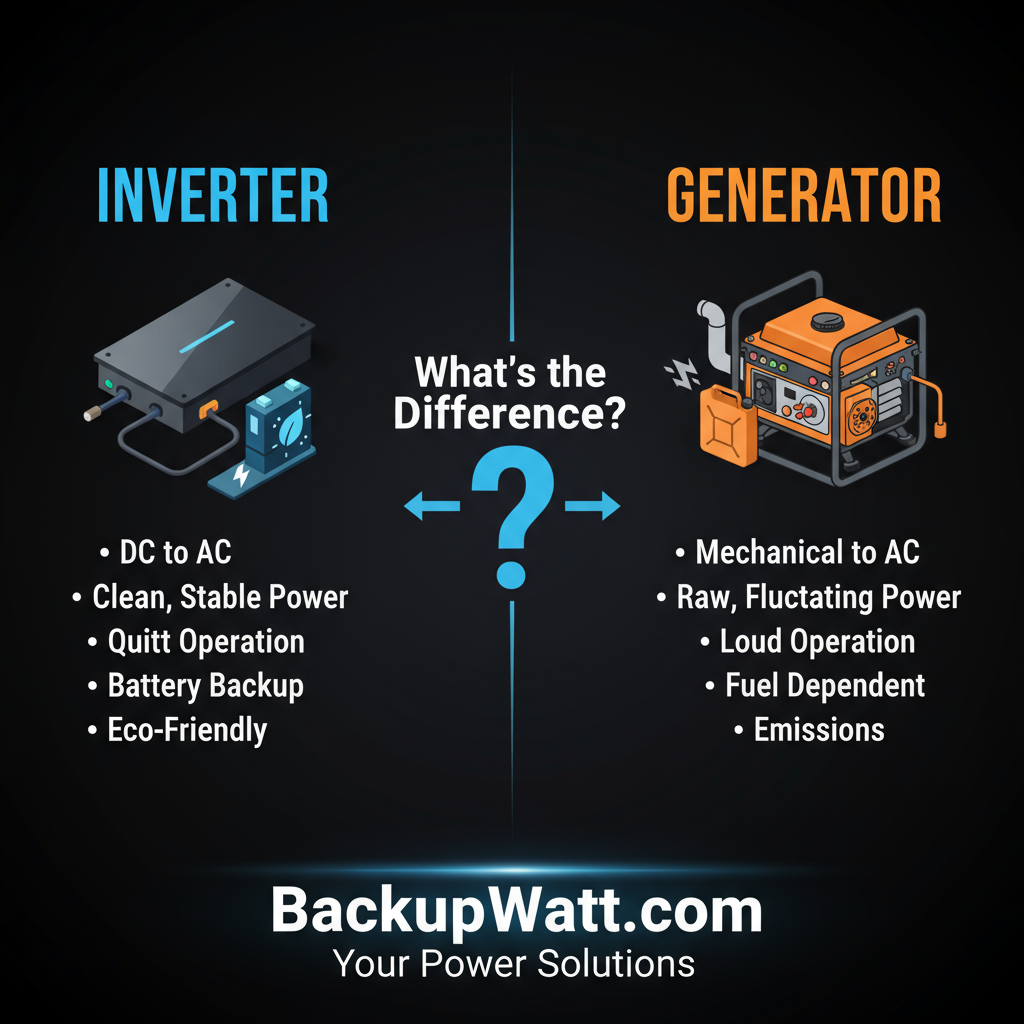
Are you planning for your next camping trip, or maybe looking for a reliable backup power source for your home? If so, you might be wondering about the difference between an inverter and a generator.
Choosing the right power solution can be a game-changer, saving you time, money, and frustration. You might feel overwhelmed with all the technical jargon and options out there, but don’t worry – you’re not alone. Understanding these two power sources isn’t just about getting electricity; it’s about choosing the best fit for your lifestyle and needs.
Dive in with us to unravel the mysteries of inverters and generators, and discover which one can truly power up your life. Stay tuned, because the right choice is just a few scrolls away!
Inverter Basics
Understanding inverter basics can transform how you think about power solutions. Whether you’re camping in the great outdoors or preparing for a power outage, knowing how inverters work can save the day. Inverters are not just about converting power; they are about providing a reliable energy source when you need it most.
Function And Purpose
Inverters are designed to convert DC (Direct Current) power into AC (Alternating Current) power. This conversion allows you to use your battery-powered devices with standard AC appliances. Imagine you’re on a road trip with your family, and your gadgets are running low on battery. An inverter is your bridge to keeping everyone entertained and connected.
Inverters are essential for anyone relying on battery power for their needs. They enable a seamless transition from stored energy to usable power, making them perfect for off-grid living or emergency backup systems. How often have you wished for uninterrupted power during a storm?
Key Components
Inverters consist of several critical components that work together to ensure smooth operation. The primary part is the transformer, which helps in converting DC to AC. Additionally, the circuit board manages the flow of electricity and ensures safety and efficiency.
Other components include cooling fans to prevent overheating and fuses for protection. These elements ensure your inverter is not just functional but also safe to use. Knowing these can help you troubleshoot common issues and maintain your inverter for years.
Types Of Inverters
There are various types of inverters, each suited to different applications. The most common are pure sine wave inverters, which produce a smooth and consistent power flow, ideal for sensitive electronics like laptops and TVs. If you’re someone who values clean energy use, this type might be your best bet.
Modified sine wave inverters, on the other hand, are more cost-effective and work well for less sensitive devices. They’re perfect for basic appliances such as fans or lights. Have you ever considered which type of inverter matches your lifestyle and needs?
If you’re looking for portability, portable inverters offer ease of use and flexibility, making them great for on-the-go activities like camping or road trips. They offer you the freedom to explore without worrying about power limitations.
Generator Basics
Understanding the basics of generators is essential for anyone considering power solutions. Generators play a crucial role in providing electricity during outages and in remote areas. They transform mechanical energy into electrical energy, ensuring a steady power supply when needed.
Function And Purpose
Generators primarily serve as backup power sources. They are crucial during power outages or in off-grid locations. Their main function is to convert mechanical energy into electricity. This ensures that homes and businesses remain powered, regardless of grid failures.
Key Components
Several components make a generator function efficiently. The engine is the core, providing mechanical energy. The alternator converts this energy into electrical power. A fuel system supplies the engine, while the voltage regulator maintains output. Lastly, the cooling and exhaust systems prevent overheating and expel gases.
Types Of Generators
Generators come in various types, each suited for specific needs. Portable generators are versatile and easy to transport. They are ideal for camping or short-term power outages. Standby generators are permanent installations, automatically providing power during outages. Inverter generators offer clean and stable energy, perfect for sensitive electronics. Each type has its own advantages, tailored to different requirements.
Power Output And Efficiency
Understanding the differences in power output and efficiency between inverters and generators can greatly influence your decision when choosing a power backup solution. Both have their unique advantages and limitations, which cater to different needs and scenarios. Let’s dive into how each performs and what you can expect in terms of power delivery and energy efficiency.
Inverter Power Capabilities
Inverters are known for their stable and consistent power output. They convert DC power, typically from a battery, into AC power, making them ideal for sensitive electronic devices like laptops and smartphones. The power output of inverters is generally cleaner, meaning there are fewer fluctuations, which is crucial for the longevity of electronic devices.
However, the power capacity of inverters is often limited to the battery size and the inverter’s design. If you’re planning a camping trip or need a backup for small appliances, an inverter might be your best bet. The peace of mind knowing your devices are safe from power surges is a significant advantage.
Generator Power Capabilities
Generators, on the other hand, are powerhouses capable of delivering substantial electricity. They are typically fueled by gasoline, diesel, or propane, which allows them to produce a higher wattage output suitable for heavy-duty appliances and larger setups. If you’re facing a prolonged power outage at home, a generator can keep your refrigerator, HVAC systems, and other critical appliances running.
However, this power comes with a caveat. Generators can produce fluctuations in power output, which might not be suitable for sensitive electronics without an additional inverter. The raw power they offer is best for situations where sheer capacity is required over finesse.
Efficiency Comparisons
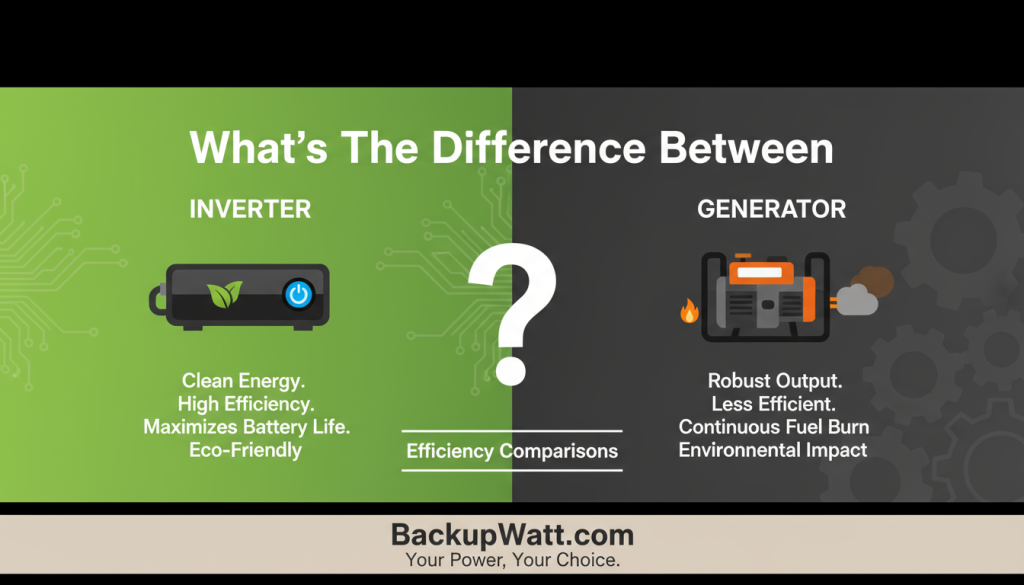
When it comes to efficiency, inverters generally have the upper hand. They are designed to maximize battery life and provide energy only when needed, reducing wastage. This makes them a more eco-friendly option compared to traditional generators.
Generators, while powerful, tend to be less efficient as they continuously burn fuel to produce electricity. This can lead to higher operational costs and more environmental impact. If you’re environmentally conscious, this might be a significant factor in your decision-making process.
So, what suits your needs? The answer lies in understanding your power requirements and how much efficiency matters to you. Whether it’s the clean energy from an inverter or the robust output from a generator, making the right choice can make all the difference in your power backup strategy.
Fuel Source And Consumption
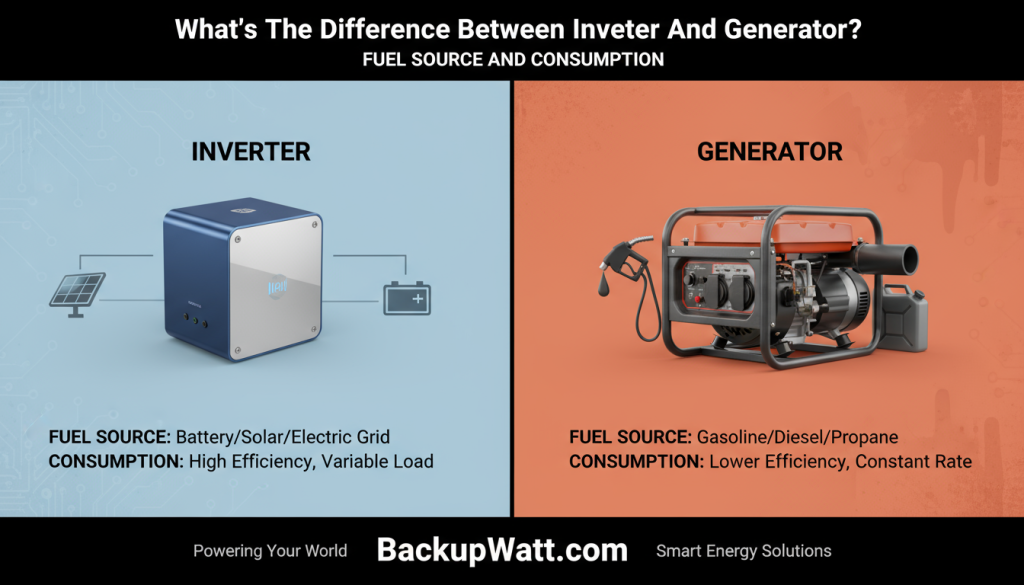
Understanding the fuel source and consumption of power equipment is crucial when choosing between an inverter and a generator. The type of energy used and the rate at which it is consumed can significantly impact both the efficiency and the cost of operation. Let’s break down how these two devices differ in terms of fuel source and consumption.
Inverter Energy Sources
Inverters are versatile in their energy sources. Many are powered by batteries, which can be charged using solar panels, wind turbines, or even the grid. This makes them environmentally friendly and often more sustainable.
Imagine charging your inverter using solar panels during the day and using stored energy at night. This setup not only saves money but also reduces your carbon footprint.
Some advanced inverters can be integrated with renewable energy systems, allowing you to harness natural energy. Wouldn’t it be great to power your devices using the sun or wind?
Generator Fuel Options
Generators typically rely on traditional fuel sources like gasoline, diesel, or propane. These fuels are readily available, but they come with their own set of challenges.
Gasoline is common but can be costly and less efficient for prolonged use. Diesel offers better fuel efficiency but may require additional maintenance.
Propane is a cleaner option but may not be as widely available. Consider your location and availability when choosing a generator fuel source.
Consumption Rates
Inverters are known for their efficiency. They consume energy based on demand, making them ideal for intermittent use. You might notice how quiet and efficient they are, especially indoors.
Generators, on the other hand, tend to consume fuel continuously. This can lead to higher operational costs, particularly if running for long periods.
Think about your usage patterns. If you need power for extended times, a generator might be more costly, whereas an inverter offers a more economical choice for occasional use.
How do your power needs align with these consumption rates?
Noise And Environmental Impact
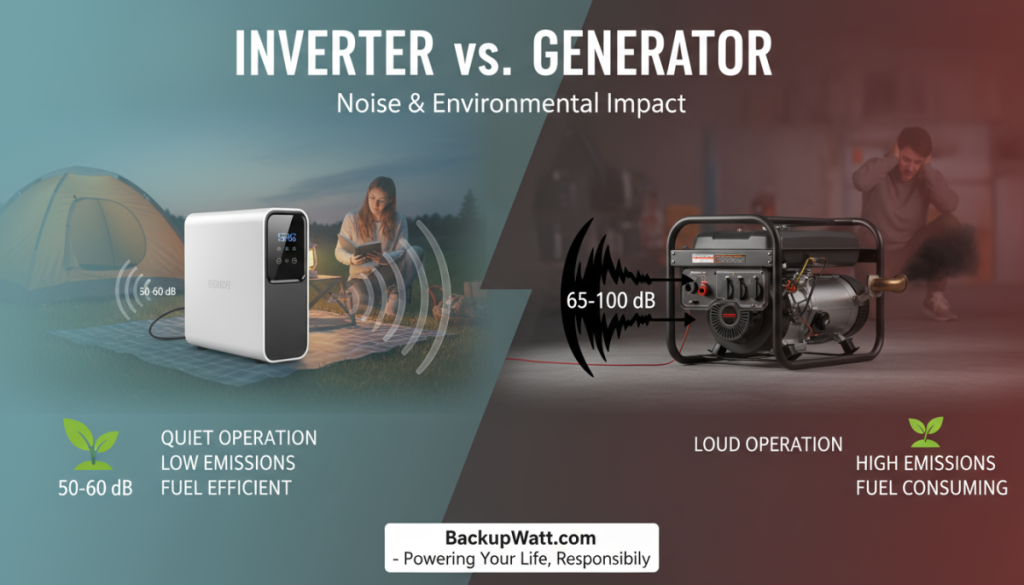
When deciding between an inverter and a generator, noise levels and environmental impact are critical factors to consider. Whether you’re using them for camping or as a backup power source at home, the noise they produce can greatly affect your experience and surroundings. Additionally, the environmental footprint of these devices can influence your decision, especially if you’re eco-conscious.
Inverter Noise Levels
Inverters are known for their quiet operation. They often produce noise levels as low as 50-60 decibels, which is comparable to a normal conversation. This makes them ideal for camping trips or areas where noise restrictions apply.
Imagine enjoying a peaceful evening outdoors without the constant hum of a noisy machine. That’s the beauty of using an inverter. They are designed to adjust their power output to match the required load, reducing unnecessary noise and fuel consumption.
Generator Noise Levels
Generators, on the other hand, are generally louder. They can produce noise levels ranging from 65 to 100 decibels, equivalent to a vacuum cleaner or a motorcycle engine. This can be disruptive, especially in quiet neighborhoods or during the night.
If you’ve ever tried to hold a conversation next to a running generator, you know how challenging it can be. Some models come with noise-reducing features, but they may still not match the quiet operation of inverters. Consider this if noise is a significant concern for you.
Environmental Considerations
Inverters typically have a smaller environmental footprint. They use less fuel and produce fewer emissions due to their efficient operation. This makes them a more eco-friendly choice if reducing your carbon footprint is a priority.
Generators, however, can be less efficient and produce more emissions. They consume more fuel, which can lead to higher operational costs and a larger environmental impact. If you prioritize sustainability, this might sway your decision towards an inverter.
Have you thought about how your choice affects the environment and those around you? These considerations can help you make a more informed decision that aligns with your values and needs.
Portability And Installation
Inverters are compact and easy to install, making them ideal for home use. Generators, though portable, require more setup and space, often used for outdoor activities or as emergency power sources.
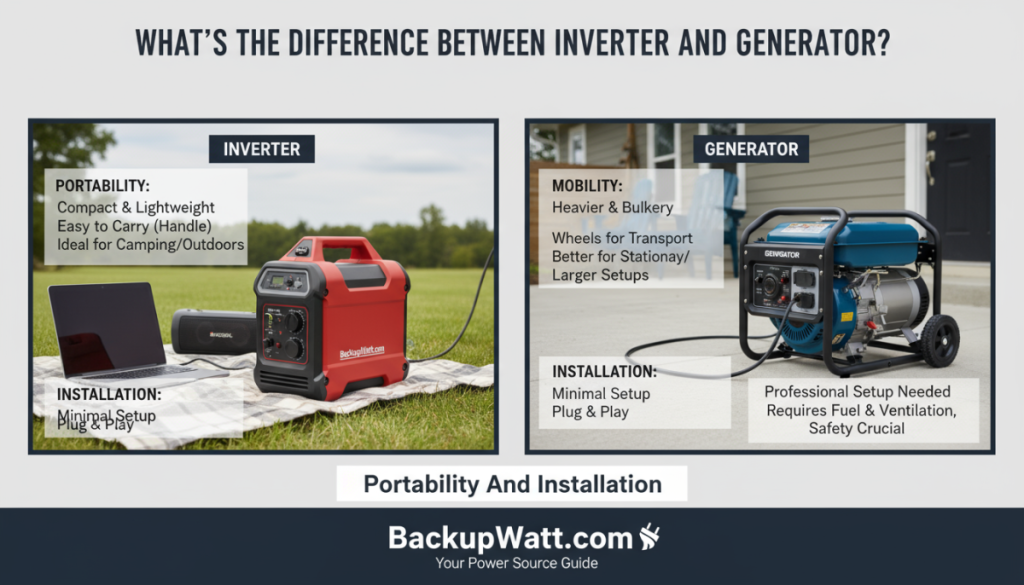
Portability and installation are key factors when choosing between an inverter and a generator. Both devices serve as power sources, but their ease of movement and setup differ significantly. Understanding these aspects can help in making a better choice for your needs.
Inverter Portability
Inverters are compact and lightweight. They are easy to carry and transport. Many have handles or straps for convenience. This makes them ideal for camping or outdoor events. Their size allows them to fit in small spaces.
Generator Mobility
Generators are generally heavier and bulkier. They often come with wheels for easier movement. This aids in transporting them despite their size. Some models need more effort to move. They are better suited for stationary use or larger setups.
Installation Requirements
Inverters require minimal installation. They can be plugged directly into appliances. This simplicity makes them user-friendly. Generators might need professional setup. They often require fuel and proper ventilation. Ensuring safe operation is crucial with generators.
Cost And Maintenance
Understanding the cost and maintenance differences between inverters and generators is crucial for making an informed purchase decision. Whether you’re preparing for emergencies or looking for a reliable power source for outdoor adventures, evaluating the financial and upkeep aspects can guide you toward the best choice.
Initial Investment
Inverters usually have a higher initial cost compared to generators. This is due to their advanced technology and added features such as quieter operation and cleaner power output. On the other hand, generators are generally more affordable upfront, making them attractive for those on a tight budget.
However, consider what you value more: immediate savings or long-term benefits like efficiency and convenience. If noise reduction and portability are priorities, investing in an inverter might be more beneficial.
Maintenance Needs
Inverters tend to require less maintenance compared to generators. Their designs are more streamlined, and they have fewer moving parts, which means less wear and tear over time. This can save you the hassle of frequent check-ups and repairs.
Generators, however, demand regular maintenance checks. You’ll need to keep an eye on oil levels, filters, and spark plugs to ensure they run smoothly. This can add up in terms of time and effort, especially if you’re not mechanically inclined.
Long-term Costs
When considering long-term costs, inverters may present savings due to their efficiency and low maintenance. They consume less fuel, which can significantly cut down expenses if you’re using them regularly.
Generators, while cheaper initially, might end up costing more in the long run due to fuel consumption and frequent maintenance. Think about how often you’ll use your power source and calculate the potential expenses over time.
Have you weighed the trade-offs between immediate affordability and future savings? Your choice could have lasting financial implications.
Best Use Cases
Understanding the difference between inverters and generators is crucial for choosing the right power solution. Inverters provide quiet, eco-friendly electricity for sensitive electronics, while generators are suitable for high power needs, like construction sites. Knowing their strengths ensures optimal performance and efficiency in various settings.
When deciding between an inverter and a generator, understanding the best use cases can simplify your choice. Both devices convert one form of energy into another, but they serve different needs. Knowing when to use each can save you time, money, and frustration.
When To Choose An Inverter
Inverters are ideal for powering sensitive electronics. They provide a stable and clean energy output, ensuring your devices function without a hitch. If you are camping or need a power backup for a small home setup, inverters are your go-to option. Imagine being out in nature, enjoying a weekend getaway, and still being able to charge your phone or laptop.
Inverters are light, portable, and incredibly quiet, making them perfect for such scenarios. Additionally, if energy efficiency is a priority, inverters often consume less fuel than generators. This can lead to cost savings over time, especially if you’re frequently on the move or need power during emergencies.
When To Choose A Generator
Generators shine in situations requiring robust and continuous power supply. They can handle heavy-duty appliances and tools that demand a lot of energy, like refrigerators and air conditioners. Consider your home during a power outage.
A generator can keep your essential appliances running seamlessly, providing peace of mind and comfort. They’re also indispensable at construction sites where powerful equipment needs a reliable power source.
However, generators tend to be bulkier and noisier. If noise isn’t a concern and you have space, a generator can be a powerful ally. They offer a broader range of power capacities, making them versatile for various needs. Which device aligns with your lifestyle? The choice depends on your specific needs and circumstances. By considering your priorities, you can select the right power solution for your situation.
Technological Advancements
Technological advancements have dramatically changed the way we use power sources like inverters and generators. As the demand for cleaner and more efficient energy solutions grows, both technologies have seen significant improvements. Understanding these advancements can help you make better choices for your energy needs.
Innovations In Inverters
Inverters have become more efficient with the integration of smart technology. Modern inverters can now adjust their power output based on your usage patterns. This not only conserves energy but also reduces your electricity bills.
Have you ever experienced a power outage at the worst possible time? Some inverters now come equipped with advanced battery management systems. These systems ensure that you have a reliable backup power source when you need it most.
Another exciting development is the rise of solar inverters. These devices convert solar energy into usable electricity, making it easier for you to embrace renewable energy. Solar inverters are becoming more affordable and accessible, encouraging more people to go green.
Advancements In Generators
Generators have also seen remarkable innovations, especially in fuel efficiency. Many modern generators use advanced engines that consume less fuel while producing the same or even more power. This means you can save money and reduce your carbon footprint.
Noise is often a concern with generators. However, new technology has led to quieter models that are less disruptive to your environment. Imagine enjoying your backyard party without the constant hum of a generator in the background.
Additionally, the advent of dual-fuel generators gives you flexibility in fuel choice. Whether you prefer propane or gasoline, you can switch between the two based on availability or cost. This adaptability can be particularly useful during emergencies.
Which advancements resonate most with you? Whether it’s the smart technology in inverters or the fuel efficiency in generators, these innovations are paving the way for a more sustainable and practical future in energy usage.
Frequently Asked Questions
Which Is Better Inverter Or Generator?
Inverters are quieter and eco-friendly for small appliances. Generators provide more power for heavy-duty equipment but are noisier. Choose based on your energy needs and budget.
What Are The Disadvantages Of An Inverter Generator?
Inverter generators can be more expensive than traditional ones. They may offer lower power output. Maintenance can be complex. Noise levels can still be noticeable. They might not be suitable for heavy-duty equipment.
Can I Run A Refrigerator On An Inverter Generator?
Yes, you can run a refrigerator on an inverter generator. Ensure the generator’s wattage matches the refrigerator’s power requirements. Most inverter generators are efficient and provide stable power, ideal for running appliances. Always check specifications and calculate the power usage to avoid overloading.
Can An Inverter Generator Run A Whole House?
An inverter generator can power a whole house if it meets the home’s total wattage requirements. Choose a generator with sufficient capacity to handle essential appliances and systems. Calculate your home’s power needs, and select a generator that matches or exceeds this demand for optimal performance.
Conclusion
Choosing between an inverter and a generator can be tough. Both have unique benefits. Inverters are quiet and efficient. Perfect for small devices and travel. Generators offer more power. Great for larger appliances and homes. Consider your needs first. Think about noise levels and fuel efficiency.
Space and portability matter too. Inverters suit camping trips. Generators fit home backup plans. Each option has strengths. Decide based on your specific situation. Make sure to weigh pros and cons. This choice impacts your comfort and peace of mind.
Choose wisely for your energy needs.