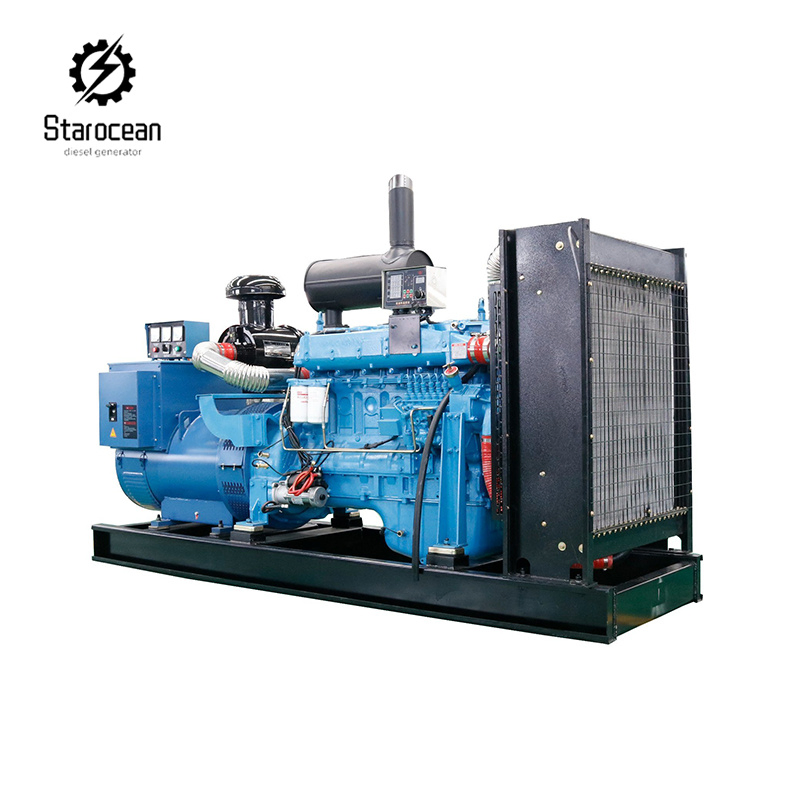
When you’re relying on a diesel generator to power your home or business, you need to know it can stand up to the elements. Rain, snow, and even intense humidity can pose challenges.
But how waterproof is your diesel generator? This question is crucial, especially if you’re planning to use it outdoors or in unpredictable weather. Imagine having peace of mind, knowing your power source is safe and reliable, no matter what Mother Nature throws your way.
Understanding the waterproof capabilities of diesel generators can save you from costly repairs and ensure uninterrupted power. Let’s dive into what makes a diesel generator waterproof, and why it matters to you.
Diesel Generators And Water Resistance
Diesel generators are not fully waterproof. They are designed to resist water to some extent. Rain and splashes won’t harm them easily. Yet, submerging them in water is risky. Water can damage the engine and parts inside. It’s important to keep them in a dry place. Shelters or covers can protect them from rain.
Some generators have a water-resistant enclosure. This helps keep water out. Always check for water resistance when buying. Not all models have this feature. Regular maintenance is key to keep them running well. Ensure all vents and openings are clear. This prevents water from entering.
In stormy areas, extra protection is needed. Consider a canopy or shed. This gives extra safety from heavy rain. Be mindful of the generator’s placement. Avoid low-lying areas where water collects. Keeping these tips in mind ensures long-lasting performance.

Credit: mm.made-in-china.com
Common Misconceptions
Many people think diesel generators are always waterproof. This is not true. Some generators have special covers. These covers help keep water out. But not all generators are the same.
Water can harm a generator. It can cause rust and damage parts. It is important to keep generators dry. Using a shelter or a cover can help. Always check the manufacturer’s guide. It tells you if your generator is waterproof.
Generators need care and attention. They should be checked often. Make sure they are in a safe, dry place. This keeps them working well. Remember, not all generators can handle rain. Be careful and protect your generator.
Design Features For Water Protection
Diesel generators have sealed enclosures. These enclosures keep water out. They protect the generator’s parts from rain. Seals and gaskets make these enclosures strong. This keeps the generator safe.
Vents allow air to flow. But they must keep water out. Waterproof vents use special designs. They let air in, but block water. This helps keep the generator dry inside.
Generators may have drainage systems. These systems remove water. Water can collect during heavy rain. The drainage system directs it away. This prevents flooding inside.
Generators use corrosion-resistant materials. These materials fight rust. Rust can damage the generator. Using strong materials helps it last longer.

Credit: genlitec.en.made-in-china.com
Impact Of Water Exposure
Diesel generators are tough machines. But they don’t like water. Water can damage their parts. Rain or floods can cause big problems. The engine might stop working. Electric wires can get wet and short-circuit. This is dangerous. Wet parts can rust over time. Rust makes parts weak and break. Generators need protection from water.
Waterproof covers are helpful. They keep the generator dry. It’s important to place generators in safe spots. Avoid placing them in low areas where water can collect. A safe place is under a roof or a tent. This helps keep the generator working well. Always check for water leaks. Fix them quickly to prevent damage.
Maintenance Practices
Understanding if diesel generators are waterproof is crucial for their maintenance. Generators generally resist water but aren’t fully waterproof. Proper sheltering and regular checks help in protecting them from damage.
Regular Inspections
Regular checks keep diesel generators in top shape. Look for leaks, worn-out parts, and rust. Check oil levels and filters often. Listen for strange noises during operation. Ensure all bolts and nuts are tight. Inspect wires for any damage or wear. This prevents big problems later.
Protective Measures
Keep generators in a dry place. Use covers to protect them from rain and dust. Install ventilation to avoid overheating. Avoid placing them near water sources. Use barriers to keep animals away. Regular cleaning helps in removing debris. This keeps the generator running smoothly.
Environmental Considerations
Diesel generators face challenges in wet environments. Water can harm these machines. It may affect their performance. Generators are not fully waterproof. They can resist some water. But heavy rain or floods can damage them.
Waterproofing solutions help protect generators. Shelters and covers are useful. They keep water away. Proper ventilation is necessary. It prevents overheating. Regular checks are important. They ensure safe operation.
Safe placement is key. Keep generators away from water sources. Elevate them if needed. This avoids water damage. Maintenance is critical. It ensures long-lasting performance. Remember, safety is essential.
Choosing The Right Generator
Are Diesel Generators Waterproof Diesel generators are generally not waterproof. They are designed to withstand some moisture but not heavy rain or flooding. It’s crucial to place them in a covered area to protect them from water damage.
Assessing Location Risks
Generators need protection from water. Rain and floods can damage them. Check if your area is prone to heavy rainfall. Consider a cover for the generator. Ensure proper ventilation with covers. Safety is crucial in wet conditions.
Evaluating Product Specifications
Read the specifications carefully. Look for waterproof featuresin generators. Some generators are designed to resist water. Verify the IP ratingfor waterproofing. A higher number means better protection. Ensure all parts have waterproof seals. This keeps the generator safe from moisture.
Safety Tips For Outdoor Use
Keep diesel generators dry to avoid accidents. Use a canopy or tent. This keeps the generator safe from rain. Place the generator on a level surface. This prevents it from tipping over. Always use the generator in open spaces. Fresh air helps avoid harmful gas buildup.
Check cords for damage before use. Damaged cords can cause shocks. Keep children and pets away from generators. They might get hurt if too close. Turn off the generator before refueling. Spilled fuel can catch fire easily. Store fuel in a safe, dry place.
Inspect the generator regularly. Look for leaks or worn parts. Fix problems immediately to prevent bigger issues. Follow the manufacturer’s instructions. Proper use keeps everyone safe.

Credit: www.linkedin.com
Frequently Asked Questions
Do Generators Get Ruined If They Get Wet?
Generators can get damaged if exposed to water. Moisture can cause electrical shorts and corrosion. Always keep your generator dry and covered. Proper maintenance and storage can prevent damage. Safety precautions are essential to ensure reliable performance and longevity. Regular checks help avoid costly repairs and ensure safety.
What Is A Downside Of Using Diesel Generators?
Diesel generators produce harmful emissions, contributing to environmental pollution. They can be noisy, disturbing nearby areas. Operating costs are high due to fuel and maintenance expenses. They rely on non-renewable resources, impacting sustainability. Diesel generators can also face issues in colder climates due to fuel gelling.
Can I Leave My Generator Out In The Rain?
Avoid leaving your generator in the rain to prevent damage and safety risks. Use a cover or shelter for protection. Wet conditions can cause electrical hazards and reduce efficiency. Always ensure proper ventilation and dry surroundings for optimal performance. Regular maintenance will keep your generator running smoothly.
Is A Generator Safe To Be Wet?
Generators should be kept dry to prevent damage and ensure safety. Water can cause electrical hazards and malfunction. Always use a cover or shelter to protect the generator from rain and moisture. Regular maintenance checks help ensure it operates safely and efficiently.
Conclusion
Diesel generators are not inherently waterproof. Protective measures are crucial. Shelters or covers help shield them from rain. Regular maintenance prevents moisture damage. Consider generator placement to avoid flooding. Waterproofing ensures long-term reliability. A dry, secure environment extends generator lifespan.
Inspect seals and connections regularly. Water exposure risks costly repairs. Investing in proper protection saves money. Generators are vital during emergencies. Keep them safe and functional. Understand their limits and take precautions. Ensure your generator remains a reliable power source.
Protect it from harsh weather. Stay prepared and avoid surprises.