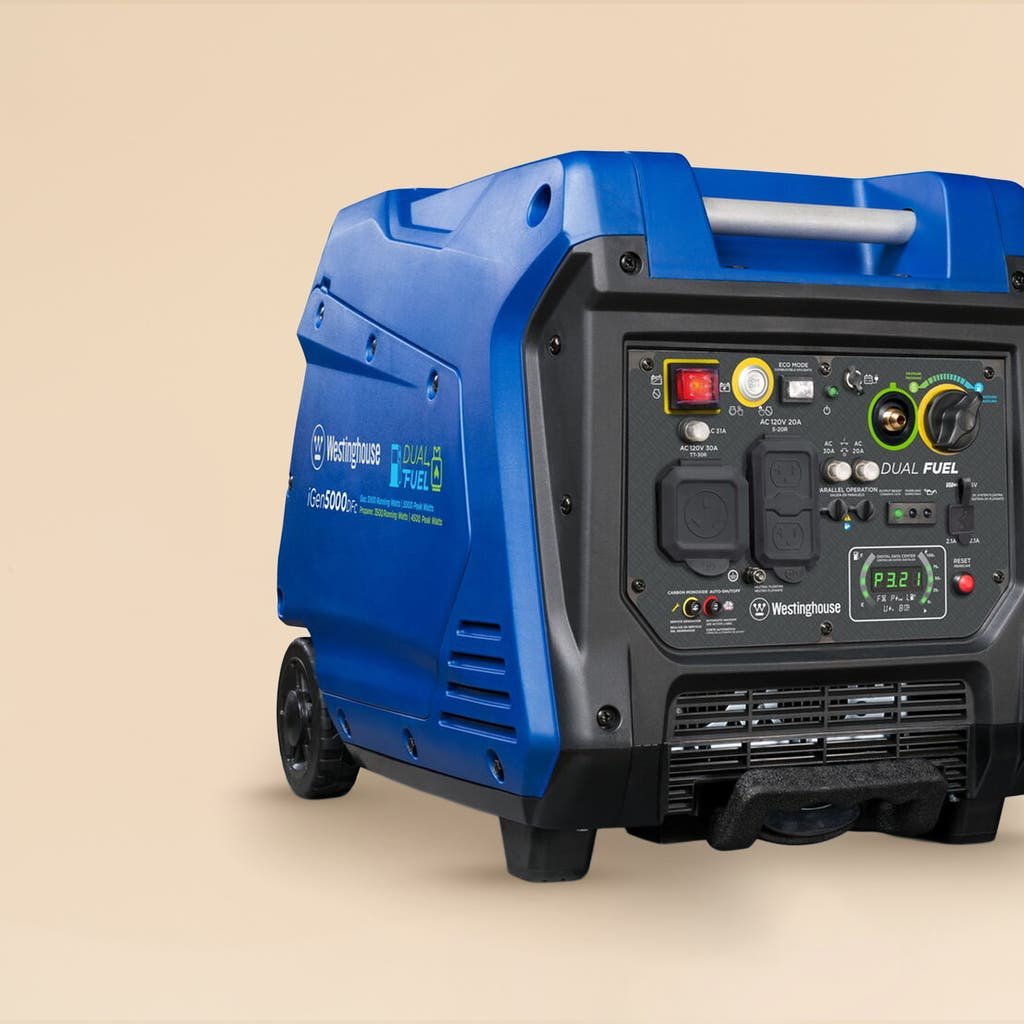
Imagine planning the perfect outdoor adventure or preparing for an unexpected power outage. In these situations, having a reliable source of electricity can make all the difference.
That’s where generators come into play. But wait, have you heard about inverter generators? If you’re scratching your head trying to figure out the difference between a standard generator and an inverter generator, you’re not alone. Understanding these differences is crucial for making the right choice for your power needs.
Whether you’re looking to power your home during a blackout or keep your devices running smoothly on a camping trip, knowing which type of generator suits your needs can save you time, money, and a lot of hassle. You’ll discover the key distinctions between these two power sources, helping you make an informed decision. Ready to clear up the confusion? Let’s dive in!
Basic Concepts
Understanding the difference between a traditional generator and an inverter generator is essential for anyone looking to power their home, RV, or campsite efficiently. While both devices serve the fundamental purpose of generating electricity, they do so in distinct ways, impacting performance, efficiency, and suitability for different needs. Let’s dive into the basic concepts to help you make an informed choice.
Generator Definition
A generator is a device that converts mechanical energy into electrical energy, typically using an engine fueled by gasoline, diesel, or propane. The process involves the rotation of a coil within a magnetic field, producing electricity that can power appliances, tools, and more.
Generators are well-known for their ability to provide a substantial amount of power, making them ideal for heavy-duty tasks. Think of construction sites or homes during outages. They are robust, durable, and can run for extended periods. But, have you ever considered how they impact the environment? Generators tend to be less efficient and may produce more noise and emissions compared to inverter generators.
Inverter Definition
An inverter generator, on the other hand, takes a different approach. It starts by generating AC electricity like a conventional generator but then converts it to DC and back to AC. This conversion process creates a cleaner and more stable power output, crucial for sensitive electronics like laptops and smartphones.
Inverter generators are typically more compact and quieter. They adjust their engine speed to match the required load, enhancing fuel efficiency. Imagine going camping and wanting to power your devices without disturbing the peace of nature. Wouldn’t a quieter option be preferable? This is where inverter generators shine, offering portability and efficiency with less environmental impact.
So, which one aligns with your needs? Consider the power requirements, portability, and environmental factors. The choice between a traditional generator and an inverter generator ultimately depends on your specific circumstances and priorities.
Functionality
Traditional generators produce electricity through mechanical energy. Inverter generators convert DC power to AC, offering quieter and more stable output.
Understanding the functionality of generators and inverter generators can significantly influence your decision-making process when choosing the right power solution for your needs. Both devices serve the primary purpose of providing electricity, but the way they function can impact efficiency, noise levels, and suitability for certain applications. Whether you’re camping in the wilderness or ensuring your home remains powered during an outage, knowing these differences can save you both hassle and money. Let’s dive into how each of these power sources works and what makes them distinct.How Generators Work
Traditional generators operate by converting mechanical energy into electrical energy through a basic process. They typically use a fuel source such as gasoline, diesel, or natural gas to power an internal combustion engine. This engine drives an alternator, which then produces electricity. The electricity generated is in the form of alternating current (AC), which is suitable for running most household appliances. However, the output can be a bit inconsistent, which might not be ideal for sensitive electronics like laptops or mobile phones. Generators tend to be robust and capable of delivering large amounts of power, making them perfect for heavy-duty tasks. But, they can be noisy and less fuel-efficient compared to inverter generators.How Inverters Work
Inverter generators, on the other hand, take a more sophisticated approach to power generation. They also start with a fuel-powered engine, but the electricity they produce initially is direct current (DC). This DC power is then converted into alternating current (AC) through an electronic inverter module. This conversion process allows for a smoother and more consistent flow of electricity, making inverter generators perfect for sensitive electronics. Their advanced technology also makes them quieter and more fuel-efficient, a crucial factor for long camping trips or residential use. Imagine you’re enjoying a peaceful camping trip; the last thing you want is a loud generator ruining the tranquility. That’s where inverter generators shine. They adjust their engine speed based on the power demand, which reduces noise and conserves fuel. So, what suits your needs more: the raw power of a traditional generator or the quiet efficiency of an inverter generator? Understanding their functionality can lead you to the best choice for your lifestyle and power demands.Power Source
Generators and inverter generators differ mainly in their power sources. Understanding these differences helps in choosing the right option for your needs.
Fuel-powered Generators
Fuel-powered generators typically use gasoline, diesel, or propane. They are suitable for heavy-duty tasks. These generators provide continuous power for longer periods. They are ideal for construction sites and outdoor events. Fuel storage and handling are essential considerations. Their maintenance can be more involved than electric options. They are usually louder due to engine noise. Fuel efficiency varies, affecting operational cost.
Electric-powered Inverters
Electric-powered inverters run on advanced technology. They convert DC to AC power efficiently. This results in cleaner, more stable power output. They are quieter and more compact. Electric inverters suit sensitive electronics, like laptops and phones. They are more fuel-efficient, saving on costs. Most have an eco-mode for longer battery life. They are ideal for camping and small home use.
Energy Conversion
Understanding the energy conversion process is crucial when discussing the differences between a generator and an inverter generator. Both devices aim to provide electrical power, but they achieve this through distinct mechanisms. By grasping these conversion processes, you can make an informed decision about which type best suits your needs.
Mechanical To Electrical Conversion
Generators primarily convert mechanical energy into electrical energy. Imagine a spinning wheel powered by a gas engine; the mechanical movement generates electricity through electromagnetic induction. The process is straightforward and effective for consistent power generation, but it doesn’t provide the refined power output that sensitive electronics require.
Have you ever noticed fluctuations in your devices when using a traditional generator? That’s because the power supply isn’t always stable. It’s like riding a bike on uneven terrain—the bumps can be disruptive.
Dc To Ac Conversion
Inverter generators take the energy conversion a step further. After generating DC power, they use an inverter to convert it to AC power. This conversion results in a smoother and more stable power output. Think of it as upgrading from that bumpy bike ride to a smooth drive in a luxury car.
Have you ever wondered why your electronics run more efficiently with inverter generators? It’s because they produce clean and stable power, reducing the risk of damage to sensitive devices. So, if you’re powering delicate equipment, an inverter generator might be your best bet.
What kind of power reliability do you need for your gadgets? Consider the energy conversion process when choosing between a generator and an inverter generator to ensure you protect and optimize your devices.
Applications
Generator and inverter generator differ in power delivery and efficiency. Generators produce constant power but are often louder. Inverter generators deliver cleaner power, are quieter, and more fuel-efficient, making them ideal for sensitive electronics.
Understanding the applications of generators and inverter generators is crucial to selecting the right power source for your needs. While both serve the primary purpose of providing electricity, their specific uses can vary greatly depending on the situation. Let’s explore how these two types of devices fit into different scenarios.Common Uses For Generators
Generators are often the go-to choice for heavy-duty applications. Their robust design makes them ideal for construction sites where they power tools and heavy machinery. You might have seen them in action at outdoor events, providing electricity for lighting, sound systems, and catering equipment. They are also a lifesaver during power outages at home, ensuring that essential appliances like refrigerators and heaters keep running. In rural areas without reliable power grids, generators can serve as a primary power source for homes and farms.Common Uses For Inverters
Inverter generators, on the other hand, shine in situations that require cleaner, quieter power. They are perfect for camping trips, allowing you to enjoy nature without giving up the comforts of home, like charging your phone or powering small appliances. Their compact and lightweight design makes them easy to transport, ideal for tailgating parties or outdoor weddings. Inverter generators are also favored by those who work from remote locations, as they can safely power sensitive electronics like laptops and smartphones. So, what do you need more often—a powerhouse for heavy-duty tasks or a quiet companion for your outdoor adventures? Understanding your specific requirements will guide you in choosing between a traditional generator and an inverter generator.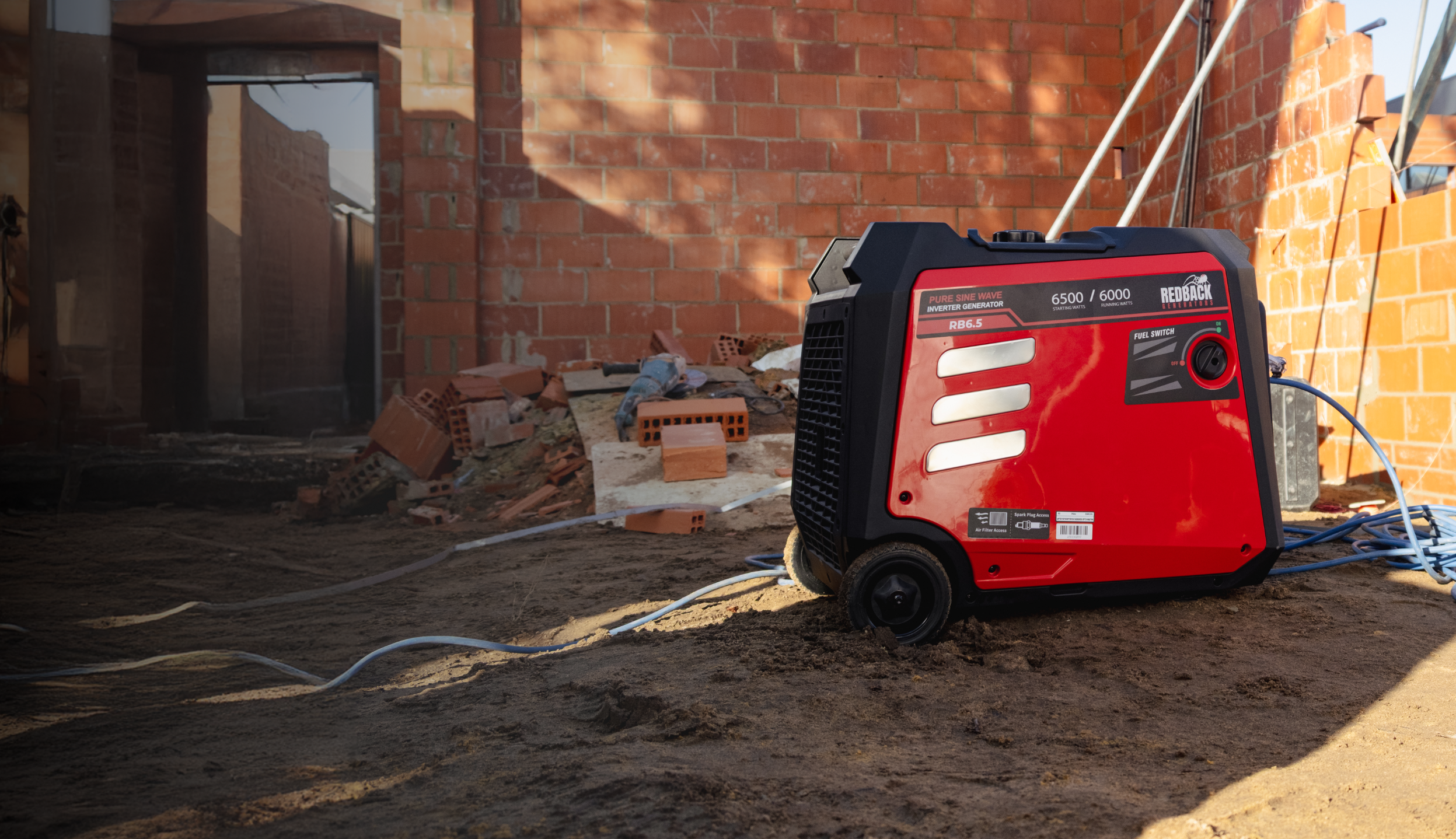
Credit: itechworld.com.au
Efficiency
Understanding efficiency is key when comparing generators and inverter generators. Efficiency affects fuel consumption, performance, and cost-effectiveness. It’s crucial for users who rely on portable power solutions. Let’s explore the efficiency of each type.
Generator Efficiency
Traditional generators operate at a constant speed. This means they run at the same speed regardless of the load. As a result, they often use more fuel than necessary. This can lead to higher operational costs. Additionally, traditional generators produce more noise. They can also have a higher environmental impact due to emissions.
Inverter Efficiency
Inverter generators adjust their speed to match the load. This makes them more fuel-efficient. They only use the energy needed for the current demand. This results in lower fuel costs and less environmental impact. Inverter generators are also quieter. They produce cleaner electricity with less harmonic distortion. This makes them ideal for sensitive electronics.
Cost And Maintenance
Generator maintenance can be costly due to complex parts and fuel needs. Inverter generators offer lower maintenance costs with fewer parts, making them more budget-friendly over time.
Understanding the costs and maintenance of generators and inverter generators is crucial. These aspects can influence your purchase decision significantly. Generators and inverter generators differ in their cost structures and maintenance needs. Let’s explore these differences to help you make an informed choice.Cost Factors For Generators
Generators typically have a lower initial purchase price. They are often more affordable due to their simpler technology. The cost varies depending on the power output and brand. Larger generators with higher power outputs cost more. Fuel type also affects the cost. Diesel generators usually cost more than gasoline models. Installation costs should be considered, especially for larger units. Regular fuel expenses add to the overall cost.Cost Factors For Inverters
Inverter generators usually have a higher upfront cost. They are more expensive due to advanced technology and added features. The price depends on the brand, power output, and features. Inverter generators are often quieter and more fuel-efficient. Their efficiency can save money on fuel over time. Portability is a common feature, adding to the cost. Despite the higher initial cost, long-term savings are possible.Maintenance Requirements
Maintenance needs differ between standard and inverter generators. Generators require regular oil changes and air filter replacements. Spark plugs and fuel filters need periodic checks. Larger generators might need professional servicing. Inverter generators typically need less maintenance. They are designed for efficiency and reliability. Regular checks are still necessary for optimal performance. Keep the inverter generator clean and store it properly. Following the manufacturer’s guidelines ensures a long lifespan.
Credit: campernation.co.uk
Environmental Impact
When considering the environmental impact of power generation, the choice between a traditional generator and an inverter generator can be significant. These two types of generators differ not only in how they function but also in how they affect the environment. Understanding these differences can help you make more eco-friendly choices when selecting a generator for your needs.
Emissions From Generators
Traditional generators are known for their higher emissions. They often run at a constant speed, which means they burn fuel even when the power demand is low. This can lead to higher levels of carbon monoxide and other harmful pollutants being released into the atmosphere.
Imagine running your generator for a weekend camping trip. While you enjoy nature, your generator might be emitting enough pollutants to counteract the fresh air you’re breathing. It’s a sobering thought and a crucial factor to consider.
Inverter Environmental Benefits
Inverter generators, on the other hand, are designed with environmental benefits in mind. They adjust their engine speed to match the power demand, which means they use fuel more efficiently and produce fewer emissions. This can significantly reduce their carbon footprint.
Picture using an inverter generator on that same camping trip. Not only do you get to enjoy the serenity of nature, but you also contribute to preserving it. The reduced emissions mean cleaner air and a more sustainable approach to power generation.
Have you considered how your choice of generator affects your carbon footprint? Making an informed decision can lead to both personal benefits and a positive environmental impact. Choose wisely, and you’ll be part of a growing movement towards greener energy solutions.
Pros And Cons
Generators produce electricity with mechanical engines, while inverter generators convert DC to AC for stable power. Traditional generators are bulkier and noisier, ideal for heavy-duty tasks. Inverter generators offer quiet operation and energy efficiency, perfect for sensitive electronics and portable use.
Understanding the pros and cons of generators and inverter generators helps in decision-making. Both have unique benefits and drawbacks. These factors influence their performance and suitability for different needs.Advantages Of Generators
Generators provide consistent power output. They handle heavy loads effectively. This makes them suitable for large appliances. They are typically more affordable. This factor is crucial for budget-conscious buyers. Generators are robust and durable. They withstand harsh conditions well.Disadvantages Of Generators
Generators tend to be noisy. This can be disruptive in quiet environments. They are generally bulkier and heavier. This makes them less portable. Fuel efficiency is often lower. This increases operating costs. Emissions can be higher. This affects environmental friendliness.Advantages Of Inverters
Inverter generators are compact and lightweight. This makes them easy to transport. They are quieter during operation. This is ideal for camping or home use. Fuel efficiency is a strong point. They adjust engine speed to match the load. Inverters produce cleaner power. This is safe for sensitive electronics.Disadvantages Of Inverters
Inverter generators are typically more expensive. This can deter budget buyers. They have lower power output. This limits use with large appliances. Maintenance can be more complex. Technical issues may require professional help. Their lifespan may be shorter. This depends on usage and care.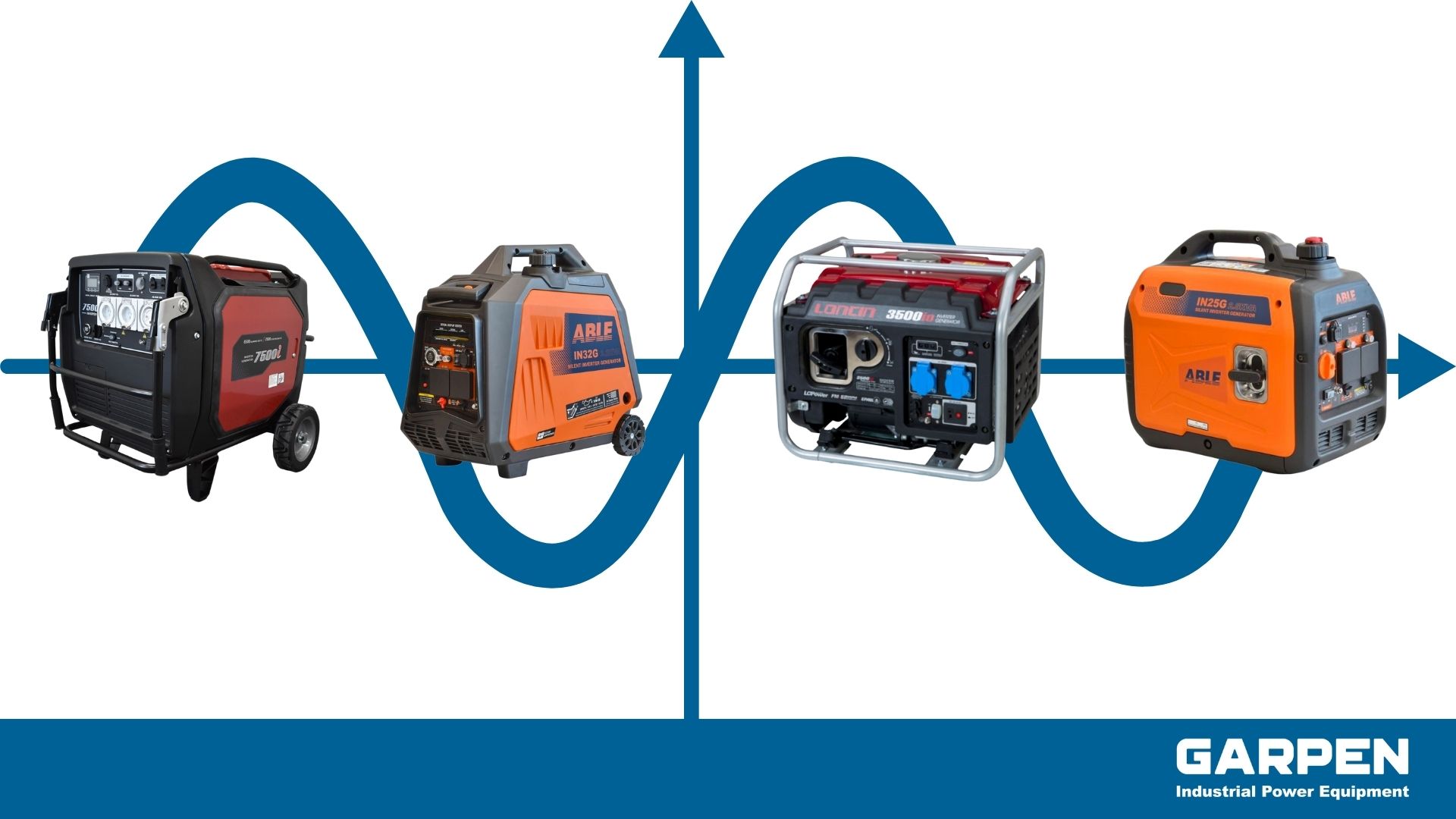
Credit: garpen.com.au
Choosing The Right Option
Choosing between a generator and an inverter generator depends on your power needs. Generators are bulkier and ideal for heavy-duty use. Inverter generators, however, are compact, quieter, and provide stable power for sensitive electronics.
Choosing the right generator can be a confusing task. With options available, understanding the difference is crucial. Each type has its benefits and drawbacks. Knowing what to look for can help make the right choice. Consider usage needs, budget, and environment.Factors To Consider
Several factors influence the choice between a generator and an inverter generator. Budget plays a significant role, as traditional generators are often less expensive. Noise level is another consideration; inverter generators typically operate quieter. Fuel efficiency matters too, with inverter models providing better efficiency. Portability is key for those who need power on the go. Traditional generators are heavier, making them less ideal for transport. Think about the frequency of use. Occasional users may prefer simpler models. Lastly, assess the power output required. Inverter generators may not provide high wattage, but they offer stable current.Specific Use Cases
Different situations call for different types of generators. Camping trips often benefit from inverter generators due to their quiet operation. Construction sites may require traditional generators for their higher power output. Emergency power needs can be met with either type, but portability may be a factor. Outdoor events might need quiet and efficient power solutions. Inverter generators are ideal here. RV owners often choose inverter generators for their compact size and reliability. Home backup systems may lean towards traditional generators for sustained energy needs.Frequently Asked Questions
What Is Better, A Generator Or An Inverter Generator?
Inverter generators are generally better than traditional generators. They produce cleaner power, ideal for sensitive electronics. Inverters are quieter, more fuel-efficient, and compact. Traditional generators are better suited for high power demands but are louder and less efficient. Choose based on your specific power needs.
What Is The Downside Of An Inverter Generator?
Inverter generators are often more expensive than traditional ones. They usually have lower power output, limiting usage. Maintenance can be complex, requiring specialized knowledge. Noise levels might be higher than expected in some models. Availability of parts and service can be limited, affecting long-term usability.
Can I Run A Refrigerator On An Inverter Generator?
Yes, you can run a refrigerator on an inverter generator. Ensure the generator’s wattage matches the refrigerator’s requirements. Most refrigerators need 600 to 800 watts. Check the startup wattage, as it may be higher. Using an inverter generator provides stable power, preventing appliance damage.
How Many Hours Do Inverter Generators Last?
Inverter generators typically last between 8 to 10 hours on a full tank. Duration varies by model and load. Regular maintenance can extend their lifespan. Consider fuel efficiency for longer runtime. Always check the manufacturer’s specifications for accurate details.
Conclusion
Choosing between a generator and an inverter generator depends on needs. Generators provide more power for big appliances. Inverter generators offer quieter, fuel-efficient operation for sensitive electronics. Consider noise levels and fuel efficiency when deciding. Traditional generators suit construction sites and large events.
Inverter generators are ideal for camping and home backup. Evaluate your specific requirements to choose wisely. Understanding these differences ensures you select the right tool. Make informed decisions for power needs. Your choice impacts convenience and efficiency. Make the right decision for peace of mind.