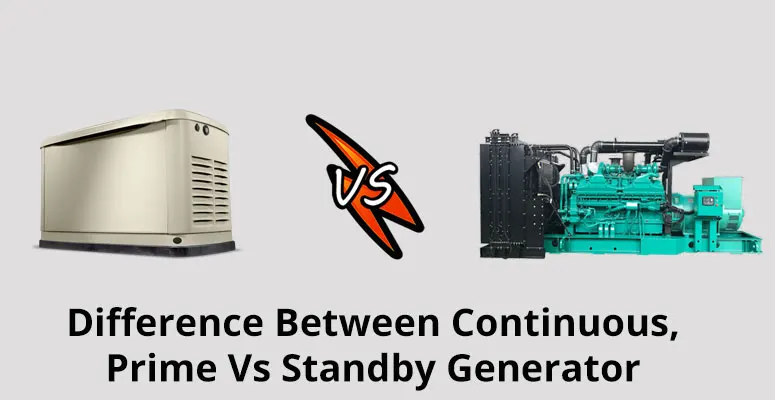
Are you considering investing in a generator but feel overwhelmed by the choices available? You’re not alone.
When it comes to backup power solutions, understanding the difference between prime and standby generators is crucial. This knowledge will ensure that you choose the right generator for your specific needs, whether it’s for your home, business, or an industrial setting.
By the end of this article, you’ll have a clear understanding of how each type of generator operates, their unique benefits, and which one aligns best with your power requirements. Don’t let a power outage catch you off guard—equip yourself with the right information and make a confident decision. Dive in to discover everything you need to know about prime and standby generators.
Prime Generators Explained
Prime generators are designed to provide continuous power for long periods. They are ideal for places without a reliable power grid. These generators can run at varying loads without damage, making them very flexible.
They are used in industries, farms, and remote locations. Prime generators handle heavy loads and changes in power needs smoothly.
| Feature | Prime Generators |
|---|---|
| Purpose and Usage | Continuous power supply; for places without stable grid |
| Power Output Characteristics | Can run at varying loads; flexible and reliable |
| Fuel Consumption and Efficiency | Consumes fuel steadily; optimized for long running hours |

Credit: www.generatorunit.com
Standby Generators Explained
Standby generatorsare built to provide power automatically. They start working when the main power goes out. This helps keep homes and businesses running without interruption.
Their primary functionis to supply electricity during outages. They connect to your electrical system and switch on quickly. This prevents damage to appliances and keeps lights on.
These generators have automatic operation features. They sense power loss and start without any manual effort. Once power returns, they shut off automatically. This makes them very convenient and safe.
Power availability and reliabilityare key. Standby generators give power instantly and work for long hours. They are reliable during storms or emergencies, giving peace of mind.
Comparing Prime And Standby Generators
Prime generatorsrun for long hours and provide continuous power. They handle varying loads and are used in places without grid power. Standby generatorsstart only during power outages. They provide backup power to keep things running smoothly.
Prime generators need a fuel supply for long use. Standby generators use fuel only during outages. This makes standby generators more fuel-efficient for occasional use.
| Cost Aspect | Prime Generator | Standby Generator |
|---|---|---|
| Initial Cost | Higher due to heavy-duty design | Lower as they are for backup use |
| Fuel Costs | Higher because of long running hours | Lower, used only during outages |
| Maintenance | Regular checks needed for reliability | Less frequent, but must be ready always |
- Prime generators need oil changes and inspections often.
- Standby generators require testing and occasional servicing.
- Both need battery and control system checks.
- Regular maintenance keeps generators ready and safe.

Credit: www.pdgenerators.com
Choosing The Right Generator
Assessing power needsis key to choosing the right generator. Prime generators are best for continuous use, like in factories or farms. Standby generators work well for backup powerduring outages at homes or small offices.
Application scenariosdiffer. Prime generators handle long hoursand varying loads. Standby generators start automatically when power fails and run until power returns.
| Feature | Prime Generator | Standby Generator |
|---|---|---|
| Use | Continuous power supply | Emergency backup |
| Run Time | Unlimited hours | Limited hours |
| Load Handling | Varies with demand | Fixed load capacity |
| Start | Manual or automatic | Automatic on power loss |
- Budgetaffects choice. Prime generators cost more upfront.
- Standby generators often have lower initial cost.
- Long-term costsinclude fuel and maintenance.
- Prime generators may save money if used often.
- Standby generators are cheaper if used rarely.
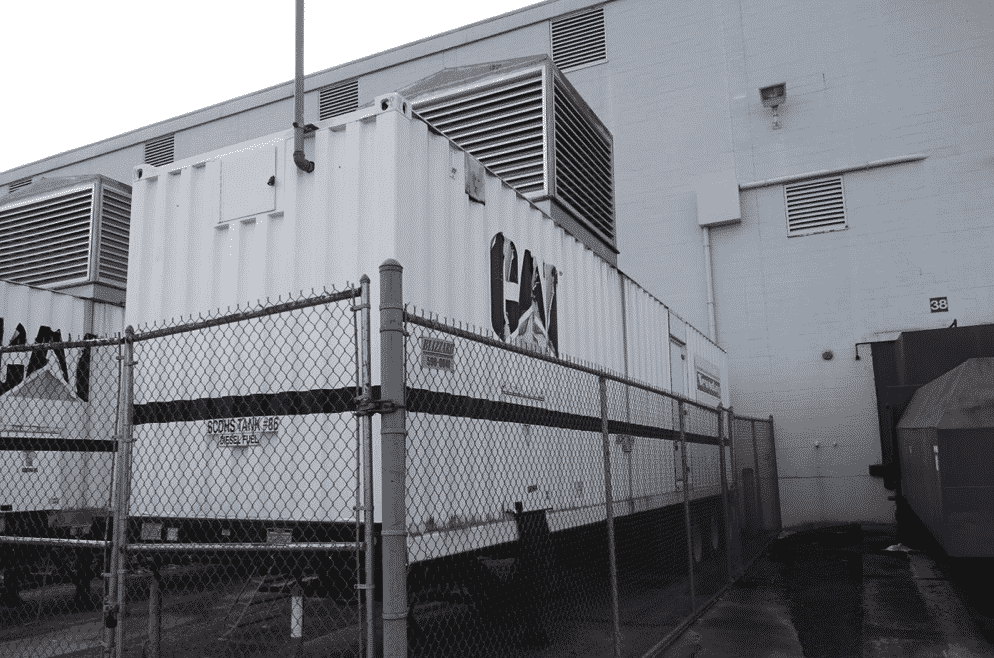
Credit: woodstockpower.com
Frequently Asked Questions
What Is A Prime Generator?
A prime generator runs continuously to supply power during long outages. It handles varying loads and is designed for extended use. It suits industries needing reliable, ongoing power without interruptions.
How Does A Standby Generator Work?
A standby generator automatically starts during power failures. It provides backup electricity until the main power returns. It is ideal for homes and businesses requiring emergency power only.
What Are Prime Vs Standby Generator Uses?
Prime generators serve continuous power needs in industries. Standby generators provide backup power for emergencies in homes or businesses. Each type fits specific power requirements and usage scenarios.
Which Generator Type Is More Cost-effective?
Standby generators are generally cheaper initially but suit infrequent use. Prime generators cost more but are efficient for continuous operation. Choose based on your power needs and budget.
Conclusion
Prime and standby generators serve different needs. Prime generators run for long hours and handle heavy loads. Standby generators start automatically during power outages. Choosing the right type depends on your power needs and usage. Both types ensure you have backup power when needed.
Understanding their roles helps you make the best choice. Keep your power safe and steady with the correct generator type. Simple and smart decisions lead to reliable power solutions.