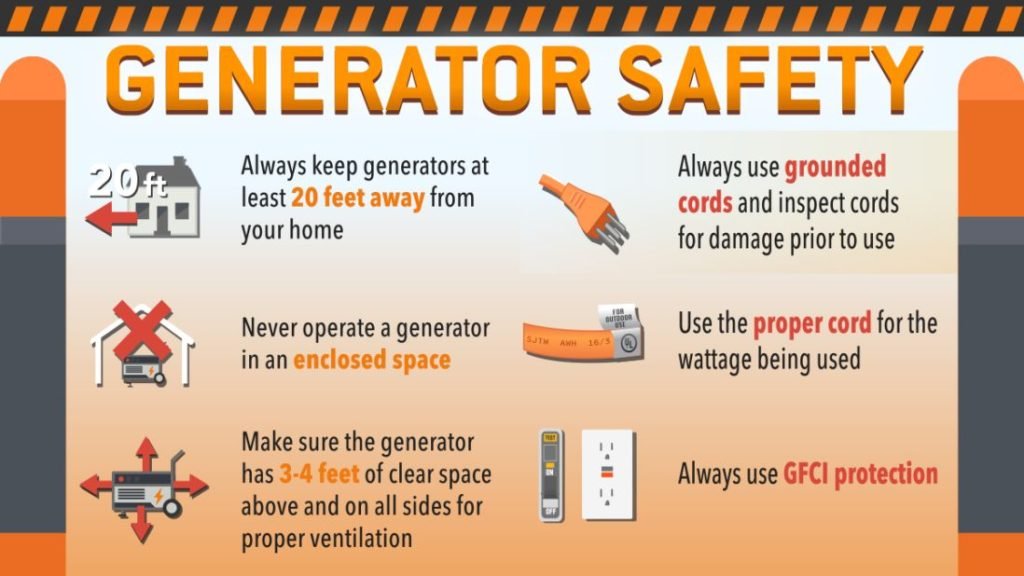
Are you thinking about installing a home backup system? Whether it’s for power outages or emergencies, a backup system can be a lifesaver.
But, before you set it up, it’s crucial to understand the safety precautions involved. Why? Because your home and your family’s safety should always come first. Picture this: a sudden blackout hits your neighborhood, and you’re the only one with lights on, thanks to your backup system.
However, without the right safety measures, that convenience could turn into a risky situation. Ensuring your backup system is safe and effective not only protects your property but also gives you peace of mind. Keep reading to learn how to safely harness the power of your home backup system and avoid any unforeseen dangers.
Importance Of Home Backup Systems
Home backup systems keep your house safe during power outages. They ensure essential devices stay powered. This includes lights, refrigerators, and security systems. These systems protect against unexpected events. Storms and accidents can happen anytime. Having a backup system is smart. It provides peace of mind. You know your home is prepared.
Backup systems help avoid food spoilage. They ensure alarms and cameras work. Protect your home from burglars. Keep your family safe and comfortable. Investing in a backup system is wise. It supports daily life during blackouts. Many people find them essential. They can be a lifesaver.
Types Of Home Backup Systems
Different home backup systems require specific safety precautions. Regular maintenance ensures they operate safely. Proper ventilation prevents dangerous gas buildup.
Battery Backup
Battery backupsystems store electricity for later use. They are quiet and don’t need fuel. These systems are good for small homes. They can power lights and small devices. Batteries recharge using electricity. They are easy to install. They are safe for indoor use.
Generator Systems
Generator systemsuse fuel like gas or diesel. They are strong and can power the whole house. Generators need regular maintenance. They make noise when running. Generators are used during long power outages. They need to be placed outside for safety.
Solar Power Solutions
Solar power solutionsuse sunlight to make electricity. Solar panels are placed on roofs. They help save money on electricity bills. Solar energy is clean and renewable. They work best in sunny areas. Solar systems can be combined with battery backups.
Evaluating Power Needs
Understanding your home’s power needs is crucial for backup systems. Proper installation prevents overloads and ensures safety. Regular maintenance is essential to avoid hazards and guarantee reliable operation.
Determining Essential Appliances
List the important appliances in your home. Think about the fridge, lights, and heater. These need power during an outage. Make a list of the most important ones. This helps decide the backup system size. Don’t forget to include medical devices if needed. Keeping a phone charged is also smart. Ensure you include all necessary items. This will keep your home safe and comfortable.
Calculating Energy Requirements
Check how much energy each appliance uses. You can find this on the back of the device. Add up the total energy needs for all appliances. This tells you how big your backup system should be. Use a calculator to help with math. Make sure your backup can handle the load. A good backup system prevents power problems. It keeps your home running smoothly.
Installation Safety Measures
Professional installationensures safety and efficiency. Experts know the right steps. They handle electrical parts safely. Mistakes can cause fires or shocks. DIYmight save money, but it’s risky. Without experience, errors are likely. Professional help is wise for complex systems. Safety should always come first at home.
Backup systems need air to work well. Proper ventilationprevents overheating. It stops dangerous gas build-up. Keep systems in open spaces. Avoid placing them in small rooms. Ensure vents are clear and clean. This helps the system run longer. It also keeps your family safe.
Regular Maintenance Checks
Scheduling routine inspectionsis key to a safe home backup system. A regular check helps in identifying issues early. This ensures the system works well during a power outage.
Set reminders for these checks. Monthly or quarterly checks are ideal. Keep a checklist for each inspection. This helps in tracking what needs attention.
Identifying wear and tearis also important. Look for signs of damage in wires and connections. Any unusual noise or smell should be noted.
Replace parts that are worn out. This prevents bigger problems later. Keep a record of all repairs and replacements. It helps in maintaining the system’s health.
Emergency Preparedness
Ensure your home backup system has proper ventilation to prevent overheating. Regularly inspect wiring for any signs of wear or damage. Keep backup batteries stored in a cool, dry place to maintain their efficiency and safety.
Creating A Backup Plan
Having a backup planis crucial for safety. List all essential items you need. Include food, water, and medicine. Write down emergency contacts. Store them in a safe place. Keep a flashlight and batteries handy. Ensure your backup systems are functional. Test them regularly. Fix any issues immediately.
Training Household Members
Everyone in the house should know the plan. Teach them how to use backup systems. Show them where safety items are kept. Practice emergency drills together. Make sure everyone knows emergency phone numbers. Discuss what to do in different situations. Revisit the plan every month. Update it as needed. Make safety a priority for all.
Environmental Considerations
Home backup systems can help reduce the carbon footprint. Use solar panels to generate clean energy. Wind turbines can be effective in windy areas. Choose energy-efficient appliances for your home. Minimize energy use with smart thermostats.
Choose materials that are eco-friendly and non-toxic. Consider recycled materials for building parts. Avoid using plastic whenever possible. Biodegradable options are better for the environment.

Credit: letopv.com
Cost Vs. Benefit Analysis
Ensuring home backup systems are safe requires careful planning. Evaluate potential risks to establish necessary safety measures. Balance cost and benefit to protect your home efficiently.
Initial Investment Costs
Home backup systems need upfront spending. You must buy batteries and generators. Installation costs are also part of the budget. Professional help is often needed for setup. These costs can add up quickly. But safety and reliability are important.
Long-term Savings
Backup systems save money over time. They can lower electric bills during outages. Less reliance on grid power helps. Systems can last for years with good care. Maintenance costs are low compared to benefits. Investing now can save money later.
Legal And Regulatory Compliance
Every place has its own rules. These rules help keep people safe. It is important to know them before installing a home backup system. Contact your local government office for details. They can provide the most current information. Doing this helps avoid troubles later. Always check for any updates in the regulations.
Follow safety standards to keep your home safe. These standards protect your family and property. Make sure to use certified equipment. Certified equipment meets safety guidelines. Hire professionals to install the system. They know the best safety practices. Regular checks help ensure everything is working fine. If something seems wrong, fix it immediately. This keeps everyone safe.
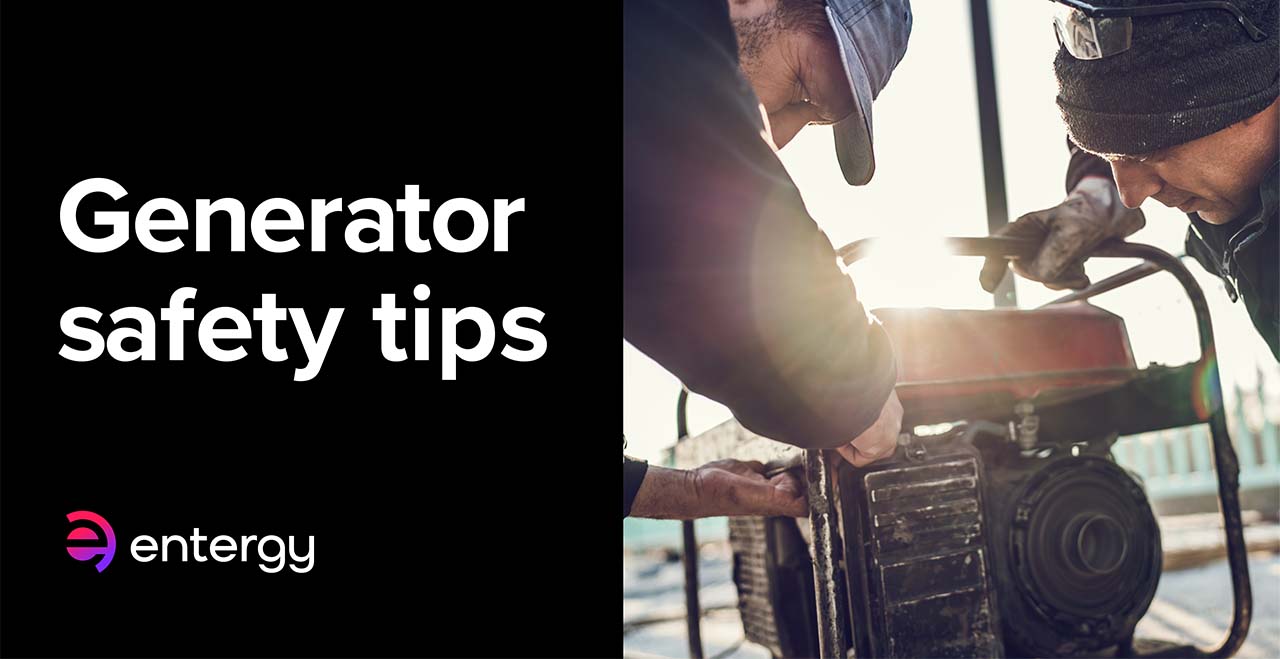
Credit: www.entergy.com

Credit: www.jackery.com
Frequently Asked Questions
What Are The Safety Precautions For Generators?
Place generators outdoors away from windows. Use proper grounding to prevent electric shock. Store fuel safely. Never overload the generator. Perform regular maintenance checks to ensure safe operation.
Are Back Up Generators Safe?
Backup generators are generally safe when used properly. Ensure proper installation by a professional. Follow safety guidelines, keep them outdoors, and maintain them regularly. Avoid carbon monoxide risks by keeping generators away from windows and vents. Always read and adhere to the manufacturer’s instructions for optimal safety.
How To Safely Use A Home Power Generator?
Use a home power generator outdoors to prevent carbon monoxide buildup. Keep it dry and avoid overloading. Regularly check and maintain to ensure safe operation. Use heavy-duty, outdoor-rated extension cords. Always follow the manufacturer’s instructions for setup and operation.
What Is Pge Backup Power?
PGE backup power provides reliable electricity during outages. It ensures continuity for essential services and homes. Customers can access backup generators or batteries. This system enhances energy resilience and safety, supporting uninterrupted daily operations. PGE’s backup solutions are designed for efficiency and dependability during power disruptions.
Conclusion
Safety in home backup systems is essential. Protect your family and property. Regular maintenance is key. Check system components often. Ensure proper ventilation to prevent overheating. Install alarms for early detection. Use quality parts for reliability. Educate family members on emergency steps.
Follow manufacturer guidelines closely. Hire professionals for complex tasks. This ensures everything works smoothly. Being proactive avoids future issues. Prioritize safety for peace of mind. This keeps your backup system dependable. Stay prepared and secure at home. With these steps, you can rest easy.
Your home remains safe and sound.