Imagine a storm knocks out power in your neighborhood. Suddenly, you’re left in the dark, disconnected from your daily comforts.
But what if you had a reliable backup ready to go? That’s where a dual fuel generator steps in, providing the energy lifeline you need. But before you purchase one, a crucial question arises: What size dual fuel generator do you need for your home?
Understanding the right size can mean the difference between seamless comfort and frustrating power shortages. Too small, and you might not be able to run essential appliances. Too large, and you could end up spending more than necessary. This article dives into the factors you should consider to choose the perfect generator size, ensuring your home stays powered and your mind stays at ease. As you read on, you’ll gain the clarity you need to make an informed decision that perfectly suits your home’s energy needs. So, let’s uncover the secrets to selecting the ideal generator size for your peace of mind.
Benefits Of Dual Fuel Generators
Determining the right size dual fuel generator for your home ensures reliable power during outages. These generators offer flexibility by running on either gasoline or propane. They provide an efficient, convenient energy solution tailored to your household needs.
Fuel Flexibility
Dual fuel generators can use two types of fuel. They often use gasoline and propane. This means you have more choices. If one fuel is unavailable, use the other. This helps during emergencies. Switching fuels is easy and quick. It gives peace of mind.Cost Efficiency
Dual fuel generators help save money. Gasoline can be expensive. Propane is often cheaper. Using propane can reduce costs. You can choose the cheaper fuel. This helps manage your budget. Saving money is always good.Environmental Impact
Using propane can be better for the earth. It burns cleaner than gasoline. This means less pollution. Cleaner air is good for everyone. Dual fuel generators help keep the air cleaner. Making small changes helps the planet. `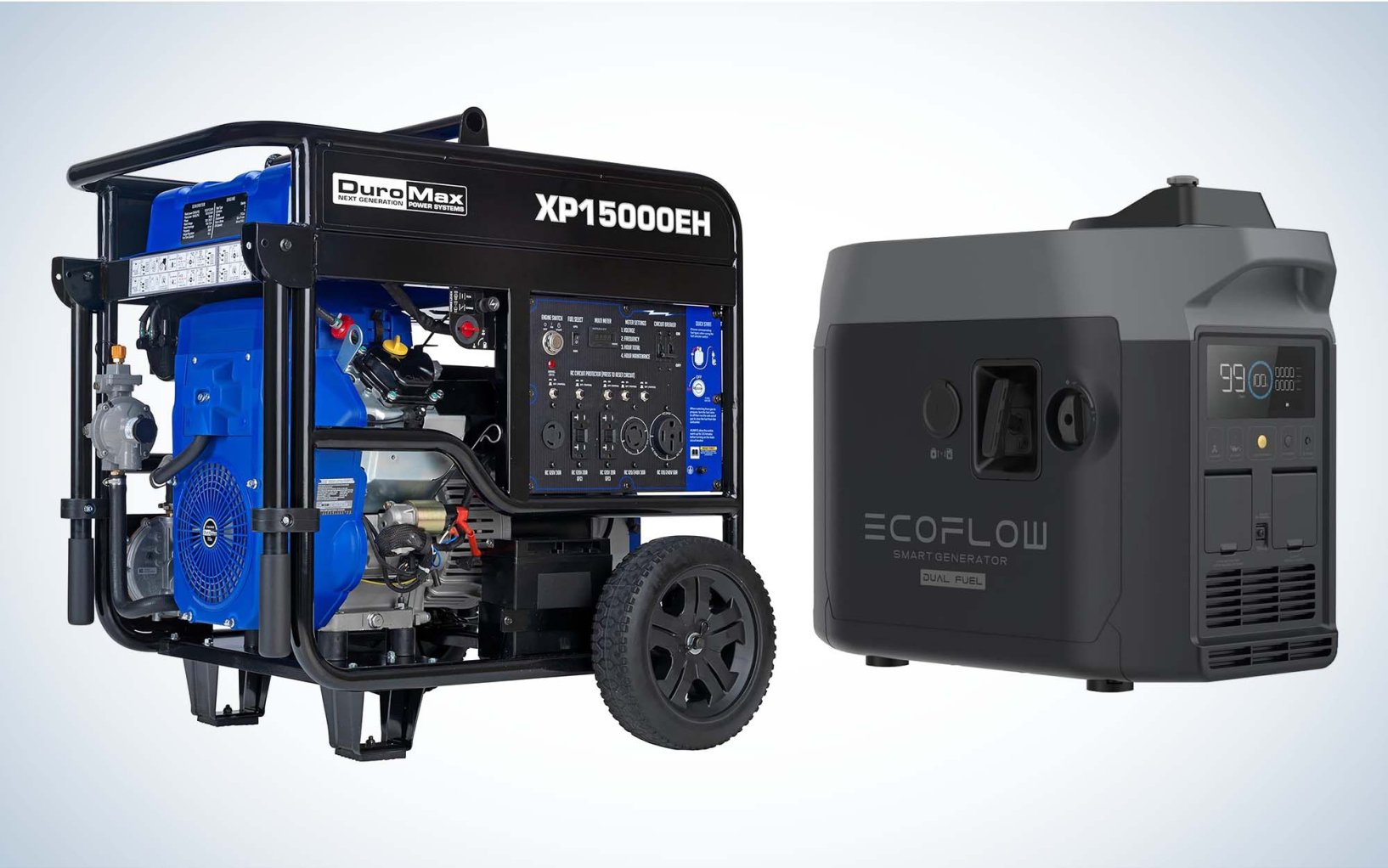
Credit: www.outdoorlife.com
Assessing Power Needs
Calculating your home’s power needs helps determine the right size dual fuel generator. Consider essential appliances and devices. Ensure the generator’s wattage meets these requirements for efficient operation.
Calculating Total Wattage
Check the wattage of each appliance. Find this on the label or manual. Add the wattage numbers together. This gives you the total wattage needed. Choose a generator with a bit more power. This ensures smooth operation.
Identifying Essential Appliances
- Refrigerator
- Lights
- Heating or cooling systems
- Water pump
Focus on what you need most. These appliances should keep running. Others can wait until power is stable.
Peak Load Considerations
Some appliances use more power to start. Check the peak load for these items. Generators must handle this peak load. Calculate peak load needs separately. Ensure the generator can manage this extra demand.
Types Of Dual Fuel Generators
Dual fuel generators vary in size to meet different home needs. Smaller units cover essential appliances, while larger ones power entire homes. Choose a generator based on your home’s energy requirements and budget.
Portable Generators
Portable generators are easy to move. They can power small appliances. Ideal for camping or emergency use. Not suitable for large homes. They are cost-effective. Easy to store in garages or sheds. Some models are very quiet. Check fuel capacity before buying.
Standby Generators
Standby generators provide power during blackouts. They are permanent fixtures in homes. Automatically start when the power fails. They can power entire homes. Require professional installation. More expensive than portable options. Reliable for long-term use.
Inverter Generators
Inverter generators offer clean and stable power. They are safe for sensitive electronics. More efficient than traditional models. They are quieter and lightweight. Ideal for outdoor events or RVs. Usually, smaller than standby types. Can adjust engine speed to save fuel.
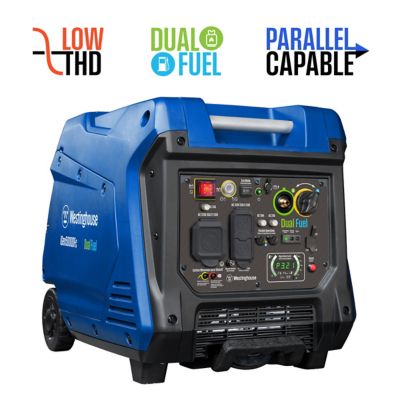
Credit: www.tractorsupply.com
Sizing Your Generator
Generators have different ratings. These ratings show their power output. The power is measured in watts. More watts mean more power. Kilowatts (kW) is another unit used. 1 kW equals 1,000 watts. Home appliances need specific power. Check each appliance’s power needs. Add them up to know total power. This helps in choosing the right generator.
List down all essential home appliances. Calculate their total power needs. Consider things like fridge, lights, and TV. Add a little extra power for safety. Choose a generator with more watts than needed. This ensures all appliances run smoothly. Avoid overloading your generator. An overloaded generator might break. Choose wisely to protect home appliances.
Installation And Safety Tips
Choosing the right dual fuel generator size ensures your home remains powered during outages. Consider your home’s energy needs and prioritize safety in installation. Proper ventilation and a stable surface are crucial for safe operation.
Proper Placement
Place the generator on a flat and stable surface. Keep it outside to avoid fumes entering the home. Ensure it’s away from windows and doors. This prevents harmful gases from entering your living space. Avoid placing it near flammable materials.
Ventilation Needs
Generators need ample ventilationto function safely. Keep at least 5 feet of space around the unit. This allows heat and exhaust to disperse. Never use the generator in an enclosed space. Fresh air flow is essential for safety.
Regular Maintenance
Check the oil levelbefore each use. Replace the oil every 50 hours of operation. Clean the air filter regularly to ensure efficiency. Inspect the spark plug for wear and replace if needed. Regular maintenance extends the generator’s lifespan.

Credit: firmanpowerequipment.com
Cost Considerations
Selecting a dual fuel generator involves understanding cost considerations. Different sizes impact purchase price and operating expenses. Carefully evaluate power needs to balance cost-effectiveness and performance.
Initial Investment
Buying a dual fuel generatorcan cost a lot. Prices range from a few hundred to several thousand dollars. Bigger generators usually cost more. Check the power needsof your home before buying. This helps avoid overspending on a generator that’s too big.
Long-term Operating Costs
Running a generator has ongoing costs. Maintenanceis one important cost to consider. Regular checks ensure the generator works well. Replacement partsmay also be needed. These costs add up over time.
Fuel Expenses
Dual fuel generators use gasoline and propane. Gasoline can be more expensive than propane. Prices for fuel can change often. It’s smart to compare fuel costs. This helps find the best way to save money.
Top Brands And Models
Finding the right size dual fuel generator for home use depends on power needs and essential appliances. Brands like Champion and Westinghouse offer reliable models, balancing capacity and efficiency. Consider factors like wattage, fuel type, and runtime to ensure a seamless power supply during outages.
Popular Choices
Many people prefer Honda and Yamaha for generators. They are known for reliability and durability. Generac is another top brand, popular for powerful engines. Champion offers affordable options with good features. Westinghouse is famous for efficient models. These brands have been trusted for years.
Features Comparison
| Brand | Power Output | Fuel Efficiency | Noise Level |
|---|---|---|---|
| Honda | 2200W | Good | Quiet |
| Yamaha | 2400W | Very Good | Very Quiet |
| Generac | 3000W | Moderate | Loud |
| Champion | 3500W | Good | Moderate |
| Westinghouse | 2500W | Excellent | Quiet |
User Reviews
Users love Honda’s quiet operation. Yamaha gets praise for efficiency. Generac offers powerful options but can be noisy. Champion is liked for its affordability. Westinghouse is rated for fuel economy. People often choose based on their needs.
Future Trends In Generator Technology
Deciding on the right size dual fuel generator for your home involves considering power needs and appliance usage. Future trends in generator technology include more efficient designs, quieter operations, and environmentally friendly options. Understanding your home’s energy consumption patterns can help guide the choice of generator size.
Smart Generators
Smart generators are the future of home power solutions. These generators connect to your phone or computer. You can monitor and control them easily. Smart generators help save energy. They reduce waste and increase efficiency. They alert you when fuel is low. You can manage them from anywhere.
Renewable Integration
Generators now work with renewable energy sources. They can use wind or solar power. This reduces the need for fuel. It helps protect the environment. Renewable integration lowers energy costs. It makes homes greener and more sustainable.
Efficiency Improvements
New generators use less fuel to produce more power. They are designed to be more efficient. This means they cost less to run. Efficient generators are quieter and last longer. They provide reliable power when needed.
Frequently Asked Questions
How Big Of A Generator Do I Need For A 2000 Sq Ft House?
A 2000 sq ft house typically needs a 7,500 to 10,000 watt generator. This covers essential appliances and lights. Consider your home’s specific power requirements for accuracy. Always consult with a professional for precise calculations. Regularly maintain the generator for optimal performance and safety.
Can I Run My Whole House With A 6500 Watt Generator?
A 6500 watt generator can power essential appliances in a house. It may struggle with high-demand items like central air conditioning. Prioritize critical devices like refrigerator, lights, and small appliances for optimal usage. Always check the wattage requirements of your appliances to ensure safe operation.
Can I Run My Whole House On A 12000 Watt Generator?
A 12,000-watt generator can power most homes, running essential appliances like refrigerators, lights, and HVAC systems. Ensure your total wattage doesn’t exceed the generator’s capacity. It’s advisable to calculate your home’s energy needs and prioritize critical devices for optimal use.
Always consult a professional for precise requirements.
Is A 22kw Generator Big Enough For A House?
A 22kW generator can power a medium-sized house. It supports essential appliances and systems during outages. Ensure it meets your specific home requirements by considering total wattage needs. Check with a professional to confirm compatibility with your household demands. Proper installation ensures optimal performance and safety.
Conclusion
Choosing the right generator size matters for your home needs. Start by assessing essential appliances. Calculate power requirements carefully. A dual fuel generator offers flexibility. Consider fuel accessibility in your area. Look at running and starting wattage. Portable options suit small spaces well.
Larger homes may need higher capacity. Seek advice from experts if unsure. Balancing power needs and budget is key. Proper sizing ensures efficient operation. Safety and reliability are crucial. Make informed decisions for peace of mind. Your home’s energy solution depends on careful planning.