Choosing the right size standby generator for your home is crucial. Have you ever imagined being in the middle of a power outage, struggling to keep your essential appliances running?
You’re not alone. Many homeowners face this challenge, and the right generator can be a lifesaver. But how do you determine the perfect size for your needs? Don’t worry; you’re about to discover the secrets to ensuring your home remains a sanctuary of comfort and convenience, even during the longest power cuts.
Read on, and unlock the peace of mind that comes with making an informed choice.
Credit: www.premium-electric.ca
Assessing Power Needs
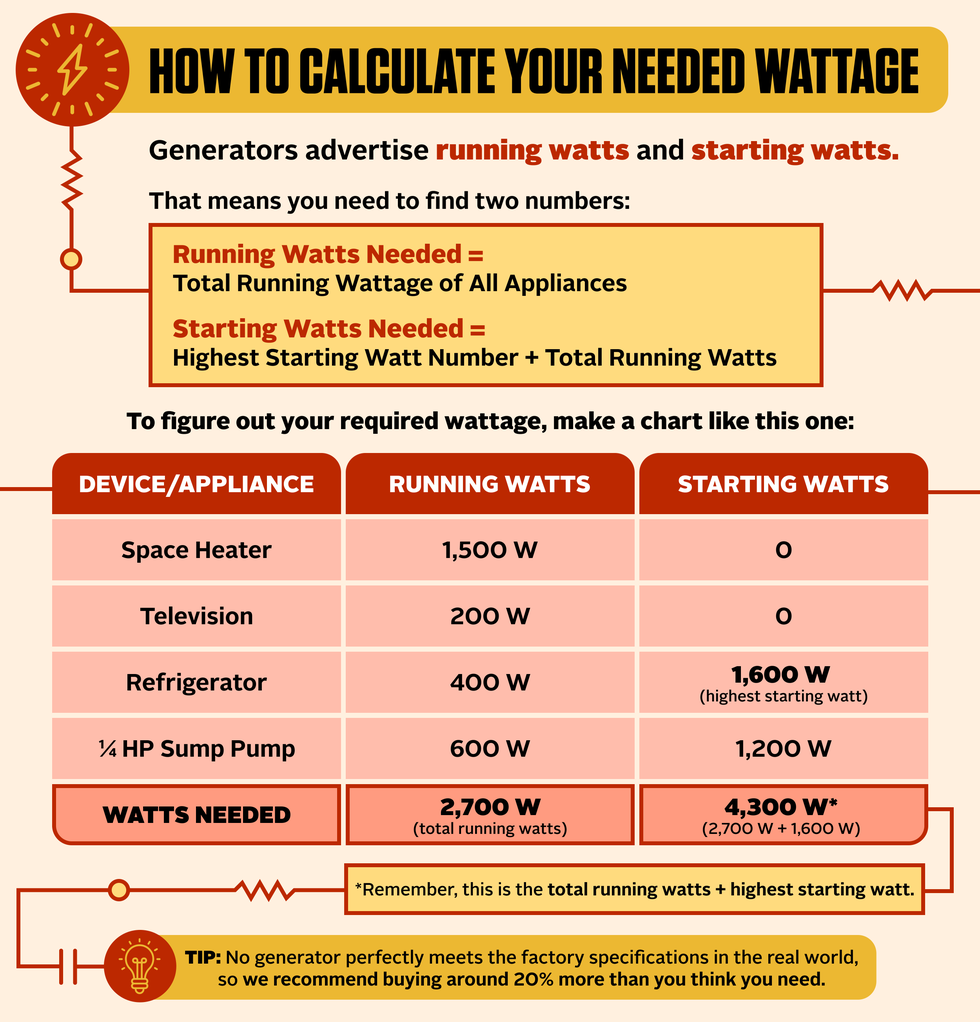
To find the right standby generator size, start by listing your essential appliances. Include items like the refrigerator, furnace, lights, and water heater. Each appliance uses a different amount of power. Knowing their running wattshelps estimate your needs.
Think about future power needs. You might add more devices later. A slightly bigger generator can handle more appliances. This prevents overloads and keeps your home safe.
Starting wattsare higher than running watts. Appliances need extra power when they start. For example, a refrigerator’s motor uses more power at startup. Choose a generator that can handle both running and starting watts.
| Appliance | Running Watts | Starting Watts |
|---|---|---|
| Refrigerator | 700 | 2200 |
| Furnace | 1200 | 3600 |
| Water Heater | 4500 | 4500 |
| Lights | 600 | 600 |
Types Of Generators
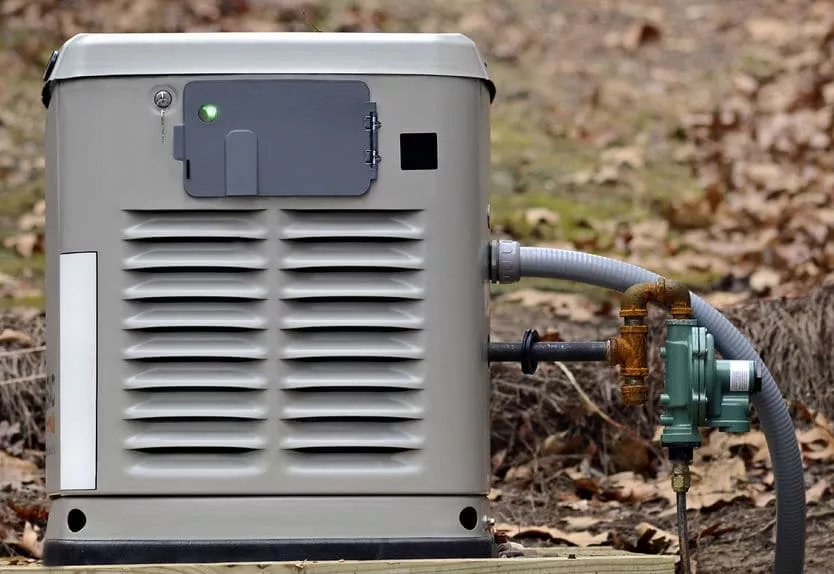
Portable generatorsare smaller and easy to move. They work well for short power outages and outdoor use. Standby generatorsare fixed and turn on automatically during power cuts. They power the whole house or key appliances.
Fuel types vary. Portable generators use gasoline, which is easy to find but can run out fast. Standby generators often use natural gas or propane, which last longer and are cleaner. Availability depends on your area and fuel storage options.
Noise levels differ. Portable generators are usually louder and can disturb neighbors. Standby generators are quieter and meet stricter emission rules. They cause less pollution and noise, making them better for neighborhoods.
Sizing Your Standby Generator
Choosing the right generator sizedepends on your home’s power needs. Start by listing all the devices you want to power during an outage. This includes lights, refrigerator, heating, and air conditioning.
Use load calculatorsor charts to estimate total power needs in watts. These tools help match your generator’s capacity to your home’s demand. Remember to add a margin for safety and future needs.
| Generator Size (kW) | Typical Use | Example Appliances Powered |
|---|---|---|
| 5-7 kW | Small Homes | Lights, fridge, fans |
| 8-12 kW | Medium Homes | Lights, fridge, AC, furnace |
| 13-20 kW | Large Homes | Whole house, multiple appliances |
- Calculate total wattage of all devices.
- Choose a generator with slightly higher wattage.
- Consider starting watts for motors and compressors.
Installation Factors
Professional installationensures your generator works safely and efficiently. Experts check electrical connections and fuel lines. This prevents hazards and damage.
Proper placementkeeps the generator away from windows and doors. It should have clear air space for ventilation. This avoids harmful gas buildup.
- Install on a flat, stable surface
- Maintain at least 5 feet from the house
- Keep away from flammable materials
Safety considerationsinclude using carbon monoxide detectors indoors. Always follow local codes and manufacturer rules. This protects your family from accidents.
Maintenance And Operation
Routine maintenance keeps a standby generator working well. Check the oil level and change it every 6 months. Clean or replace the air filter to avoid dust build-up. Test the battery and clean the terminals for good power. Run the generator for about 20 minutes each month to keep parts lubricated.
Fuel storage is key for long generator life. Store fuel in a cool, dry place. Use fuel stabilizers to stop fuel from going bad. Check fuel lines often for leaks or cracks. Always have enough fuel to last several days of power outage.
Troubleshooting common issues is easier with simple checks. If the generator won’t start, check the fuel and oil levels. Inspect the battery and connections for corrosion. Listen for strange noises or vibrations during running. Keep the generator clean and dry to avoid problems.

Credit: nomicpower.com
Cost Considerations
Choosing the right generator size affects your budget significantly. Larger units cost more but provide greater power and backup time. Balance your home’s power needs with what you can afford to avoid overspending.
Initial Purchase Price
The price of a standby generator varies by size and brand. Larger generators cost more because they provide more power. Small units might start around a few thousand dollars. Bigger units can cost over ten thousand dollars. Choosing the right size helps avoid paying too much or too little.
Installation Costs
Installation needs a professional electrician. This cost depends on your home’s wiring and location. Some homes need extra work, which raises the price. Installing a transfer switch is also required for safety. Costs can range from a few hundred to several thousand dollars.
Long-term Operating Expenses
Fuel costs vary based on generator type. Gasoline, propane, or natural gas have different prices. Maintenance is needed to keep the generator running well. Regular oil changes and inspections add to the cost. Running the generator often will increase fuel and maintenance expenses.
Choosing The Right Brand
Reliabilityis key when choosing a standby generator brand. A good brand offers a warrantythat covers parts and labor for several years. This shows confidence in their product.
Checking customer reviews and ratingshelps understand real user experiences. Look for consistent praise about performance and low repair needs. Avoid brands with many complaints.
Local service availabilitymatters a lot. A brand with nearby service centers means faster repairs and easier maintenance. This keeps your generator working when you need it most.

Credit: www.angi.com
Frequently Asked Questions
What Factors Determine The Size Of A Standby Generator?
The size depends on your home’s total wattage needs. Consider essential appliances, heating, cooling, and future power demands.
How Do I Calculate My Home’s Power Needs?
Add the wattage of all essential devices. Include startup watts for appliances like refrigerators and air conditioners.
Can A Small Generator Power My Entire House?
Small generators usually power essential circuits only. For full house coverage, a larger, properly sized generator is needed.
Should I Size A Generator For Peak Or Average Usage?
Size your generator for peak load to avoid overload. This ensures reliable power during high-demand periods.
Conclusion
Choosing the right standby generator size protects your home during outages. Know your power needs by listing essential appliances and devices. Small generators suit basic needs, while larger ones support whole-house power. Avoid buying too big or too small to save money and stress.
Take time to compare models and consult experts if unsure. The right generator keeps your family safe and comfortable. Prepare today for peace of mind tomorrow.