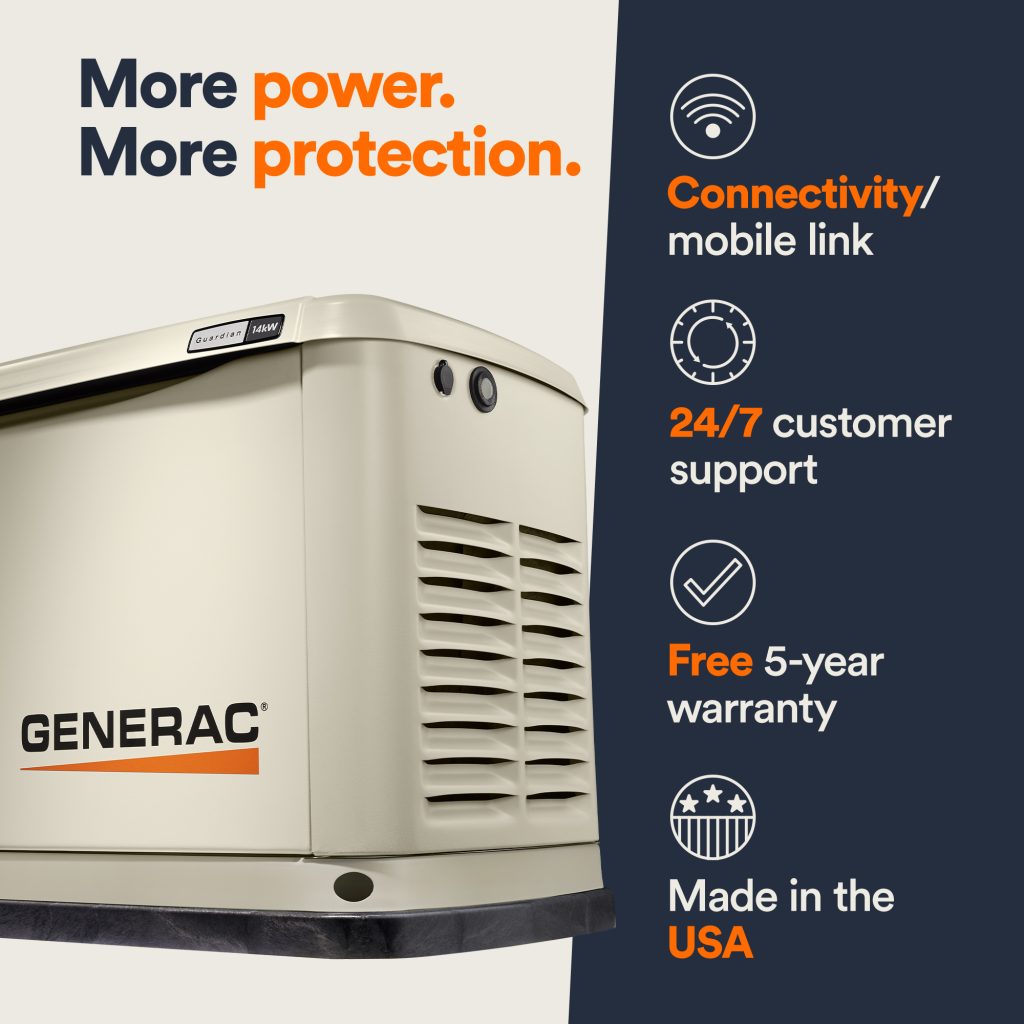
You know how frustrating it can be when the power goes out unexpectedly. Whether it’s a storm, a technical glitch, or some other issue, being left in the dark is never fun.
This is where a standby generator comes into play, ensuring you have a reliable backup power source whenever you need it. But here’s the big question: What size standby generator is right for your house? Choosing the correct size is crucial to keep your essential appliances running smoothly without any hiccups.
You’ll discover the key factors to consider when selecting a standby generator that fits your home’s needs perfectly. Stick around, and you’ll learn how to avoid common pitfalls and make an informed decision that gives you peace of mind during the next power outage.
Assessing Power Needs
Start by listing all the essential appliancesin your home. These usually include the refrigerator, lights, heating or cooling systems, and water pumps. Note each appliance’s wattagefrom the label or manual. Add up these numbers to find your total running watts.
Some appliances need extra power to start, called surge watts. For example, refrigerators and air conditioners require more power at startup. Make sure to add these surge watts to your total. This helps to avoid overloading the generator.
Consider the peak power demandas the highest power your home needs at one time. This number might be higher than just adding running watts. It is important to check that your standby generator can handle this peak demand without problems.
Types Of Standby Generators
Air-cooled generatorsuse fans to keep the engine cool. They are simple and cost less. These generators work well for small to medium homes. They are lighter and easier to install. But they can be noisier and less powerful. Good for backup power in mild climates.
Liquid-cooled generatorsuse coolant to lower the engine temperature. These are bigger and more expensive. They run quieter and can power larger homes or whole buildings. They last longer under heavy use. Best for places with extreme weather or high power needs.
Generator Power Ratings
Generators have two main power ratings: running wattsand starting watts. Running watts show the power needed to keep appliances on. Starting watts are higher because some devices need extra power to start.
Understanding these helps pick the right generator size. The generator must handle the highest starting wattload in your house. Otherwise, it might shut off or fail to power some devices.
| Power Rating | Description | Example |
|---|---|---|
| Running Watts | Power to keep appliances running | Refrigerator, lights |
| Starting Watts | Extra power to start appliances | Air conditioners, pumps |

Credit: www.cummins.com
Fuel Options
Natural gasis a popular fuel choice for standby generators. It comes directly from utility lines, so there is no need to store fuel. This means it can run for a long time without refilling. It is also cleaner and burns more efficiently than other fuels.
Propaneis stored in tanks and can be used where natural gas is not available. It burns cleanly and lasts a long time in storage. Propane generators start quickly and work well in cold weather. Tanks need to be refilled or replaced after use.
Dieselfuel is strong and reliable. It is easy to find and stores well for several years. Diesel generators are powerful and run efficiently for heavy loads. They may need more maintenance and can be noisier than gas or propane models.
Factors Influencing Generator Size
The size of your homeaffects the generator capacity needed. Larger homes require more power. The layoutalso matters. Multiple floors or spread-out rooms use more electricity.
Climateplays a key role. Cold areas need power for heating. Hot places need air conditioning. Storm frequency can affect generator use.
Planning for future expansionshelps. Adding rooms or appliances means more power. Choose a generator that can handle growth. This avoids buying a new one soon.
Calculating Generator Size
Calculate the total power loadof your home to pick the right generator size. List all appliances and devices you want to power.
- Check each item’s wattage on labels or manuals.
- Sum all wattages for running watts.
- Include starting wattsfor items like refrigerators or pumps.
Compare total watts to generator sizes available. Choose a generator with wattage higher than your total load.
Online calculators help simplify this process. Enter appliance wattages, and they compute required generator size instantly.
These tools save time and reduce errors. Useful for those unfamiliar with electrical terms.
Installation And Maintenance
Professional installation ensures your standby generatorworks safely and reliably. Always hire a licensed electricianto connect the generator to your home’s electrical system. The generator should be placed outdoors, on a flat, stable surface, away from windows and doors to avoid carbon monoxide risks. Proper ventilationis key to safe operation. Check local codes and permits before installation. A good transfer switch is essential to switch power sources smoothly.
Routine maintenance keeps your generator ready for use. Run the generator at least once a monthfor 15 minutes to keep the engine healthy. Change the oil and air filter every 6-12 months. Check the fuel system for leaks or damage. Inspect the battery and clean terminals if needed. Keep the generator clean and free from dust and debris. Regular checks help avoid unexpected breakdowns.
Budgeting For Your Generator
The cost of a standby generatorcan vary widely. Small units may cost around $2,000, while larger models can exceed $10,000. Installation fees and permits add to the total price.
Choosing the right size affects the price. A bigger generator is more expensive but powers more appliances. Smaller models cost less but may not support all devices during outages.
| Generator Size (kW) | Estimated Cost | Typical Use |
|---|---|---|
| 7-10 kW | $2,000 – $4,000 | Basic home needs |
| 10-20 kW | $4,000 – $7,000 | Whole house backup |
| 20+ kW | $7,000+ | Large homes or small businesses |
Long-term savings come from avoiding food spoilage and damage. Generators keep essential systems running, reducing repair costs. Fuel efficiency varies by model; choosing wisely saves money over time.
Common Mistakes To Avoid
Overestimating power needscan lead to buying a generator that is too big. This wastes money and uses more fuel. A generator that is too large may not run well at low loads. It is best to list the essential appliancesand their wattages. Add a little extra for safety, but not too much.
Ignoring maintenancecauses problems later. Generators need regular checks and oil changes. A well-kept generator lasts longer and works better. Clean the air filter and test the unit often. This keeps your generator ready for any power outage.
Credit: www.powerequipmentforum.com

Credit: www.angi.com
Frequently Asked Questions
What Size Generator Do I Need For A 3-bedroom House?
A 7,500 to 10,000-watt generator usually covers a 3-bedroom house. It powers essential appliances like HVAC, fridge, and lights efficiently.
How To Calculate Wattage For Standby Generators?
Add the wattage of all essential appliances you want to power. Include startup watts, then choose a generator with higher capacity.
Can A 10kw Generator Power An Entire House?
A 10kW generator can power most homes, including HVAC and appliances. Large homes with heavy equipment may require a bigger unit.
Why Is Generator Sizing Important For Home Safety?
Proper sizing prevents overload, reduces fuel waste, and ensures reliable power. Undersized generators can damage appliances or cause power failure.
Conclusion
Choosing the right standby generator size keeps your home safe and powered. Consider your essential appliances and their power needs first. A properly sized generator runs efficiently and lasts longer. Small units may not cover all your needs. Large ones can waste fuel and cost more.
Think about future power needs too. Consulting a professional helps you make the best choice. Stay prepared and avoid power surprises. Your home and family deserve reliable energy backup.