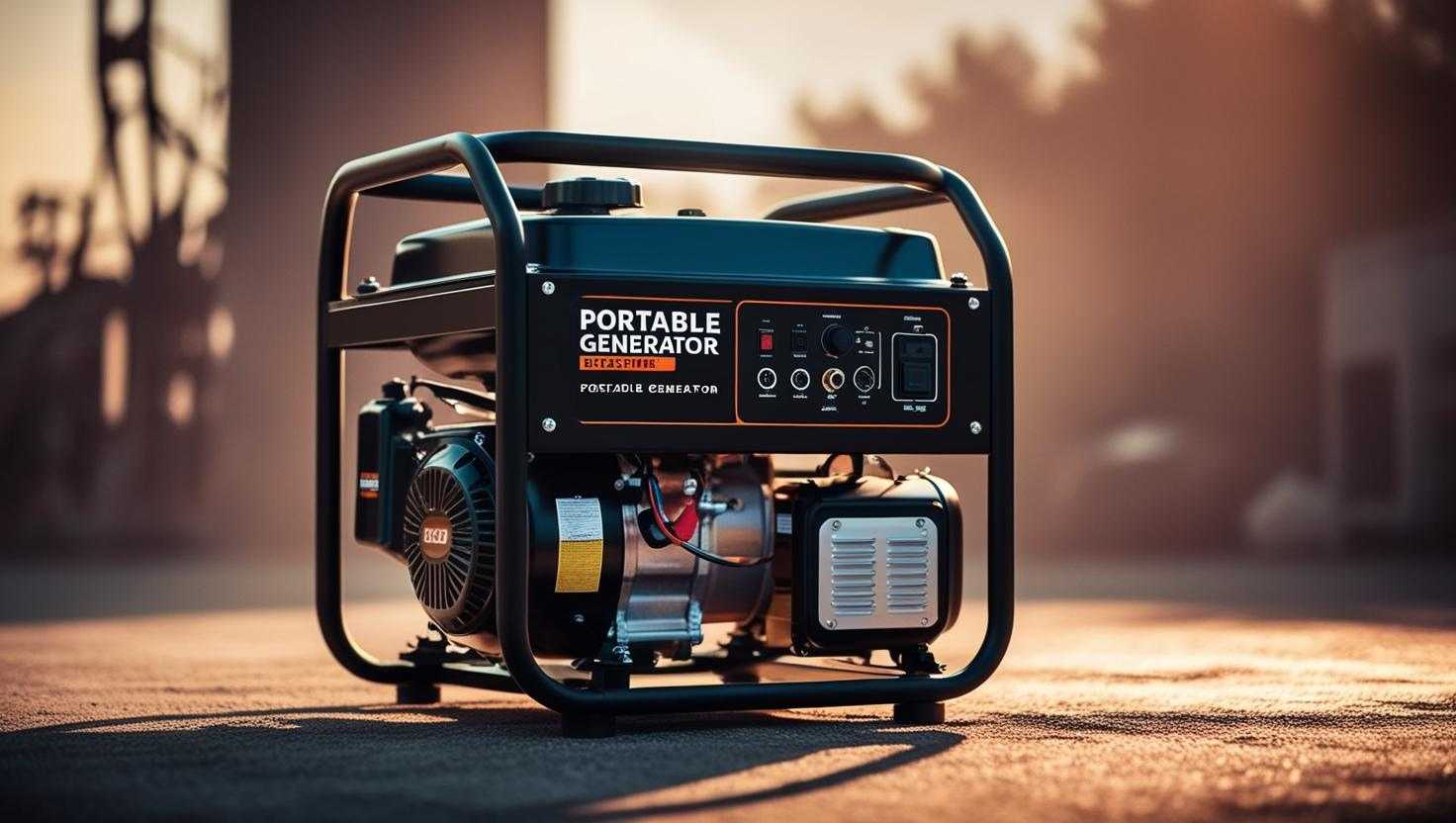
Have you ever wondered if your portable generator can handle a little rain? You rely on it to power your home during outages or outdoor adventures, but what happens when the weather doesn’t cooperate?
Getting your generator wet might seem harmless at first, but it could lead to serious problems. Keep reading to find out how water affects your generator and what you can do to protect your investment and keep it running safely.
Your peace of mind and safety depend on it.

Credit: truegear.com.au
Portable Generators And Water Exposure
Portable generators are helpful tools during power outages. Many wonder if these devices can get wet safely. This topic is important for safety and generator care.
Water can cause damage and increase risks when using a generator. Knowing how water affects portable generators helps users avoid accidents and maintain their devices.
Can A Portable Generator Get Wet?
Portable generators are not designed to be wet. Exposure to rain, snow, or standing water can harm the engine and electrical parts. Water can cause short circuits and rust.
Using a generator in wet conditions may lead to electric shocks or fires. It is important to keep the generator dry and on a raised, stable surface.
Risks Of Water Exposure To Generators
- Electrical short circuits that can damage the generator
- Risk of electric shock to the user
- Corrosion of metal parts and connections
- Engine damage from water entering the fuel or exhaust systems
- Fire hazards from malfunctioning electrical components
How To Protect A Portable Generator From Water
Keeping a generator dry is essential. Use a waterproof cover or build a shelter to protect it. Make sure the shelter does not block ventilation.
Place the generator on a dry, elevated platform to avoid standing water. Never run the generator indoors or in closed spaces to prevent carbon monoxide poisoning.
Safe Use Guidelines For Portable Generators In Wet Conditions
- Check the weather before using the generator outdoors.
- Set up the generator under a canopy or tent with open sides.
- Keep the generator away from puddles and wet ground.
- Use a ground fault circuit interrupter (GFCI) for extra protection.
- Turn off the generator before covering it with a waterproof tarp.
Comparison Of Generator Protection Methods
| Protection Method | Pros | Cons |
|---|---|---|
| Waterproof Cover | Easy to use, portable | May trap heat if not ventilated |
| Generator Shelter | Better protection from rain and debris | Requires building space and materials |
| Elevated Platform | Keeps generator away from water on ground | Needs stable, level surface |
Risks Of Using A Wet Generator
Using a portable generator in wet conditions can be dangerous. Water can cause serious problems for the generator and for anyone nearby.
It is important to understand the risks before using a generator in rain or wet areas. Wet generators can lead to electrical shocks, damage, and even fires.
Electrical Hazards
Water and electricity do not mix well. A wet generator can cause electric shocks to people using it or standing near it.
Wet parts can short circuit or fail, increasing the risk of injury or death from electric shock.
- Water can cause electrical shorts.
- Shock risk increases if generator is wet.
- Wet cords and plugs are very dangerous.
Damage To The Generator
Water can enter the engine and electrical parts of the generator. This can cause rust, corrosion, and mechanical failure.
Using a wet generator can shorten its life and lead to costly repairs or replacement.
- Water can damage the engine parts.
- Corrosion can ruin electrical components.
- Wet generators may stop working properly.
Fire Risks
Water inside a generator can cause sparks and short circuits. These can ignite fuel or other flammable materials nearby.
Fires caused by wet generators can spread quickly and cause serious harm to people and property.
- Sparks from wet parts can start fires.
- Fuel leaks combined with sparks are dangerous.
- Keep generators dry to prevent fire risks.
Weather Considerations
Portable generators are useful in many weather conditions. But weather can affect their safety and performance.
It is important to know how rain, snow, ice, and humidity impact a generator. This helps keep it working well.
Rainy Conditions
Generators should not get wet in the rain. Water can cause electrical parts to short circuit.
Always cover your generator with a waterproof canopy. Keep it on a dry surface away from puddles.
- Use a weatherproof cover or shelter
- Do not run generator indoors or in tight spaces
- Place generator on raised platforms to avoid water
Snow And Ice
Snow and ice can damage your generator. Cold temperatures may make it hard to start.
Clear snow from the generator before use. Avoid ice buildup on fuel or air vents.
- Store generator in a dry, sheltered place
- Check fuel lines for freezing or blockages
- Use fuel stabilizers to keep fuel fresh in cold
High Humidity
High humidity can cause moisture inside the generator. This may lead to corrosion or electrical problems.
Use a generator with good ventilation. Store it in a dry area when not in use.
- Check for rust or wear on metal parts
- Run the generator regularly to keep parts dry
- Use silica gel packs or moisture absorbers in storage
Credit: fairtradefinder.com
Safety Tips For Operating In Wet Conditions
Using a portable generator in wet weather can be dangerous. Water and electricity do not mix well. Taking safety steps helps prevent accidents and damage.
Always prepare your generator for wet conditions before use. Follow these tips to keep you and your equipment safe.
Proper Placement And Shelter
Place the generator on a dry, flat surface. Avoid low spots where water can collect. Do not operate the generator indoors or in enclosed spaces.
- Keep the generator at least 10 feet away from doors and windows.
- Use a canopy or tent made for generators to protect it from rain.
- Ensure proper airflow around the generator to avoid overheating.
Using Protective Covers
Use covers that shield the generator from rain but still allow ventilation. Covers designed for generators are best. Avoid plastic sheets that trap moisture and heat.
| Cover Type | Advantages | Disadvantages |
|---|---|---|
| Generator Tent | Waterproof, good airflow | Needs space to set up |
| Custom-Fit Cover | Protects from rain and dust | May reduce airflow |
| Plastic Sheet | Easy and cheap | Traps heat and moisture |
Regular Inspection And Maintenance
Check your generator often, especially after wet weather. Look for signs of rust, water damage, or worn parts. Keep the engine oil and air filter clean.
- Turn off the generator and disconnect all devices before inspection.
- Look for wet spots or water inside the generator.
- Dry and clean any damp parts before restarting.
- Schedule regular maintenance as recommended by the manufacturer.
Alternatives To Outdoor Operation
Portable generators are not safe to use in wet conditions. Water can damage the generator and cause electrical hazards. You can use other options to keep your power supply safe and dry.
Here are some alternatives to using your portable generator outside in the rain or wet areas. These options help protect your equipment and keep your home powered safely.
Indoor Use Guidelines
Using a portable generator indoors is very risky. Generators produce carbon monoxide, a deadly gas. Never run a generator inside your home or garage.
If you must use a generator near your home, keep it outside and away from windows and doors. Use a weatherproof cover to protect it from rain but ensure good airflow.
- Place the generator at least 20 feet from your home
- Keep it dry with a special cover or shelter
- Never operate it in enclosed spaces
- Use carbon monoxide detectors indoors
Transfer Switch Installation
A transfer switch connects your generator to your home’s electrical system safely. It stops backfeed to the power grid. This protects utility workers and your equipment.
With a transfer switch, you can run your generator indoors or in a sheltered spot. The switch lets you control which circuits get power. This avoids overloading the generator.
- Hire a licensed electrician for installation
- Choose a switch rated for your generator’s power
- Use it to power important home circuits only
- Keep the generator outside with proper cover
Battery Backup Systems
Battery backup systems store power in batteries for home use. They do not need fuel or run outdoors. This makes them safe and dry alternatives to generators.
These systems provide clean and quiet power. You can use solar panels to charge the batteries. They work well for small power needs or as backup during outages.
- Install battery backups inside your home
- Charge batteries using solar or the grid
- Use them for essential devices and lights
- Maintain batteries regularly for best use

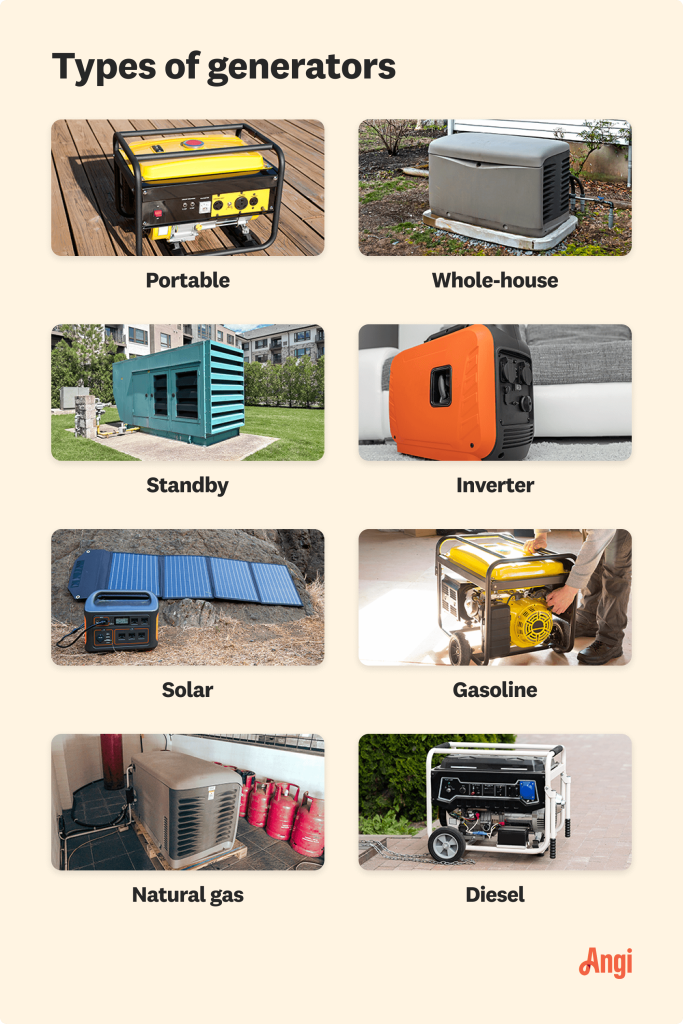
Credit: www.angi.com
Emergency Preparedness
Portable generators provide power during outages. Keeping them safe is critical for your emergency plan.
Water exposure can damage generators and cause hazards. Learn how to protect your generator in wet conditions.
Creating A Generator Safety Plan
Make a clear plan before using your generator. Decide where to place it and how to keep it dry and safe.
- Place the generator on a dry, level surface outside.
- Keep it away from windows and doors to avoid carbon monoxide risks.
- Use a canopy or tent designed for generators to block rain.
- Never operate the generator indoors or in a garage.
- Check the weather forecast and prepare for heavy rain or storms.
Essential Accessories
Use tools and gear that protect your generator and improve safety during use.
| Accessory | Purpose |
| Generator Cover | Keeps rain and debris off the generator when not in use |
| Ground Fault Circuit Interrupter (GFCI) | Prevents electrical shock from wet conditions |
| Extension Cords | Heavy-duty and rated for outdoor use |
| Fuel Stabilizer | Maintains fuel quality during storage |
| Weatherproof Canopy | Protects generator from rain while running |
Training And Education
Learn how to use your generator safely. Understanding risks helps prevent accidents and damage.
Safety Tips
- Read the owner’s manual before use.
- Practice starting and stopping the generator in dry conditions.
- Wear rubber-soled shoes to reduce shock risk.
- Keep children and pets away from the generator.
- Know how to turn off the generator quickly in emergencies.
Frequently Asked Questions
Can A Portable Generator Safely Operate In Rain?
No, portable generators should not operate in rain. Water exposure can cause electrical shock, damage, or short circuits. Always use generators under a protective cover or dry location to ensure safety and proper function.
What Happens If A Generator Gets Wet?
If a generator gets wet, it risks electrical failure and permanent damage. Wet components may short circuit, leading to unsafe conditions and costly repairs. Dry the generator completely before use or inspection.
How To Protect A Portable Generator From Water?
Place the generator under a waterproof canopy or shelter. Use a generator cover designed for rain protection. Keep it elevated from wet ground to prevent water damage and ensure safe operation.
Is It Safe To Store A Generator Outdoors?
Storing a generator outdoors is risky without protection. Exposure to rain, snow, or moisture can damage internal parts. Use a weatherproof enclosure or bring it indoors when not in use.
Conclusion
Portable generators should stay dry to work safely and well. Water can damage parts and cause electric shocks. Place your generator under a shelter or cover it when raining. Never run it inside or in wet places. Taking simple steps keeps your generator safe and reliable.
Protect your investment and avoid accidents. Safe use means power when you need it most. Stay cautious and respect the generator’s limits. Simple care leads to long-lasting performance.