Imagine a stormy night where the power suddenly goes out, and you’re left in the dark. In such moments, the thought of a reliable backup power source becomes more than just a luxury—it becomes a necessity.
If you rely on a well for your water supply, the stakes are even higher. You might be wondering if dual fuel generators can handle the task of powering your well pump. This question is crucial because your access to water shouldn’t be compromised, even when the grid fails.
This blog post will delve into how dual fuel generators work, their efficiency, and whether they can truly support your well pump. By the end, you’ll have a clear understanding of whether this versatile power solution is right for your home. So, let’s explore the potential of dual fuel generators and ensure your peace of mind, no matter the circumstances.

Credit: westinghouseoutdoorpower.com
Dual Fuel Generators: Basics
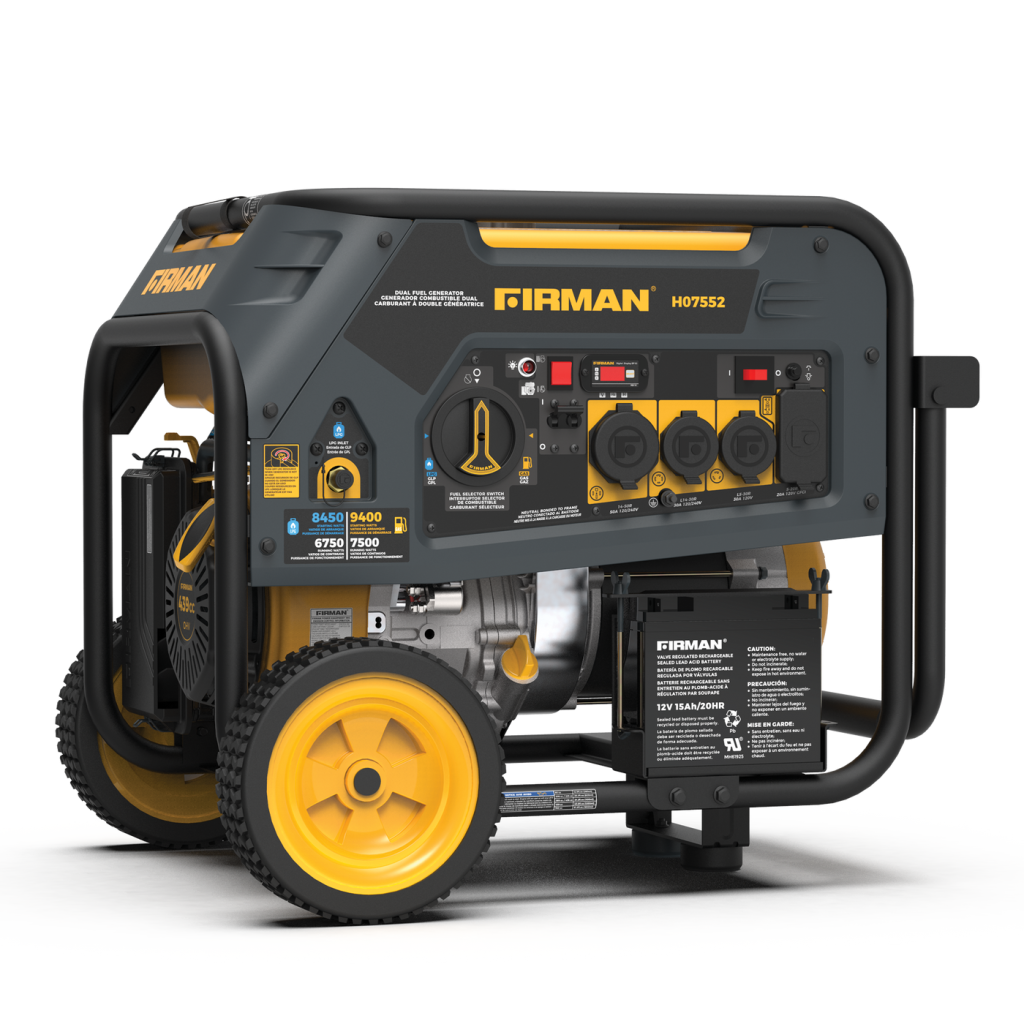
Dual fuel generators use both gasolineand propane. Gasoline is common and easy to find. Propane lasts longer and stores well. Using two fuels gives more power options. You can switch fuels while running. This helps in emergencies or when fuel is low. Dual fuel is handy for different situations.
- Gasoline: Cheap and available everywhere.
- Propane: Cleaner and lasts longer.
- Natural Gas: Needs a special setup but can be used.
Each fuel has its own benefits. Choose based on your need and availability.
Well Pump Power Requirements
Dual fuel generators offer flexibility and reliability for powering well pumps. They efficiently use gasoline or propane, ensuring consistent operation.
Understanding Well Pump Mechanics
Well pumps pull water from underground. They use a motor to do this. The motor needs electricity to work. Different pumps need different amounts of power. Smaller pumps need less power. Bigger pumps need more power. The pump’s size affects its power needs. Dual fuel generators can provide power. They help pumps work when there’s no electricity.
Standard Energy Needs
Pumps have standard energy needs. Most pumps need between 750 and 1,500 watts. Small pumps use around 750 watts. Big pumps can use up to 1,500 watts. It’s important to know your pump’s wattage. This helps you choose the right generator. Dual fuel generators can handle these needs. They use gas or propane for power.
Efficiency Factors For Dual Fuel Generators
Dual fuel generators can power well pumps efficiently. They switch between gas and propane for flexibility. Proper sizing ensures smooth operation.
Fuel Efficiency Comparisons
Dual fuel generators can use gasolineor propane. Gasoline often burns faster. But it provides more power. Propane burns cleaner. It lasts longer than gasoline. Gasoline is easy to find. Propane tanks are easy to store. Each fuel type has its own benefits. Choose based on your needs and availability.
Impact Of Fuel Type On Performance
Fuel type affects generator performance. Gasoline delivers higher power output. It can start heavy machines. Propane offers cleaner emissions. It’s better for the environment. Propane might not run engines as fast. Consider your well pump’s power needs. Choose the right fuel for the best performance.
Compatibility With Well Pumps
Dual fuel generators can effectively power well pumps, offering flexibility in fuel choices. Their ability to switch between fuels ensures reliable performance during power outages, making them an excellent option for maintaining water supply in rural or off-grid areas.
Generator Capacity And Well Pump Size
Choosing the right generator is important. Well pumps need specific power. The generator capacitymust match the pump size. Small generators can’t power big pumps. Check the pump’s wattagebefore buying a generator. The generator should be slightly more powerful. This ensures the pump runs smoothly. Always have a little extra power to spare.
Voltage And Frequency Considerations
Generators have different voltages. Well pumps need the right voltage. Using the wrong voltage can damage the pump. Most pumps use 120V or 240V. Generators must match this. Frequency is also key. It should be 60Hzin most places. A mismatch can make the pump work badly. Check these specs before using a generator.
Pros And Cons Of Using Dual Fuel Generators
Dual fuel generators can power a well pump by using both gasoline and propane, offering flexibility in fuel choice. They provide reliable backup power, but might require frequent maintenance and fuel management. Consider the generator’s capacity to ensure it meets the well pump’s power needs.
Advantages Of Dual Fuel Systems
Dual fuel generators can use both gasoline and propane. This gives more flexibility. If one fuel runs out, use the other. They are reliable during power outages. Propane stores longer than gasoline. This helps in emergencies. Dual systems can reduce fuel costs. Choose the cheaper fuel at the time.
Potential Drawbacks
Dual fuel generators can be more expensive. Their maintenance is a bit complex. They have more parts to check. Sometimes they are less efficient than single fuel models. They may need more space to store both fuels. Switching between fuels can be tricky for some users. This might need practice to handle well.

Credit: a-ipower.com
Real-life Case Studies
Real-life case studies reveal that dual fuel generators can efficiently power well pumps. These generators provide a reliable energy solution, ensuring your water supply remains uninterrupted even during power outages.
Successful Implementations
Some families use dual fuel generators for their well pumps. These generators are powerful and flexible. They can run on gas or propane. This offers more options during emergencies. One family in Texas faced a power outage. Their generator kept the well pump running smoothly. They had clean water when others didn’t. This showed the importance of preparedness. Their story inspires others to consider this solution.
Lessons Learned From Failures
Not all attempts succeed. One family tried a dual fuel generator. It wasn’t strong enough for their well pump. The pump stopped working during a storm. They learned the importance of checking power needs first. Others faced similar issues. Planning and research are key. Generators must match the pump’s power needs. This saves time and money. It ensures water flow during emergencies.
Maintenance And Operational Tips
Dual fuel generators can effectively power well pumps, offering flexibility and reliability. Regular maintenance ensures optimal performance and extends lifespan. Monitor fuel levels and inspect connections frequently to prevent disruptions.
Routine Maintenance Guidelines
Routine checks are very important. Ensure the generator’s fuel tank is always full. Clean the air filters regularly. Inspect the spark plugs for wear. Tighten loose wires and connections. Keep the generator in a dry place. Avoid operating in wet conditions. Check for any leaks in fuel lines. Use only fresh fuel to prevent clogs. Keep the oil level checked. Change the oil every few months. Always follow the manufacturer’s manual. Routine maintenance keeps the generator running smoothly.
Troubleshooting Common Issues
Generators may face issues sometimes. If the generator won’t start, check the fuel level. Ensure the spark plug is clean. Look for any loose wires. Listen for unusual noises during operation. Check the oil level if the generator overheats. Inspect the air filter if the generator stalls. If there is no power, examine the circuit breaker. Reset if needed. Troubleshooting is about finding the problem quickly. Fixing common issues keeps your generator working well.

Credit: www.nytimes.com
Frequently Asked Questions
What Size Generator Is Needed To Power A Well Pump?
A 3,000 to 5,000-watt generator typically powers a well pump efficiently. Check your pump’s wattage requirements before purchasing. Ensure compatibility with the generator’s capacity for optimal performance.
Can You Power Your Well Pump With A Generator?
Yes, you can power your well pump with a generator. Ensure the generator matches the pump’s wattage requirements. Use a transfer switch for safe operation. Regular maintenance is essential for efficiency. Always consult a professional for installation to ensure compatibility and safety.
Will A 3000 Watt Generator Run A Well Pump?
A 3000 watt generator can run a well pump, depending on the pump’s starting and running wattage. Most well pumps require 1000 to 2000 watts to run but need more power to start. Check your pump’s specifications to ensure compatibility.
Will A 12000 Watt Generator Run A Well Pump?
A 12000 watt generator can run a well pump. Most well pumps require 1000 to 4000 watts. Ensure the generator meets the pump’s starting wattage needs.
Conclusion
Dual fuel generators can efficiently power a well pump. They offer flexibility and reliability. You can switch between gas and propane. This ensures your pump works during power outages. Choosing the right generator is crucial. Consider the wattage and fuel type.
Ensure your generator meets your well pump’s needs. Regular maintenance extends the generator’s life. It’s a practical solution for rural areas. Easy to set up and use. Provides peace of mind during emergencies. Think about your specific requirements. Dual fuel generators are a smart choice for well pumps.