Imagine a storm raging outside, cutting off power for hours, or even days. Your fridge hums to a stop, your devices dim, and your home plunges into darkness.
This scenario is more common than you’d think, and it’s why many consider investing in a home backup system. But here’s the burning question: do these systems really work during extended outages? You might be asking yourself whether the investment is worth it, or if it’ll leave you in the dark when you need it most.
Stay with us as we shed light on the truth behind home backup systems. Discover how they operate, their reliability during long power outages, and whether they can truly keep your home running smoothly when the grid goes down. This could be the key to ensuring your peace of mind when the unexpected hits.
Credit: solarsme.com
Types Of Home Backup Systems
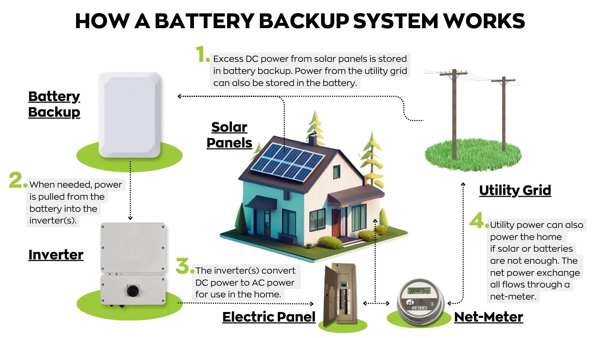
Battery backup systemsstore energy for emergencies. They provide power when the lights go out. Batteries can be charged from regular outlets. During long outages, batteries supply power to key home devices. They are quiet and do not need fuel. Battery systems are eco-friendly. They can help when there is no sunlight or wind.
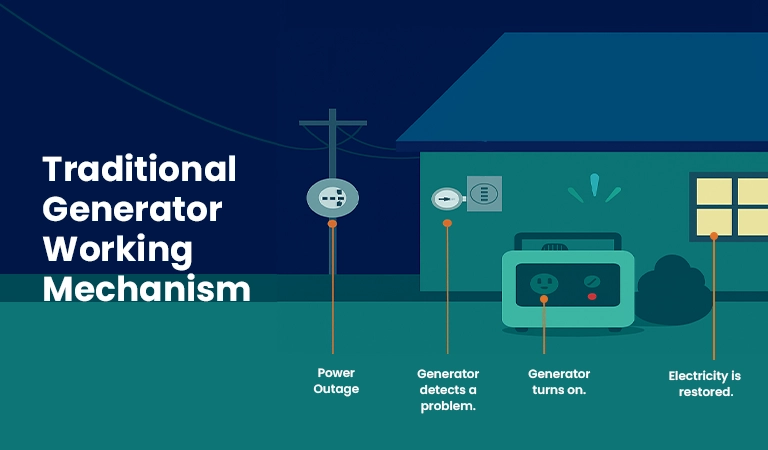
Generator systemsuse fuel to create electricity. They are helpful during long outages. Generators can power many appliances. They are noisy and need regular maintenance. Fuel must be stored safely. Generators start automatically when power fails. They ensure essential devices keep working.
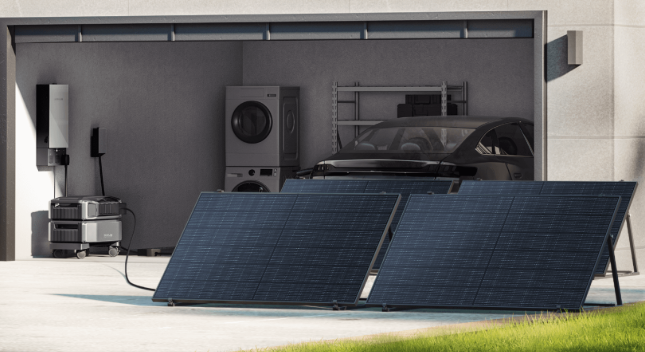
Solar power solutionsuse sunlight for energy. Solar panels convert sunlight into electricity. They are clean and renewable. During long outages, solar batteries store power. Solar systems need sunlight to work well. They save money on electricity bills. Solar power is quiet and sustainable.
Credit: www.ecoflow.com
Factors Affecting Performance
The length of power outages affects backup system performance. Longer outages need more energy. Batteries can run out if outages last too long. Generators might need more fuel. Solar systems depend on sunlight hours. Backup duration matters a lot for any system.
Homes use different amounts of energy. Big homes might use more power. More lights, devices, and appliances need more energy. High energy demand can drain backup systems fast. Energy-efficient devices help systems last longer.
Weather impacts backup systems greatly. Stormy weather can cause longer outages. Cloudy days affect solar panels. Generators might struggle in extreme cold. Weather-resistant systems perform better. Good planning is needed for weather changes.
Battery Backup Efficiency
Home backup systems can efficiently provide power during long outages. They ensure essential devices stay operational. Battery backups are reliable, offering peace of mind and continuous electricity when the grid fails.
Capacity And Storage
Batteries store electricity for emergencies. Capacity tells how much energy they hold. Bigger capacity means longer power during outages. Storage affects size and cost. Choose a battery that fits your needs. Some batteries store more energy but cost more. Balance is key for effective backup.
Discharge Rates
Discharge rate is how fast a battery loses power. Faster discharge means shorter power time. Slower rates keep lights on longer. Some systems adjust rates based on need. Understanding discharge helps in choosing the right system.
Lifespan Considerations
Batteries have a limited lifespan. How long they last depends on use and care. Frequent use can shorten lifespan. Proper maintenance extends battery life. Checking regularly ensures they work when needed. Choose a battery with a longer lifespan for better value.
Generator Reliability
Generators need fuel to run. Without fuel, they stop working. Types of fuel include diesel, gasoline, and propane. Propane lasts longer than gasoline. Diesel is often used in big generators. Check fuel levels regularly. Always have extra fuel stored safely.
Generators need regular maintenance. Check oil levels often. Change oil if needed. Clean air filters regularly. Inspect spark plugs for wear. Schedule a professional check yearly. Ensure parts are in good condition. Avoid dirt and dust buildup.
Generators have different power outputs. Small generators power lights and fridges. Big generators power entire homes. Check wattage requirements. Match generator power with home needs. Avoid overloading the generator. Ensure consistent power supply.
Solar Power Effectiveness
Home backup systems using solar power can keep homes running during long outages. They store energy in batteries for use when needed. This setup ensures that essential devices and lights stay on even when the grid is down.
Sunlight Dependence
Solar systems need sunlight to make electricity. Cloudy days can slow power production. Nighttime stops solar energy completely. Backup systems must store energy. Stored energy helps during no sunlight.
Storage Solutions
Batteries store solar energy for later use. Large batteries hold more power. More stored power means lights stay on longer. Battery health affects energy storage. Good health means more stored power.
System Size
System size matters for energy needs. Big systems can power more devices. Small systems may power only few things. Choosing right size is important. Right size helps during long outages. Energy needs decide system size.
Cost Implications
Home backup systems can keep your power running during long outages, but they can be expensive. Installation and maintenance costs add up, impacting your budget.
Installation Expenses
The cost to install backup systems can be high. Professional help is often needed. Equipment costs can add up quickly. It’s important to budget for extra parts. Some systems need special permits too.
Operational Costs
Running a backup system uses fuel or electricity. This adds to monthly bills. Maintenance is another cost factor. Regular checks keep the system working well. These checks can be pricey.
Long-term Savings
Backup systems can save money over time. They prevent food spoilage during outages. Protecting electronics from damage is another plus. It also ensures a comfortable home. No need to stay in hotels when power is out.
Environmental Impact
Home backup systems can effectively reduce environmental impact during long outages. They harness renewable energy sources, like solar power, minimizing reliance on fossil fuels. This reduces carbon emissions and promotes sustainable energy use in households.
Emissions
Home backup systems can affect emissions. Generators using fossil fuels release carbon. This adds to air pollution. Solar power systems have no emissions. They are cleaner and better for air quality. Battery systems can store solar energy. This reduces the need for fuel-based power.
Sustainability
Backup systems using renewable energy are more sustainable. Solar and wind power are examples. They use natural resources that do not run out. Fossil fuel systems are less sustainable. They rely on limited resources like coal or gas. Choosing renewable options helps the planet.
Resource Use
Different systems use resources differently. Solar panels use sunlight, which is free. Wind turbines use wind, another free resource. Fuel-based generators need oil or gas. These resources cost money and can run out. Using renewable systems saves resources in the long run.

Credit: www.ionixpro.com
Choosing The Right System
Choosing the Right System Home backup systems can keep power running during long outages. They ensure essential appliances continue to work. Selecting the right system is crucial for uninterrupted electricity.
Assessing Needs
Understand how much power your home needs. Some homes need more energy. Others need less. Count important devices like fridges and lights. Think about how long outages last in your area. Longer outages need bigger systems. Make sure the system can handle your needs.
Comparing Options
There are many backup systems available. Some use batteries. Others use generators. Batteries are quiet but can be costly. Generators are cheaper but need fuel. Compare the cost of each option. Look at how they perform in long outages. Choose what fits your budget and needs.
Expert Advice
Ask experts for help. They know a lot about backup systems. They can tell you which system is best. Experts can help with installation too. Make sure to ask questions. Find out how reliable each system is. Get advice to make a smart choice.
Frequently Asked Questions
How Long Do Battery Backups Last During A Power Outage?
Battery backup duration depends on capacity and load. Typically, they last from 30 minutes to several hours.
Can Be Used To Supply Power During Long Power Outages?
Yes, generators and battery backup systems can supply power during long outages. Ensure the system is properly installed and maintained for optimal performance. Solar panels with battery storage are also effective for prolonged power supply. Always check compatibility and power capacity to meet your needs.
What Is The Best Backup For A Power Outage?
The best backup for a power outage is a reliable generator. Consider solar-powered generators for eco-friendly options. Uninterruptible Power Supplies (UPS) protect critical electronics. Battery backup systems are also effective for short-term outages. Choose based on your power needs and budget.
Do Solar Panels Work If The Grid Goes Down?
Solar panels alone don’t work during a grid outage. They require a battery or specific inverter setup. Without these, they can’t provide power when the grid is down. Consider installing a battery backup system to ensure power availability during outages.
Always consult a professional for optimal solar panel configurations.
Conclusion
Home backup systems can handle long outages effectively. They keep essential devices running. Powering lights, refrigerators, and chargers helps maintain normalcy. Battery life and fuel supply are key factors. Regular maintenance ensures optimal performance. Choose a system that fits your needs.
Consider power capacity and duration. Research different options available. Talk to professionals for advice. Backup systems offer peace of mind during outages. Be prepared and stay informed. Reliable systems make a difference when power is lost. Investing in a backup system is a smart choice.
Stay powered, stay safe.