
If you’re planning to use a portable generator, you might be wondering: do portable generators need to be grounded? This question is more important than you think.
Getting it right can keep you safe and protect your equipment. But the rules can seem confusing, and mistakes could lead to serious risks. You’ll learn exactly when and how to ground your portable generator. By the end, you’ll feel confident using your generator safely and effectively.
Keep reading—your safety depends on it.
Importance Of Grounding
Grounding portable generators is a key safety measure. It helps protect people and equipment from electrical shocks.
Understanding why grounding matters can prevent accidents and ensure the generator works properly.
What Is Grounding?
Grounding connects the generator to the earth. This gives electricity a safe path to flow in case of faults or short circuits.
Safety Benefits Of Grounding
Grounding reduces the risk of electric shock. It also lowers the chance of fire caused by electrical faults.
- Protects people from electric shocks
- Prevents damage to appliances
- Stops electrical fires
- Keeps the generator stable during faults
When Grounding Is Required
Most portable generators need grounding if they have a metal frame. The need also depends on local rules and how you use the generator.
Check the generator’s manual and local electrical codes to know if grounding is mandatory for your setup.
How To Properly Ground A Generator
| Step | Action |
| 1 | Find a grounding rod or metal pipe |
| 2 | Drive the rod into the ground at least 8 feet deep |
| 3 | Connect the grounding wire from the generator frame to the rod |
| 4 | Tighten connections to ensure good contact |
| 5 | Test the grounding with a multimeter if possible |
How Grounding Works
Grounding helps protect people and equipment from electrical faults. It creates a safe path for electricity to flow into the earth.
This reduces the risk of electric shock and damage. Understanding how grounding works is important for using portable generators safely.
What Grounding Means
Grounding connects electrical parts to the earth. This connection helps control voltage and prevents shock hazards.
Grounding And Portable Generators
Portable generators may or may not need grounding depending on their design. Some have a built-in grounding system.
Others require an external ground rod to be connected for safety.
How Grounding Protects You
- Directs stray electricity safely to the ground
- Prevents electric shock from faulty wiring
- Reduces risk of fire from electrical faults
- Helps circuit breakers work properly
Grounding Vs. Bonding
| Grounding | Connects electrical system to earth |
| Bonding | Connects electrical parts together for safety |
Signs A Portable Generator Needs Grounding
Check the owner’s manual for grounding instructions. If it says to use a ground rod, follow that advice.
Risks Of Ungrounded Generators
Portable generators can be dangerous if not grounded properly. Ungrounded generators increase the risk of accidents. Knowing these risks helps keep you safe.
This article covers two main risks: electrical shock hazards and fire risks. Both are serious dangers linked to ungrounded generators.
Electrical Shock Hazards
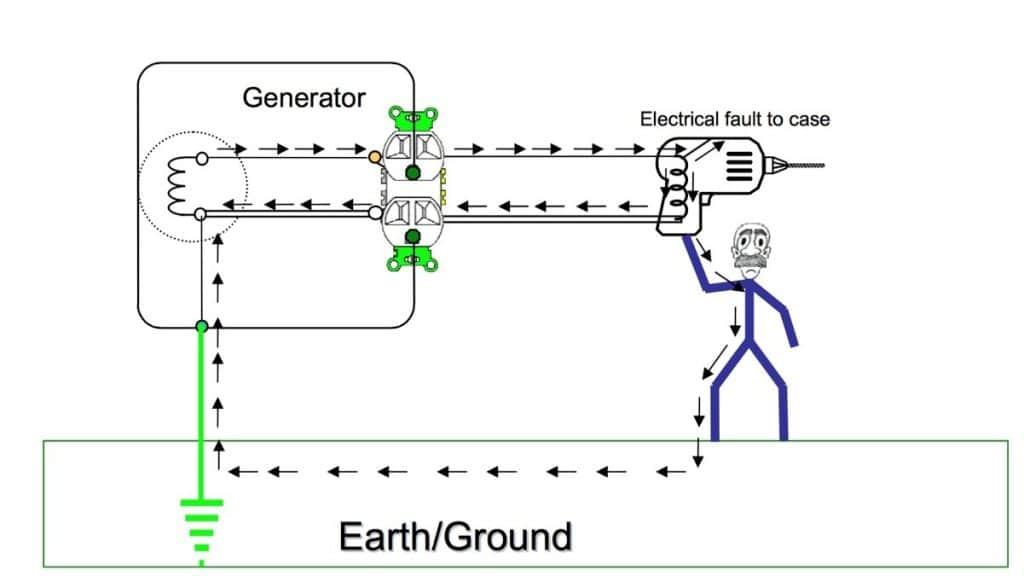
An ungrounded generator can cause electrical shock. Electricity may travel through metal parts and harm people touching them. This risk is higher in wet conditions.
- Touching exposed wires can give a shock.
- Metal parts may become energized without grounding.
- Shock can cause serious injury or death.
- Children and pets are especially at risk.
- Grounding helps direct electricity safely into the earth.
Fire Risks
Ungrounded generators can also cause fires. Faulty electrical paths may create sparks. These sparks can ignite flammable materials nearby.
| Cause | Effect | Prevention |
| Loose connections | Sparks and overheating | Tighten all wires |
| Fuel leaks | Fire risk near sparks | Check fuel lines often |
| No grounding | Electric arcs | Properly ground the generator |
| Overloading | Heat buildup | Use within power limits |
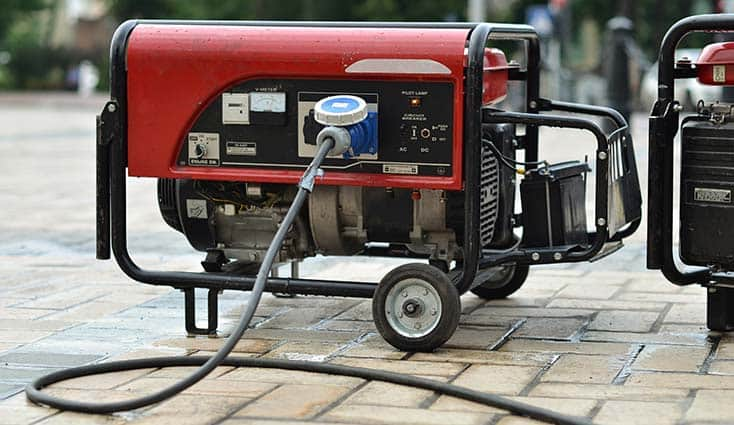
Credit: www.jadelearning.com
Assessing Your Generator
Portable generators can provide power in many situations. Understanding if your generator needs grounding is important for safety.
Assess your generator by looking at its type and the instructions from the manufacturer. These help guide proper use and grounding needs.
Types Of Portable Generators
There are different types of portable generators. Each type may have different grounding requirements based on design and use.
- Inverter Generators:Smaller, quieter, and often used for camping or small appliances.
- Conventional Generators:Larger units for home backup or job sites.
- Open-Frame Generators:Common style with visible engine and alternator.
- Enclosed Generators:Covered units that reduce noise and protect parts.
Manufacturer Guidelines
Manufacturers provide specific instructions on grounding. Always read the manual before using your generator.
| Guideline | Description |
| Check the manual | Look for grounding instructions and safety notes. |
| Grounding rod use | Some models require a grounding rod to connect to earth. |
| Frame grounding | Others rely on grounding through the generator frame. |
| Extension cords | Use heavy-duty cords rated for outdoor use and proper grounding. |
Steps To Ground A Generator
Grounding a portable generator is important for safety. It helps prevent electric shocks and fires.
This guide explains how to ground your generator in simple steps. Follow the steps carefully to stay safe.
Necessary Tools And Equipment
You need a few tools and materials to ground a generator. Having the right equipment makes the job easier.
- Grounding rod (usually copper or galvanized steel)
- Grounding wire (copper wire, 8 or 10 gauge)
- Wire cutters and strippers
- Hammer or mallet
- Wrench or pliers
- Protective gloves
Step-by-step Process
Follow these steps to ground your portable generator safely. Take your time and use the tools carefully.
- Find a dry location near the generator to place the grounding rod.
- Drive the grounding rod into the ground with a hammer until only a few inches remain above ground.
- Cut a length of grounding wire long enough to reach from the generator to the rod.
- Strip the ends of the grounding wire using wire strippers.
- Attach one end of the grounding wire to the grounding terminal on the generator.
- Secure the other end of the wire tightly to the grounding rod using a clamp or connector.
- Check all connections to ensure they are tight and secure.
- Test the grounding connection if you have a tester to confirm proper grounding.
Common Mistakes To Avoid
Using portable generators safely is important to prevent accidents and damage. One key question is whether these generators need to be grounded. Many users make mistakes about grounding that can cause harm or reduce generator performance.
This guide explains common errors to avoid when grounding portable generators. Understanding these points helps keep you safe and your generator working well.
Ignoring Manufacturer Instructions
Each portable generator comes with specific grounding instructions. Some models do not need additional grounding. Ignoring these details can lead to incorrect setup and safety risks.
Using Improper Grounding Rods
Not all grounding rods work correctly with portable generators. Using rods made of wrong materials or placed in dry soil reduces grounding effectiveness and increases shock risk.
Failing To Check Local Codes
Local electrical codes often have rules about grounding generators. Skipping this step can cause legal issues and unsafe conditions.
Incorrect Connection To Ground
Connecting the ground wire to the wrong part of the generator or structure is common. This mistake can cause shocks or damage to the generator.
Overlooking Regular Grounding Checks
Ground connections can loosen or corrode over time. Skipping regular checks can make grounding fail when you need it most.
Grounding Mistakes Summary
- Always follow the generator’s manual.
- Use proper grounding rods and place them correctly.
- Check and follow local electrical codes.
- Connect grounding wires to the correct terminal.
- Inspect grounding setup regularly for damage or looseness.
Safety Tips For Generator Use
Using a portable generator can provide power during outages. Safety is very important to avoid accidents or damage.
Follow simple rules to keep yourself and others safe while operating a generator.
Proper Location
Place your generator outdoors in a dry area. Keep it away from windows, doors, and vents. This stops dangerous fumes from entering your home.
- Use a flat, stable surface to prevent tipping.
- Keep the generator at least 20 feet away from living areas.
- Do not use it inside garages or enclosed spaces.
- Protect the generator from rain and moisture.
Regular Maintenance
Keeping your generator in good condition helps it run safely and efficiently. Check and clean parts regularly.
| Maintenance Task | Frequency | Reason |
| Check oil level | Before each use | Prevents engine damage |
| Clean air filter | Every 25 hours | Ensures good airflow |
| Inspect spark plug | Every 100 hours | Maintains easy starting |
| Test battery (if applicable) | Monthly | Ensures reliable start |
Credit: www.jadelearning.com
Legal Regulations And Standards
Portable generators are useful tools but need careful handling. Grounding is a key safety concern. Understanding legal rules helps use them safely.
This section covers laws and rules about grounding portable generators. These rules come from local codes and industry standards.
Local Codes
Local electrical codes guide how generators must be grounded. These codes vary by city or state. They often follow national safety standards.
- Check with local building departments before installing a generator.
- Some areas require grounding to prevent electric shock.
- Inspections may be needed to confirm proper grounding.
- Failing to follow codes can lead to fines or hazards.
Industry Standards
Industry groups set standards to ensure safe generator use. These include grounding rules to protect users and equipment.
| Standard | Description | Requirement |
| NEC (NFPA 70) | National Electrical Code | Grounding required for portable generators in many cases |
| OSHA | Occupational Safety and Health Administration | Requires grounding to prevent worker injury |
| UL 2201 | Standard for Portable Generators | Specifies safe grounding and bonding practices |
Credit: www.critterguard.org
Frequently Asked Questions
Do Portable Generators Require Grounding By Law?
Not all portable generators legally require grounding. It depends on local electrical codes and the generator’s design. Always check regulations and manufacturer instructions to ensure safety and compliance.
What Happens If A Portable Generator Isn’t Grounded?
Without grounding, there’s an increased risk of electric shock or equipment damage. Proper grounding helps prevent electrical faults and improves user safety during operation.
How Do You Properly Ground A Portable Generator?
To ground a generator, connect a grounding rod to the generator’s frame using a grounding wire. Drive the rod into the earth for effective grounding.
Can Portable Generators Operate Safely Without Grounding?
Some generators have isolated neutral systems and don’t require grounding for safe use. Always verify your generator’s specifications before operating without grounding.
Conclusion
Proper grounding of portable generators ensures safety and prevents shocks. It protects both the user and the equipment from electrical faults. Always follow the manufacturer’s instructions for grounding your generator. Check local rules and codes to stay compliant. Grounding is a small step that makes a big difference.
Stay safe and keep your power running smoothly. Simple actions can avoid serious accidents. Remember, safety first with every use.