Looking for a reliable power source when you’re off the grid or during a blackout? Choosing the right portable gas generator can make all the difference.
But with so many options out there, how do you know which one fits your needs perfectly? This guide will help you understand what matters most—so you can pick a generator that keeps your devices running smoothly, without wasting money or effort.
Keep reading to discover the simple steps that will make your decision clear and confident.

Credit: www.aeheatingandcooling.com
Types Of Portable Gas Generators
Inverter generatorsproduce clean and stable power. They are quiet and fuel-efficient. These are great for sensitive electronics like laptops and phones. Conventional generatorsare louder but often cheaper. They provide steady power and work well for heavy-duty tasks.
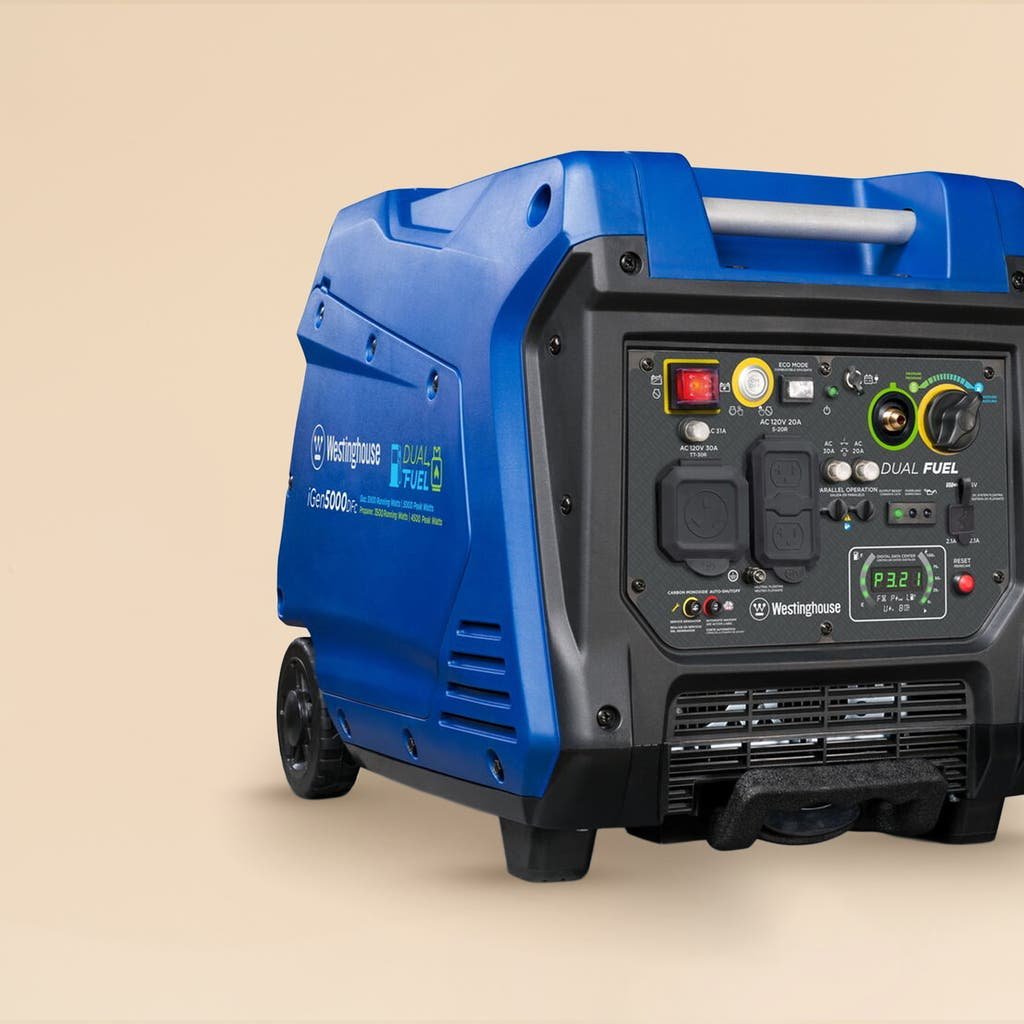
Generators come with different fuel options. Single-fuel generatorsuse one type of fuel, usually gasoline. They are simple and easy to maintain. Dual-fuel generatorscan run on two types of fuel, like gasoline and propane. This gives more flexibility in fuel choice and longer run times.
| Type | Fuel Options | Best For | Noise Level |
|---|---|---|---|
| Inverter | Usually Gasoline | Electronics, Camping | Low |
| Conventional | Gasoline | Heavy-Duty Use | High |
| Single-Fuel | One Type (Gasoline) | Simple Use | Varies |
| Dual-Fuel | Two Types (Gasoline, Propane) | Flexible Fuel Use | Varies |
Key Features To Consider
Power outputand wattageshow how much electricity the generator can provide. Choose one that meets your device needs. Check the starting watts for high power devices. Running watts is the continuous power the generator offers.
Fuel efficiencymatters for longer use. Bigger tank sizemeans the generator runs longer without refueling. Balance tank size with weight for easy use.
Noise levelstell how loud the generator runs. Quieter generators are better for campsites or homes. Look for units with noise ratings in decibels (dB).
Portabilityand weightaffect how easy it is to move the generator. Lighter models with handles or wheels are good for travel. Heavy generators may need two people to carry.
Safety And Compliance
Carbon monoxide (CO) detectorsare essential for safety. They alert you if dangerous gas builds up near the generator. Never run a generator indoors or in closed spaces to avoid CO poisoning.
Overload protectionstops the generator if it gets too much power demand. This feature prevents damage to the generator and connected devices. It helps keep everything running safely.
| Certification | Purpose |
|---|---|
| EPA | Ensures the generator meets U.S. emission limits to reduce pollution. |
| CARB | California Air Resources Board certification for stricter emission rules. |
Choose generators with EPA and CARB certificationsfor cleaner air and legal use. These labels show the product meets strict safety and environmental rules.
Budget And Warranty
Choosing a portable gas generatormeans balancing costand value. Prices vary widely, from budget models to high-end machines. It is smart to pick a generator that fits your budgetbut still offers good featuresand reliability.
Check the warranty coveragecarefully. A longer warranty often means better supportand peace of mind. Look for warranties that cover parts and labor for at least one year. Some brands offer extended plansfor extra protection.
| Price Range | What You Get |
|---|---|
| Under $500 | Basic features, lower power, shorter warranty |
| $500 – $1000 | Better power, more features, 1-2 years warranty |
| Over $1000 | High power, advanced features, longer warranty |
- Choose a warranty with clear terms.
- Check if customer support is easy to reach.
- Consider the cost of repairs after warranty.
Top Brands And Models In 2025
Reliable brandsoffer portable gas generators for different needs. For home use, models with quiet operation and enough power to run essentials are best. These usually have 2000 to 4000 wattscapacity and include safety features.
Camping and outdoor activitiesneed lightweight, easy-to-carry generators. Look for those with fuel efficiencyand low noise levels. Compact designs make transport simple and quick setup possible.
For emergency backup, prioritize generators with high power outputand long runtime. These models can support multiple appliances during power outages. Features like electric startand fuel gaugeadd convenience.
| Use | Recommended Features | Wattage Range | Examples of Brands |
|---|---|---|---|
| Home Use | Quiet, safe, stable power | 2000-4000 W | Honda, Generac, Champion |
| Camping & Outdoors | Lightweight, fuel efficient, quiet | 1000-3000 W | WEN, Yamaha, Westinghouse |
| Emergency Backup | High power, long runtime, electric start | 3500-7000 W | DuroMax, Briggs & Stratton, Pulsar |

Credit: www.angi.com
Maintenance Tips
Regular servicingkeeps your generator running smoothly. Change the oil every 50-100 hours. Check and clean the air filter monthly. Tighten loose bolts and screws. Inspect spark plugs and replace if dirty or worn out.
Fuel storage and handlingis important for safety and performance. Store fuel in approved containers. Keep fuel in a cool, dry place away from sunlight. Use fresh fuel to avoid clogging. Add fuel stabilizer if storing for more than 30 days.
Troubleshooting common issuescan save time and money. If the generator won’t start, check the fuel and oil levels first. Clean or replace the spark plug if needed. For low power output, clean the air filter and check for blocked vents. Strange noises may mean loose parts or worn components.
Credit: www.nytimes.com
Frequently Asked Questions
What Size Portable Gas Generator Do I Need?
Choose a generator based on your total wattage needs. Add up the power requirements of all devices you want to run simultaneously. Select a generator with a slightly higher wattage rating to avoid overloading.
How Long Can A Portable Gas Generator Run Continuously?
Most portable gas generators can run 8 to 12 hours on a full tank. Runtime depends on the generator’s fuel capacity and load. Always check the manufacturer’s specifications for exact runtime details.
Is Noise Level Important When Choosing A Generator?
Yes, noise level is crucial, especially for residential use. Look for generators with a noise rating below 60 decibels for quieter operation. Quieter models are more comfortable and less disruptive.
Can I Use A Portable Gas Generator Indoors?
No, never use a gas generator indoors or in enclosed spaces. They emit dangerous carbon monoxide gas. Always operate generators outdoors, away from windows and doors for safety.
Conclusion
Choosing the right portable gas generator doesn’t need to be complex. Consider your power needs first. Make a list of essential devices. Check the generator’s wattage capacity. Think about fuel type and efficiency. Noise levels matter too, especially for camping or home use.
Portability is crucial. Look for models with wheels and handles. Review safety features for peace of mind. Always read customer reviews and ratings. Compare prices to fit your budget. A well-chosen generator ensures power when you need it most. It’s an investment in convenience and safety.
Make your decision wisely.