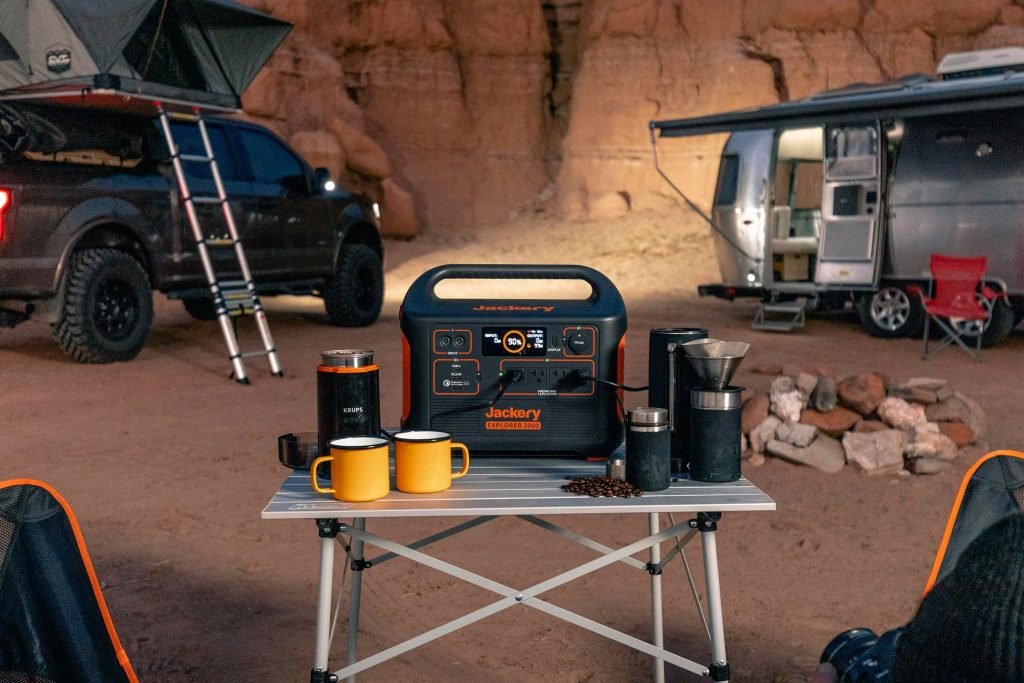
Imagine waking up to the smell of freshly brewed coffee, even in the middle of nowhere. It sounds like a dream, right?
Especially if you’re someone who can’t start the day without that perfect cup. Whether you’re camping under the stars, enjoying a road trip, or simply dealing with a power outage at home, the idea of having your coffee maker powered up by a portable power station is intriguing.
But, can portable power stations really run coffee makers? This question might just hold the key to your next great adventure or even your daily routine. We’ll unravel the mystery and explore how you can keep your caffeine fix alive, no matter where you are. Get ready to be surprised by how accessible that perfect brew can be, with just a little bit of portable power.

Credit: www.dabbsson.com
Portable Power Stations: Basics
Portable power stations can run coffee makers if they have the right wattage. Check the power station’s output capacity before use. Most coffee makers require at least 600 watts to operate efficiently.
What Are Portable Power Stations?
Portable power stations are like big batteries. They store energy for later use. People use them outdoors or during power cuts. They are small and easy to carry. Most have wheels or handles. They help keep gadgets working when you are far from home.
Key Features And Components
These stations have several important parts. They have a battery, an inverter, and outlets. The batteryholds the power. The inverterchanges stored power to usable electricity. Outlets allow plugging in devices. Many have USB ports for phones and tablets. Some also have solar panels for charging.

Credit: www.dabbsson.com
Coffee Makers: Power Requirements
Different coffee makers need different power levels. Drip coffee makers use less power. They need around 600 to 1200 watts. Espresso machines use more. They can need 1000 to 1500 watts. Single-serve coffee makers also vary. Some use about 1000 watts or less.
Energy use depends on the coffee maker type. Drip coffee makers use less energy. They brew slower but use less power. Espresso machines heat water fast. They use more energy for this. Single-serve machines are quick but can be power-hungry. They heat water and brew fast. Knowing energy use helps choose the best coffee maker.
Compatibility Factors
Most coffee makers need a lot of power. They often require around 600 to 1500 watts. Portable power stations must match this power. Some power stations are too weak. Check the wattage of both devices. This helps avoid problems. It’s important to know your station’s power output. Always choose a power station with a higher wattage than the coffee maker. This ensures it runs smoothly.
Not all power stations work with coffee makers. Compare the power needs first. Look at the maximum wattageof the coffee maker. Then, check your power station’s capacity. They should match or the station should be stronger. Consider the coffee maker’s starting power, too. Some need more power to start. Always have a power station that can handle extra loads. This helps in safe operation.
Efficiency Considerations
Understanding if portable power stations can run coffee makers involves checking their wattage and battery capacity. Ensure the power station provides enough wattage to handle the coffee maker’s requirements for efficient operation.
Battery Capacity And Usage Duration
Portable power stations can run coffee makers. Battery capacity plays a big role. A coffee maker uses a lot of power. Bigger batteries last longer. A small power station might run out fast. Check the watt-hour rating of the battery. This tells you how much power it holds. A higher rating means more coffee cups. Choose a power station that suits your needs.
Impact On Portability And Convenience
Portable power stations are easy to carry. They make outdoor trips fun. You can enjoy fresh coffee anywhere. Lightweight stations are best for travel. Check the size and weight before buying. Some power stations have handles or wheels. This makes them easier to move. Convenience is important for daily use. Pick a power station that fits your lifestyle.
Real-world Testing
Real-world testing shows portable power stations can run coffee makers, but it’s important to check power requirements. Most coffee makers need around 1000 watts, so ensure your station can handle that load. Testing helps ensure you have enough power for your morning brew.
Case Studies And User Experiences
Users tried running their coffee makers with portable power stations. Some power stations successfully powered small coffee machines. Larger coffee makers needed more electricity. Many users shared their experiences online. They discussed the convenience and ease of use. Some users faced challenges with battery life. Others found portable power very helpful.
Performance Metrics And Observations
Power stations provide different wattage outputs. A coffee maker needs specific watts to function. Smaller coffee makers need less wattage. Larger ones need more power. Observations show that battery duration varies. High wattage use drains batteries faster. Users observed that recharging time is important. Fast recharge ensures continuous use.

Credit: www.jackery.com
Pros And Cons
Portable power stationsare small and easy to carry. They can power many devices like coffee makers. No need for big, noisy generators. These stations are quietand won’t disturb others. They don’t use gasoline, so they’re cleanerfor the environment. Charging them is simple. Use the sun or a wall plug. They’re great for camping or power outages. They provide flexibilityand ease.
Not all portable power stations are strong enough for coffee makers. Some coffee makers need more power. This can drain the station fast. They can be expensiveto buy. Charging takes time, especially with the sun. Not ideal for long trips if they run out. Some are heavy and hard to carry. Always check if they match your coffee maker’s needs. Choose wisely for the best results.
Tips For Optimal Use
Ensure the power station’s wattage matches your coffee maker’s needs. Check battery capacity for multiple uses. Use energy-saving settings on the coffee maker to extend power station life.
Selecting The Right Power Station
Choose a power station that matches your coffee maker’s wattage. Most coffee makers need around 600 to 1500 watts. Check your power station’s output. A station with higher watt output works best. Consider the battery capacity too. A large battery runs the coffee maker longer. Look for features like USB ports and AC outlets for more options. Portability is key. Ensure it’s lightweight and easy to carry. A portable station with a handle is handy. Keep these tips in mind for the best experience.
Maximizing Efficiency And Longevity
Turn off the coffee maker when not in use. This saves power. Use the power station only when needed. Charge it fully before each use. Avoid overcharging to prolong battery life. Keep the power station clean and dry. Store it in a cool place. Regularly check and maintain the connections. Ensure they are tight and secure. Keep the station away from direct sunlight. Follow these steps for better performance and long life.
Frequently Asked Questions
Can A Portable Power Station Run A Coffee Maker?
Yes, a portable power station can run a coffee maker. Ensure it has enough wattage capacity for your coffee maker’s power needs. Check the power station’s output and your coffee maker’s wattage to guarantee compatibility. Most coffee makers require between 600 to 1500 watts.
What Size Jackery Will Run A Coffee Maker?
A Jackery with at least 500 watts can run a coffee maker. Check your coffee maker’s wattage to ensure compatibility. Jackery Explorer models like 500 or higher are recommended for optimal performance. Always verify the specific power needs of your appliance before use.
How Much Battery Power Does It Take To Run A Coffee Maker?
A typical coffee maker uses 750 to 1200 watts of power. Battery power needed depends on the wattage and usage duration. For example, a 1000-watt coffee maker running for 10 minutes requires about 0. 167 kWh. Ensure your battery can handle this energy demand.
What Size Power Inverter Do I Need To Run A Coffee Maker?
Choose a power inverter rated at 1000 watts or higher to run most coffee makers efficiently. Ensure it matches your coffee maker’s wattage requirements for optimal performance. Always check the coffee maker’s manual for specific wattage needs. This ensures safe and effective operation of your appliance.
Conclusion
Portable power stations can indeed run coffee makers. They offer a convenient solution for coffee lovers on the go. Consider the power capacity of your station. It should match your coffee maker’s needs. Check the wattage before plugging in. This ensures smooth operation.
Portable power stations are versatile and handy. They provide energy where outlets are scarce. Perfect for camping trips or power outages. Enjoy your coffee anywhere without worry. Just remember to manage your power usage wisely. This keeps your coffee hot and your power station running longer.