
Imagine having peace of mind during a power outage, thanks to your trusty portable indoor generator. But while owning one is a smart move, storing it properly is crucial for its longevity and performance.
You wouldn’t want to find your generator malfunctioning just when you need it most, would you? Storing your generator correctly can prevent unexpected hiccups and ensure it’s ready to power up whenever you need it. In this guide, you’ll discover straightforward tips to help you keep your generator safe, efficient, and ready for action.
Dive in to learn how to make the most of your investment and keep your home powered smoothly and securely.
Choosing The Right Location
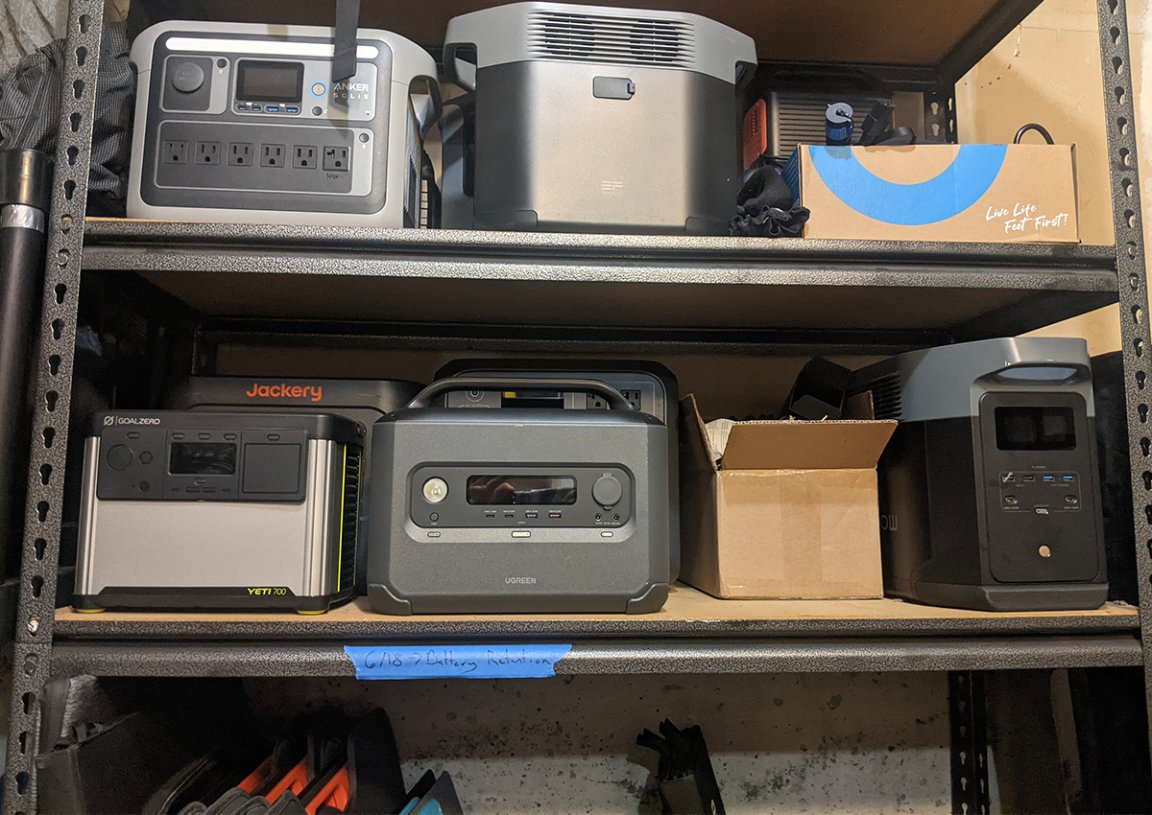
Keep the generator away from water sources. Moisture can damage its parts. Choose a dry area to store it. A garage or shed is a good choice. Make sure the roof does not leak.
Store the generator in a place with stable temperature. Extreme heat or cold can harm it. Avoid direct sunlight. Use a fan or heater if needed. Keeping it warm helps it work well.
Place the generator where you can reach it easily. You might need it in emergencies. Avoid clutter around it. Make sure there is enough space to move it. Easy access ensures quick use.
Credit: www.outdoorlife.com
Preparing The Generator For Storage
Wipe the generator with a soft, damp cloth. Remove all dirt and dust. Use a mild soap if needed. Avoid water getting inside the generator. Dry the generator completely before storing. Check for any damage or rust. Repair any issues before storage. Keep it clean and safe.
Empty the fuel tank to prevent leaks. Use a siphon pump if needed. Run the generator until it stops. This uses up any leftover fuel. Check the fuel lines for cracks or damage. Replace them if necessary. Ensure the fuel system is secure and clean.
Disconnect the battery to avoid draining. Store it in a cool, dry place. Check the battery for any leaks. Clean the terminals with a wire brush. Charge the battery every few months. This keeps it ready for use. Proper care extends battery life.
Securing The Generator
Store a portable indoor generator in a dry, well-ventilated area. Ensure it’s away from flammable materials. Keep it protected from dust and moisture.
Using Protective Covers
Keep your generator safe with protective covers. These covers shield it from dust and moisture. Choose a cover that fits snugly. Ensure it is made of durable material. Waterproof covers offer extra protection. They prevent rust and damage. Keep the cover on when not in use. This ensures a longer life for your generator.
Locking Mechanisms
Securing the generator with locks is crucial. Use a strong lock for safety. Chains can also add security. Attach the chain to a stable object. This prevents theft and movement. Ensure the lock is weatherproof. It should resist rust and corrosion. Regularly check the lock for damage. Replace it if needed to maintain security.
Stability And Support
A generator needs a stable base. Place it on a firm surface. A level platform helps prevent tipping. Ensure it is not wobbly. Use brackets if needed for extra support. This prevents accidental falls. Avoid placing it near edges. Keep it away from high traffic areas. This ensures safety for everyone around.

Credit: www.goodhousekeeping.com
Regular Maintenance Checks
Regular maintenance checks extend the life of your portable indoor generator. Keep it clean and dry. Inspect for any signs of damage or wear. Ensure all connections are secure. Regularly test the generator to make sure it functions properly when needed.
Inspecting For Wear And Tear
Check the generator for any cracks or rust. Look at the wires and cables. Make sure they are not frayed or damaged. Clean the vents to prevent dust buildup. This helps the generator breathe better. Check the handles and wheels for any looseness.
Testing Operational Functionality
Turn on the generator to see if it starts smoothly. Listen for any strange noises. Check if all the lights and buttons work. Make sure the power output is steady. If something seems off, it might need a repair.
Updating Service Records
Write down each time you inspect the generator. Note any problems or fixes you make. Keeping a record helps you remember what has been done. It also helps if you need warranty service. Having detailed notes is very useful.
Safety Precautions
Generators need fresh air to work safely. Keep them in open spaces. Never use a generator in closed rooms. This helps prevent harmful gas buildup. Fresh air keeps everyone safe. Regular checks can ensure air flows well. Always prioritize your health and safety.
Generators can become very hot. Keep them away from flammable items. Store them on stable surfaces. This reduces fire risks. Always check for fuel leaks. Use approved fuel containers. Fire safety saves lives and property.
Generators should be out of reach. Kids and pets may get curious. Keep them in separate areas. Fences can help create barriers. Teach children about generator dangers. Supervision prevents accidents.
Long-term Storage Tips
Properly storing a portable indoor generator ensures it stays in good condition. First, clean it thoroughly to remove any dirt. Keep it in a cool, dry place to prevent moisture damage. Regularly check for corrosion or leaks, and maintain a full charge if it’s battery-operated.
Periodic Engine Start-up
Starting the engine every few months keeps it healthy. Engines can become stiff if left too long. Running the engine helps parts stay in good shape. It is important for the battery to stay charged too. A charged battery means the generator is ready to use.
Fuel Stabilization
Fuel can go bad if left for long periods. Using a fuel stabilizer helps keep it fresh. Stabilizers stop the fuel from breaking down. They also prevent gum and varnish buildup. Always use fresh fuel when storing a generator.
Professional Inspection
Having a professional check the generator ensures it works well. Experts can spot problems early. They make sure parts are clean and secure. Regular inspections keep the generator in top condition. This helps it last longer and work better when needed.

Credit: vtoman.com
Frequently Asked Questions
Can You Store A Generator Inside When Not In Use?
Store the generator in a cool, dry place away from flammable materials. Ensure proper ventilation to prevent fuel vapors buildup. Disconnect the battery and empty the fuel tank if storing for an extended period. Always follow the manufacturer’s guidelines for safe storage.
How To Properly Store A Portable Generator?
Store the generator in a dry, cool place away from flammable materials. Drain fuel or use a stabilizer. Clean the generator before storage. Cover it to protect from dust and moisture. Check the manufacturer’s guidelines for specific storage instructions.
Should Portable Generators Be Kept Indoors While In Use?
No, portable generators should not be kept indoors while in use. They emit carbon monoxide, a deadly gas. Always operate generators outdoors, far from windows and doors. Ensure proper ventilation to prevent poisoning. Follow safety guidelines to protect yourself and your family.
How To Store A Generator When Not In Use On Reddit?
Store the generator in a dry, cool place. Drain fuel to prevent clogs. Use a cover to protect from dust. Remove the battery and keep it charged separately. Regularly check for rust or damage.
Conclusion
Storing your portable indoor generator correctly ensures safety and longevity. Keep it dry and away from flammable materials. Regularly check for dust or debris buildup. Use a cover to protect it from moisture. Ensure ventilation to prevent overheating. Store it at a moderate temperature.
Avoid extremely hot or cold places. Always turn it off before storage. Disconnect all cables to prevent damage. Following these simple tips helps maintain your generator’s condition. Proper storage keeps it ready for use when needed. Stay prepared and safe.